Drug Dealers Understand Conversion Better Than B2B Marketers
Most B2B outreach fails because you're asking prospects to trust claims they can't verify. Try-before-you-buy lead magnets eliminate the trust barrier entirely. Here's how to use them.
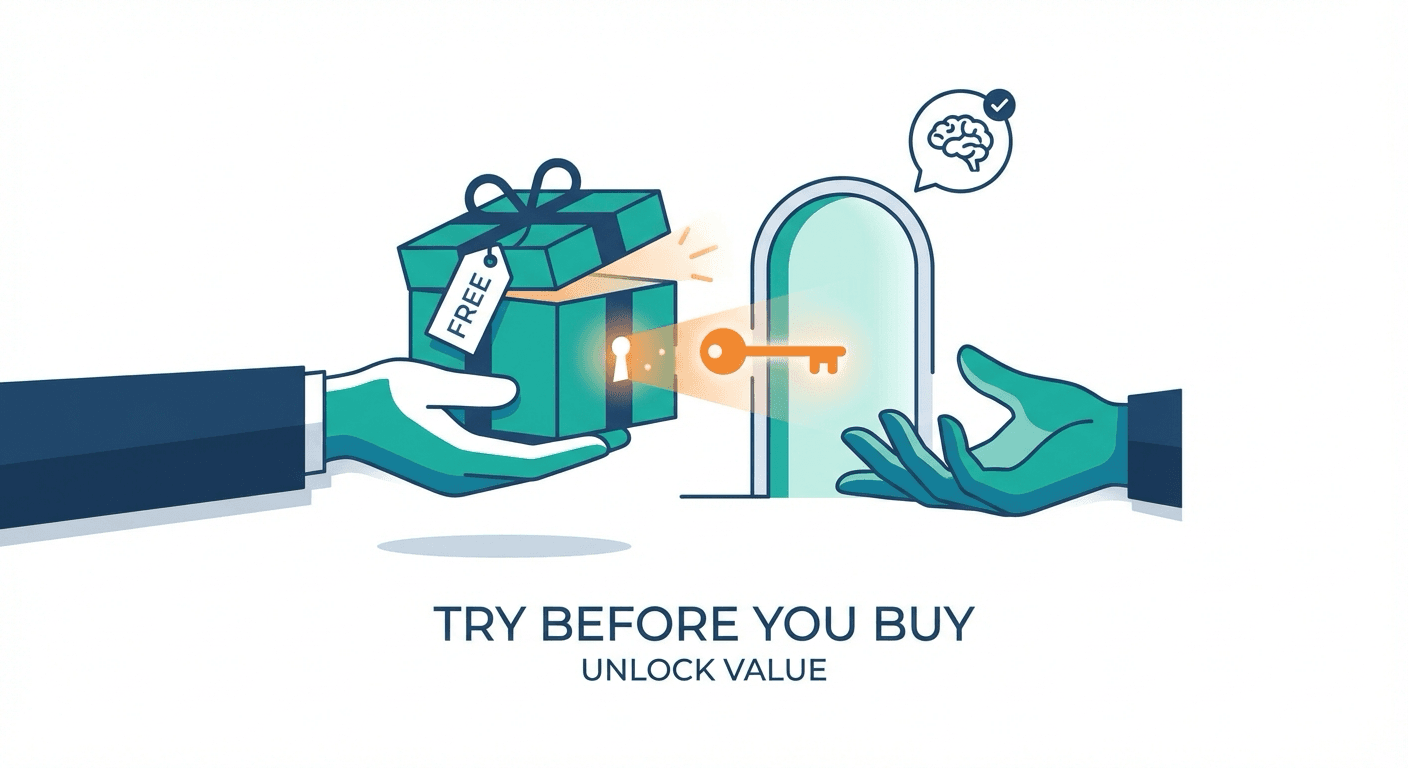
Try-before-you-buy lead magnets deliver 8-15% reply rates versus 2-3% for standard cold email by eliminating the trust barrier. Instead of asking prospects to believe claims, you let them experience your service through free audits, sample deliveries, guaranteed trials, or tool access. For businesses with $20K+ ACV and trial costs under $500, the economics work: even at 10% trial-to-paid conversion, the ROI exceeds 50x.
Key takeaways
- Try-before-you-buy offers generate 8-15% reply rates compared to 2-3% for well-personalized cold email and 0.5-1% for generic outreach.
- Free audits delivered an 8% reply rate with 30% of audits converting to paid clients, while free sample delivery achieved 15% reply rates with 40% conversion.
- For businesses with $20K+ annual contract value and trial delivery costs under $500, the approach produces 50x+ ROI even at 10% conversion rates.
- The optimal try-before-you-buy offer equals your core value divided by 10, delivered in 1-2 systematized hours with clear scope boundaries.
- Lead magnet quality ranks third in the cold email hierarchy behind infrastructure and list quality but accounts for 60-70% of campaign success.
Reviewed and updated September 5, 2026
Why Drug Dealers Understand Conversion Better Than Most B2B Marketers
Drug dealers understand conversion psychology better than most B2B marketers.
I'm not being facetious. There's a fundamental lesson here that most companies completely miss.
The lesson: Free samples work.
Costco does it. Car dealerships do it. SaaS companies with free trials do it. Drug dealers do it.
They all understand the same thing: No amount of selling conveys as much information as actually experiencing the product.
The Trust Problem Killing Your Outreach
Your cold email says:
- "We helped Company X increase revenue by 40%"
- "Our system generated $3M in pipeline for Company Y"
- "Clients see ROI within 90 days"
Your prospect's internal response? "Sure you did. Everyone says that."
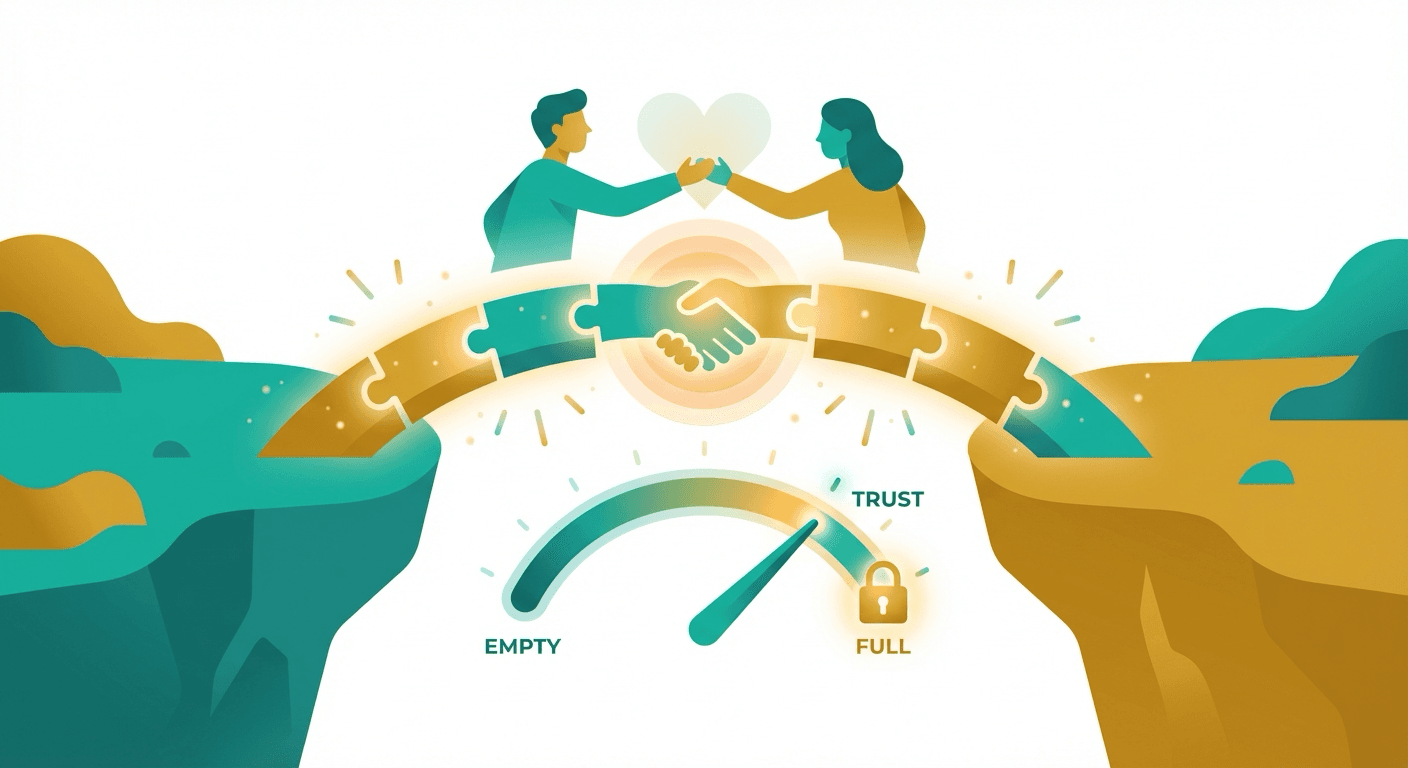
They can't verify your claims. They have no reason to believe you over the 50 other cold emails making similar promises.
This is the trust barrier that kills most B2B outreach.
But when you let prospects experience your service for free? Everything changes. They're not evaluating your claims anymore. They're evaluating their direct experience.
The Reply Rate Difference
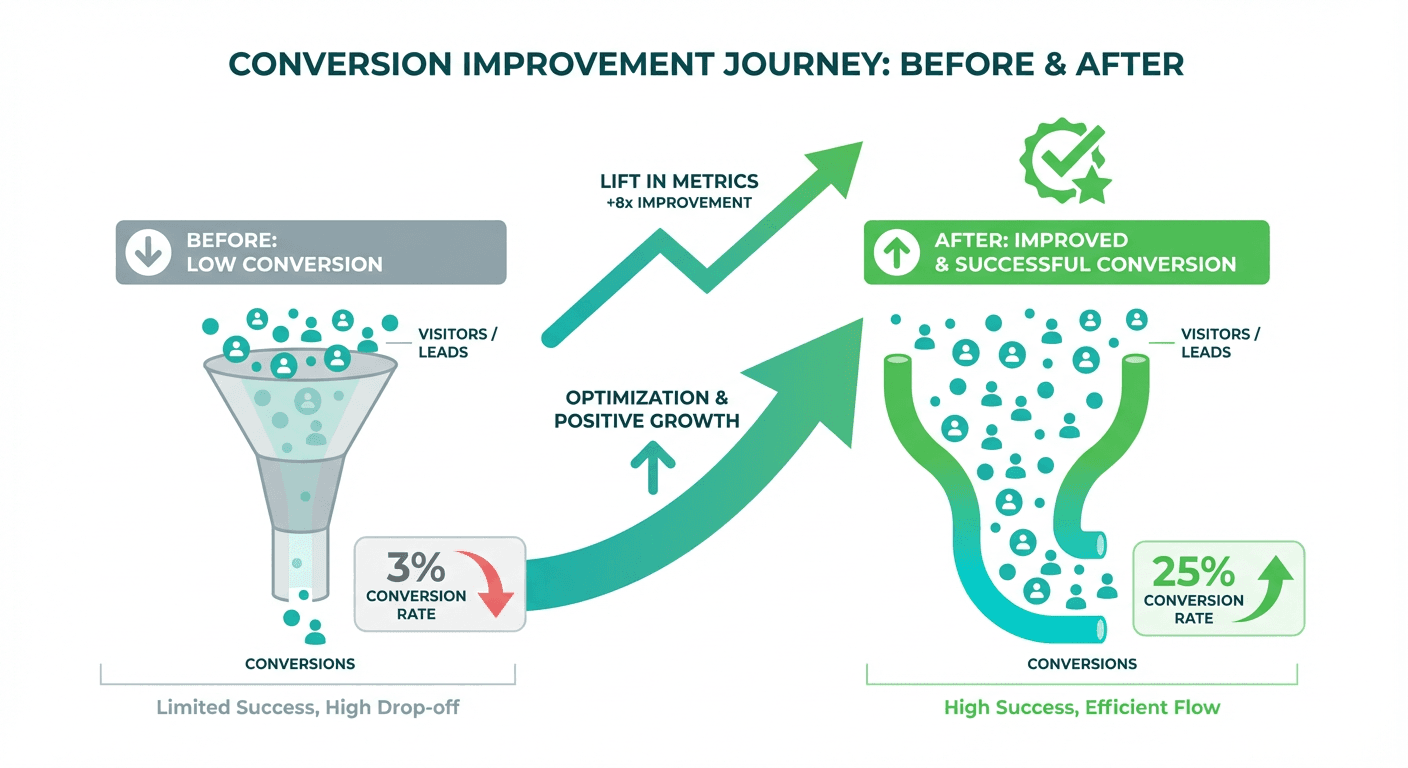
We ran hiring campaigns that hit 10% positive reply rates. Why? Because we were literally offering people jobs, something they genuinely wanted with zero trust required.
Compare that to typical cold email:
- Generic outreach: 0.5-1%
- Well-personalized: 2-3%
- Good offer: 3-5%
- Try-before-you-buy: 8-15%
A 10% reply rate beats a 3% reply rate every time. It's not even close.
The Economics (Yes, It's Worth It)
The objection everyone has: "But it costs time and money to deliver trials when I don't know if they'll convert!"
Let's do the math.
Example: $50K ACV B2B Service
- Trial cost: $300 (your time)
- Trial-to-paid conversion: 25%
- CAC: $1,200
- LTV: $150,000 (3-year retention)
You spend $1,200 to acquire $150,000 in lifetime value. That's a 125x return.
Even if only 10% convert, you're still at 50x return. The math works for any high-ACV business.
The rule: If your ACV is $20K+ and your trial cost is under $500, this almost always makes sense.
Types of Try-Before-You-Buy Offers
1. Free Audit/Assessment
Analyze their current situation. Provide specific recommendations.
"I'll review your cold email campaigns and show you exactly what's hurting your reply rates. Free, no strings attached."
We got an 8% reply rate with this. 30% of audits converted to paid clients.
2. Free Sample Delivery
Do a limited version of your service.
"I'll set up your email infrastructure properly (SPF, DKIM, DMARC, warming) for free. Takes me 30 minutes, saves you hours of headache."
15% reply rate. 40% converted to ongoing clients.
3. Guaranteed Results Trial
Full service with a guarantee.
"We'll run your outreach for one month free. If you don't book at least 5 meetings, you don't pay."
25% of trials became 6+ month clients.
4. Free Tool/Access
Give them access to something valuable.
Works great for SaaS and data businesses. Creates dependency, natural upgrade path.
Designing Your Offer
Most companies get this wrong. They either offer too little (just another PDF) or too much (can't scale).
- Step 1Identify your core value
What do clients actually pay you for?
- Step 2Find the minimum viable demonstration
What's the smallest thing you can deliver that demonstrates that value?
- Step 3Set clear boundaries
Define exactly what's included and what's not.
- Step 4Systematize delivery
Build templates, checklists, time limits.
Step 1: Identify your core value
What do clients actually pay you for? Not what you say you do. What outcome do they pay for?
Step 2: Find the minimum viable demonstration
What's the smallest thing you can deliver that demonstrates that value?
Formula: Core Value ÷ 10 = Your Try-Before-You-Buy Offer
If you book 20 meetings per month for clients, offer to run one week of outreach aiming for 5 meetings. If you increase organic traffic by 40%, offer an SEO audit showing their top 10 opportunities.
Step 3: Set clear boundaries
Define exactly what's included and what's not. Otherwise scope creep kills you.
"Free Cold Email Audit includes:
- Review of your last 3 campaigns
- Analysis of subject lines, copy, CTAs
- Deliverability assessment
- Top 5 recommendations
Not included: Rewriting emails, ongoing monitoring, implementation support"
Step 4: Systematize delivery
Don't treat every trial like a custom project. Build templates, checklists, time limits.
Our cold email audit process takes 90 minutes now, down from 3 hours. That changes the economics completely.
Common Objections
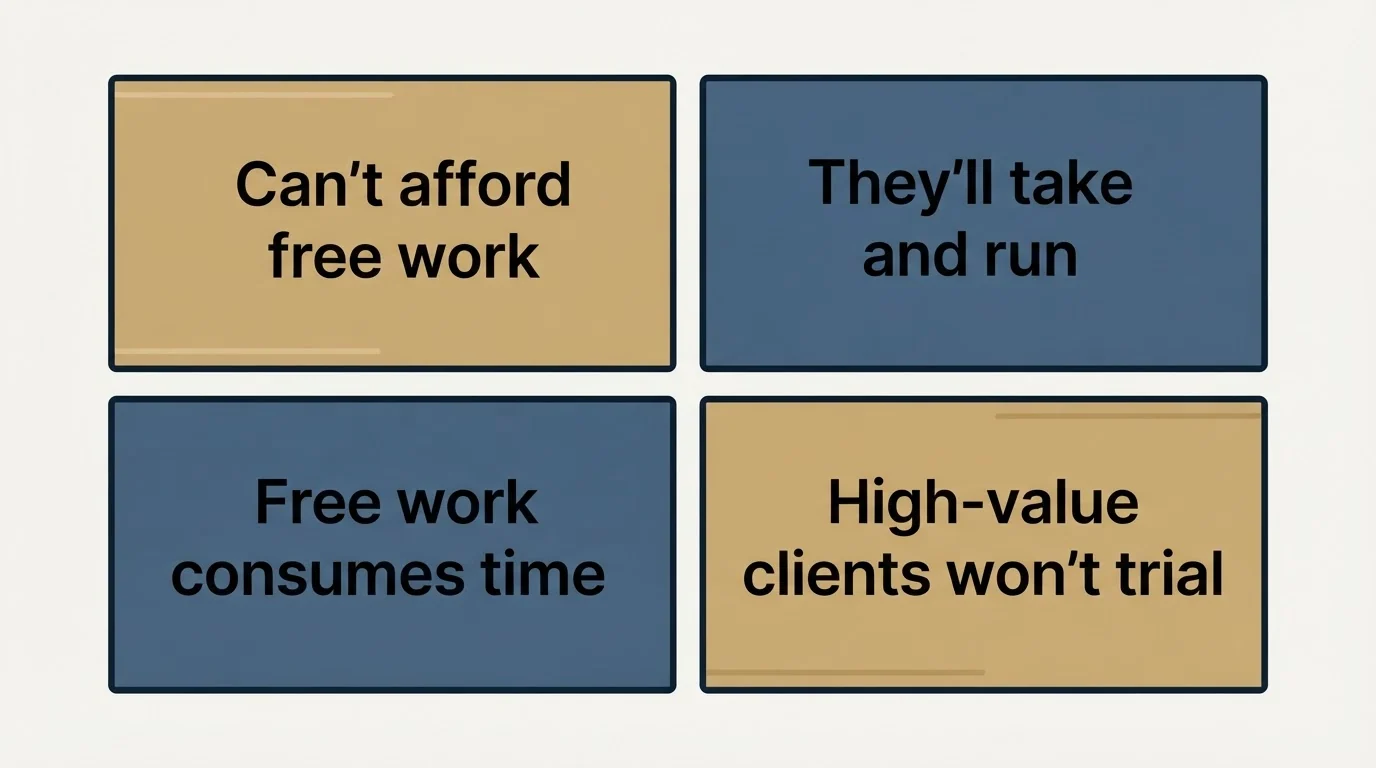
"I can't afford to give away work for free"
You're not giving it away. You're investing in customer acquisition with measurable ROI.
$500 trial cost ÷ 25% conversion = $2,000 CAC. If your ACV is $20K, that's 10x return.
"People will take the free thing and run"
Some will. 70 out of 100 trials might not convert.
But if 30 become clients at $20K each, that's $600,000 in revenue. Was it worth delivering 70 free trials? Obviously.
"I'll spend all my time doing free work"
Then you need better systems. Systematize delivery to 1-2 hours max. Batch trials together. Set weekly limits. Qualify better before offering.
"High-value clients won't do trials"
Frame it differently. "Let's do a 30-day pilot to validate the approach before committing to a full engagement."
Same concept, different positioning. Enterprise clients do pilots all the time.
Where This Fits in the Hierarchy
Try-before-you-buy is powerful, but it's not the most important thing.
The hierarchy:
- Infrastructure - If emails hit spam, nothing else matters
- List Quality - Wrong people = no conversions
- Lead Magnet / Offer - This is where try-before-you-buy lives (60-70% of success)
- Copy Quality - Matters less than you think
- Personalization - Nice to have, least important
Most people do it backwards, spending 75% of time on copy and personalization while using generic "let's chat" offers.
The Action Plan
This week:
Day 1-2: Calculate your economics. What's your ACV? What can you afford for CAC? Does the math work?
Day 3-4: Design your offer. What's 1/10th of your core value? What can you deliver in 1-2 hours? What are the boundaries?
Day 5: Test with 5 friendly prospects. Deliver trials, get feedback, refine.
Then launch cold outreach with your new offer.
The investment: ~10 hours
The return: A lead magnet that can 3-5x your reply rates
The Bottom Line
Most B2B marketers try to convince prospects with words.
Drug dealers let prospects experience the product.
Who gets better conversion?
The companies that win are willing to invest upfront to prove value. They see it as customer acquisition with measurable ROI, not "giving away free work."
Stop trying to convince people with claims they can't verify. Let them experience your value firsthand.
Your conversion rates will thank you.
Related Reading
- The Hierarchy of Effective Cold Emailing: What Actually Matters
- How We Cut Cold Email Costs by $2,600/Month: The Exact Infrastructure Switch
- One Personalization Tactic Delivered 6x Better Results Than Everything Else
If you would rather have this run for you, RevenueFlow books qualified meetings on a pay-per-meeting basis and publishes client results.
Frequently asked questions.
Frequently asked questions- What reply rate can I expect from try-before-you-buy cold email offers?
- Try-before-you-buy offers typically generate 8-15% reply rates, significantly outperforming standard approaches. Generic outreach gets 0.5-1%, well-personalized emails achieve 2-3%, and good offers reach 3-5%. The dramatic improvement occurs because prospects evaluate direct experience rather than unverifiable claims, eliminating the trust barrier that kills most B2B outreach.
- Is it profitable to give away free services in cold outreach?
- Yes, when properly structured. For a $50K annual contract value business with $300 trial costs and 25% conversion, you spend $1,200 to acquire $150,000 in lifetime value: a 125x return. Even at 10% conversion, ROI reaches 50x. The rule: if your ACV exceeds $20K and trial costs stay under $500, the economics almost always work because you're investing in customer acquisition with measurable returns.
- What are the most effective types of try-before-you-buy offers?
- Four formats work best: free audits (8% reply rate, 30% conversion), free sample delivery of limited service (15% reply rate, 40% conversion), guaranteed results trials where clients pay nothing if outcomes aren't met (25% trial-to-client conversion for 6+ months), and free tool access that creates natural upgrade paths. The key is demonstrating core value at one-tenth scale with clear boundaries.
- How do I design a try-before-you-buy offer without losing money on non-converters?
- Use the formula: Core Value ÷ 10 = Your Offer. Systematize delivery to 1-2 hours maximum using templates and checklists. Set explicit boundaries on what's included versus excluded. Expect 70% won't convert: that's acceptable when 30 conversions at $20K each generate $600,000. Qualify prospects before offering trials, batch delivery together, and set weekly limits to prevent overwhelming your capacity.
- Where does the lead magnet rank in cold email effectiveness?
- Lead magnet quality ranks third in the cold email hierarchy but accounts for 60-70% of campaign success. The complete hierarchy: infrastructure first (emails must reach inboxes), list quality second (targeting right people), lead magnet third, copy quality fourth, and personalization fifth (least important). Most marketers work backwards, spending 75% of time on copy and personalization while using generic offers.
About the author.

Tim Carden is CMO / CTO at RevenueFlow, which builds and operates outbound revenue engines for B2B companies. Studied at McGill University.
Tim Carden · CMO / CTO
Connect on LinkedIn →Explore more.
Ready to scale your outreach?
We build GTM engines that book real meetings. See the receipts.
Related articles.
Cold Email Frameworks: Which One Fits Your Offer
AIDA, PAS and Before-After-Bridge arrange the same four elements in different orders. What each one assumes about the reader, and what none of them fix.
CAN-SPAM Act Compliance for B2B Cold Email: The Rules
The CAN-SPAM Act makes no exception for business-to-business email. Here are the seven requirements, the opt-out clocks, and where liability lands when an agency sends.
How to Write a New Year Outreach Email, Line by Line
A new year outreach email works only where January is a fact about the account. Who that is, the structure line by line, and two worked examples.
How to Write a Third Follow Up Email, Line by Line
A third follow up email belongs only in a thread where the person replied or agreed to something. When to send one, and how to write it line by line.
CMO Email List: What You Are Actually Buying
Seven of the ten results for this phrase sell a file filtered on a title that describes forty percent of the market. What to build instead, and why.
SMTP Reply Codes: What Each Class Instructs
The digits are a verdict and the text is the reason. Separating an address failure from a policy refusal before reacting is what decides whether the fix works.