Cold Email for Agriculture and AgTech: The Complete Guide
Learn how to reach farm operators, AgTech buyers, and agricultural cooperatives with cold email strategies tailored to seasonal cycles, rural connectivity challenges, and the unique decision-making patterns of the agriculture industry.
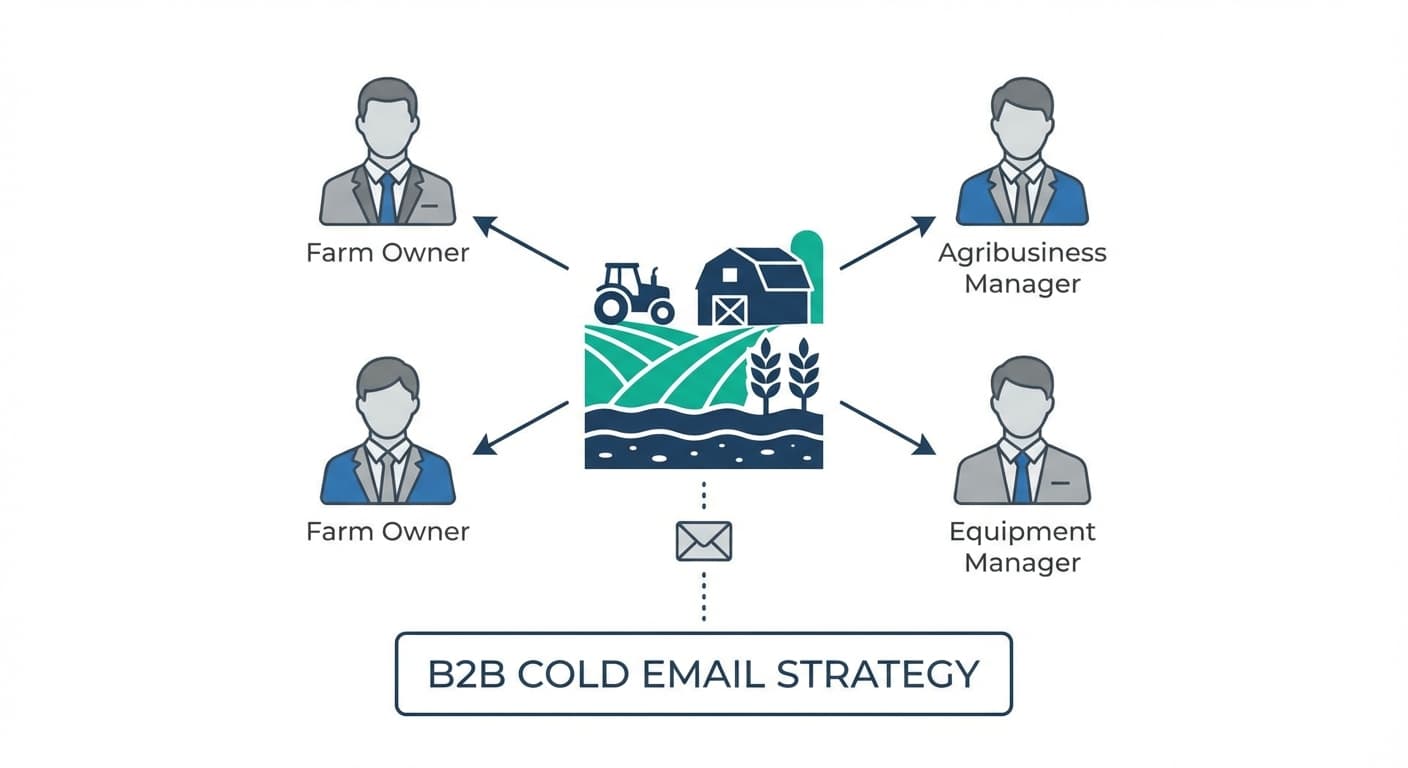
Cold email works effectively in agriculture because 87% of farmers use smartphones for business activities, geographic distances make digital outreach essential, and agricultural buyers typically have direct access without corporate gatekeepers. Success requires understanding seasonal timing (farmers plan purchases months ahead during slower seasons), and tailoring messages to specific buyer types like farm operators (average age 57.5, ROI-focused), AgTech decision-makers (data-driven, integration-focused), or cooperatives serving thousands of member farms.
Key takeaways
- The United States has approximately 2 million farms with an average size of 445 acres, spread across vast geographic areas that make digital outreach essential.
- 87% of farmers use smartphones for farm business activities according to a 2023 Farm Journal survey, with email among the top three most-used applications.
- Agricultural cooperatives generate over $200 billion in annual revenue and serve approximately 2 million farmer members, making them high-value single relationships.
- The global agricultural equipment market was valued at $166.5 billion in 2023, representing one of the largest B2B markets in the world.
- The average age of U.S. farm producers is 57.5 years, and they make purchasing decisions based on total cost of ownership rather than purchase price alone.
Reviewed and updated September 15, 2026
Cold Email for Agriculture and AgTech: The Complete Guide
A seed company sales rep sends an email about drought-resistant corn varieties to a Nebraska farmer in late March. The farmer reads it on his phone while refueling his tractor, forwards it to his agronomist, and three weeks later places a $47,000 order. That's the power of well-timed, relevant cold email in agriculture.
The agriculture and AgTech sector represents one of the largest B2B markets in the world, with the global agricultural equipment market alone valued at $166.5 billion in 2023, according to Grand View Research. Yet many companies struggle to connect with agricultural buyers, defaulting to trade shows and dealer networks while leaving cold email largely untapped.
This guide will show you exactly how to reach farm operators, AgTech decision-makers, and cooperative buyers through cold email, with strategies specifically designed for the unique rhythms and realities of the agriculture industry.
Why Cold Email Works for Agriculture and AgTech
Agricultural professionals are surprisingly receptive to email communication, though the reasons differ from typical B2B buyers.
Geographic Reality Makes Digital Essential
Farm operators and agricultural businesses are spread across vast geographic areas. According to the USDA's 2022 Census of Agriculture, there are approximately 2 million farms in the United States alone, with the average farm size being 445 acres. Reaching these buyers through traditional field sales requires enormous travel time and expense.
Cold email bridges this geographic gap efficiently. A single well-crafted email can reach a farmer in rural Iowa, an AgTech startup in California's Central Valley, and a cooperative buyer in Minnesota simultaneously.
Mobile Adoption Is Higher Than You Think
The stereotype of farmers as technologically resistant is outdated. A 2023 survey by Farm Journal found that 87% of farmers use smartphones for farm business activities, with email being among the top three most-used applications. Modern agricultural operations rely heavily on digital communication for everything from commodity pricing to weather alerts.
Decision Cycles Align with Email's Strengths
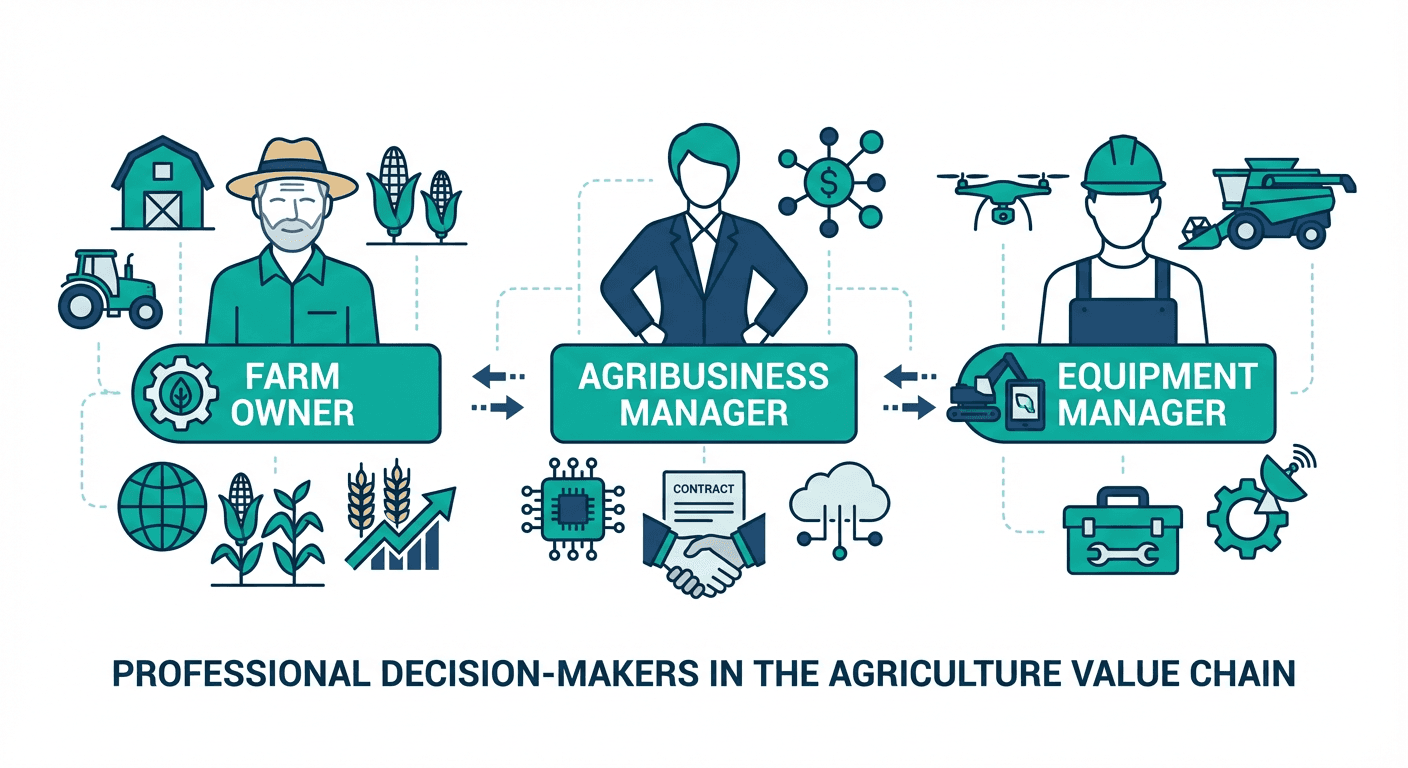
Agricultural purchasing decisions are often made months before the actual need arises. Farmers plan seed purchases in winter for spring planting. Equipment decisions are made during slower seasons when there's time to research and compare. Email allows you to enter the conversation early in these planning cycles and stay top of mind through multiple touchpoints.
Limited Gatekeepers
Unlike corporate environments with receptionists, executive assistants, and layers of management, agricultural operations typically have flatter structures. The person reading your email is often the person who makes the purchasing decision. This direct access makes cold email remarkably effective for agricultural sales.
The Agriculture Buyer: Who You're Really Emailing
Understanding your recipient is critical in agriculture, where buyer types vary dramatically in their needs, decision processes, and communication preferences.
Farm Operators and Owners
Farm operators represent the primary decision-makers for on-farm purchases. According to the USDA, the average age of U.S. farm producers is 57.5 years, though younger operators are increasingly taking over management responsibilities.
Key characteristics of farm operator buyers include practical, ROI-focused decision making with particular emphasis on total cost of ownership rather than purchase price alone. They often consult with agronomists, equipment dealers, and neighboring farmers before major purchases. Their buying windows are seasonal and tied to crop cycles, credit availability, and commodity prices.
Read from inside an agricultural company rather than from a seller writing to one, the same seasonal windows decide whether an outside team can work a list at all, which is the subject of SDR outsourcing for agriculture companies.
When emailing farm operators, directness matters more than polish. These buyers value substance over style and can quickly identify generic sales pitches. Reference specific crops, livestock types, or regional challenges to demonstrate you understand their operation.
AgTech Buyers and Decision-Makers
The AgTech sector has grown substantially, with AgFunder reporting that global AgriFood tech investments reached $29.6 billion in 2022. AgTech buyers include precision agriculture companies, farm management software providers, agricultural drone operators, and vertical farming operations.
These buyers tend to be younger and more digitally native than traditional farm operators. They respond to data-driven messaging and are often early adopters willing to pilot new technologies. However, they're also highly selective and receive significant cold outreach given their role in a growing sector.
AgTech buyers evaluate solutions based on integration capabilities with existing systems, scalability across different farm types and sizes, and demonstrable ROI with specific metrics.
Agricultural Cooperatives and Buying Groups
Cooperatives represent a unique opportunity for B2B sellers. These organizations aggregate purchasing power for their member farms, meaning a single relationship can provide access to hundreds or thousands of operations.
The National Council of Farmer Cooperatives reports that agricultural cooperatives generate over $200 billion in annual revenue and serve approximately 2 million farmer members. Major cooperatives like CHS, Land O'Lakes, and Dairy Farmers of America operate sophisticated procurement operations.
Cooperative buyers focus on member value and typically require longer evaluation periods, pilot programs, and formal RFP processes. Email to cooperative buyers should emphasize volume pricing, member benefit programs, and successful implementations with similar organizations.
Agricultural Service Providers
Beyond farms themselves, the agriculture ecosystem includes crop consultants, agronomists, veterinarians, equipment dealers, and agricultural lenders. These service providers influence purchasing decisions across multiple operations and can serve as valuable referral sources.
Service providers respond well to partnership-oriented messaging that positions your offering as complementary to their services rather than competitive.
Agriculture-Specific Challenges (And How to Solve Them)
Cold email to agricultural buyers comes with unique obstacles that require specific strategies to overcome.
Challenge 1: Seasonal Timing Is Everything
Agricultural operations follow rigid seasonal patterns that dictate when buyers are receptive to different types of outreach. Sending an email about harvesting equipment during planting season means competing against the farmer's most pressing immediate priorities.
Solution: Build a Seasonal Campaign Calendar
Map your outreach to agricultural cycles for your target region and crop types. For row crop farmers in the Midwest United States, the general pattern looks like this:
Winter (December through February) represents planning and purchasing season, making it ideal for seed, inputs, equipment, and technology purchases. Spring (March through May) is planting season with very limited availability. Summer (June through August) provides a mid-season window for crop scouting tools, irrigation equipment, and harvest preparation. Fall (September through November) is harvest season, again with limited availability except for storage and logistics solutions.
Create automated sequences that activate during appropriate buying windows and pause during peak farming activity.
Challenge 2: Rural Connectivity Limitations
While mobile adoption is high, connectivity in rural areas can be inconsistent. According to the FCC's 2022 Broadband Deployment Report, 17% of rural Americans lack access to fixed broadband at threshold speeds.
Solution: Optimize for Low-Bandwidth Delivery
Keep emails lightweight by avoiding heavy images, embedded videos, or complex HTML formatting. Plain text emails or simple HTML with minimal graphics ensure your message loads quickly even on slow connections.
Include phone numbers prominently. Many rural buyers prefer a quick phone call to extended email exchanges, especially when connectivity makes back-and-forth communication challenging.
Make sure your landing pages and any linked content are mobile-optimized and fast-loading. Test your email and linked content on 3G connections to ensure accessibility.
Challenge 3: Trust and Relationship Emphasis
Agricultural communities are tight-knit, and trust transfers through referrals and relationships. Cold outreach from unknown entities faces natural skepticism.
Solution: Build Credibility Through Specificity
Generic messaging signals that you don't understand agriculture. Specific references to crop types, regional challenges, equipment brands, or industry events demonstrate insider knowledge.
Mention existing customers in the region (with permission) or work with agricultural associations and publications to build third-party credibility. Consider partnerships with respected agricultural consultants or extension services who can make warm introductions.
Offer educational content that provides genuine value before asking for anything in return. Farmers respect companies that contribute to the industry conversation rather than just selling.
Challenge 4: Long Decision Cycles with Multiple Influencers
Major agricultural purchases, especially equipment and technology investments, can take 6 to 18 months from initial interest to purchase. Multiple parties typically influence the decision.
Solution: Design Multi-Touch Sequences with Stakeholder Awareness
Build email sequences that span the full decision cycle with valuable touchpoints at each stage. Early emails should educate and build awareness. Middle-stage emails should provide comparison tools, ROI calculators, and case studies. Late-stage emails should facilitate the final decision with pricing information, implementation timelines, and support details.
Create content specifically for different stakeholders. Technical specifications for agronomists, financial analysis for farm managers, and operational benefits for equipment operators can all be distributed through forward-friendly email formats.
Challenge 5: Price Sensitivity and Commodity Volatility
Agricultural profitability fluctuates with commodity prices, weather, and input costs. A farmer's purchasing power and willingness to invest can change dramatically between months.
Solution: Tie Messaging to Economic Conditions
Monitor commodity prices and reference current market conditions in your outreach. When corn prices are strong, emphasize growth investments and efficiency gains. When margins are tight, focus on cost reduction, durability, and long-term value.
Offer flexible financing options, leasing arrangements, or pay-per-use models that align with agricultural cash flow patterns (often concentrated after harvest).
What Works: Agriculture Cold Email Best Practices
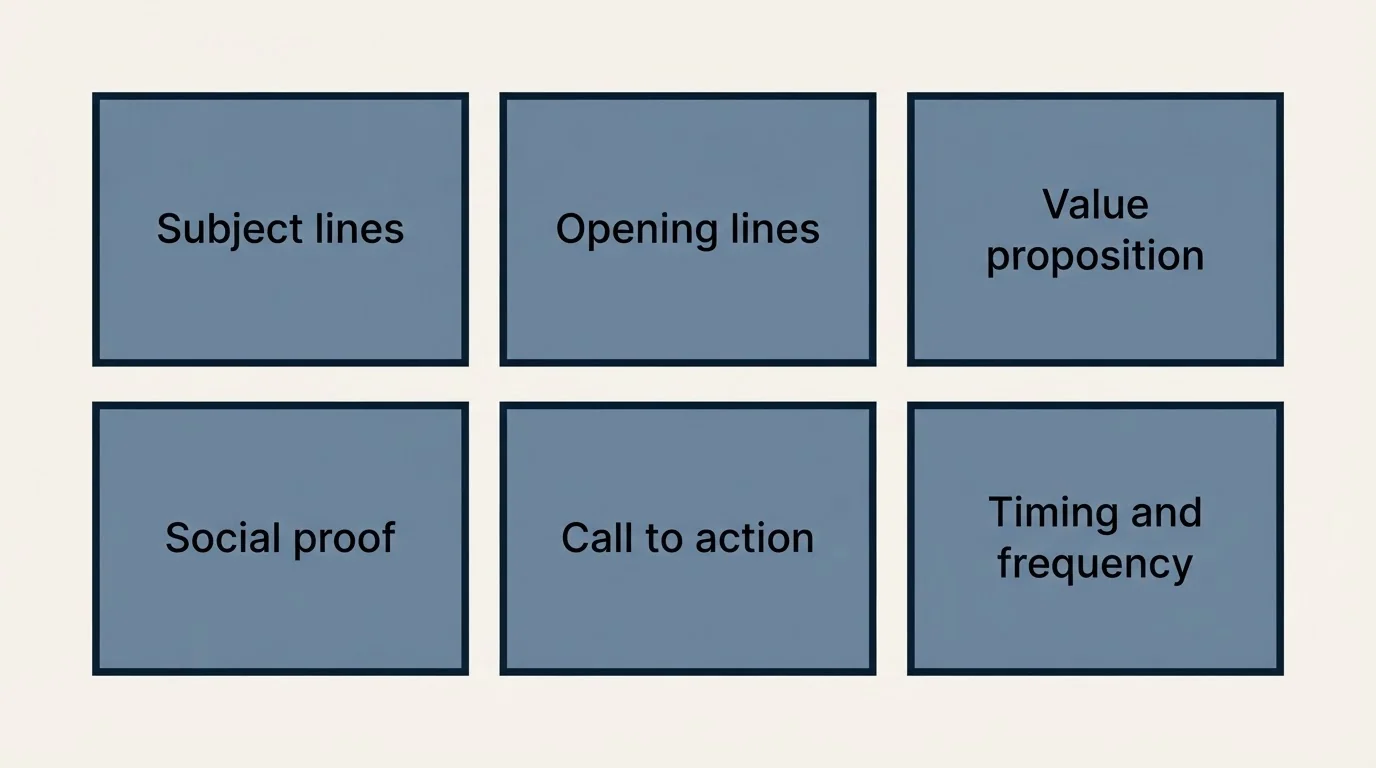
The principles of effective cold email apply to agriculture, but the execution requires industry-specific adaptation.
Subject Lines That Get Opened
Agricultural buyers respond to subject lines that demonstrate relevance and offer clear value. Avoid generic sales language and instead reference specific agricultural contexts.
Effective subject line approaches include seasonal references such as "Pre-planting question about your 2026 corn acres" and problem-specific hooks like "Cutting irrigation costs for California almond growers." Regional relevance works well with examples like "Nebraska farmer's solution to late blight" as do equipment and crop specificity with subjects like "Case IH integration for precision planting."
Keep subject lines under 50 characters for mobile preview and avoid spam triggers like "free," "act now," or excessive punctuation.
Email Copy That Converts
Agricultural buyers appreciate directness. Get to the point quickly and focus on practical outcomes rather than features.
Opening Lines
Skip the small talk and establish relevance immediately. Reference specific crops, livestock, acreage sizes, or regional challenges that apply to your recipient.
Strong openings might include statements like "Most corn-soybean operations in Iowa lose 3 to 5% of yield to compaction from field traffic" or "The Central Valley's new groundwater restrictions are creating irrigation challenges that didn't exist five years ago."
Value Proposition
Focus on outcomes that matter to agricultural operations including yield improvement, cost reduction, labor savings, and risk mitigation. Use specific numbers whenever possible.
For example: "Our soil sensors helped a 2,000-acre operation in Nebraska reduce nitrogen application by 18% while maintaining yield, saving over $14 per acre."
Social Proof
Reference other agricultural operations using your product or service. Geographic proximity and similar operation types increase relevance.
Consider statements like: "We currently work with 47 dairy operations across Wisconsin, including three cooperatives with a combined 12,000 head."
Call to Action
Make your ask simple and low-commitment. Agricultural buyers are busy and hesitant about lengthy sales processes.
Effective CTAs include offers such as "I put together a one-page summary of how this works for cotton operations. Worth a look?" or "Can I send over a 5-minute video showing the installation process?"
Timing and Frequency
Send emails Tuesday through Thursday for best results. Monday morning email volume is high, and Friday emails often get lost before weekend farm activities.
Early morning (6 to 7 AM local time) catches farmers before field work begins. Late evening (8 to 9 PM) can work during busy seasons when farmers catch up on business after field work.
Space follow-ups appropriately based on seasonal intensity. During planting or harvest, a week between touches is minimum. During planning season, 3 to 4 days between emails is acceptable.
Compliance Considerations for Agricultural Email
Email compliance in agriculture follows the same fundamental rules as other B2B communication, with some unique considerations.
CAN-SPAM and GDPR Basics
All commercial emails must include a clear unsubscribe mechanism, your physical mailing address, and accurate header information. These requirements apply regardless of industry.
For international agricultural markets, particularly when reaching European farmers or AgTech companies, GDPR applies to any personally identifiable information including email addresses.
Agricultural Privacy Considerations
Farm data privacy has become a significant concern in agriculture. Farmers are increasingly protective of operational data including yields, input usage, and financial information.
When collecting information through email responses, be transparent about data usage. Never share farm-specific information with competitors or use it for purposes beyond the stated intent.
Association and Publication Partnerships
Many agricultural associations and publications rent or sell email lists to vetted vendors. Using these lists typically requires compliance with the organization's terms, which may include approval of email content, frequency limitations, and proper attribution.
Working through official channels often provides better deliverability and opens doors that cold outreach alone cannot.
Real Agriculture Cold Email Examples
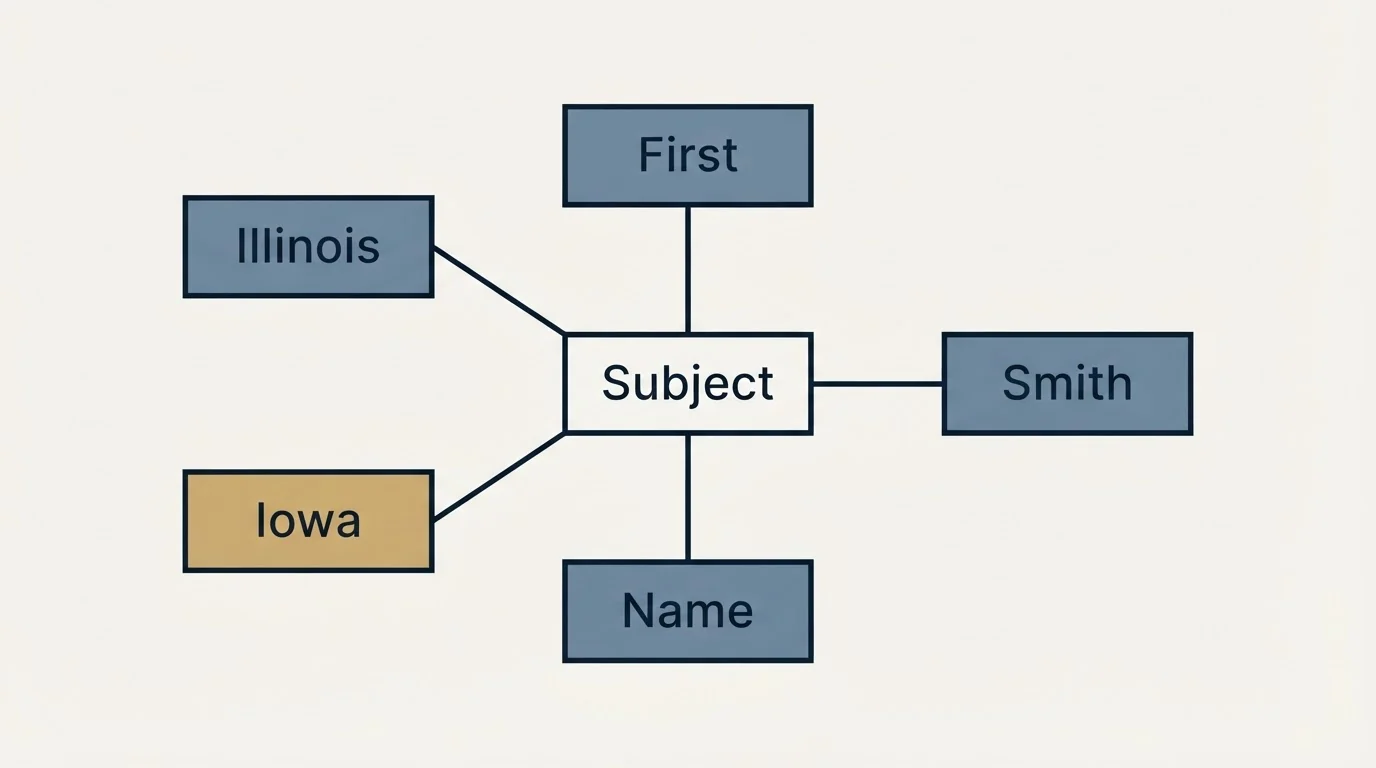
The following examples demonstrate effective cold email for different agricultural buyer types. These are templates you can adapt to your specific offering.
Example 1: Farm Input Sales to Row Crop Operators
Subject: Question about your 2026 soybean acres
Hi [First Name],
With soybean futures holding above $12 for next year delivery, a lot of operations are looking at expanding bean acres. That makes seed treatment economics more important than ever.
We developed a biological seed treatment that's been tested across 15,000 acres in Illinois and Iowa over the past two seasons. The data shows an average yield bump of 2.3 bushels per acre compared to conventional treatments, with better early-season emergence in cold soils.
I put together a one-page summary with the trial data from operations similar in size to yours. Worth a look?
John Smith [Company Name] [Phone Number]
P.S. If you're working with an agronomist on seed decisions, happy to loop them in.
Example 2: AgTech Software to Precision Agriculture Operations
Subject: Connecting your [Current Platform] data to actionable prescriptions
Hi [First Name],
I noticed [Company Name] has been expanding your precision agriculture services across the Midwest. Congratulations on the recent partnership with [Dealer Name].
Many precision ag providers we work with struggle with the same bottleneck: collecting field data is easy, but turning it into variable-rate prescriptions fast enough for the application window is challenging. Our integration layer connects directly with Climate FieldView, John Deere Operations Center, and Ag Leader platforms, cutting prescription creation from days to hours.
[Customer Name], a precision ag company running 85,000 acres in Indiana, reduced their prescription turnaround by 73% last season using our system.
Would a 15-minute call to see if this fits your workflow make sense? I'm available Thursday or Friday morning.
Sarah Johnson [Company Name]
Example 3: Equipment to Agricultural Cooperative
Subject: Grain handling efficiency for your member facilities
Hi [First Name],
I work with agricultural cooperatives across the Upper Midwest on grain handling efficiency. Our auger systems are currently installed at 23 cooperative facilities in Minnesota and South Dakota.
The 2024 harvest projections from the USDA suggest another high-volume corn crop, which always creates bottlenecks at country elevators. The cooperatives using our systems processed 12% more bushels per hour on average compared to their previous equipment, reducing truck wait times and improving member satisfaction.
I'd like to send over a case study from [Similar Cooperative] that details their installation process and first-year results. Is that something that would be useful as you plan for next season?
Mike Williams [Company Name] [Phone Number]
Your Agriculture Cold Email Checklist
Use this checklist before launching any cold email campaign targeting agricultural buyers.
Pre-Campaign Research
- Identify specific crops, livestock, or agricultural segment for targeting
- Map the seasonal calendar for your target audience
- Research current commodity prices and market conditions
- Identify regional challenges (weather, regulations, pest pressure)
- Build a list of industry publications and associations for credibility
List Building
- Source contacts from agricultural databases (Farm Market iD, DTN, etc.)
- Verify email addresses for deliverability
- Segment by operation type, size, and geography
- Identify decision-maker roles (owner, manager, agronomist)
Email Content
- Write subject lines under 50 characters with agricultural relevance
- Open with specific, relevant statements (not questions)
- Include quantified value propositions
- Add social proof from similar agricultural operations
- Close with a low-commitment call to action
- Keep total length under 150 words
Technical Setup
- Test emails on mobile devices and slow connections
- Ensure landing pages load quickly
- Include a prominent phone number
- Set up proper email authentication (SPF, DKIM, DMARC)
Campaign Timing
- Schedule sends for Tuesday through Thursday
- Target early morning (6 to 7 AM) or evening (8 to 9 PM)
- Adjust follow-up frequency based on seasonal intensity
- Pause campaigns during peak planting and harvest periods
Compliance
- Include unsubscribe link and physical address
- Document consent and list sources
- Respect data privacy in follow-up communications
Where we differ from standard practice

Much of the advice on this page reflects how outbound is commonly run. We run it differently, and since this page sits on our site it is worth saying where the difference is and what it costs us.
- A sequence of messages to each prospect over several weeks
- Later messages often land in the same email thread
- Every contact is reached more than once, so a distracted reader gets another chance
- The later messages go only to people who did not answer the first
- Reputation cost accrues on the sending domain across everything else it sends
- One message, then that campaign is finished for that contact
- No thread replies and no bumps
- A non-responding audience becomes a new campaign with a genuinely different premise, not a reminder
- More of the work moves into targeting and into the one message
- We reach each contact less often, and that is the cost we accept
The reasoning is mechanical rather than moral. A follow-up arrives underneath a message the recipient has already seen and chosen not to answer, so it is delivered to the population most likely to mark it as spam, and the reputation cost of that lands on the sending domain across every campaign running on it. We set that cost against the replies a sequence recovers and decided the trade was not worth it. The full argument, with the numbers from our own campaigns, is in why we stopped using follow-ups.
Getting Started with Agriculture Cold Email
The agriculture and AgTech sector offers substantial opportunity for companies willing to invest in understanding its unique characteristics. The geographic spread of buyers makes traditional sales approaches expensive and inefficient, creating an opening for well-executed email campaigns.
Success requires patience and seasonal awareness. Unlike SaaS or professional services where buying can happen any time, agricultural purchases cluster around specific planning windows. Build campaigns that respect these rhythms, and you'll find agricultural buyers remarkably receptive to relevant outreach.
Start with a narrow focus: one crop type, one region, one buyer persona. Master that segment before expanding. The specificity required to earn trust in agriculture means generic, broad campaigns consistently underperform targeted efforts.
Ready to implement cold email for your agricultural product or service? RevenueFlow specializes in done-for-you B2B cold email campaigns, including list building, copywriting, and campaign management tailored to your target market.
Get Your Free Campaign Analysis to see how cold email could work for your agriculture or AgTech business.
Related Reading
Frequently asked questions.
Frequently asked questions- Why does cold email work well for reaching agricultural buyers?
- Cold email bridges the geographic gap created by 2 million U.S. farms spread across vast distances, making traditional field sales extremely time-consuming and expensive. Agricultural buyers have flatter organizational structures with fewer gatekeepers, so the person reading your email is often the decision-maker. Additionally, 87% of farmers use smartphones for business activities, and agricultural purchasing decisions are made months in advance during slower seasons when buyers have time to research options via email.
- Who are the main types of buyers in the agriculture industry?
- The four primary buyer types are farm operators (decision-makers for on-farm purchases, average age 57.5, focused on ROI and total cost of ownership), AgTech buyers (younger, digitally native professionals evaluating integration capabilities and scalability), agricultural cooperatives (organizations serving approximately 2 million farmer members with $200 billion in annual revenue), and agricultural service providers like crop consultants and equipment dealers. Each type has distinct decision-making processes and communication preferences that require tailored email approaches.
- What makes agricultural buyers different from typical B2B buyers?
- Agricultural buyers make decisions based on seasonal cycles, planning purchases months before actual need: farmers buy seeds in winter for spring planting and equipment during slower seasons. They emphasize total cost of ownership over purchase price and typically consult with agronomists, dealers, and neighboring farmers before major purchases. Unlike corporate buyers, agricultural professionals have direct access without multiple gatekeepers, and they value directness and substance over polished marketing language. Their decisions are also influenced by commodity prices, credit availability, and regional challenges specific to their crops or livestock.
- How important are agricultural cooperatives for B2B sales?
- Agricultural cooperatives represent high-value opportunities because they aggregate purchasing power for their members, meaning a single relationship can provide access to hundreds or thousands of farm operations. Cooperatives generate over $200 billion in annual revenue and serve approximately 2 million farmer members. However, they require longer evaluation periods, pilot programs, and formal RFP processes. Successful outreach to cooperatives emphasizes volume pricing, member benefit programs, and proven implementations with similar organizations rather than quick sales pitches.
About the author.

Fernando Cao is CEO at RevenueFlow, which builds and operates outbound revenue engines for B2B companies. Previously at Accenture Strategy. Studied at University of Bath.
Fernando Cao · CEO
Connect on LinkedIn →Explore more.
Ready to scale your outreach?
We build GTM engines that book real meetings. See the receipts.
Related articles.
Cold Email for Architecture Firms: 2026 Strategy Guide
Architecture firms buy on project phases rather than fiscal quarters. How to build a list, time the spec window, and write cold emails principals answer.
Cold Email for Trucking and Fleet Companies: 2026 Guide
How to reach carriers, fleet operators, and safety buyers with cold email: FMCSA-driven list building, trigger timing, four templates, and compliance.
Cold Email for Cannabis Companies: 2026 Strategy Guide
The April 2026 rescheduling order split cannabis buyers into two tax realities. Here is how to segment, list-build, and write cold email for each.
Cold Email for Private Equity Firms: 2026 Strategy Guide
How to run cold email into private equity: mapping fund-level and portfolio-level buyers, list sources, four templates, and PE-specific deliverability rules.
Cold Email for Wealth Management Firms: 2026 Strategy Guide
RIAs are 16,500+ mostly small firms with public Form ADV data, small buying committees, and a compliance gate. How to run cold email into wealth management.
Cold Email for Interior Design Firms: 2026 Strategy Guide
Commercial interior designers specify products they never buy. Here is how to build cold email that wins the specification, plus four templates.