Cold Email for Fitness: The Complete Guide
A comprehensive guide to cold email outreach for the fitness industry, covering gyms, studios, equipment manufacturers, and fitness technology companies with strategies for reaching fitness business owners and wellness decision-makers.
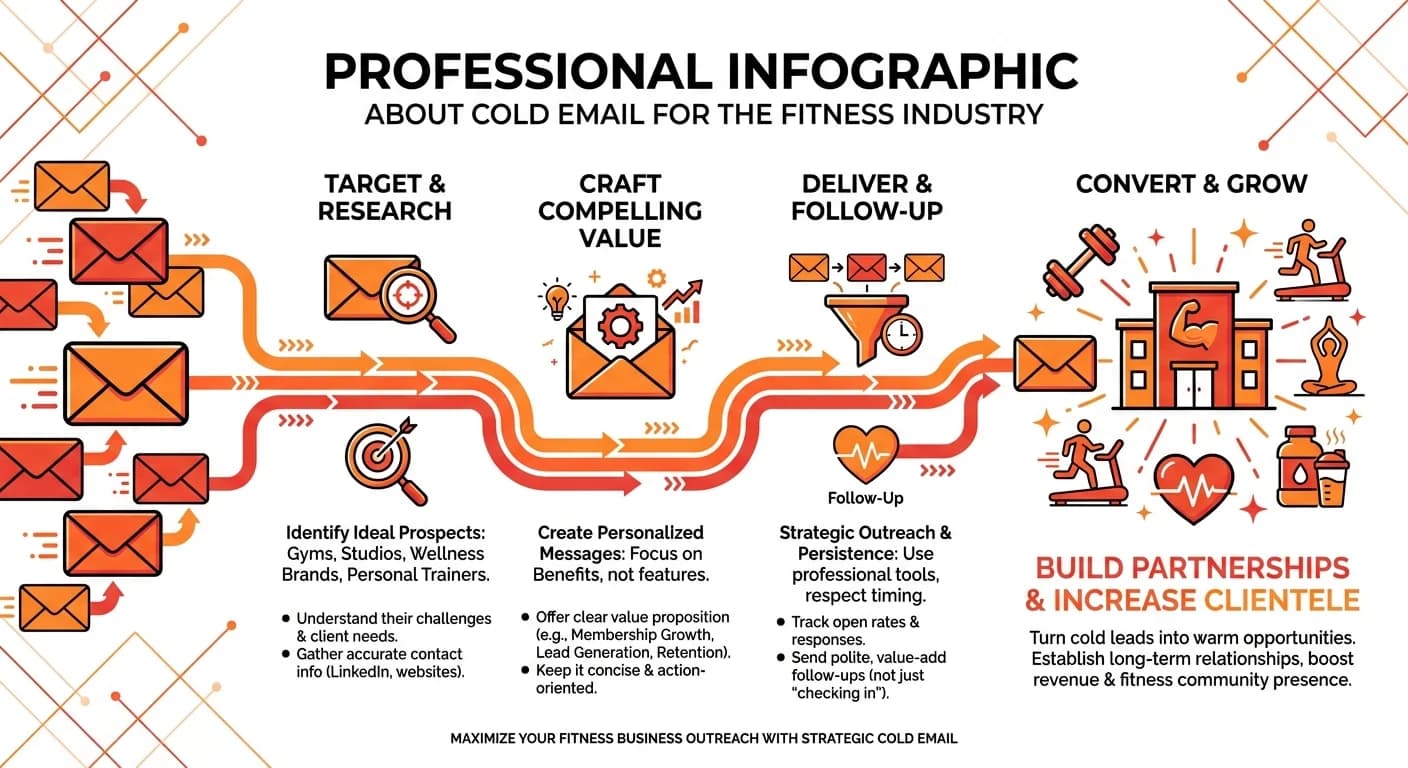
Cold email works effectively for fitness industry sales because decision-makers like gym owners and fitness directors are identifiable, manage multiple vendor relationships, and actively evaluate solutions for operations and member experience. The industry's fragmentation across independent gyms, franchises, boutique studios, and corporate wellness programs creates accessible market segments. Success requires understanding distinct buyer personas: independent owners prioritize cost-effectiveness and time savings, while multi-location operators value scalability and enterprise capabilities.
Key takeaways
- Fitness business decision-makers including gym owners, studio operators, and wellness managers maintain professional profiles that can be researched through industry databases and franchisee directories.
- Independent gym and studio owners make purchasing decisions personally and often quickly for smaller purchases, while major equipment or technology investments involve more deliberation.
- Multi-location fitness operators evaluate vendors based on scalability, consistency across locations, and enterprise pricing with decision processes involving operations, finance, and real estate teams.
- Corporate wellness directors typically involve HR leadership, procurement teams, and benefits committees in purchasing decisions, with enterprise sales cycles extending over months.
- The fitness industry's accelerating technology adoption for connected fitness, member management software, and digital engagement tools creates demand for vendors who understand operational requirements.
Reviewed and updated September 15, 2026
Cold Email for Fitness: The Complete Guide
The fitness industry has experienced substantial transformation, evolving from traditional gym models to encompass boutique studios, connected fitness platforms, corporate wellness programs, and hybrid digital-physical experiences. This evolution has created a dynamic B2B ecosystem where equipment manufacturers, technology providers, service companies, and specialty suppliers compete to serve fitness businesses of all sizes.
Cold email has proven to be a highly effective business development channel for companies serving the fitness industry. Whether you provide equipment, software, staffing, marketing services, or specialized solutions, proactive outreach to fitness business decision-makers accelerates relationship building and revenue growth.
This guide provides a comprehensive framework for implementing cold email campaigns that generate qualified opportunities within the fitness industry.
Why Cold Email Works for Fitness
The fitness industry's characteristics create favorable conditions for well-executed cold email outreach.
Decision-makers are identifiable and accessible. Gym owners, studio operators, fitness directors, and wellness managers maintain professional profiles and contact information that can be researched and verified through industry databases, franchisee directories, and professional networks.
Business owners manage multiple vendor relationships. Fitness businesses require equipment, software, supplies, services, and marketing support from multiple vendors. Decision-makers actively evaluate new solutions that improve operations or member experience.
Industry fragmentation creates opportunity. The fitness industry includes major chains, regional operators, independent gyms, boutique studios, and corporate wellness programs. This fragmentation means vendors can find market segments suited to their offerings.
Technology adoption is accelerating. Connected fitness, member management software, and digital engagement tools have become essential. Fitness businesses seek technology partners who understand their operational requirements.
Trade show coverage has limitations. While events like IHRSA and FIBO remain important, they occur infrequently and involve significant travel investment. Cold email maintains engagement between events and reaches operators who may not attend.
Understanding Fitness Industry Buyers
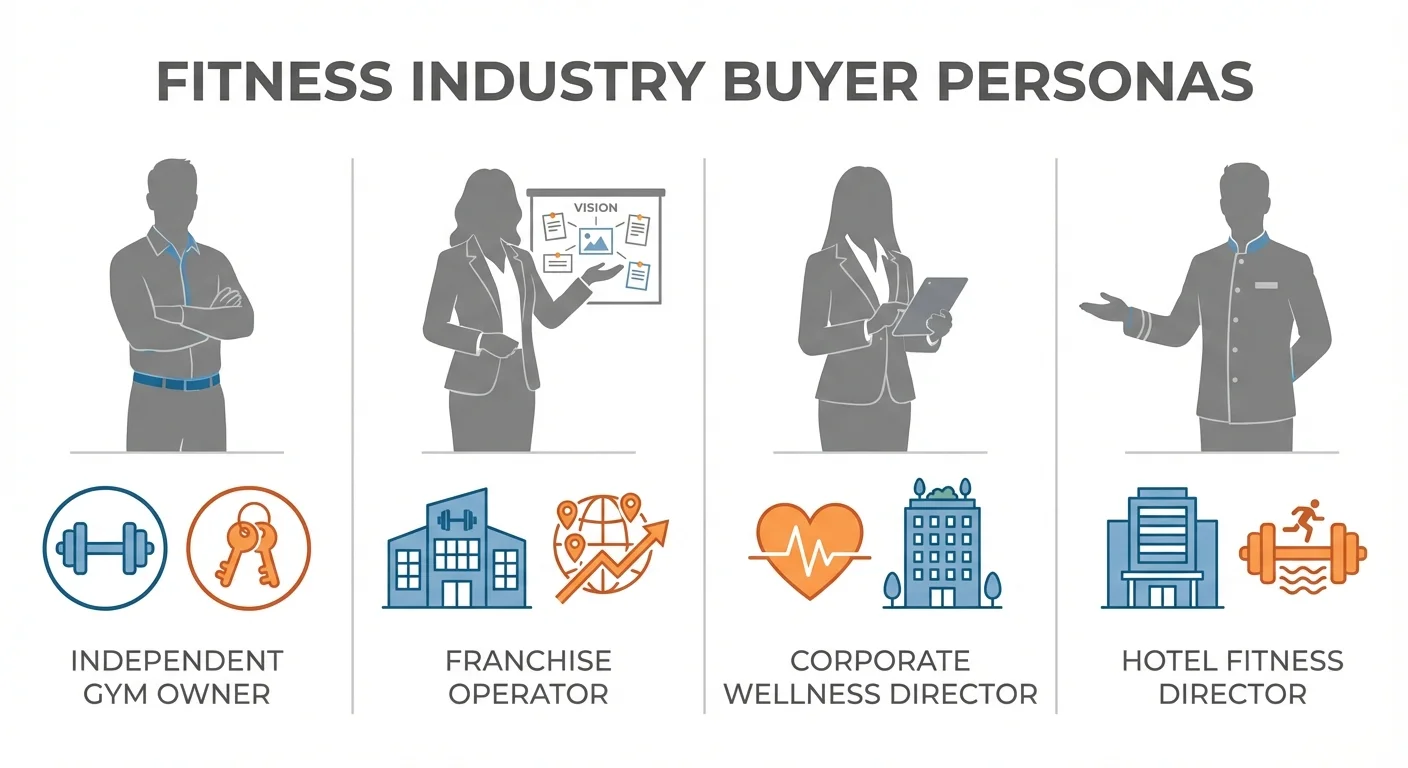
Effective cold email requires understanding the distinct roles, priorities, and decision-making patterns of fitness industry buyers.
Independent Gym and Studio Owners
Independent operators manage all aspects of their businesses, from member acquisition to equipment maintenance. They make purchasing decisions personally and value vendors who understand small business realities.
What they value: Cost-effectiveness, responsive service, solutions that save time, ease of implementation, and vendors who understand fitness business economics.
Communication preferences: Independent owners appreciate direct, practical communications that respect their time. They respond to emails that acknowledge the challenges of running a fitness business.
Decision-making patterns: Owners make decisions personally, often quickly for smaller purchases. Major equipment or technology investments may involve more deliberation and financing considerations.
Franchise and Multi-Location Operators
Multi-unit operators manage portfolios of fitness locations, balancing standardization requirements with local market considerations. They evaluate vendors based on scalability and enterprise capability.
What they value: Scalability, consistency across locations, enterprise pricing, centralized management capabilities, and proven track record with similar operators.
Communication preferences: Multi-location operators appreciate communications that acknowledge operational complexity and demonstrate experience with enterprise fitness accounts.
Decision-making patterns: Multi-unit decisions often involve multiple stakeholders including operations, finance, and real estate teams. Vendor standardization may require formal evaluation processes.
Corporate Wellness Directors
Corporate wellness professionals manage fitness programs within larger organizations, serving employee populations through on-site facilities or partner gym networks.
What they value: Program effectiveness metrics, employee engagement, vendor reliability, compliance with corporate procurement requirements, and reporting capabilities.
Communication preferences: Wellness directors respond to communications that connect fitness offerings to employee health outcomes and business metrics.
Decision-making patterns: Corporate wellness purchases typically involve HR leadership, procurement teams, and sometimes benefits committees. Enterprise sales cycles may extend over months.
Fitness Directors at Hotels, Resorts, and Multi-Use Facilities
Fitness directors within hospitality, residential, and multi-use properties manage fitness amenities that serve guests, residents, or members as part of broader property operations.
What they value: Quality appropriate to property positioning, equipment durability, service responsiveness, and solutions that enhance property value.
Communication preferences: Fitness directors at upscale properties appreciate communications that acknowledge the intersection of fitness and hospitality service standards.
Decision-making patterns: Purchasing decisions often involve property management, ownership groups, and management company standards. Capital expenditures require approval beyond the fitness director.
Fitness Industry Challenges in Cold Email Outreach
Cold email for the fitness industry faces unique obstacles that require thoughtful strategies.
Challenge 1: Diverse Business Models and Buyer Priorities
The fitness industry encompasses traditional gyms, boutique studios, corporate wellness, hospitality fitness, and connected fitness platforms. Each segment has distinct priorities and purchasing criteria.
Strategic response: Segment your outreach by business model and develop tailored messaging for each segment. Avoid generic fitness industry messaging that fails to resonate with specific buyer types.
Practical application: Create separate email campaigns for independent gyms, boutique studios, multi-location operators, and corporate wellness. Reference challenges and opportunities specific to each segment.
Challenge 2: Price Sensitivity and Budget Constraints
Many fitness businesses operate on thin margins, particularly independent operators. Price sensitivity can be significant, and budget constraints may delay purchasing decisions.
Strategic response: Address cost considerations directly by emphasizing value, ROI, and flexible purchasing options. Where possible, quantify the business impact of your solution.
Practical application: Include messaging about financing options, ROI calculations, or cost savings relative to alternatives. For premium offerings, emphasize quality and durability that justify investment.
Challenge 3: Technology Adoption Hesitancy
Some fitness business owners, particularly those who have operated traditional facilities for years, may be hesitant to adopt new technologies or change established processes.
Strategic response: Acknowledge that technology adoption requires change management. Emphasize ease of implementation, support availability, and success stories from similar businesses.
Practical application: Reference implementation support, training resources, and customer success examples. Address common concerns about complexity or disruption to operations.
Challenge 4: Seasonality and Cash Flow Patterns
Fitness businesses experience predictable seasonality with January spikes and summer slowdowns. Cash flow constraints during slow periods can delay purchasing decisions.
Strategic response: Time outreach to align with seasonal cash flow patterns and planning cycles. Understand when fitness businesses have budget availability and purchasing appetite.
Practical application: Increase outreach intensity in Q4 when operators plan for January, and in late Q1 when January revenue provides purchasing capacity. Adjust messaging during slow periods.
Challenge 5: Franchise and Corporate Approval Requirements
Franchise systems and corporate operators may have approved vendor lists, purchasing requirements, or standardization mandates that limit individual location decision-making.
Strategic response: Understand franchise and corporate structures before outreach. Target appropriate decision-making levels (corporate vs. franchisee) based on your offering and approval requirements.
Practical application: Research franchise relationships and corporate structures. When targeting franchisees, acknowledge franchise system context. When targeting corporate, emphasize enterprise capability.
Cold Email Best Practices for Fitness
Effective fitness industry cold emails combine sector knowledge with proven outreach principles.
Subject Lines That Get Opened
Fitness industry professionals receive numerous vendor emails. Subject lines must immediately establish relevance and value.
Effective approaches:
- Reference specific business challenges: "Reducing equipment maintenance costs for boutique studios"
- Mention specific business types: "Member retention software for CrossFit affiliates"
- Highlight operational benefits: "Automating front desk operations for 24-hour facilities"
- Connect to industry trends: "Connected fitness integration for traditional gym operators"
Approaches to avoid:
- Generic capability claims: "Leading fitness industry supplier"
- Aggressive sales language: "Special pricing on gym equipment"
- Vague value propositions: "Partnership opportunity for fitness business"
- Questions that feel manipulative: "Struggling with member retention?"
- Reference specific business challenges: Reducing equipment maintenance costs for boutique studios
- Mention specific business types: Member retention software for CrossFit affiliates
- Highlight operational benefits: Automating front desk operations for 24-hour facilities
- Connect to industry trends: Connected fitness integration for traditional gym operators
- Generic capability claims: Leading fitness industry supplier
- Aggressive sales language: Special pricing on gym equipment
- Vague value propositions: Partnership opportunity for fitness business
- Questions that feel manipulative: Struggling with member retention?
Email Copy Structure
Fitness industry cold emails should establish industry credibility, communicate specific value, and provide clear engagement paths.
Opening statement: Reference a specific challenge, trend, or opportunity relevant to the recipient's business type and size.
Credibility establishment: Within the first few sentences, establish why your company deserves attention. Include relevant fitness industry experience, customer references, and specific capabilities.
Value proposition: Clearly state what you offer and why it matters to fitness business operations. Focus on outcomes (revenue increase, cost reduction, member satisfaction improvement) rather than feature descriptions.
Call to action: Request a specific, appropriate next step. For fitness, this might be a demo, facility visit, or discovery call.
Signature: Include relevant credentials, certifications, and fitness industry affiliations in your signature block.
Timing Considerations
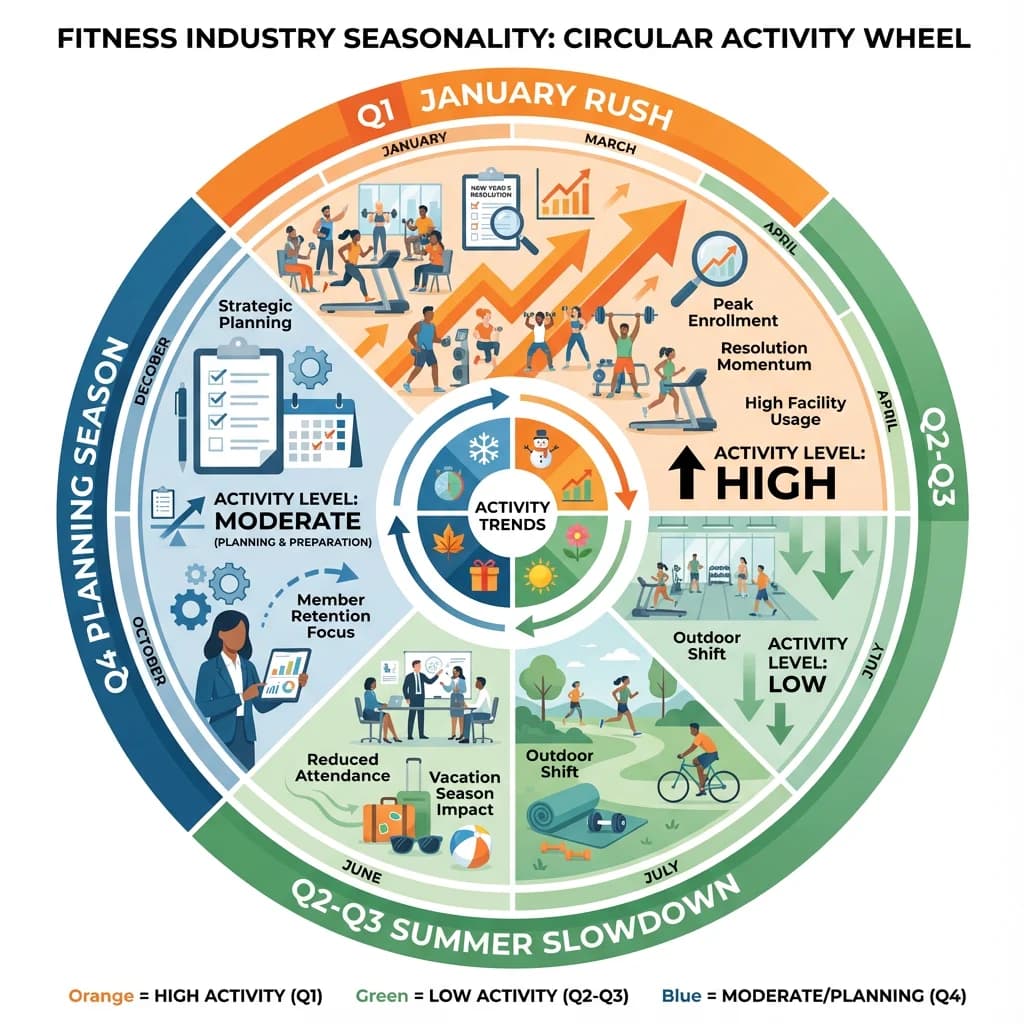
Fitness industry cold email timing should align with seasonal patterns and business planning cycles.
Optimal timing:
- Q4 (October-December) when operators plan for January
- Late Q1 (February-March) when January revenue is realized
- Before major industry events (IHRSA, FIBO)
- When expansion or renovation activity is announced
- During equipment refresh cycles (typically 5-7 year intervals for major equipment)
Timing to avoid:
- January (operators focused on new member onboarding)
- Summer months (lower revenue, reduced decision-making)
- Immediately following negative industry news affecting the recipient
Sample Cold Emails for Fitness
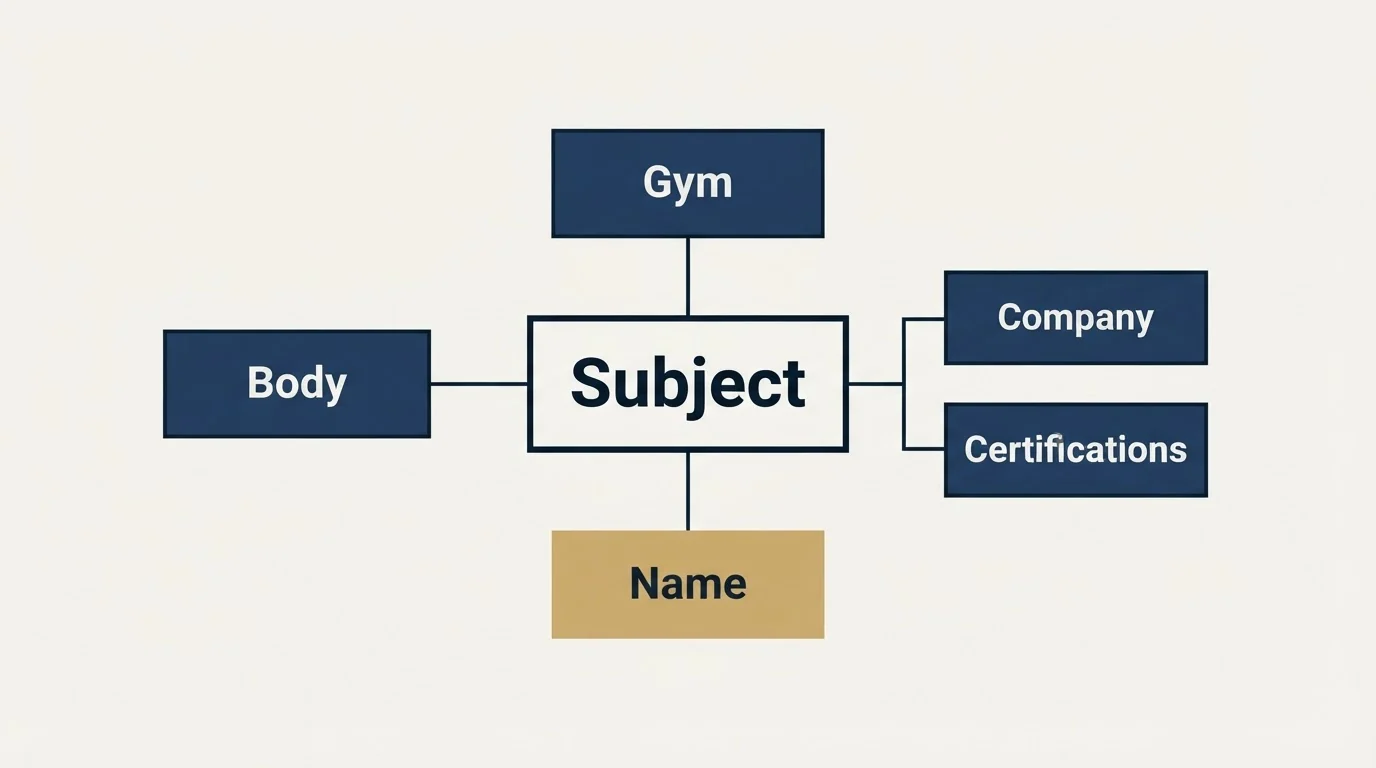
The following examples demonstrate effective cold email approaches for different fitness industry scenarios.
Example 1: Software Provider to Independent Gym Owner
Subject: Member management for single-location gyms like [Gym Name]
Body:
Many independent gym owners I work with mention frustration with software designed for large chains that includes complexity they do not need while lacking features important for their operations.
[Your Company] provides member management software purpose-built for independent fitness facilities. Our platform includes the billing, access control, and member communication features you need without enterprise complexity or enterprise pricing.
Current customers include over [number] independent gyms, and our average implementation takes less than [timeframe] with full data migration from your current system.
Would a brief demo be valuable to see how our platform might fit [Gym Name]'s operations?
Best regards, [Name] [Title] [Company]
Example 2: Equipment Manufacturer to Multi-Location Operator
Subject: Strength equipment standardization for [Company] locations
Body:
Multi-location operators often face challenges maintaining equipment consistency across facilities while managing maintenance and replacement cycles efficiently.
[Your Company] manufactures commercial strength training equipment deployed in over [number] fitness facilities nationwide. We offer enterprise programs that include standardized equipment specifications, volume pricing, and coordinated maintenance support across all locations.
Our equipment carries [warranty period] commercial warranty and is designed for the usage intensity of busy facilities.
Would a discussion about your equipment standardization and refresh planning be valuable?
Best regards, [Name] [Title] [Company] [Relevant Certifications]
Example 3: Staffing Agency to Boutique Studio Chain
Subject: Certified instructor staffing for boutique fitness expansion
Body:
Boutique studio growth often depends on finding qualified instructors who match your brand culture and can deliver consistent member experiences across locations.
[Your Company] specializes in fitness instructor placement for boutique concepts. We maintain a network of certified instructors in [specific disciplines] and use a matching process that considers both technical qualifications and brand fit.
Current clients include boutique concepts in [disciplines], and we have placed instructors at over [number] studio locations.
Would a conversation about your staffing needs and growth plans be helpful?
Best regards, [Name] [Title] [Company]
Example 4: Marketing Services to Gym Owner
Subject: Member acquisition marketing for [local area] fitness facilities
Body:
Independent gyms competing with national chains and boutique concepts need marketing approaches that highlight their unique value while reaching local prospects cost-effectively.
[Your Company] provides digital marketing services specifically for independent fitness facilities. We create and manage local marketing campaigns that drive membership leads through targeted digital advertising, social media, and search optimization.
Our fitness clients typically see [metric] improvement in lead generation within [timeframe] of engagement.
Would a brief marketing assessment for [Gym Name] be valuable?
Best regards, [Name] [Title] [Company]
Building Your Fitness Cold Email Program
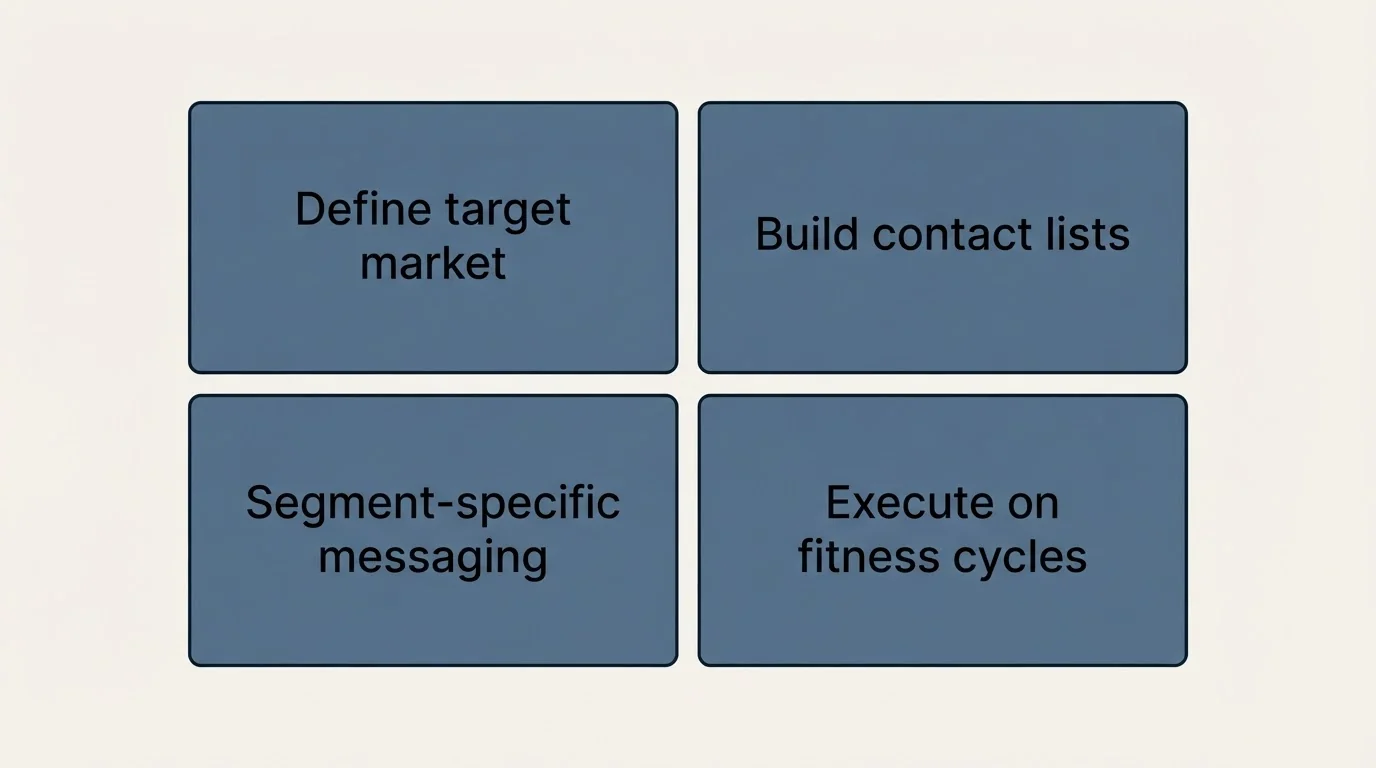
Implementing an effective fitness industry cold email program requires systematic approach to targeting, messaging, and execution.
Step 1: Define Your Target Market
Clearly identify which fitness segments represent your best opportunities based on offering fit, price positioning, and service capability.
Segmentation considerations:
- Facility type (traditional gym, boutique studio, corporate wellness, hospitality)
- Size and ownership structure (independent, franchise, chain)
- Geographic coverage
- Price positioning and budget alignment
- Technology adoption maturity
- Growth phase (established, expanding, startup)
Step 2: Build Targeted Contact Lists
Fitness industry contacts can be identified through multiple sources, including franchise directories, industry databases, LinkedIn, and local business listings.
High-value contact sources:
- Industry association member directories (IHRSA, AFS)
- Franchise disclosure documents and franchisee directories
- LinkedIn professional searches
- Local business databases
- Trade show attendee lists
- Fitness facility review sites
Verification requirements:
- Confirm current ownership and management
- Validate email addresses before sending
- Verify facility type and size alignment
Step 3: Develop Segment-Specific Messaging
Create email sequences that demonstrate genuine understanding of specific fitness business types and their operational realities.
Message development guidelines:
- Reference challenges specific to recipient's business model
- Include relevant customer examples from similar facilities
- Quantify impact with metrics meaningful to fitness operators
- Offer value appropriate to business size (demo vs. assessment vs. consultation)
Step 4: Execute with Fitness Cycles in Mind
Time campaign execution to align with fitness industry seasonal patterns and planning cycles.
Execution considerations:
- Align with seasonal revenue patterns
- Monitor expansion announcements and new facility openings
- Track franchise system news and corporate initiatives
- Coordinate with industry event schedules
- Step 1Define your target market
Segment on facility type, size and ownership structure, geographic coverage, price positioning, technology adoption maturity and growth phase.
- Step 2Build targeted contact lists
IHRSA and AFS member directories, franchise disclosure documents and franchisee directories, LinkedIn, local business databases, trade show attendee lists. Confirm current ownership and validate every address.
- Step 3Develop segment-specific messaging
Reference challenges specific to the recipient's business model, include customer examples from similar facilities, and quantify impact with metrics meaningful to fitness operators.
- Step 4Execute with fitness cycles in mind
Align with seasonal revenue patterns, monitor expansion announcements and new facility openings, track franchise system news, and coordinate with industry event schedules.
Fitness Industry Cold Email Checklist
Before launching fitness industry cold email campaigns, verify the following:
Targeting accuracy:
- Facility type and size appropriate for offering
- Decision-maker roles confirmed
- Email addresses validated
- Geographic targeting appropriate
Message quality:
- Subject line specific to fitness business type
- Opening acknowledges recipient's business model
- Value proposition relevant to fitness operations
- Call to action appropriate and achievable
- Professional tone maintained throughout
Industry credibility:
- Fitness industry experience referenced
- Relevant customer examples included
- Industry-specific metrics used
- Understanding of fitness business economics demonstrated
Technical setup:
- Email authentication configured
- Reply handling process established
- Demo or consultation process ready
- CRM tracking functional
Getting Started with Fitness Cold Email
The fitness industry offers significant opportunities for vendors who understand its diverse segments and can reach decision-makers effectively. Cold email provides direct access to gym owners, studio operators, and wellness directors who may not discover your solutions through traditional marketing channels.
Success requires segment-specific understanding that informs relevant messaging, patience to navigate seasonal patterns and budget cycles, and relationship building that establishes trust with fitness business operators.
RevenueFlow specializes in cold email campaigns for fitness industry companies. Our team understands the diverse business models, seasonal dynamics, and decision-making patterns that drive success in fitness industry business development.
Get your free cold email campaign and start reaching fitness industry decision-makers →
Related Reading
Frequently asked questions.
Frequently asked questions- Why does cold email work well for fitness industry sales?
- Cold email works well for fitness sales because decision-makers are identifiable and accessible, fitness businesses require multiple vendor relationships for equipment, software, and services, and industry fragmentation creates market opportunities. Technology adoption is accelerating, making fitness businesses actively seek solutions. Trade shows occur infrequently, so cold email maintains engagement between events and reaches operators who may not attend industry conferences.
- What do independent gym owners look for when evaluating vendors?
- Independent gym and studio owners value cost-effectiveness, responsive service, time-saving solutions, ease of implementation, and vendors who understand fitness business economics. They manage all aspects of their businesses personally and appreciate direct, practical communications that respect their time and acknowledge the challenges of running a fitness business. They make purchasing decisions personally, often quickly for smaller purchases.
- How do multi-location fitness operators make purchasing decisions?
- Multi-location fitness operators make decisions involving multiple stakeholders including operations, finance, and real estate teams. They evaluate vendors based on scalability, consistency across locations, enterprise pricing, centralized management capabilities, and proven track record with similar operators. Vendor standardization may require formal evaluation processes, and they appreciate communications that acknowledge operational complexity and demonstrate experience with enterprise fitness accounts.
- What should I know about selling to corporate wellness directors?
- Corporate wellness directors manage fitness programs within larger organizations and value program effectiveness metrics, employee engagement, vendor reliability, compliance with corporate procurement requirements, and reporting capabilities. They respond to communications connecting fitness offerings to employee health outcomes and business metrics. Purchasing typically involves HR leadership, procurement teams, and sometimes benefits committees, with enterprise sales cycles extending over months.
About the author.

Fernando Cao is CEO at RevenueFlow, which builds and operates outbound revenue engines for B2B companies. Previously at Accenture Strategy. Studied at University of Bath.
Fernando Cao · CEO
Connect on LinkedIn →Explore more.
Ready to scale your outreach?
We build GTM engines that book real meetings. See the receipts.
Related articles.
Cold Email for Maintenance Services: The Complete Guide
A comprehensive guide to cold email outreach for commercial maintenance companies, covering how to reach facility managers, property managers, and operations directors with messaging that wins preventive maintenance and repair contracts.
Cold Email for Staffing Agencies: The Complete Guide
A comprehensive guide to cold email outreach for staffing and temp agencies, covering how to reach HR directors, hiring managers, and operations leaders with messaging that wins temporary staffing, contract placement, and direct hire business.
Cold Email for Telecom: Reaching Carriers and MSPs
Telecom companies face rapid technology changes and competitive pressures. Here's how to approach cold email outreach to carriers, MSPs, and UCaaS providers.
Cold Email for Electronics Companies: The Complete Guide
A comprehensive guide to cold email outreach for electronics manufacturers, component suppliers, and EMS providers, covering buyer personas, OEM relationships, contract manufacturing, and proven strategies for reaching engineers, procurement managers, and supply chain leaders.
Cold Email for Security Services: The Complete Guide
A comprehensive guide to cold email outreach for security service providers, covering how to reach facility managers, corporate security directors, and property managers with messaging that builds trust and wins contracts.
Cold Email for Cloud Services: The Complete Guide
Learn how to effectively reach decision-makers at cloud service providers and enterprises adopting cloud infrastructure. This guide covers targeting strategies, technical credibility, and email templates for the cloud services industry.