10 Referral Request Email Templates for B2B Sales
Referrals convert better than cold outreach. Here are templates for asking clients, partners, and contacts for introductions to potential customers.
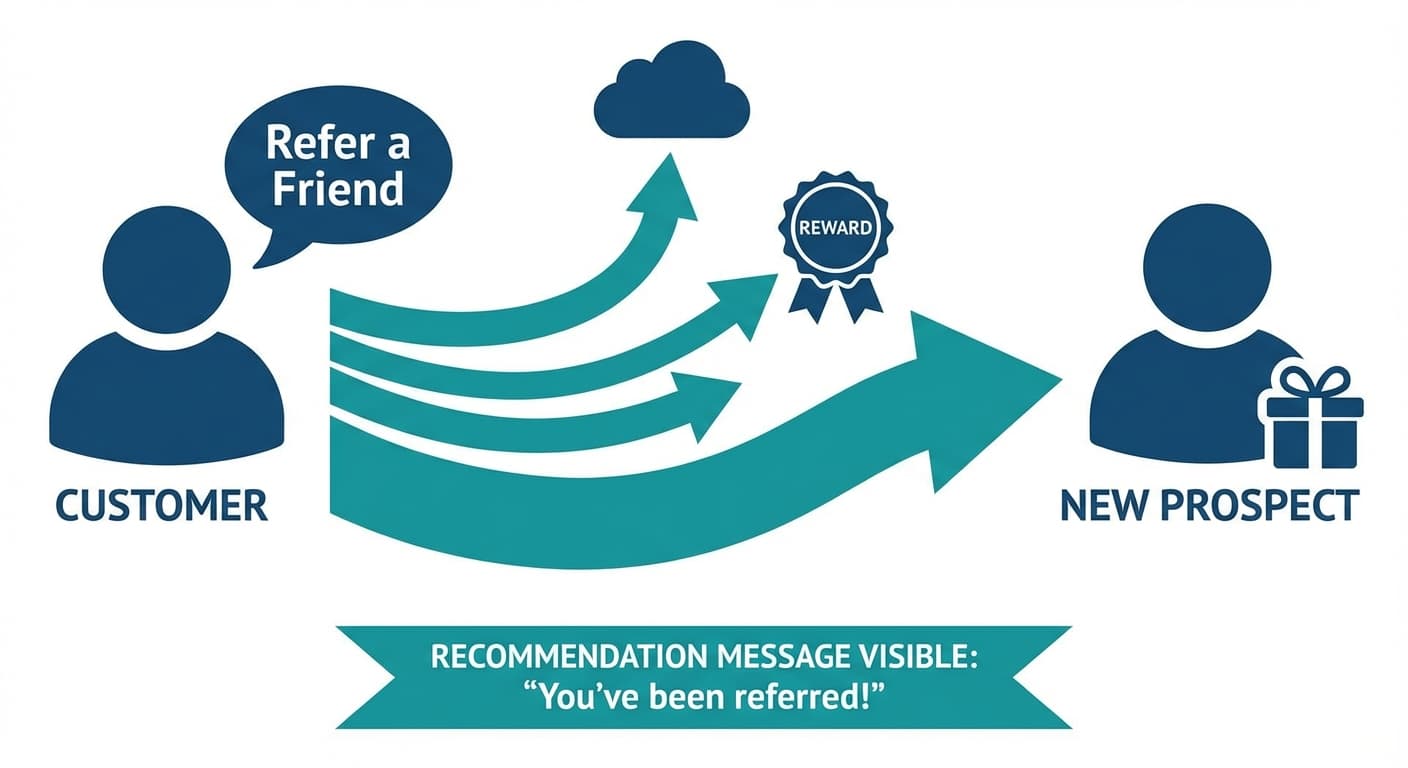
Referrals convert better than cold outreach in B2B because they come with transferred trust from the introducer, bypass gatekeepers by reaching decision-makers directly, and create reciprocal obligation. Effective referral requests require specificity about target contacts, minimal friction by offering to draft introduction emails, clear explanation of prospect value, and well-timed asks after delivering results. The ideal moment is immediately after achieving a positive outcome when the client is experiencing satisfaction.
Key takeaways
- Referral requests should specify exact criteria such as job title and company characteristics rather than vague asks like 'anyone who might need our services'.
- The biggest barrier to getting referrals is friction, so offering to draft the introduction email yourself dramatically increases response rates.
- The optimal timing for referral requests is immediately after delivering clear value or completing a successful project when client satisfaction is highest.
- Referrals bypass gatekeepers because introductions typically go directly to decision-makers rather than getting stuck at lower organizational levels.
- Every referral request should explain the value to the prospect rather than focusing only on your needs, helping the referrer feel confident about making the connection.
Reviewed and updated September 15, 2026
10 Referral Request Email Templates for B2B Sales
Referrals are the highest-converting source of new business in B2B. When a trusted contact introduces you to a prospect, the conversation starts with built-in credibility. You skip the skepticism that comes with cold outreach.
Yet most B2B companies leave referrals to chance. They hope happy clients will mention them to colleagues. They wait for introductions that never come. Meanwhile, their competitors are systematically asking for referrals and building pipelines from warm introductions.
This guide provides 10 templates for requesting referrals across different situations, along with the principles that make referral requests successful.
Why Referral Requests Work
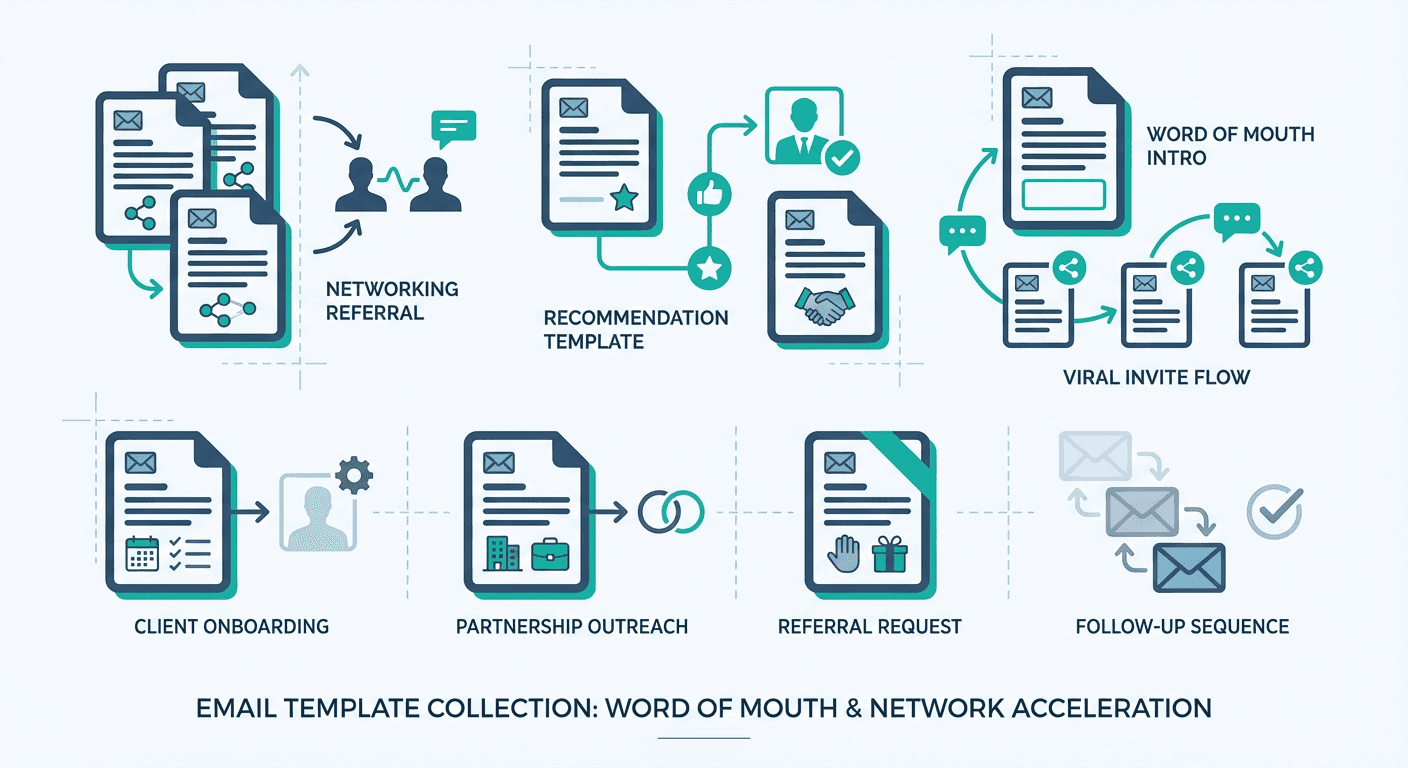
Before diving into templates, understand why asking for referrals is so effective.
First, referrals come with transferred trust. When someone recommends you, they lend you their credibility. The prospect does not need to evaluate you from scratch. They trust the judgment of the person who made the introduction.
Second, referrals reach decision makers. Cold outreach often gets stuck at the gatekeeper level. Referrals bypass this because introductions typically go directly to the right person.
Third, referrals have context. The person making the introduction usually explains why they thought of you. The prospect arrives with some understanding of what you do and why it might be relevant.
Finally, referrals create reciprocal obligation. When someone receives an introduction from a trusted contact, they feel some obligation to at least respond. This dramatically increases response rates compared to cold outreach.
Core Principles for Referral Requests
These principles apply across all referral situations.
Asked as how to ask for referrals in sales, the timing decides more than the wording does, and one boundary belongs alongside the five principles because most guides leave it out. A referral ask is a separate motion from a campaign rather than a follow-up to one. Asking somebody who has never replied to you for an introduction is a bump wearing a different subject line, and it reaches the population least likely to want either. The ask belongs where there is a result to point at.
Make It Easy
The biggest barrier to getting referrals is friction. If asking for a referral requires effort, people will intend to help but never follow through.
Your request should make referring as easy as possible. Provide specific details about who you want to meet. Offer to draft an introduction email they can forward. Remove every obstacle between intention and action.
Be Specific About Who You Want
Vague requests generate vague results. "Do you know anyone who might need our services?" forces the other person to do the mental work of figuring out who fits.
Specific requests generate specific referrals. "Do you know any VP of Marketing at SaaS companies with 50-200 employees?" gives them a clear filter to apply to their network.
Explain the Value to the Prospect
People hesitate to make introductions when they are unsure if the connection will be valuable. They do not want to waste their contact's time or damage their reputation.
Your request should make it clear why the introduction benefits the prospect, not just you. Frame it around the value you can provide to their contact.
Time Your Request Well
Asking for referrals at the wrong time kills your chances. Request referrals when you have delivered clear value and the relationship is strong. Do not ask too early in the relationship or during stressful periods.
The best moment is often right after you have achieved a positive outcome for the client. They are feeling good about the relationship and have a concrete success to reference.
Express Gratitude Regardless of Outcome
Whether or not someone provides a referral, thank them for considering it. Some contacts will not have relevant connections. Others might not feel comfortable making introductions. That is fine. Maintain the relationship for future opportunities.
- Yes: Remove the friction: offer to draft the intro email they can forward
- Yes: Name exactly who you want, down to job title, company type and size
- Yes: Say what the introduction does for their contact, since that is the hesitation
- Yes: Ask once you have delivered clear value and the relationship is strong
- Yes: Thank them whether or not a referral comes
- No: Ask early in the relationship, or during a stressful period
Template 1: Asking a Happy Client for Referrals
Use this when: You have delivered excellent results and the client has expressed satisfaction.
Subject: Quick request
Body:
Hi [Name],
Thanks again for the kind words about our work together. It means a lot to know that [specific project or result] has made a real difference for [their company].
I wanted to ask: do you know any other [job title] at [company type] who are dealing with [problem you solve]? I would love an introduction if you think there might be a fit.
If anyone comes to mind, I am happy to draft an intro email you can send. No pressure at all if no one seems like the right fit.
Thanks for considering it.
[Your name]
Why this works:
- Opens by acknowledging their satisfaction (validates the ask)
- Specific about who you want to meet
- Offers to draft the intro (reduces friction)
- No-pressure closing (removes awkwardness)
Template 2: After Project Completion Success
Use this when: You have just finished a successful project and are wrapping up the engagement.
Subject: Thank you, and one question
Body:
Hi [Name],
As we wrap up the [project name], I wanted to thank you for being such a great partner throughout this process. Delivering [specific result] together has been a highlight of my year.
I have a question: one of the ways I grow my business is through introductions from clients who have seen the work firsthand. Is there anyone in your network who might benefit from similar results?
Ideal introductions would be [specific criteria, e.g., "heads of sales at B2B tech companies with teams of 10-30"].
If someone comes to mind, just let me know and I will send you a short blurb you can forward. And if not, no worries at all.
Thanks again for the partnership.
[Your name]
Why this works:
- Natural timing (project completion)
- Frames referrals as normal business practice
- Very specific about ideal introductions
- Offers to make it easy with a forwardable blurb
Template 3: Asking Partners for Referrals
Use this when: You have a partnership or collaborative relationship with another company.
Subject: Referral exchange idea
Body:
Hi [Name],
Our partnership has been working well, and I wanted to explore taking it a step further.
I am looking to connect with more [target description]. Given your position at [their company], I imagine you interact with these folks regularly. Would you be open to making introductions when someone seems like a fit for what we do?
Of course, this goes both ways. I am happy to refer people to you whenever I encounter [their ideal customer]. I have already sent a few leads your way informally, and I would like to be more intentional about it.
Let me know if this makes sense. We could set up a quick monthly check-in to exchange leads if that would help.
[Your name]
Why this works:
- Frames it as mutual value (not one-sided ask)
- Acknowledges existing informal referrals
- Proposes structure (monthly check-ins) to make it real
- Low-commitment initial ask
Template 4: Asking Investors for Introductions
Use this when: You have investors who are well-connected in your target market.
Subject: Help with intros
Body:
Hi [Name],
Things are going well at [Your Company]. We just [recent milestone or achievement], and our focus now is expanding our customer base in [target segment].
I am reaching out because your network includes a lot of [target description]. Would you be open to making a few introductions to folks you think might benefit from what we are building?
Specifically, I am looking for [specific criteria]. Anyone come to mind?
If you are comfortable, I can send over a short email you can forward, or I am happy to hop on a quick call to align on who might be the best fit from your network.
Thanks as always for your support.
[Your name]
Why this works:
- Updates them on progress (justifies the timing)
- Clear about what you are asking
- Very specific criteria
- Multiple options to make it easy
Template 5: Specific Introduction Request
Use this when: You have identified a specific person you want to meet and know someone who can introduce you.
Subject: Introduction to [Target Name]?
Body:
Hi [Name],
I noticed you are connected with [Target Name] at [Target Company]. I am trying to reach [him/her/them] because [specific reason, e.g., "we help companies like Target Company solve X problem"].
Would you be comfortable making an introduction? I understand if you do not know them well enough or would prefer not to. No pressure at all.
If you are open to it, here is a short blurb you could send:
Hi [Target Name],
I wanted to connect you with [Your Name] from [Your Company]. They help [brief description of what you do], and I thought there might be a fit given [reason].
I will let [Your Name] take it from here.
[Referrer Name]
Let me know either way. And if there is anyone I can introduce you to from my network, I am happy to return the favor.
[Your name]
Why this works:
- Extremely specific request
- Provides an out if they prefer not to
- Includes draft intro (maximum convenience)
- Offers reciprocity
Template 6: Asking Former Colleagues
Use this when: You want to leverage your professional network from previous roles.
Subject: Catching up, plus a request
Body:
Hi [Name],
Hope things are going well at [their company]. I have been meaning to reach out and reconnect.
I am now running [Your Company], where we help [target audience] with [what you do]. Things are going well, and I am looking to expand through warm introductions.
Given your role at [their company], I imagine you come across [target description] regularly. If you ever meet someone who might benefit from what we do, I would really appreciate an introduction.
Specifically, I am looking for [criteria]. But honestly, anyone dealing with [problem you solve] could be a fit.
Would love to catch up properly too. Free for coffee or a call sometime?
[Your name]
Why this works:
- Combines reconnection with the ask (natural)
- Explains the context of your new role
- Specific but not overly demanding
- Invites continued relationship
Template 7: Referral Request to Professional Network (LinkedIn Connections)
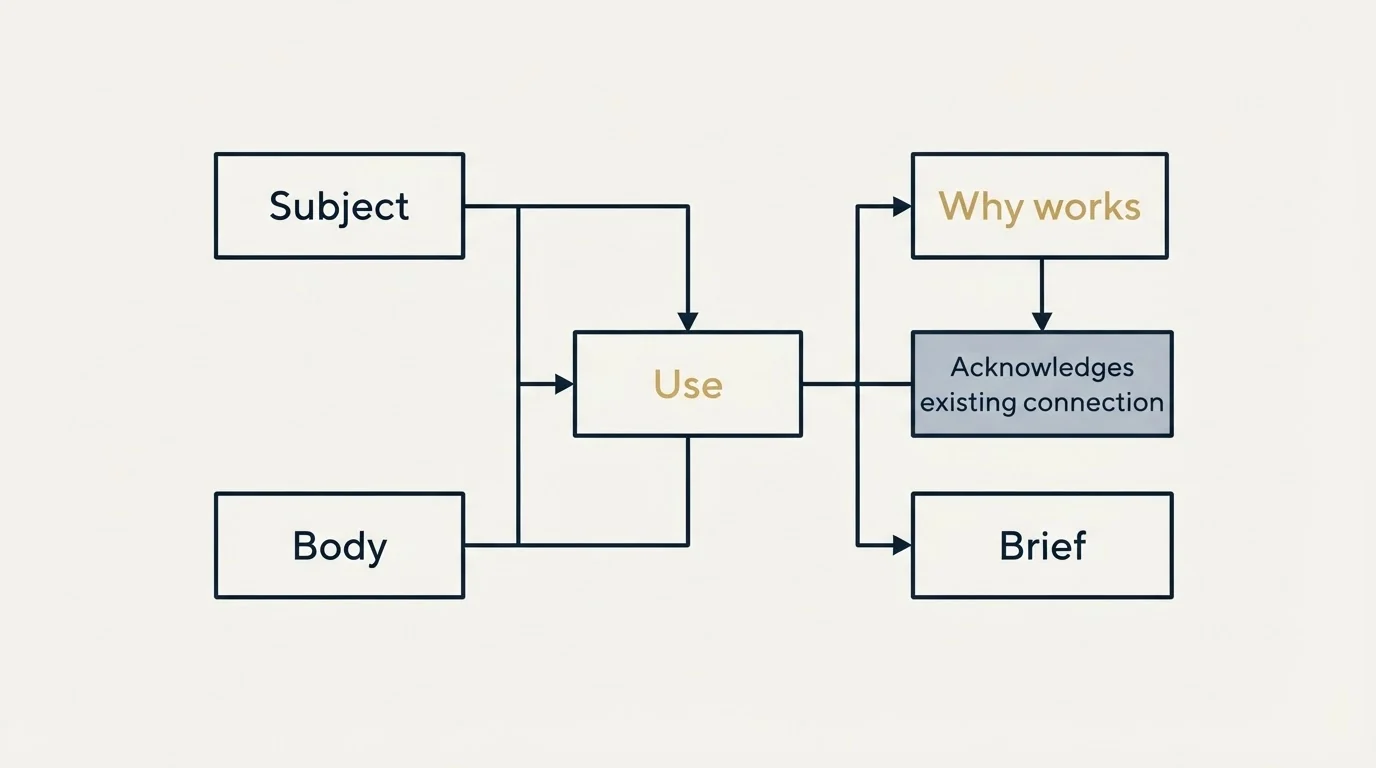
Use this when: You want to activate your broader professional network for referrals.
Subject: Quick favor to ask
Body:
Hi [Name],
We have been connected for a while, and I wanted to reach out about something.
I run [Your Company], where we help [target audience] with [what you do]. Our best customers come from referrals, and I am being more proactive about asking my network for introductions.
Based on your background in [their industry/role], I thought you might know people who fit what we are looking for: [specific criteria].
Anyone come to mind? If so, I would love an intro. If not, no worries at all. Just wanted to put it out there.
[Your name]
Why this works:
- Acknowledges the existing connection
- Brief and respectful of their time
- Specific criteria to filter their thinking
- Low-pressure closing
Template 8: After a Testimonial or Case Study

Use this when: A client has just provided a testimonial or participated in a case study.
Subject: Thank you, and one more ask
Body:
Hi [Name],
Thank you for taking the time to [provide the testimonial / participate in the case study]. It means a lot to have your endorsement, and I know it will help us build trust with future clients.
Since you have already invested in helping us, I wanted to ask: are there people in your network who should know about us?
The case study highlights [specific results], which resonates most with [specific audience]. If you know any [job title] at [company type] who are dealing with similar challenges, I would really appreciate an introduction.
I can draft something for you to send if that helps. And of course, let me know if there is anything I can do to support you or [their company] in return.
Thanks again.
[Your name]
Why this works:
- Builds on existing investment (they already said yes to something)
- Connects the ask to the content they just created
- Specific about who would benefit
- Offers reciprocity
Template 9: Asking for Referrals After Solving a Problem
Use this when: You have just helped a client through a challenging situation with a good outcome.
Subject: Glad we got through that
Body:
Hi [Name],
I am really glad we were able to [resolve the issue / deliver the result / overcome the challenge]. I know it was a stressful situation, and I am proud of what we accomplished together.
Situations like this remind me why I do this work. I would love to help more [job title / company type] who are facing similar challenges.
Do you know anyone in a similar position who could use help with [problem area]? If so, I would appreciate an introduction. If not, no worries. Just glad we could help you through this one.
[Your name]
Why this works:
- Natural timing (right after a win)
- Emotional resonance (shared accomplishment)
- Focuses on helping others, not just getting business
- Low-pressure close
Template 10: Annual Referral Check-In with Long-Term Clients
Use this when: You have a long-standing client relationship and want to make referral requests a regular practice.
Subject: Annual check-in
Body:
Hi [Name],
Hard to believe we have been working together for [time period]. I wanted to take a moment to thank you for your continued partnership. Working with [their company] has been one of the highlights of building [Your Company].
Once a year, I like to check in with my best clients and ask: is there anyone in your network I should meet?
The people who benefit most from our work are [specific criteria]. If anyone comes to mind, I would love an introduction. And as always, if there is anyone in my network who could help you, I am happy to make connections in return.
Thanks for everything.
[Your name]
Why this works:
- Establishes this as a normal annual practice
- Reinforces the long-term relationship
- Specific but open-ended
- Reciprocal offer
Follow-Up Strategy for Referral Requests
What happens if your client or contact does not respond to your referral request?
Wait Before Following Up
Give them at least a week before following up. Referral requests are not urgent, and following up too quickly feels pushy. People need time to think about their network.
Follow Up Gently
When you do follow up, keep it light. Do not make them feel guilty for not responding.
Follow-up example:
Hi [Name],
Just wanted to follow up on my note from last week about potential introductions. I know you are busy, so no pressure at all. If anyone does come to mind, I would love to hear about it.
Thanks again either way.
[Your name]
Accept Non-Response Gracefully
If they do not respond to your follow-up, let it go. They either do not have relevant connections or are not comfortable making introductions. That is okay. Do not damage the relationship by pushing further.
Track and Revisit

Keep track of who you have asked and when. You can revisit the request in 6-12 months when circumstances might be different. New people join their network. Projects complete. Situations change.
Common Mistakes in Referral Requests
Avoid these errors that kill referral opportunities.
Asking Too Early
Requesting referrals before you have delivered value puts the relationship at risk. The other person has no basis for recommending you. Wait until you have concrete results to point to.
Being Vague
"Know anyone who might need our services?" is too broad. It forces the other person to figure out who might fit. Be specific about job titles, company types, problems, and industries.
Making It All About You
Framing your request around your needs ("I am trying to grow my business") rather than the value you can provide to prospects ("I can help them solve X") makes people hesitant to refer.
Not Making It Easy
If fulfilling your request requires effort, it will not happen. Provide draft emails. Be specific about who you want to meet. Remove every barrier between intention and action.
Forgetting to Say Thank You
Whether or not someone provides a referral, thank them for considering it. And when they do make an introduction, express gratitude regardless of whether it leads to business. This encourages future referrals.
Never Asking at All
The biggest mistake is never asking. Most satisfied clients and contacts are happy to make introductions. They simply do not think about it unless prompted. Ask, and you will receive far more referrals than you would by waiting passively.
- Do you know anyone who might need our services
- Forces them to work out for themselves who fits
- Framed around your need to grow the business
- Requires effort, so the intention never turns into an introduction
- Do you know any VP of Marketing at SaaS companies with 50 to 200 employees
- Gives them a clear filter to apply to their network
- Framed around the value you can provide to their contact
- Arrives with a short blurb they can forward as it stands
Building a Systematic Referral Program
Individual referral requests are valuable. A systematic approach to referrals is transformational.
Identify Your Referral Sources
Make a list of everyone who could potentially refer business to you: current clients, past clients, partners, vendors, investors, former colleagues, professional connections. Prioritize by relationship strength and network relevance.
Create Trigger Points
Define when you will ask for referrals. After successful project completion. When a client expresses satisfaction. During quarterly business reviews. At annual relationship milestones. Having defined triggers ensures you ask consistently.
Make It Part of Your Process
Build referral requests into your standard client workflow. Add them to project wrap-up checklists. Include them in QBR agendas. Schedule regular outreach to your referral network.
Track Everything
Track who you have asked, when, what they said, and what resulted. This data helps you improve your approach and identify your best referral sources.
Provide Value First
The best referral sources are people you have helped in some way. Look for opportunities to refer business to your network before asking for referrals in return. What goes around comes around.
Measuring Referral Program Success
Track these metrics to evaluate your referral program.
Referral Request Response Rate
What percentage of your referral requests get a response? A low response rate suggests your timing, targeting, or messaging needs improvement.
Introductions per Request
Of the people who respond, how many provide introductions? If people respond positively but do not follow through, you need to make the process easier.
Referral to Meeting Rate
What percentage of referral introductions convert to conversations? This should be high (above 50%) given the warm context. Lower rates suggest a disconnect between the referral and your actual offering.
Referral to Customer Rate
Of the referral conversations you have, how many become customers? This tells you whether you are getting referrals to the right people.
Lifetime Value of Referral Customers
Are customers acquired through referrals more valuable than those from other channels? Track revenue, retention, and satisfaction by acquisition source.
The base for your response rate
A low rate points at timing, targeting or messaging
Positive replies that stall here mean the process is still too much work
Where the referral-to-meeting rate should sit
Tells you whether introductions are reaching the right people, and whether their revenue, retention and satisfaction beat other channels
Bar widths are equal here because these stage values are not a single comparable measure.
Getting Started with Referral Requests
Referrals should be a core part of your business development strategy, not an afterthought. The clients and contacts who know you best are your most valuable resource for finding new business.
Start by identifying your five best potential referral sources. These are people who know your work, have relevant networks, and would be willing to help. Use these templates to reach out, customizing each message for the specific relationship.
Then build from there. Create triggers for when you ask. Track your outreach and results. Make referral requests a systematic practice rather than occasional requests.
If you want help building a comprehensive outreach strategy that includes referral programs alongside cold outreach, we work with B2B companies to create predictable pipelines from multiple channels.
Schedule a free strategy call to discuss:
- How to build a systematic referral program
- Combining referral outreach with cold email
- Creating triggers and processes that ensure consistent referral requests
- Tracking and optimizing your referral results
Schedule your free strategy call here.
Related Reading
Frequently asked questions.
Frequently asked questions- When is the best time to ask a client for referrals?
- The best time to ask for referrals is right after you have achieved a positive outcome or completed a successful project. At this moment, the client is experiencing satisfaction and has concrete results to reference when making introductions. Avoid asking too early in the relationship or during stressful periods. The client should have experienced clear value from working with you before you request introductions.
- How specific should I be when asking for referrals?
- Be extremely specific about who you want to meet. Instead of asking 'Do you know anyone who might need our services?', ask 'Do you know any VP of Marketing at SaaS companies with 50-200 employees?' Specific requests give the referrer a clear filter to apply to their network, while vague requests force them to do mental work figuring out who fits. Specificity generates actionable referrals rather than vague promises.
- Why do referrals convert better than cold outreach in B2B?
- Referrals convert better because they come with transferred trust from the introducer, meaning prospects do not need to evaluate you from scratch. They bypass gatekeepers by going directly to decision-makers, arrive with context about why the connection is relevant, and create reciprocal obligation where the prospect feels compelled to at least respond. These factors combine to produce dramatically higher response and conversion rates compared to cold outreach.
- How can I make it easier for someone to refer me?
- Remove all friction by offering to draft the introduction email they can simply forward. Provide specific details about who you want to meet so they do not have to figure it out. Clearly explain the value the introduction will provide to their contact, not just to you. The goal is to reduce the effort required from intention to action, making it as easy as possible for them to help you.
- What should I do if someone does not provide a referral?
- Thank them for considering your request regardless of whether they provide a referral. Some contacts genuinely will not have relevant connections, while others may not feel comfortable making introductions. Express gratitude anyway and maintain the relationship for future opportunities. Never pressure or show disappointment, as this damages the relationship and eliminates any chance of future referrals.
About the author.

Ben Carden is CRO at RevenueFlow, which builds and operates outbound revenue engines for B2B companies. Previously at Gartner Enterprise. Studied at London School of Economics.
Ben Carden · CRO
Connect on LinkedIn →Explore more.
Ready to scale your outreach?
We build GTM engines that book real meetings. See the receipts.
Related articles.
10 B2B Cold Email Templates for One-Message Sends
Ten B2B cold email templates written for a single send, with the four slot structure underneath them and the test that separates a good example from a bad one.
Cold Email Templates for Customer Success Managers
Eleven cold email templates for customer success managers, covering champion change, expansion, renewal rescue, and win-back, with subject lines and timing.
14 Renewal Email Templates That Retain Customers
Master subscription and contract renewals with 14 proven email templates. Reduce churn, lock in renewals early, and maintain customer relationships.
13 Case Study Request Email Templates That Get Results
Get proven email templates for requesting case studies, video testimonials, and written reviews from your happiest customers. Includes templates for every stage from initial ask to final approval.
Email Subject Line Capitalization: What the Guides Say
What the style authorities actually rule on subject line case, what the published tests measured, and the default for a one to one sales email.
Follow-Up Call Scripts: Nine Calls Into a Live Conversation
Nine follow-up call scripts, each tied to the event that earns the call, from a demo to a renewal, plus the four moves they share and how each call should end.