The Nooks Dialer: A Calling Floor With a Platform Attached
The distinctive thing Nooks sells is the room the dialer sits in. That decides whether it fits your team far more than the dialing does.
Nooks sells a parallel and power dialer wrapped in a virtual salesfloor, live battlecards and a named spam-protection layer of rotation, carrier registration and reputation monitoring. It integrates with rather than replaces CRM, engagement and contact-data vendors, and publishes no pricing on any surface.
Key takeaways
- The Virtual Salesfloor, whisper coaching and live battlecards are what separate this product from a pure dialer, and they only pay off with enough reps dialing in the same window for the room to be occupied.
- Spam protection is named as three separate things on the product page, rotation, carrier registration and reputation monitoring, of which only monitoring produces information rather than protection.
- The integration list names Salesforce, HubSpot, Salesloft, Groove, Apollo, Cognism, LeadIQ, Datagma, ZoomInfo and Gong, which describes a stack the platform expects to sit inside rather than replace.
- Nooks publishes no prices and routes to a custom quote, so seat growth terms and whether any data allowance is pooled or per seat belong in writing before signing.
Reviewed and updated October 1, 2026
The most distinctive thing Nooks sells is not the dialer. It is the room the dialer sits in. The company's AI Dialer page describes a Virtual Salesfloor that "lets sellers shadow live calls, get whisper-coaching from managers, and celebrate wins," and frames the goal as recreating "the energy of the bullpen." Everything else on the page is a competent parallel dialer. That framing is the thing to evaluate, because it decides whether the product fits a distributed sales development team or is largely wasted on one.
RevenueFlow already covers the prioritisation layer that sits above this product in our write-up of Nooks AI Prospector, which is the piece that decides which accounts get worked. This page is about the calling surface underneath it: what the dialer does, what protects the numbers, and what the platform assumes you are still paying for elsewhere.
The dialing half, in the vendor's own terms
Nooks runs both modes. Its AI Dialer page offers "high-volume parallel sessions or strategic one-to-one outreach," and the page's own summary of the value is that dialing busywork gets automated: "dropping voicemails, taking notes, and logging next steps so reps don't break their flow," with what the vendor calls instantaneous bridge times and pickup detection in milliseconds.
On infrastructure it claims "carrier-grade infrastructure with 99.99% uptime, instant call bridging, and zero-latency audio on every call." That uptime figure is the vendor's own published claim rather than a measured one, and it is the sort of number worth asking to see in a service agreement rather than on a marketing page, because the contractual version usually carries different wording.
The mechanics of parallel dialing itself, and specifically how to choose a line count rather than accept a maximum, are the same across every vendor in this category and are set out in our piece on parallel dialing. Nooks does not publish a line ceiling on the page.
The spam layer is a named product surface
Number reputation is the recurring cost of any high-volume calling programme, and Nooks treats it as a component rather than as advice. The AI Dialer page lists Spam Protection alongside the dialer, describing it as "Automatic rotation, carrier registration, and reputation monitoring" that help sustain performance week after week.
Those three are the right three, and it is useful to see them named separately, because they fail in different ways. Rotation spreads volume so no single number acquires a label. Carrier registration puts the number into the verification programmes that stop it being flagged as unknown. Monitoring is the part that tells you a number has already been labelled, which is the only one of the three that produces information rather than protection.
The question for a buyer is what happens when monitoring finds a labelled number: whether replacement is automatic, whether replacements are metered, and who pays for the inventory. Vendors in this category answer that differently and the answer is rarely on the product page, which is why it belongs on the evaluation list rather than in the assumptions.
- Yes: Parallel and power dialing modes, both listed on the product page
- Yes: Spam protection as rotation, carrier registration and reputation monitoring
- Yes: Virtual Salesfloor for shadowing and whisper coaching
- Yes: Live Battlecards triggered by competitor or objection mentions
- No: The maximum number of parallel lines
- No: Any price, on any plan, anywhere on the pricing page
Live battlecards, and the coaching surface
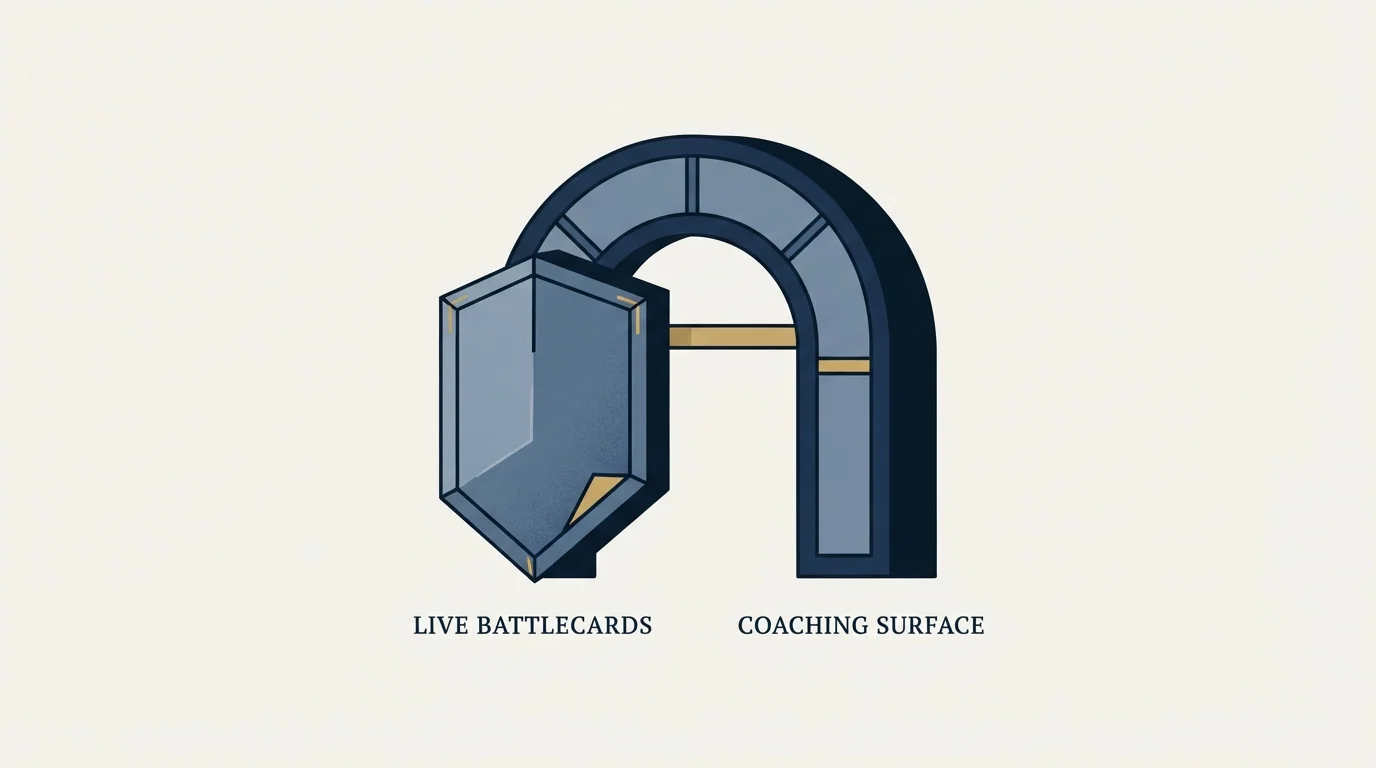
The second distinctive feature is real-time assistance during the call. The page describes Live Battlecards that "trigger instantly when a competitor or objection is mentioned, serving up proven talk tracks," positioned explicitly as stopping reps from freestyling.
This is worth separating into the part that is mechanical and the part that is editorial. Detecting a competitor name in a live transcript is a solved problem, and it is the same trigger mechanism that drives the tracker lists described in our page on what the recording layer can and cannot tell you. What gets served when the trigger fires is a piece of content somebody in your company has to write, keep current, and be accountable for.
That is the hidden work in every real-time enablement feature. The software supplies the timing. A stale talk track delivered at exactly the right moment is worse than no talk track, because the rep reads it out.
- Parallel and power dialing
- Virtual Salesfloor and live coaching
- Live battlecards during calls
- Spam protection as a named layer
- Sits under its own prioritisation product
- Parallel dialing, plan-gated at 5 or 10 lines
- Coaching sold as an add-on
- Published nine-seat minimum
- Assumes your sequencer stays in place
- No published price
- Quote-gated evaluation
- Designed around a team, not an individual
- Integrate rather than replace your CRM
The salesfloor question, which is really a management question
The Virtual Salesfloor is the feature most likely to be either the reason to buy or the reason not to, and it does not divide on company size so much as on how a team actually works.
It pays off where several reps dial in the same window, where a manager has the time to listen live, and where the team is distributed enough that the ambient version is unavailable. Those three conditions together describe a specific arrangement: scheduled call blocks, with attendance, run by someone whose job includes being in them. Teams that dial opportunistically between other work will find the room empty most of the time, and an empty salesfloor is a feature nobody opens twice.
It also carries a management implication worth naming before rollout rather than discovering afterwards. Shadowing and whisper coaching are supervision, and reps read them that way whatever the launch email says. Used as coaching, with agreed norms about when a manager listens and what happens afterwards, the tooling is genuinely useful. Used as monitoring, it produces reps who schedule their real calls outside the platform, which is both a data problem and a morale problem.
The cheap way to test this before signing is to run the call blocks first, without the software. If the team will not assemble for a scheduled dialing hour on a calendar invite, the salesfloor is not the missing piece.
What it assumes you are still paying for
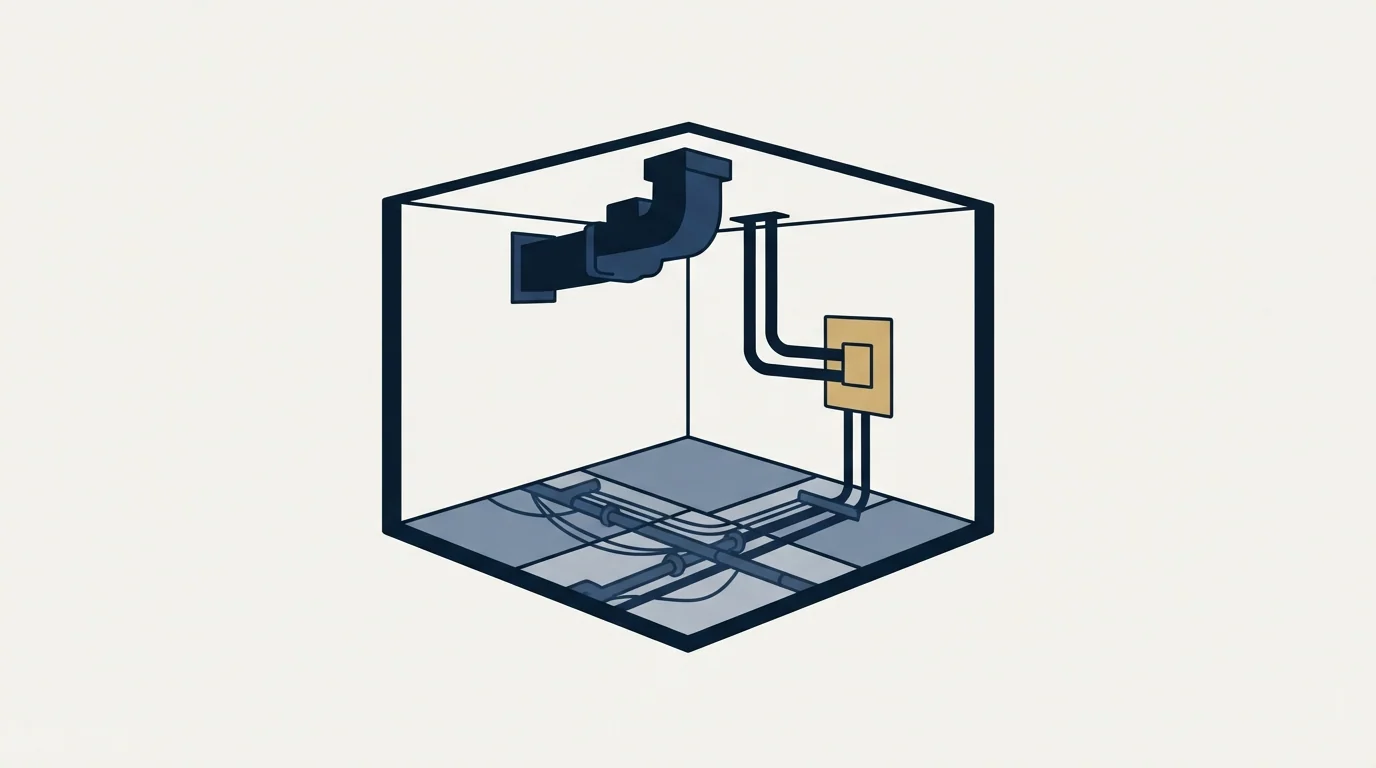
The integration list is the most commercially useful part of the page, because it describes the stack Nooks expects to sit inside rather than replace.
The named integrations include Salesforce and HubSpot for CRM, Salesloft and Groove for engagement, and Apollo, Cognism, LeadIQ, Datagma and ZoomInfo on the data side, plus Gong. The Salesloft entry is explicit about the division of labour: run parallel dialing on your Salesloft cadences and log every interaction back. The data entries describe enriching and prioritising with providers you have a relationship with.
The read for a budget is the same one our AI Prospector page reaches: the honest comparison is not the platform against your current stack, it is the platform plus your retained data subscriptions against your current stack. A team hoping a dialer purchase will let it cancel a contact-data contract should confirm that in the quote, because nothing on the product page implies it.
- Step 1Team shape
The salesfloor and coaching layers only pay off with enough simultaneous dialers
- Step 2Retained stack
Confirm which data and engagement contracts survive the purchase
- Step 3Line ceiling
Not published; ask, then size against your measured connect rate
- Step 4Number policy
Establish who replaces a labelled number and whether replacements are metered
- Step 5Quote
Pricing is a form and a conversation, so scope seat growth in writing
No published price, and what that implies
Nooks' pricing page carries no figures. It invites the reader to "Get in touch with the team to get a custom quote," which is consistent with what its other surfaces do and with what our AI Prospector write-up found on the same host.
Re-read on 2 September 2026, that page still carries no figure of any kind and still routes to a custom quote form, and it now opens with a banner stating that Nooks has acquired FullyRamped, an AI sales coaching platform.
For a platform priced on seats, dialing volume and which data package is attached, that is normal rather than evasive. It does mean the evaluation starts with a scoped quote, and two variables are worth pinning in writing before signing: what happens to the price as seats grow, and whether any bundled data allowance is per seat or pooled across the team.
The vendor also publishes a set of named-customer outcome claims on the dialer page, attributed to leaders at companies including Greenhouse, HubSpot and Drata. Read those as what the vendor chose to publish about its best results, in the same way any reference list should be read. They are useful for identifying who to ask for a reference call, and they are not a forecast.
Who it is built for, and where we differ

The product shape answers the buyer question. A dialer with a virtual salesfloor, whisper coaching, leaderboards and live battlecards is designed for a sales development organisation with managers in it. A team of two or three sellers will use the dialing and leave most of the rest untouched, while the quote reflects the whole platform. That is the same conclusion the AI Prospector page reached from the other direction, and the two products share it because they share a design assumption.
The two dialers a Nooks shortlist usually runs against publish their constraints even though neither publishes a rate: read on 2 September 2026, Orum states a nine seat minimum and up to ten parallel lines on its plan panel, while Koncert describes its parallel dialer as running one to four lines.
RevenueFlow runs cold email and LinkedIn rather than the phone, so the calling half of this platform sits outside our own practice and is described here from the vendor's published pages. The second divergence is structural and worth stating plainly. The platform's engagement product runs the multi-step shape that is standard across the category. We send one message per campaign, with no bumps and no thread replies.
If the constraint is the number of qualified conversations rather than the speed of dialling through a list, that is the half we run in writing: see what a first campaign produces, and size the calling investment against a known reply volume rather than a projected connect rate.
Product surfaces, integration names, infrastructure claims and pricing behaviour quoted from nooks.ai/ai-dialer and nooks.ai/pricing, fetched 17 August 2026. Nooks publishes no prices; outcome figures on the vendor's pages are its own attributed customer claims. Verify current terms with the vendor before relying on them.
Frequently asked questions.
Frequently asked questions- What is the Nooks virtual salesfloor?
- A shared live calling environment. The vendor describes it as letting sellers shadow live calls, get whisper-coaching from managers and celebrate wins, with the stated aim of recreating the energy of a bullpen for distributed teams. It needs scheduled call blocks with attendance to be occupied, which is a management decision rather than a software one.
- How many parallel lines does the Nooks dialer run?
- The AI Dialer page does not publish a ceiling. It offers high-volume parallel sessions and one-to-one outreach without naming a maximum, so ask during evaluation and size the setting against your own measured connect rate rather than against whatever number the answer turns out to be.
- Does Nooks publish pricing?
- No. Its pricing page carries no figures and asks you to get in touch for a custom quote, which matches what its other surfaces do. For a platform priced on seats, dialing volume and attached data packages that is normal, but it means the evaluation begins with a scoped quote rather than a comparison.
- Does Nooks replace your sales engagement platform?
- Not on the evidence of the dialer page. Its Salesloft integration is described as running parallel dialing on your Salesloft cadences and logging interactions back, and the data integrations describe enriching with providers you already hold contracts with. Confirm in the quote which contracts actually end.
About the author.

B2B cold email experts helping companies generate qualified leads through done-for-you outreach campaigns.
RevenueFlow Team
Explore more.
Ready to scale your outreach?
We build GTM engines that book real meetings. See the receipts.
Related articles.
PhoneBurner Pricing: What the Seat Price Covers
PhoneBurner publishes all three seat prices in both billing states. The metered resource is contact imports, not minutes, and the spam layer is an add-on at every tier.
Koncert Dialers: Line Counts Published, Price Is Not
Koncert publishes the parallel line ceiling on every tier, which most of this category will not. It publishes no price. What its pages state, and what the quote decides.
Kixie's PowerDialer: Two Published Line Counts, No Price
Kixie's navigation advertises ten parallel lines. Its pricing table says four. The number in the plan table is the one you are buying.
Orum: The Nine-Seat Floor and Its Own Line Count
Orum's entry plan caps parallel dialing at five lines. Its support centre says its own team runs four to five. The upgrade buys other things.
Parallel Dialing: The Line Count Is the Whole Decision
Orum's help centre publishes the line count its own team uses, and it is half the ceiling its product page advertises. That gap is the whole subject.
Readymode Pricing: The Seat Is Dear for What Is Inside It
Readymode publishes $199 and $249 per licence per month, near the top of the dialer range. What the seat includes that others bill separately, and when that pays.