Close vs Freshsales: CRM Platform Comparison
Compare Close and Freshsales side by side. See pricing, features, and integrations to choose the right crm platform for your needs.
Close is a calling CRM from $19 per user a month, though Solo is limited to one user and 10k leads and a team starts at $49. Freshsales costs $9, $39 and $59 per user billed annually with no free plan, only a 21-day trial. The dialler decides the choice.
Key takeaways
- Freshsales publishes no free tier on its own pricing page, only a 21-day trial, correcting a claim this comparison previously carried.
- Close Solo at $19 a user is limited to 1 user and 10k leads with Workflows not included, so a team's real entry point is Essentials at $49.
- Freshsales headline prices of $9, $39 and $59 are annual rates, shown under a Save 20% Annually toggle that the page defaults to.
- Close bundles AI credits per user that refresh monthly with no rollover, while Freshsales sells Freddy AI as an add-on at $49 per 100 sessions.
Reviewed and updated September 1, 2026
Close vs Freshsales: CRM Platform Comparison
Close's Solo plan costs $19 per user a month and its own feature list says, in order, Limited to 1 user and Limited to 10k leads. Freshsales starts at $9 per user a month billed annually with no seat ceiling. Both are real CRMs at real prices, and the constraints attached to the cheaper-looking tiers are what actually separate them.
The Short Answer
Close is built for teams that dial. Calling, SMS and a Power Dialer are core rather than bolt-on, and the pricing reflects it: $49 per user a month at Essentials, which is the first tier that supports more than one person.
Freshsales is the broader and cheaper CRM, at $9, $39 and $59 per user a month billed annually, with Freddy AI and built-in phone across the range.
Another angle worth exploring is how Freshsales stacks up against a more visually driven pipeline tool in this comparison of Freshsales and Monday CRM.
Where they genuinely differ is what happens to a lead once it is in the system. Close assumes somebody is about to ring it. Freshsales assumes a longer, more email-shaped process with scoring and territory rules around it.
Where They Actually Differ
Close's pricing page is unusually candid about what the cheap tier is not. Solo is limited to one user and 10,000 leads, and Workflows are not included at all, which means the tier is a single-operator product rather than a small-team one.
Freshsales does not gate that way. Its Growth tier at $9 a user carries the pipeline, the built-in email and phone, and basic workflows, and it scales by adding users rather than by jumping a tier.
There is a second structural difference worth planning around. Close publishes AI credits per user per month and states that they refresh monthly with no rollover. Freshsales sells its AI as an add-on instead, at $49 per 100 Freddy AI Agent sessions, so the AI cost is visible and optional rather than bundled and metered.
Pricing Comparison
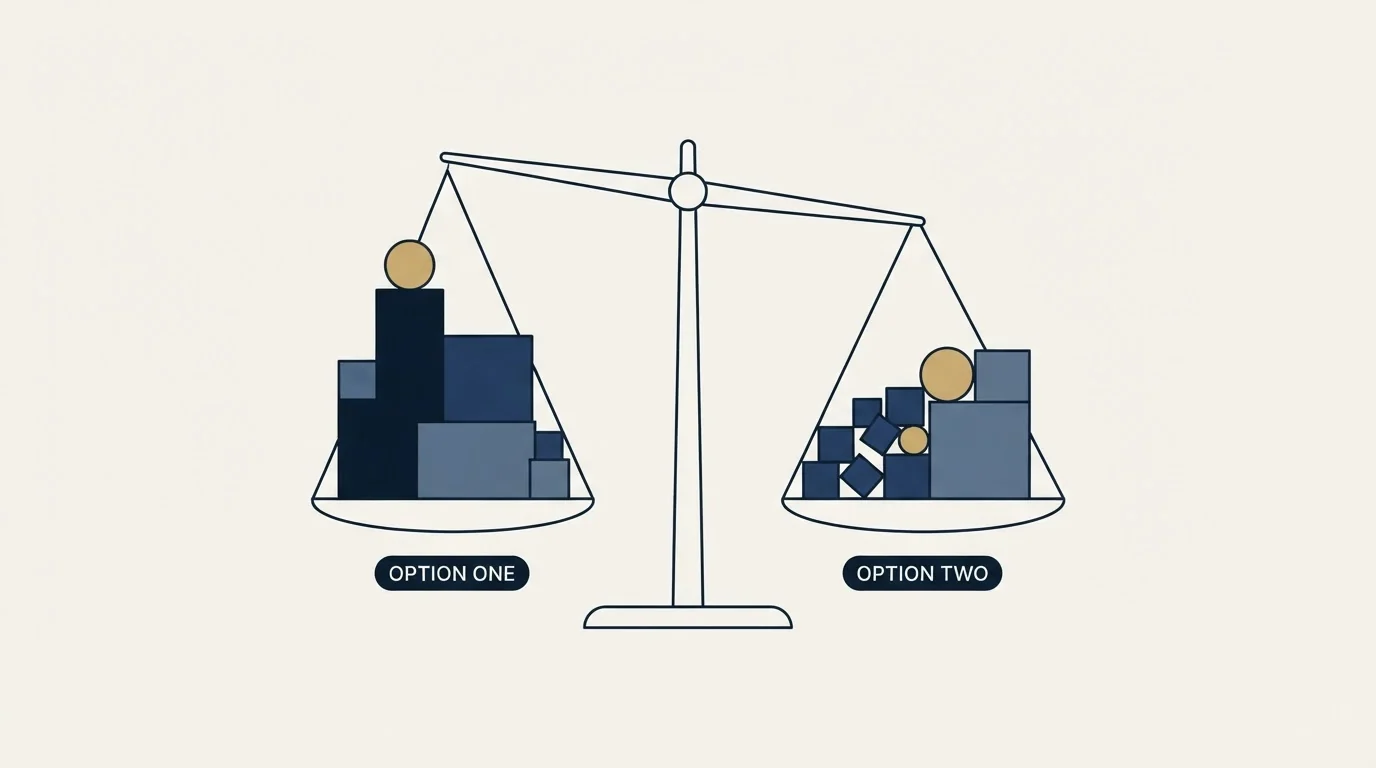
billed annually
1 user, 10k leads, no workflows
first multi-user tier
Close Pricing (as published mid-2026)
| Plan | Price |
|---|---|
| Solo | $19/mo |
| Essentials | $49/mo |
| Growth | $109/mo |
| Scale | $149/mo |
Billed annually the same four tiers run $9, $35, $99 and $139 per user per month, as published mid-2026.
Source: Close Pricing
Freshsales Pricing (as of mid-2026)
| Plan | Price |
|---|---|
| Growth | $9/mo |
| Pro | $39/mo |
| Enterprise | $59/mo |
Source: Freshsales Pricing
What The Ladders Actually Say
The live version of this section said Freshsales includes a free tier. Its own pricing page publishes no free plan: the ladder is Growth, Pro and Enterprise, and what the page offers instead is a 21-day trial. That claim has been removed.
The Freshsales figures are annual rates. Its page carries a Save 20% Annually toggle with the annual state shown by default, so $9, $39 and $59 are the discounted numbers and monthly billing costs more.
On Close, the real entry for a team is Essentials at $49 per user a month, since Solo is capped at one user. Close publishes annual rates beside the monthly ones as well, at $9 for Solo, $35 for Essentials and $99 for Growth.
Working Out What You Would Pay
Five salespeople, half of them on the phone daily. Invented shape, used to compare the two ladders rather than to describe anybody's account. Every number below that is not a published price is invented.
On Freshsales, five Pro seats at $39 billed annually is $195 a month. Pro is the tier carrying contact scoring, deal insights and sales sequences. Adding Freddy AI for genuine daily use is a separate line at $49 per 100 sessions, which for a team leaning on it is a meaningful addition rather than a rounding error.
On Close, five Essentials seats at $49 is $245 a month, or $175 at the published annual rate of $35. Essentials is the tier that adds built-in forms, email, calling and SMS, though Workflows still arrive higher up the ladder.
The two land within about fifty dollars of each other at five seats, which means price is not the deciding factor here. The dialler is.
Feature Overlap, Honestly
The chart below claimed each column listed capabilities the other product lacked. Both CRMs automate workflows and both send email from a pipeline, so several entries sat in both products under different names. The columns now say what they can support: what each vendor publishes about itself.
- Built-in calling with Power Dialer
- Native SMS messaging
- Predictive dialing
- AI Email Assistant
- Pipeline and activity reporting
- Role-based access and permissions
- AI credits per user, refreshed monthly
- Contact, account, and deal management
- Built-in email and phone with call recording
- Freddy AI lead scoring and deal insights
- Visual sales pipeline management
- Multiple pipeline support
- Advanced reporting and forecasting
- Territory management and auto-assignment
What Close Lists
The dialler entries are what a Close customer is really buying. Power Dialer and predictive dialing are the difference between a CRM that records calls and a CRM that makes them, and no amount of Freshsales configuration reproduces that.
The Apollo and Close workflow comparison explains how a data enrichment tool and an inside sales CRM often complement rather than compete with each other.
The AI credit model is the entry to read before budgeting. Close's page states that credits refresh monthly with no rollover and that additional credits are available, so a team with uneven months pays for peaks and loses the troughs.
What Freshsales Lists
Freshsales earns its price on the pipeline side. Territory management and auto-assignment matter the moment leads have to be routed to the right rep by region or segment, and that is usually the first thing a growing team discovers it needs.
Multiple pipeline support is the other quiet one. A business selling two different things through two different processes will hit a single-pipeline CRM within months.
Integrations

Close publishes Zapier, Slack, Gmail, Microsoft Outlook, Zoom, HubSpot, Segment and Calendly. The HubSpot entry is worth noticing, since it points at Close being used as a sales layer beside a marketing system rather than as the only database in the business.
Freshsales publishes the Freshworks Suite, Gmail, Microsoft Outlook, Slack, Zoom, Zapier, Segment and Shopify. The Freshworks Suite entry is the strategic one: a company already running Freshdesk gets a shared contact record, and that is a real reason to choose Freshsales that has nothing to do with sales features.
Who Should Pick Which
Pick Close when the team calls. The dialler, the SMS and the call-first workflow are the product, and a CRM that merely logs calls is a different tool.
Pick Freshsales when the process is longer and more automated than a call list. Scoring, territories and multiple pipelines all point at a business with segments and routing rules rather than a single queue.
Pick Freshsales if budget is genuinely tight and the team is more than one person, because Close Solo cannot hold a team and Close Essentials is five times the Freshsales Growth rate.
- Yes: Reps make outbound calls every day
- Yes: SMS is part of the follow-through
- No: Leads need routing by territory or segment
- No: More than one sales pipeline is needed
- Depends: More than one person needs access
- Depends: AI usage will be heavy and uneven month to month
Where Each One Sits In A Cold Outbound Stack
A CRM is the system of record at the end of a cold outbound stack, not the sending layer. Neither of these products holds outbound sending domains or warms mailboxes, and using either to blast cold volume from the team's own addresses is how a company damages the domain its invoices go out on.
What the CRM decides is what happens to a reply. Close's answer is that somebody calls it within the hour, and its whole design supports that. Freshsales' answer is that the lead is scored, routed and worked through a defined process.
RevenueFlow campaigns send one message per campaign, with no bumps and no thread replies, so the sequencing features in both CRMs are for post-reply conversations rather than for the outbound itself. Meetings are qualified against criteria agreed in writing before launch, which means the CRM's job is to make that agreed definition visible on the record rather than to invent a scoring model of its own.
Switching Between Them
Both CRMs export contacts, companies and deals cleanly, so the data move is the easy part. What does not move is automation: Close workflows and Freshsales workflows have no common format and have to be rebuilt by hand.
Moving to Close, expect to rebuild call outcomes and dispositions, because a call-centric CRM records more about a call than an email-centric one and the source fields will not exist.
Moving to Freshsales, the thing to plan is territory and assignment rules, which are usually held informally in a calling team and become explicit configuration in a routing-shaped CRM. Budget a week of somebody senior's attention for that alone.
Getting Started
- Count how many calls a rep makes in a normal week, since that settles most of this
- Note that Close Solo is limited to one user, so a team starts at Essentials
- Read the Freshsales rates as annual ones, because the page defaults to that toggle
- Price Freddy AI separately if the team will use it, at $49 per 100 sessions
- Trial Freshsales inside its 21-day window with real data, not sample records
- Compare on how quickly a new reply reaches the right person
The Bottom Line
Close is a calling CRM with a strong opinion about how sales works, and it charges for that opinion once a second person needs access. Freshsales is cheaper per seat, broader in routing and scoring, and sells its AI as an add-on rather than as metered credits.
Decide on the phone. A team that dials daily will be frustrated by Freshsales, and a team that does not will pay Close a premium for a dialler nobody opens.
Related Reading
- Best Close Alternatives in 2026
- Best Freshsales Alternatives in 2026
- Close vs Copper: CRM Platform Comparison
- Close vs Pipedrive: CRM Platform Comparison
- Copper vs Freshsales: CRM Platform Comparison
- B2B Prospecting: How the List Gets Built
If you would rather have the pipeline filled for you, RevenueFlow books qualified meetings on a pay-per-meeting basis and publishes client results.
Pricing and features are taken from the vendors' own pages. Verify current terms with the vendor before relying on them.
Frequently asked questions.
Frequently asked questions- Does Freshsales have a free plan?
- No. Its pricing page publishes three tiers, Growth, Pro and Enterprise, at $9, $39 and $59 per user a month billed annually, with a 21-day trial as the way to test the product. Any comparison claiming a Freshsales free tier is describing an older version of the ladder.
- Why does Close cost so much more per seat?
- Because a working Close team starts at Essentials rather than Solo. The $19 Solo plan is limited to one user and 10k leads and excludes Workflows, so the first multi-user tier is $49 a user a month. What that buys is a genuine dialler and SMS rather than call logging.
- How do Close's AI credits work?
- They are granted per user per month and, in the page's own words, refresh monthly with no rollover, with additional credits available to buy. The allowance rises with the tier. A team whose AI usage is spiky pays for the peak month and loses whatever it did not use in the quiet ones.
- Which is better for a team using outbound?
- Freshsales, marginally, because territory management and auto-assignment matter when replies arrive in volume and have to reach the right rep. Neither CRM sends cold email safely, since both would send from the team's own mailboxes rather than from dedicated warmed sending domains.
About the author.

Tim Carden is CMO / CTO at RevenueFlow, which builds and operates outbound revenue engines for B2B companies. Studied at McGill University.
Tim Carden · CMO / CTO
Connect on LinkedIn →Explore more.
Ready to scale your outreach?
We build GTM engines that book real meetings. See the receipts.
Related articles.
Close vs Membrain: CRM Platform Comparison
Compare Close and Membrain side by side. See pricing, features, and integrations to choose the right CRM platform for your needs.
AroundDeal vs Salesflare: Data Enrichment Tool vs CRM Platform Comparison
Compare AroundDeal (data enrichment tool) and Salesflare (CRM platform) side by side. See pricing, features, and integrations to decide which one, or both, your stack needs.
Evaboot vs Microsoft Dynamics 365 Sales: Data Enrichment Tool vs CRM Platform Comparison
Compare Evaboot (data enrichment tool) and Microsoft Dynamics 365 Sales (CRM platform) side by side. See pricing, features, and integrations to decide which one, or both, your stack needs.
Agile CRM vs Copper: CRM Platform Comparison
Compare Agile CRM and Copper side by side. See pricing, features, and integrations to choose the right CRM platform for your needs.
Agile CRM vs LeadIQ: CRM Platform vs Data Enrichment Tool Comparison
Compare Agile CRM (CRM platform) and LeadIQ (data enrichment tool) side by side. See pricing, features, and integrations to decide which one, or both, your stack needs.
Kommo vs Luru: CRM Platform vs Sales Engagement Platform Comparison
Compare Kommo (CRM platform) and Luru (sales engagement platform) side by side. See pricing, features, and integrations to decide which one, or both, your stack needs.