Outreach vs Salesforce: Cross-Category Comparison
Compare Outreach (sales engagement platform) and Salesforce (crm platform) side by side. Understand how these tools fit different stages of your sales workflow.
Outreach.io vs Salesforce is a buying order question, because the two are not substitutes. Salesforce is the CRM that holds the record, priced from $0 to $550 per user per month. Outreach runs sequences and deal workflows on top of a CRM and publishes no price. Buy Salesforce first, then price its $50 Sales Engagement add-on.
Key takeaways
- Outreach publishes four packages, Amplify Essentials, Core, Plus and Pro, with 10,000 to 100,000 AI credits and a Request pricing button in place of every price.
- Salesforce publishes six Sales editions, from a Free Suite at $0 to Max at $550 per user per month, with Core at $195 and Advanced at $395 billed annually.
- Salesforce sells cadences as a Sales Engagement add-on at $50 per user per month, which is $1,800 a year for three seats and the number an Outreach quote has to justify.
- Outreach lists sequences from Amplify Core upward, so its entry package is a conversation intelligence product that overlaps what Salesforce Core already lists.
Reviewed and updated September 18, 2026
Outreach publishes four packages and not one price. Amplify Essentials, Core, Plus and Pro each carry an AI credit allowance, and where the figure would be there is a Request pricing button. The page does explain the model in its own words: "a combination of seat-based pricing and consumption-based pricing powered by AI credits". Salesforce publishes its whole ladder in dollars, from a Free Suite at $0 per user per month up to Max at $550. Anyone searching Outreach.io vs Salesforce should also know the address has changed: outreach.io now redirects to outreach.ai, and the pricing page lives there.
One side of this comparison tells you what it costs and the other will not. The two are also different kinds of product, so the question is which one to buy first and whether the second is needed at all. What follows is where each sits in a cold outbound run, what each one meters, and the order to buy them in.
Outreach.io vs Salesforce: which one do you need?
Outreach and Salesforce are not substitutes. Salesforce is the CRM that holds accounts, contacts and deals, and Outreach is the sales engagement platform that runs sequences, calls and deal workflows on top of a CRM. Buy Salesforce first. Teams that buy Outreach keep Salesforce and run both, with Outreach syncing its engagement data to CRM contacts and opportunities.
The narrower question is whether a Salesforce customer needs Outreach at all, because Salesforce sells cadences of its own as a $50 add-on. The sections below price that route first, then say what an Outreach quote has to add to be worth it.
Why Compare These Two Tools?
A CRM is the record of what happened and what is meant to happen next, and sales engagement platforms are the machinery that does the happening. Budget is finite and both look like the obvious next purchase, and several CRMs now ship engagement features of their own, so the overlap is a real question.
Outreach is an enterprise sales engagement platform sold as four packages with no price on any of them. Its packages ladder from conversation intelligence at the bottom to forecasting at the top, and "Multi-Channel Engagement & Sequences" first appears on Amplify Core rather than on the entry package.
Salesforce is the CRM the rest of the stack is usually built around. Its pricing page ladders six editions, and what the upper editions and one add-on include is the reason this comparison is not always a two-tool decision.
What Each Side Does In A Cold Outbound Run
A cold wave has four jobs in it. Somebody builds and verifies the list. Something sends the message. Somebody works whatever comes back. Something holds the record so the next person can pick it up. Outreach owns the third job and Salesforce owns the fourth.
The second job is the one worth pausing on. Searching the Outreach and Salesforce pricing pages fetched for this comparison for warmup, mailbox rotation, deliverability and sending limits returns nothing in the visible copy of either. That is a statement about what these pages cover rather than a criticism: a team running cold volume needs sending infrastructure underneath both tools, and choosing between them does not get you one.
| Aspect | Outreach | Salesforce |
|---|---|---|
| Category | Sales Engagement Platform | CRM Platform |
| Job in the run | Working the response | Holding the record |
| What it meters | seats, plus AI credits | per user per month |
| Price published | No figure on any page fetched | Published in dollars |
| Warmup or rotation | Not published | Not published |
How The Two Products Meter You
Outreach is explicit about the model even while withholding the figure: seat-based pricing combined with consumption-based pricing powered by AI credits. The bill therefore has a headcount half and a usage half, and only the second one ladders visibly on the page. Its FAQ adds that consumption is measured on discrete actions, such as generating a personalized message, and that additional credit packs can be purchased at any time.
Salesforce meters plainly, per user per month, and publishes every rung of the ladder in dollars. Starter Suite is billed monthly or annually and everything above it is billed annually, so the commitment length changes as soon as you leave the entry tier.
The consequence for a cold programme is the same on both sides. A wave that sends one message per prospect consumes neither product in proportion to the wave, because both are priced against the people working the responses. The exception is Outreach's credit half, which moves with how much AI drafting and research the team actually uses.
Pricing Comparison
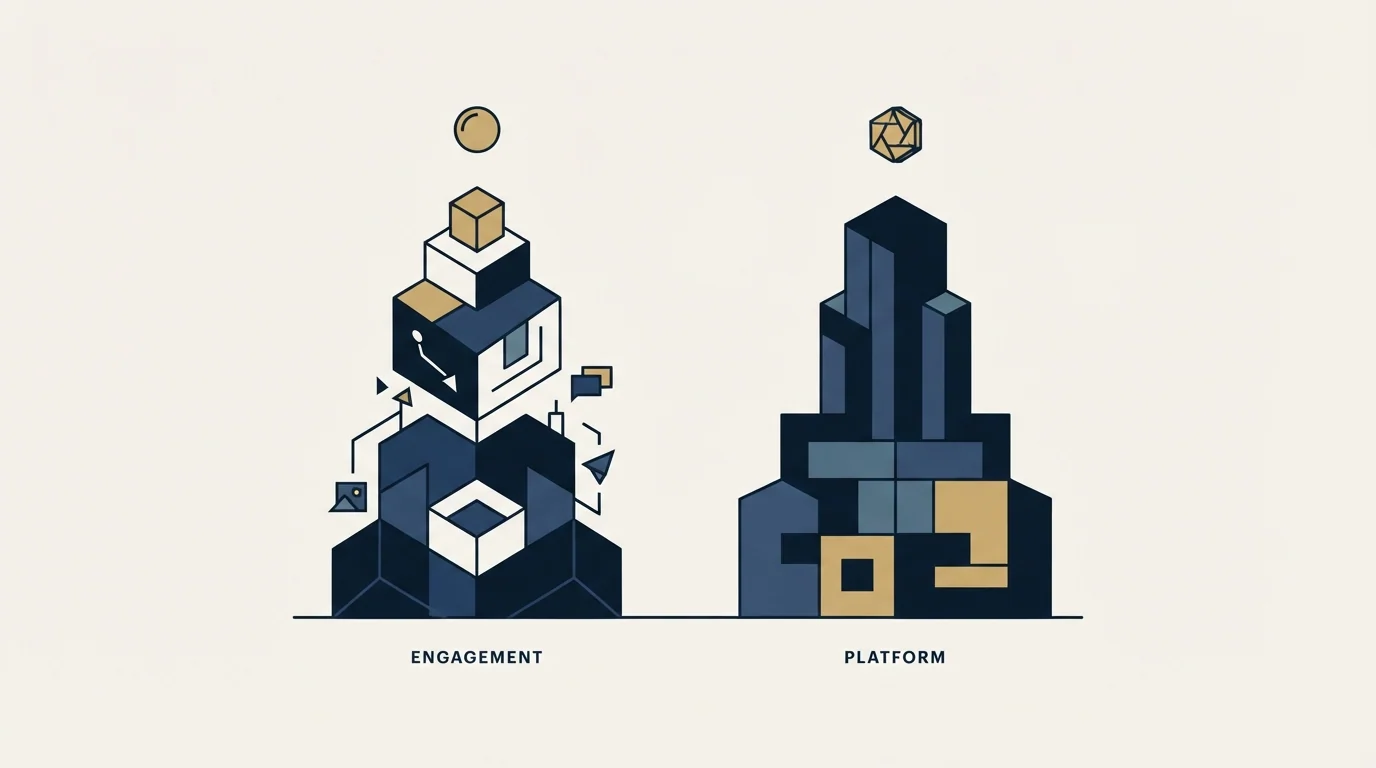
Outreach Pricing
| Plan | Price |
|---|---|
| Amplify Essentials | 10,000 AI Credits |
| Amplify Core | 25,000 AI Credits |
| Amplify Plus | 50,000 AI Credits |
| Amplify Pro | 100,000 AI Credits |
Source: Outreach Pricing
Outreach publishes the package structure and withholds every price. The AI credit allowance is the one number that ladders visibly, and API calls run from 250,000 up to 1,000,000 on Amplify Pro. Worth noting: "Multi-Channel Engagement & Sequences" is listed from Amplify Core up, so the entry package is the conversation intelligence one.
Salesforce Pricing
| Plan | Price |
|---|---|
| Free Suite | $0 user/month |
| Starter Suite | $25 USD/User/Month, billed monthly or annually |
| Pro Suite | $100 USD/User/Month, billed annually |
| Core | $195 USD/User/Month, billed annually |
| Advanced | $395 USD/User/Month, billed annually |
| Max | $550 USD/User/Month, billed annually |
| Sales Engagement add-on | $50 USD/User/Month, billed annually |
Source: Salesforce Pricing and its Sales Engagement pricing page
Salesforce has renamed and repriced its upper editions. The Enterprise and Unlimited names this table used to carry are gone from the pricing page, which now runs Core, Advanced and Max. The page carries a currency selector and adds that AI can be added to Core and above.
What A Two-Tool Stack Costs
Here is illustrative arithmetic, invented as a worked example rather than taken from any client. Three people work the pipeline, and one wave of about 2,000 prospects goes out a month, one message each per house doctrine.
On the Salesforce side the arithmetic is straightforward. Starter Suite at $25 a seat a month across three seats for a year is $900. Core is $7,020 over the same year. Adding the Sales Engagement add-on takes each seat from $195 to $245 a month and the year to $8,820, so cadences inside the CRM cost this team $1,800 a year at list price.
On the Outreach side the column stays empty, and that is the finding rather than a gap in the research: Outreach publishes no figure on any page fetched here, so any total would be invented. Go into the quote conversation already knowing the headcount, because Outreach prices seats and consumption separately and only the second one ladders on the page. The $1,800 is the number an Outreach proposal has to beat or justify.
Where The Two Overlap
The first version of this page said these two tools have minimal feature overlap. Read side by side, the vendors' own pages say otherwise. Every Outreach package has a counterpart somewhere on Salesforce's pricing pages.
| Outreach package | What it adds | Listed by Salesforce in |
|---|---|---|
| Amplify Essentials 10,000 AI credits | Conversation intelligence and coaching | Core, $195 a user |
| Amplify Core 25,000 AI credits | Multi-channel engagement and sequences | Sales Engagement add-on, $50 a user |
| Amplify Plus 50,000 AI credits | Deal Agent and live coaching | AI can be added to Core and above |
| Amplify Pro 100,000 AI credits | Forecasting and territory management | Forecasting in Core |
Salesforce's pricing FAQ says Core includes advanced pipeline management and forecasting, opportunity scoring and conversation intelligence. Its Sales Engagement pricing page lists Sales Cadences, Work Queue, Einstein Conversation Insights and Einstein Activity Capture for $50 a user a month. Outreach lists conversation intelligence on Essentials, sequences from Core, the Deal Agent and live coaching on Plus, and forecasting with territory management on Pro. The one row without a like for like answer is Plus, where Salesforce's page says only that AI can be added to Core and above.
One caution applies to every feature comparison including this one. A list showing that one vendor names a capability and the other does not supports that claim and no more, because vendors describe the same function in different words. The same exercise for the other big engagement vendor is in the Salesforce and Salesloft comparison.
Other Tools In The Stack
Neither vendor's pricing page gives a connector roster, so this page no longer prints one. Outreach's package lists name Zoom, Microsoft Teams, Google Meet and Cisco Webex as conversation intelligence integrations, a Slack app, and an MCP server and client. Salesforce's FAQ says that where no built-in integration exists you can buy MuleSoft licences, work with integration partners or use apps on AgentExchange.
A sequencer is one layer of a stack like this. A sourcing tool finds the contacts and a call recorder analyses what was said, and that pairing has its own comparison.
ContactOut vs Gong comparison explains how a lead sourcing tool and a conversation intelligence platform complement rather than compete with each other.
Do You Need Both, And In Which Order
For most teams the CRM comes first, because the record has to exist before there is anything to work. What has changed is that the second purchase is no longer automatic.
Salesforce puts conversation intelligence and forecasting inside Core at $195 per user per month billed annually, and sells cadences as a $50 add-on. That matters for the sequencing decision, because both are published numbers and Outreach is a quote. A team already on Core is one add-on away from a first-party answer, and it is worth pricing that before opening a second vendor conversation.
What the add-on does not replace is the depth of the sequencing and the deal management around it. Outreach lists Multi-Channel Engagement and Sequences from Amplify Core up, alongside deal and pipeline management and a set of named agents, so the argument for it is orchestration at scale rather than the ability to send a follow-up.
When to Choose Outreach

- The bottleneck is response handling rather than record keeping
- A whole team sequences all day, and the CRM add-on has been priced and found thin
- Deal management and coaching need to sit beside the sequencer
- AI drafting and research will be used enough to justify a metered allowance
- There is budget for a quote-only vendor and patience for the procurement cycle
When to Choose Salesforce
- The pipeline is the thing nobody trusts, and that is costing more than outreach is
- Cadences inside the CRM for $50 a user a month cover the engagement work
- The stack is already Salesforce-shaped and everything else integrates with it
- A published price matters, because the budget has to be approved before the buy
- Conversation intelligence and forecasting are already in the Core edition the team pays for
Using Both Together
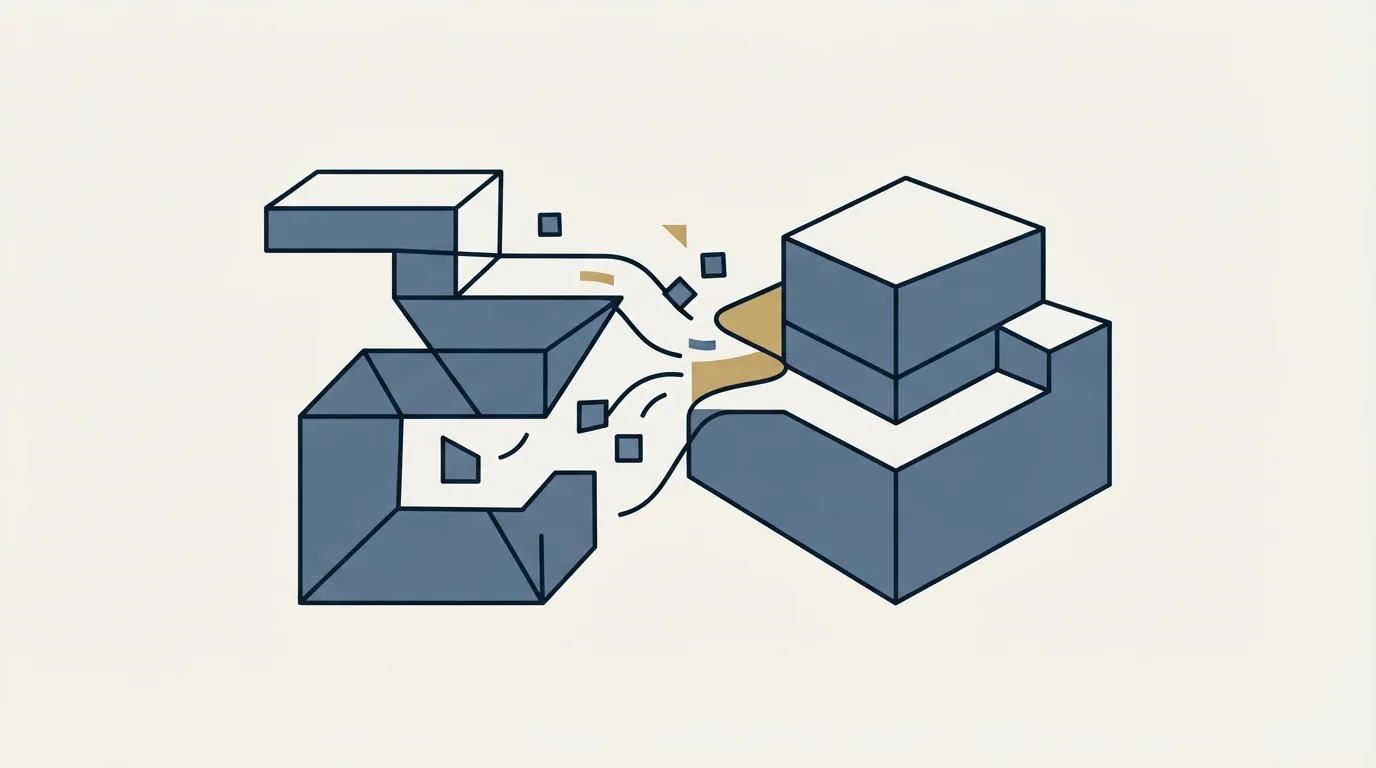
Teams that buy both land on the same division of labour. Salesforce holds the account, the contact and the deal, and Outreach holds the activity and whatever it produced. The seam between them is the sync, and the sync is where the arguments happen.
Outreach's sales engagement page describes that sync as "seamlessly syncing rich engagement data across email, LinkedIn, SMS, and calls with your CRM contacts and opportunities". None of the Outreach pages fetched for this comparison details CRM field mapping, so that is a demo question rather than a published one. Decide who owns contact ownership, stage and next step, and write the answer down before the first sequence runs. A workable default is that Salesforce owns contact ownership and stage, where the forecast reads them, and Outreach owns the next step, because the rep records it where the work happens.
Contact ownership
Owner: Salesforce. Let the record decide who may sequence a person, and stop the sequencer from reassigning it.
Stage
Owner: Salesforce. Change deal stage in the CRM, where the forecast reads it.
Next step
Owner: Outreach. The rep records it where the work happens, and it syncs back to the contact and the opportunity.
Rolling Out Without Breaking Deliverability
Two things go wrong when a second tool arrives, and neither is a product fault. The first is double contact: once Outreach is syncing to Salesforce and a sequence is running on top, the same person gets enrolled twice by two people who each thought they owned the list. If the Sales Engagement add-on is also switched on, there are two sequencers in the building, so pick one per list.
The second is a quiet reputation problem. Adding an engagement platform adds no sending capacity, because neither pricing page here publishes a warmup, rotation or deliverability feature. Volume that rises because sequencing got easier still lands on the same mailboxes, so size the sending layer against the wave rather than against the tool.
One doctrine note, because it changes the arithmetic. RevenueFlow sends one message per campaign, with no thread replies and no bump step behind it. Most engagement platforms are built around multi-step cadences, so a large part of what they automate goes unused on a run like that.
Decision Framework
- Name the bottleneck in one sentence. Response handling and record keeping are different problems, and usually only one is expensive this quarter.
- Read what the CRM already does. Conversation intelligence and forecasting are in Core's description, and cadences are a $50 add-on.
- Price the known half. The Salesforce ladder is published, so that number can go in a budget today.
- Ask the quote-only vendor for the meter first. Outreach has two: seats and AI credits. Ask for each as its own line.
- Check the sending layer separately, then buy in order. Record first, then whichever gap survived steps 1 and 2.
The Decision In One Line
Salesforce first, and price its $50 Sales Engagement add-on against an Outreach quote before assuming the two are additive.
Neither answer covers the sending. That stays a separate line in the budget on every version of this decision.
Related Reading
- Best Outreach Alternatives in 2026
- Best Salesforce Alternatives in 2026
- Outreach vs Salesloft: Sales Engagement Platform Comparison
- Gong vs Outreach: Sales Engagement Platform Comparison
- HubSpot CRM vs Salesforce: CRM Platform Comparison
If you would rather have this run for you, RevenueFlow books qualified meetings on a pay-per-meeting basis and publishes client results.
Pricing and features are taken from the vendors' own pages. Verify current terms with the vendor before relying on them.
Frequently asked questions.
Frequently asked questions- Is Outreach a CRM like Salesforce?
- No. Salesforce is the CRM, the system that holds accounts, contacts and deals. Outreach is a sales engagement platform that runs sequences, calls, coaching and deal workflows on top of a CRM. Its own site describes syncing engagement data across email, LinkedIn, SMS and calls with your CRM contacts and opportunities, so it assumes a CRM is already there.
- Is Outreach.io the same company as outreach.ai?
- Yes. The outreach.io address now redirects to outreach.ai, and the pricing page, the packages and the product pages all live on the new domain. Anyone comparing Outreach.io vs Salesforce from an older bookmark or article will land on the same company at a new address, with four Amplify packages and no published price.
- Can Salesforce replace Outreach?
- For a small team it can. Salesforce's Sales Engagement add-on costs $50 per user per month and lists Sales Cadences, Work Queue, Einstein Conversation Insights and Einstein Activity Capture, and its Core edition lists conversation intelligence and forecasting. Outreach goes further on multi-channel sequencing, named AI agents and deal management, which matters when a whole team sequences all day.
- How much does Outreach cost compared with Salesforce?
- Salesforce publishes its prices, from $0 for the Free Suite to $550 per user per month for Max. Outreach publishes none. Its pricing page says it combines seat-based pricing with consumption-based pricing powered by AI credits, lists allowances from 10,000 to 100,000 credits, and puts a Request pricing button on every package.
About the author.

Tim Carden is CMO / CTO at RevenueFlow, which builds and operates outbound revenue engines for B2B companies. Studied at McGill University.
Tim Carden · CMO / CTO
Connect on LinkedIn →Explore more.
Ready to scale your outreach?
We build GTM engines that book real meetings. See the receipts.
Related articles.
Kommo vs Luru: CRM Platform vs Sales Engagement Platform Comparison
Compare Kommo (CRM platform) and Luru (sales engagement platform) side by side. See pricing, features, and integrations to decide which one, or both, your stack needs.
Dripify vs Membrain: Sales Engagement Platform vs CRM Platform Comparison
Compare Dripify (sales engagement platform) and Membrain (CRM platform). See pricing, features, and integrations to decide which one, or both, your stack needs.
AroundDeal vs Leadspicker: Data Enrichment Tool vs Sales Engagement Platform Comparison
Compare AroundDeal (data enrichment tool) and Leadspicker (sales engagement platform) side by side. See pricing, features, and integrations to decide which one, or both, your stack needs.
AroundDeal vs Salesflare: Data Enrichment Tool vs CRM Platform Comparison
Compare AroundDeal (data enrichment tool) and Salesflare (CRM platform) side by side. See pricing, features, and integrations to decide which one, or both, your stack needs.
GetSales.io vs Yet Another Mail Merge: Sales Engagement Platform vs Cold Email Platform Comparison
Compare GetSales.io (sales engagement platform) and Yet Another Mail Merge (cold email platform) side by side. See pricing, features, and integrations to decide which one, or both, your stack needs.
Gong vs NeverBounce: Sales Engagement Platform vs Data Enrichment Tool Comparison
Gong vs NeverBounce: what Gong's own pages say about enrichment, what NeverBounce's API returns about an address, and how each vendor prices.