Stop Overengineering Your GTM: Why Simple Wins
Everyone's building 10-step AI workflows and deploying 'AI SDRs.' Meanwhile, a $5 billion company with no CRM is eating their lunch. The principles matter. The stack doesn't.
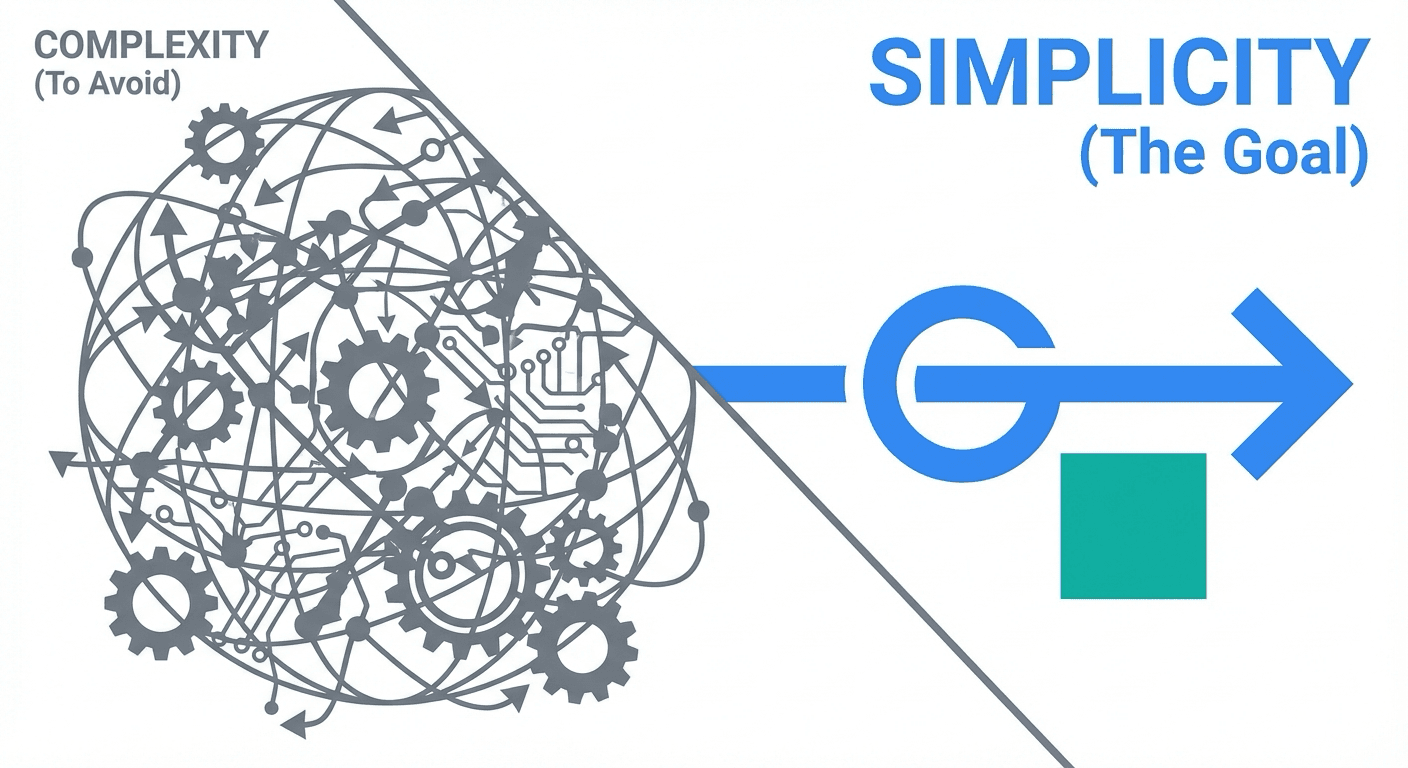
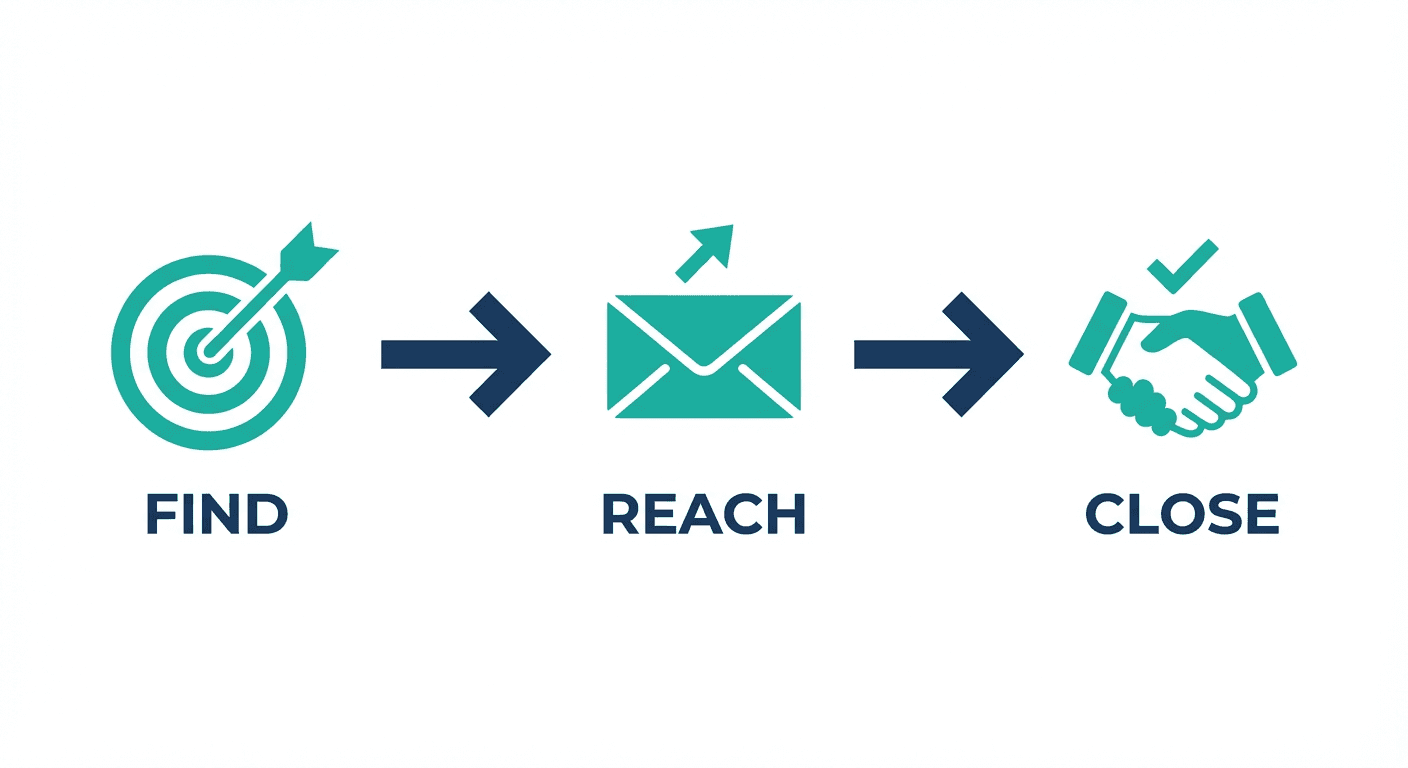
Successful go-to-market strategy depends on three fundamentals: finding the right prospects, reaching them with a compelling offer, and closing deals through consistent execution. Technology cannot compensate for weak offers or poor targeting. Gartner achieved $5 billion in revenue with barely functional CRM by focusing on clear value propositions and disciplined execution rather than sophisticated automation.
Key takeaways
- Teams spend 40 hours building complex targeting systems to avoid 4 hours crafting compelling offers that prospects actually want.
- A broad list of 10,000 prospects at 2% reply rate generates more pipeline than a hyper-targeted list of 500 at 10% reply rate.
- Gartner reached $5 billion in revenue without a functional CRM by prioritizing clear value propositions and consistent sales execution over technology.
- Most teams spend 5% of their time on offers and 80% on personalization when it should be reversed, as offers drive 80% of results.
- The complete B2B sales stack requires only an email sequencing tool, basic CRM, calendar scheduler, one data provider, and a phone.
Reviewed and updated September 5, 2026
Stop Overengineering Your GTM: Why Simple Wins
Modern Go to Market has become theatrical nonsense.
Everyone is:
- Building 10-step AI workflows
- Deploying "AI SDRs"
- Stitching together Clay + n8n + Zapier
These people think it's going to change everything.
It won't.
Real GTM is Simple
Here's what actually works:
→ Find people you want to reach
→ Reach out with a compelling offer
→ Close them
That's it.
I used to fall for the shiny tech stack trap too. It's seductive.
But I always come back to my time at Gartner: $5 billion company, double-digit growth, selling intangible research.
They didn't even have a functional CRM.
The principles matter. The stack doesn't.
The Pattern I See Everywhere
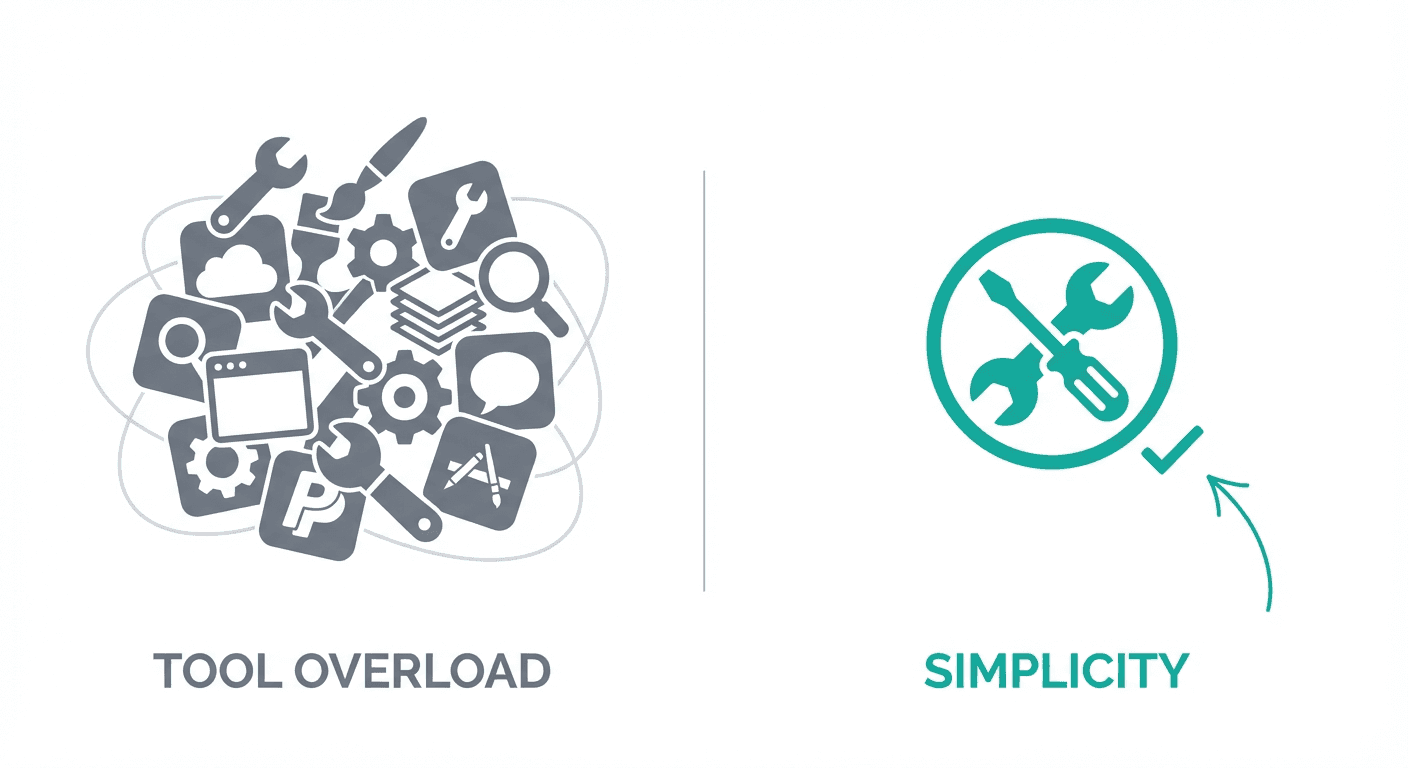
Teams spend 40 hours building signal-based targeting systems to avoid spending 4 hours crafting an offer so good that even a cold prospect stops and pays attention.
They're engineering solutions to avoid doing the hard work of making something people actually want.
You're Overengineering If:
- Your setup takes longer than your first campaign
- You have more tools than team members
- You run out of prospects in 2 weeks because your targeting is too narrow
- You're optimizing open rates instead of booking meetings
Meanwhile, the company with the simpler system but better offer is closing 4x more deals.
What Gartner Got Right
$5 billion in revenue. Barely functional CRM. Basic tech stack.
What they had instead:
Clear value proposition
No clever positioning. Just clear value that executives understood immediately.
Consistent execution
Sales reps knew the playbook and executed it every day. No fancy automation. Just disciplined follow-up.
Strong fundamentals
The right buyers. Offers that resonated. Proof the product worked. Reps who could articulate value.
That's it. No AI. No elaborate sequences. No complex integrations.
Just fundamentals executed well.
(If you want to understand which fundamentals actually matter, read The Hierarchy of Effective Cold Emailing - most teams get the priority order backwards.)
What Actually Drives Revenue
Every hour you spend connecting tools is an hour you're not spending on:
Your offer
Most teams spend 5% of their time on offers and 80% on personalization. It should be the opposite. Your offer is 80% of what drives results.
Your list
You don't need perfect targeting. You need enough people who could reasonably buy what you're selling. A broad list of 10,000 prospects at 2% reply rate beats a hyper-targeted list of 500 at 10%. Reply volume matters more than reply rate.
Your execution
The best automation can't overcome a rep who can't handle objections or articulate value on a call. Invest in training. It compounds forever.
The Simple Stack That Actually Works
For Cold Email:
- Email sequencing tool (Instantly, Smartlead, Apollo)
- Basic CRM (HubSpot, Salesforce, or a spreadsheet)
- Calendar scheduler (Calendly, Chili Piper)
Smartlead's own bootstrapped growth path, built on founder-led distribution instead of paid acquisition, is explored in a teardown of its bootstrapped growth.
For List Building:
- One data provider (Apollo, ZoomInfo, or Sales Navigator)
For Calling:
- A phone
- Your CRM
That's it. You can build a multi-million dollar pipeline with nothing else.
The Math Problem You Should Be Solving
Stop thinking about GTM as a puzzle to solve through technological sophistication.
Quality of Offer × Number of Prospects × Execution Consistency = Pipeline
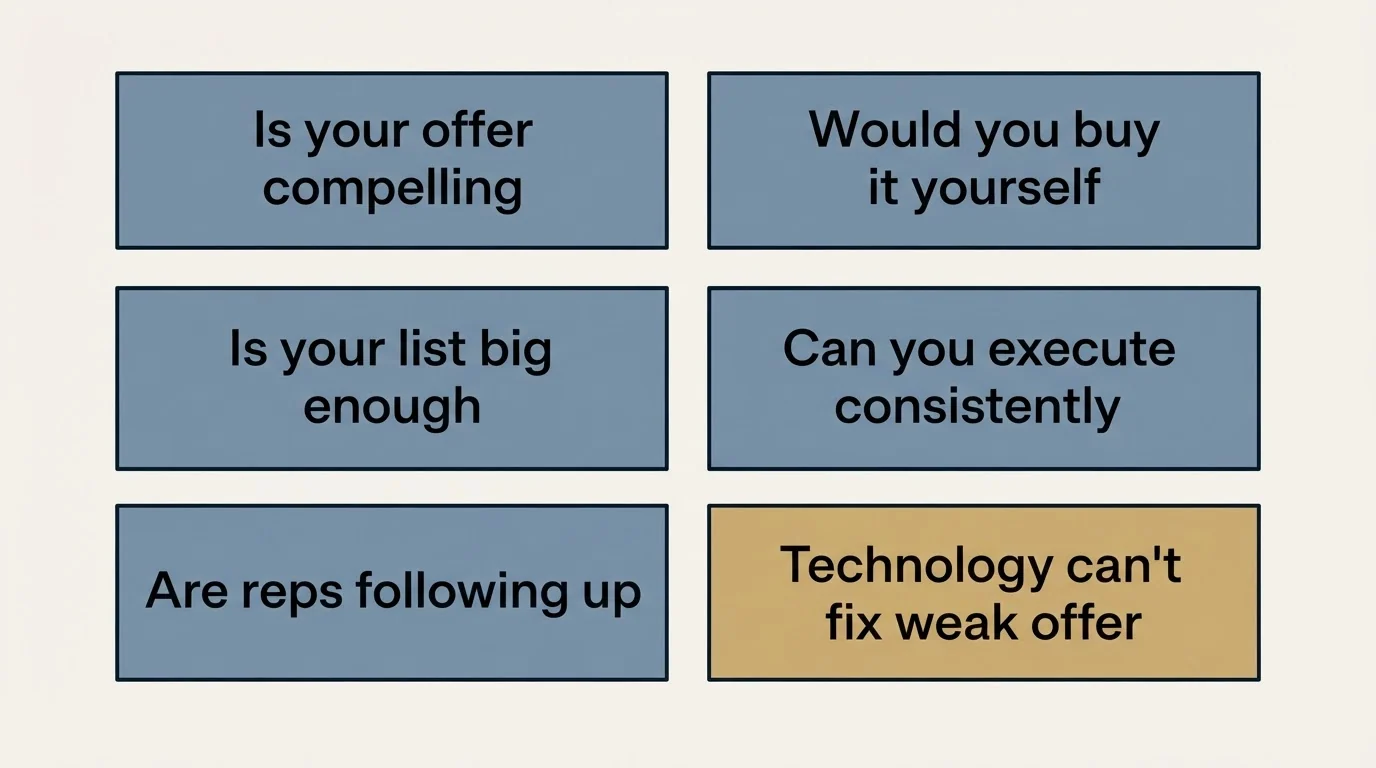
Technology can't fix a weak offer or wrong targeting. But teams keep adding tools to avoid fixing those fundamental problems.
Ask These Questions Instead:
- Is your offer compelling? Would you buy it if you received this email?
- Is your list big enough? Can you hit your pipeline goals with your current list?
- Can you execute consistently? Are reps following up and closing?
If any answer is no, that's your problem. Not your tech stack.
Stop Overengineering. Start Selling.
The companies winning at B2B GTM aren't the ones with the most sophisticated automation.
They're the ones with offers people want, lists big enough to matter, and consistent execution day after day.
Simple things, done well, at scale.
Ready to simplify your GTM? At RevenueFlow, we help B2B companies build predictable pipeline using proven fundamentals, not theatrical automation. → See if you qualify for a free campaign
Frequently asked questions.
Frequently asked questions- What's the minimum tech stack needed for effective B2B outbound sales?
- You need five tools: an email sequencing platform like Instantly or Apollo, a basic CRM such as HubSpot or even a spreadsheet, a calendar scheduler like Calendly, one data provider for list building, and a phone for calling. This minimal stack can generate millions in pipeline without additional complexity or integrations.
- How do I know if I'm overengineering my go-to-market strategy?
- You're overengineering if your setup takes longer than running your first campaign, you have more tools than team members, you exhaust your prospect list in two weeks due to overly narrow targeting, or you're optimizing open rates instead of focusing on booking meetings. These symptoms indicate you're avoiding fundamental work on offers and execution.
- Why does a broader prospect list perform better than hyper-targeted segmentation?
- Volume matters more than precision in B2B outbound. A broad list of 10,000 prospects with a 2% reply rate generates 200 replies, while a hyper-targeted list of 500 at 10% reply rate produces only 50 replies. You need sufficient prospect volume to hit pipeline goals, and reasonable targeting beats perfect targeting that limits scale.
- What should I prioritize instead of building complex automation workflows?
- Prioritize three fundamentals: creating a compelling offer that prospects want, building a prospect list large enough to meet pipeline goals, and ensuring consistent execution through rep training and follow-up discipline. The formula is Quality of Offer × Number of Prospects × Execution Consistency. Technology cannot compensate for weaknesses in these areas.
About the author.

Ben Carden is CRO at RevenueFlow, which builds and operates outbound revenue engines for B2B companies. Previously at Gartner Enterprise. Studied at London School of Economics.
Ben Carden · CRO
Connect on LinkedIn →Explore more.
Ready to scale your outreach?
We build GTM engines that book real meetings. See the receipts.
Related articles.
Cross-Sell vs Upsell: Different Trigger, Different Owner
An upsell has a trigger that arrives on its own. A cross-sell has none and needs a diagnosis somebody funds. That is the difference that decides the work.
The ROI of Cold Email: Revenue Per Dollar Spent by Industry
Cold email delivers 36-44x ROI on average. This analysis breaks down revenue per dollar spent across 10 industries, with cost models and ROI calculators for different team sizes.
Cold Email Pricing Guide 2026: What Every Tool Costs
Side-by-side pricing for all 48 B2B sales tools. Total cost of ownership calculations by team size and budget recommendations by company stage.
Sales Funnel vs Customer Journey: Accounting vs Behaviour
A funnel is a seller-side accounting model built to be counted. A journey is a buyer-side behaviour model built to be understood. Keeping them separate is the point.
Monthly Sales Meeting Agenda: What the Month Decides
The weekly meeting triages deals in flight. The monthly one closes a period and changes the list. Six blocks, ninety minutes, one output each.
Sales Activity Tracking: What the Record Has to Say
Most activity tracking fails at capture rather than analysis. The unit you count decides what every later number can mean, and no tool fixes a wrong choice.