Cybersecurity Lead Generation: Each Account Has an Incumbent
Every company worth selling security software to already runs something in your category. That makes displacement, channel routing and renewal timing the whole job.
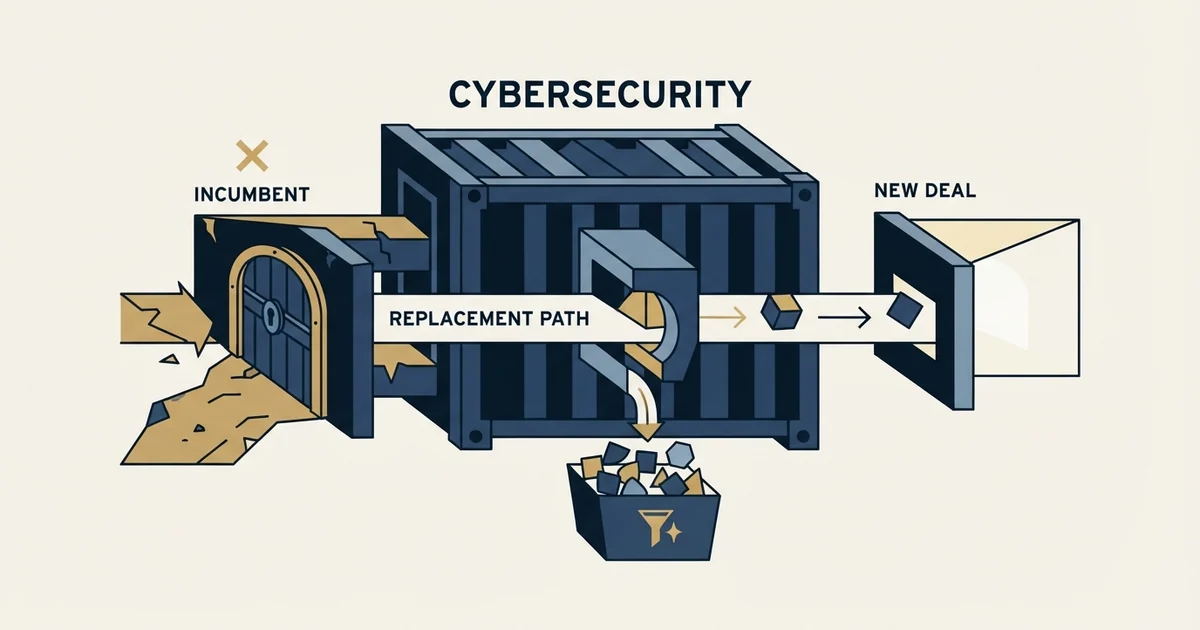
Cybersecurity lead generation is displacement selling. Every target already runs something in your category on a committed term, a large share of spend flows through resellers and managed providers, and the most influential evaluators never reply to messages. Building the list around observable stacks and buying routes matters more than the copy.
Key takeaways
- There is no unserved security buyer, only a committed one. The useful question is whether a specific team has any reason to reopen a specific decision, not whether security matters.
- Security stacks are unusually observable: job postings naming tools, trust centres, conference sponsor lists, bug bounty pages and public DNS records all put incumbents on record.
- A large share of security spend transacts through resellers, distributors and managed security providers, so accounts should be routed before they are messaged or the deal lands at a worse position than it started.
- A change of security leader reopens more decisions than any other observable event, and a first-ever security hire signals a stack about to be assembled rather than replaced.
Reviewed and updated September 1, 2026
A security vendor with a genuinely good detection product builds a list of two thousand companies in the right size band, finds the chief information security officer at each one, and writes a careful message about reducing alert fatigue. The reply rate is poor, and the handful of conversations that start go quiet after a first call. What the team learns later, from the two accounts that did buy, is that most of the list already had a tool doing roughly this, bought on a three-year agreement, and a fifth of them buy security software exclusively through a reseller the vendor had never spoken to.
Security is one of the hardest markets in B2B to generate pipeline in, and the reasons are structural rather than stylistic. The copy advice for reaching security buyers is well covered. What decides the outcome sits in how the list was built.
That is as true of outbound sales for cybersecurity companies run by an in-house team as it is of a programme bought from an agency.
There is no unserved buyer, only a committed one
Every company worth selling security software to already has a security stack. Endpoint, identity, email, network, logging: each of those categories has an incumbent, a renewal date and an internal owner who chose it and would have to explain replacing it.
That makes need creation the wrong frame. Nobody in this market needs persuading that security matters, and a message explaining the threat landscape to a person whose job is the threat landscape reads as noise at best. The real question is narrower and answerable: is there any reason for this specific team to reopen this specific decision in the next two quarters.
Everything useful in a security list follows from taking that question literally.
Displacement targeting means knowing what they run
If the purchase is a replacement, the list needs to record what is being replaced. This sounds impractical and is mostly not, because security stacks leak into public view more than most.
Job postings are the richest source: a posting for a security engineer that names the SIEM, the endpoint agent or the identity provider in its requirements is telling you the stack directly. Certification and skills requirements do the same job less precisely. Conference sponsor lists and user-group speaker slots put customers on record. Public bug bounty programme pages, status pages and trust centres frequently name tooling. Email security posture is partly readable from public DNS records, which is why that particular category has the most mechanised targeting of any.
A list built this way is much smaller than a firmographic one and behaves completely differently. Instead of two thousand companies in a size band, it is three hundred companies where you know roughly what they run and can therefore write a message that names a real condition rather than a general anxiety.
- Assembled from any contact database in an afternoon
- Every competitor can build the identical list
- No read on the incumbent or the renewal
- Message has to argue that security matters
- Produces polite interest and no reopened decisions
- Assembled from postings, trust centres, sponsor lists, public records
- Smaller by an order of magnitude and genuinely differentiated
- Carries a guess about the incumbent worth testing
- Message can name a limitation the reader has felt
- Produces conversations that have somewhere to go
The channel takes a large share, and it is a targeting constraint

A substantial part of security spending is transacted through resellers, distributors and managed security service providers rather than direct. For a vendor with a partner programme this is a routing question before it is a sales question, and it is the same structural constraint that channel conflict imposes in industrial markets.
Two failures come out of ignoring it. The first is approaching an account that buys exclusively through a partner, generating interest, and then handing the deal to that partner at a worse commercial position than if the partner had been involved from the start. The second is the reverse: a partner discovers you approached their account directly and the relationship cools, which costs more than the deal.
Practical handling is to tag the list before sending. Accounts with a known reseller relationship route through that partner. Accounts with a managed security provider are often not addressable at all for a product that would sit inside the provider's own stack, and the real target there is the provider. Everything else is direct, and it is usually the mid-market where the security function is small enough to buy for itself.
For a vendor selling exclusively through partners, the outbound programme changes shape entirely: the prospect list is the partner list, and the pitch is margin, differentiation and enablement rather than detection quality.
The committee is large and mostly silent
Security purchases involve more people than the org chart suggests, and most of them will never answer a message.
The engineers and analysts who would operate the tool do the real evaluation and their opinion frequently decides it, but they rarely hold budget and often cannot take a vendor meeting without cover. The security leader decides and defends the spend. Governance, risk and compliance has an interest when the purchase touches an audit or framework obligation. IT owns whatever the tool integrates with and can block on operational grounds. Procurement handles the commercial process. Above a threshold the spend becomes visible at board level, which changes the timing rather than the decision.
The consequence for outbound is that the first message has one job: reach a person who can convene the others. That is normally the security leader at a mid-market company and normally a director or manager one level down at a large one, because at large companies the leader is a portfolio manager rather than a product evaluator.
Writing to the practitioner instead is a legitimate second motion, but the ask has to be different. A practitioner can give you a technical conversation and internal advocacy; they cannot give you a procurement slot, and asking them for one wastes the contact.
For vendors whose reps also pick up the phone, cold calling cybersecurity teams is its own problem, since those teams train their companies to distrust unsolicited calls.
Timing signals that are real in this market
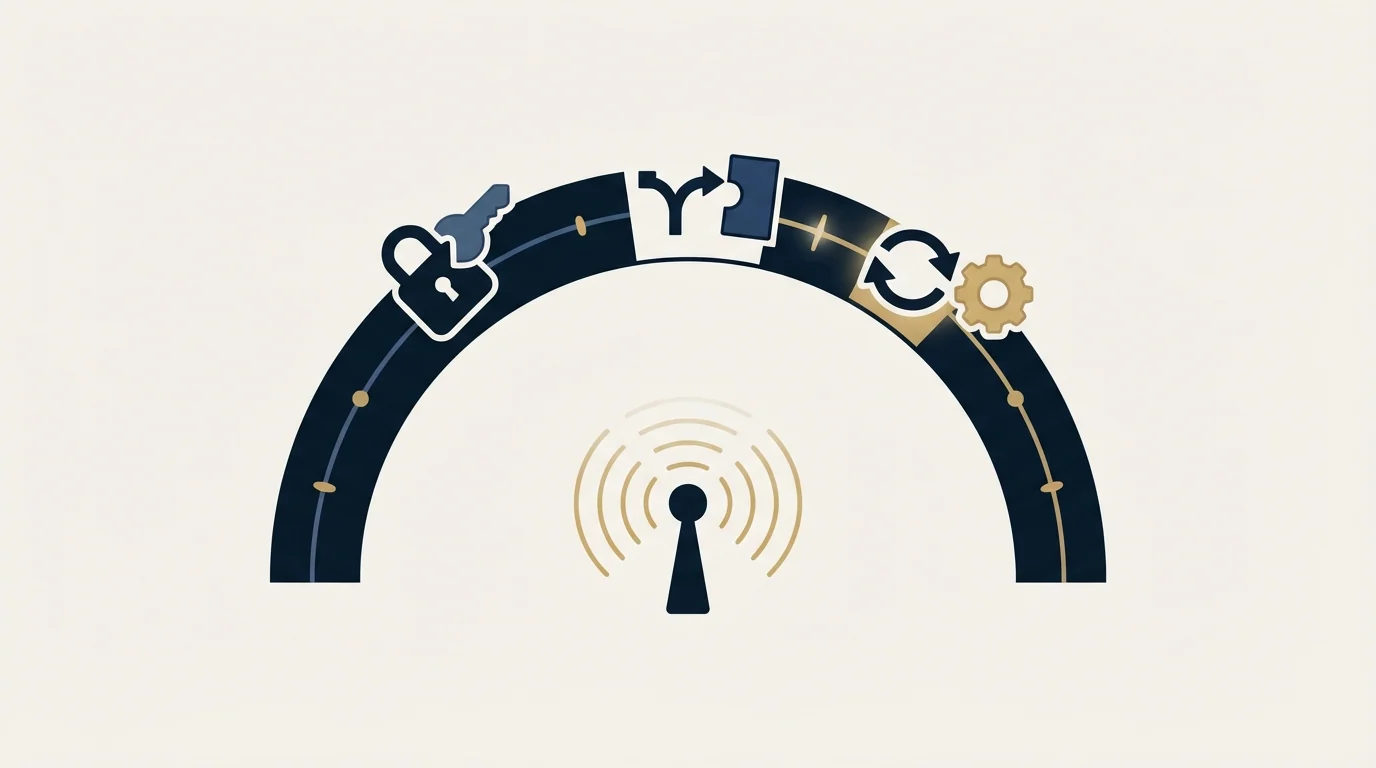
Renewal dates are the strongest signal and the hardest to observe. Where a contract term is visible, usually through public procurement records, a filing, or an account that says so, it is worth more than every other attribute combined.
The observable proxies are more useful than they look. A change of security leader reopens more decisions than any other event, because a new leader reviews the inherited stack as a matter of course and has explicit licence to change it. A first-time hire into a security role at a company that had none means a stack is about to be assembled rather than replaced, which is the easiest sale in the category. A published framework obligation with a date attached forces a decision on a schedule you can plan against, and the cold email for cybersecurity guide sets out how far to take framework language in a message before it becomes the whole email.
An incident at a peer institution moves budget, and this is the signal that most needs handling carefully. Writing to a company because a competitor of theirs was breached is legitimate market timing and reads as ghoulish if handled clumsily. Writing to a company because they were breached is worse and should simply not be done. The distinction is not subtle and buyers in this market notice it immediately.
- Step 1Route
Direct, through a named reseller, or owned by a managed security provider. Non-direct accounts leave the outbound list here.
- Step 2Incumbent
What the account runs in your category, read from postings, trust centres and public records.
- Step 3Opening
A leadership change, a first security hire, a dated obligation, or an observable limitation in the incumbent.
- Step 4Convener
The person who can bring the committee together, which is a different title at mid-market and at enterprise.
Cycle length, and the pilot that eats the quarter
Security software is usually bought after a proof of concept, and the pilot is a real stage with real cost on both sides. It consumes engineering attention from the prospect, it requires access that has to be approved, and it can be paused by anything more urgent, which in a security team is a routine occurrence.
That same hidden-stage problem shows up in regulated finance, where the assessment stage that stalls fintech deals forces account size and sponsor experience into the qualifying criteria.
Planning consequence: the pipeline needs enough accounts in it that a paused pilot is an inconvenience rather than a quarter. That is an argument for volume at the top of the funnel even though the list itself should be narrow, and the resolution is running several narrow, well-differentiated segments in parallel rather than one broad one.
The measurement half is easier. Reply behaviour reads within weeks, and the cybersecurity cold email benchmarks give a reference point for the top of the funnel before any of the downstream structure applies.
Doctrine that matters more here than elsewhere
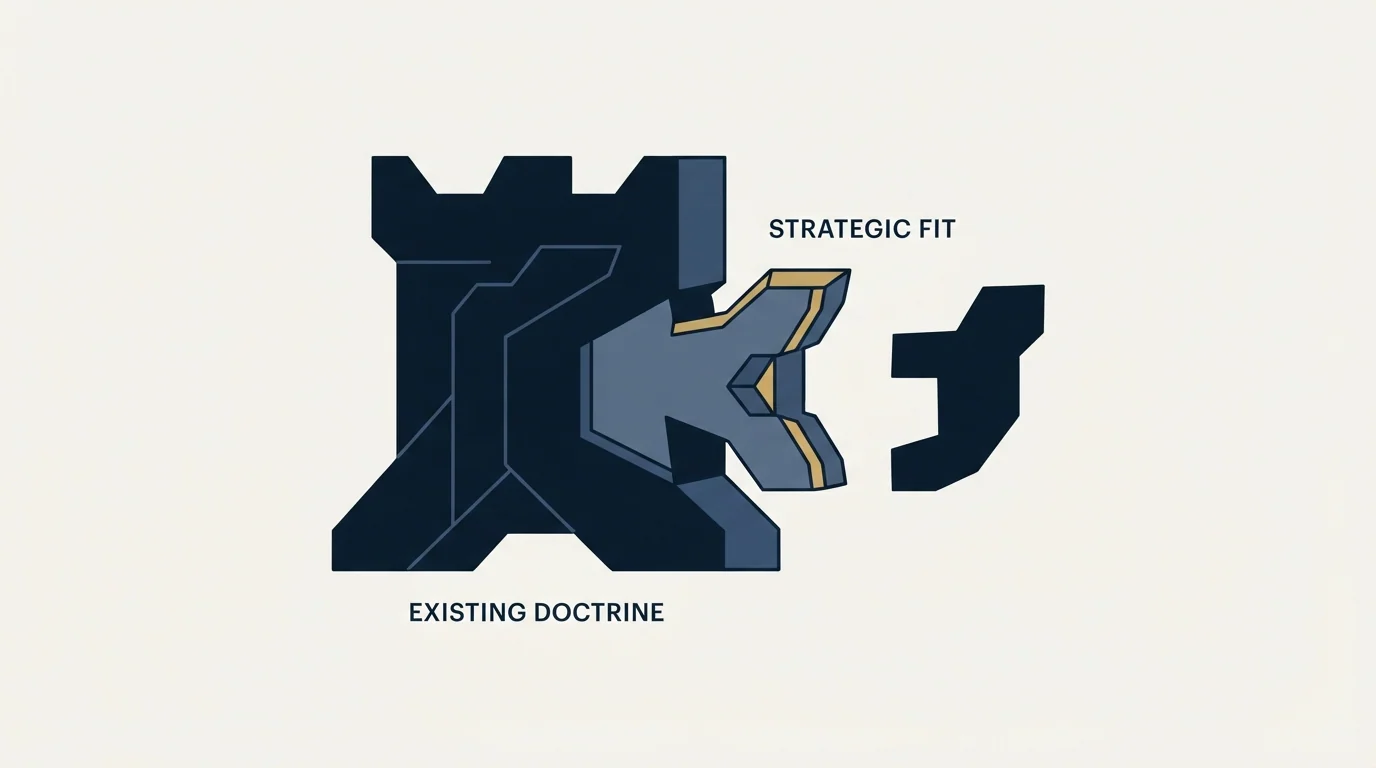
We run one message per campaign, with no bumps and no thread replies. In most markets that is a deliverability and respect argument. In security it is also a credibility argument, because the audience is professionally trained to recognise automated sequences and treats a three-touch cadence as evidence about the sender rather than about the offer.
Re-entry belongs to a new signal, and this market supplies them: a new security leader, a new obligation date, a first hire into a function, an acquisition that merges two stacks. Each of those is a new campaign with a genuine reason to write, which is a different thing from sending the same message again with a different subject line.
- Yes: Every account routed as direct, partner-led, or provider-owned, with partner-led accounts removed from direct outbound
- Depends: Incumbent tooling recorded where observable, and the account deprioritised where it is not
- Yes: A convening contact identified, with practitioners mapped separately and given a different ask
- Yes: No account included because it suffered a breach
- Yes: Enough parallel segments running that a paused pilot does not empty the quarter
- Yes: Qualification criteria for a real opportunity agreed in writing before launch
What to take away
Security outbound underperforms when it is built as a firmographic list plus careful copy. The market has an incumbent in every category, a channel that carries a large share of the spend, a committee whose most influential members do not answer messages, and a pilot stage that consumes quarters.
Build the list around what accounts already run and how they buy, then let the message name something specific. The lead generation channels comparison covers where each channel earns its place once the routing is settled, intent signal APIs for outbound covers what buying-signal data can and cannot tell you at the list-building stage, and B2B lead generation services sets out what handing the function outside involves. To see the displacement segmentation applied to your own category before committing a quarter to it, look at what a first campaign would target.
Frequently asked questions.
Frequently asked questions- Why do cold emails to CISOs get such poor response?
- Partly volume, and partly that most messages argue a case the reader settled years ago. A security leader already has an incumbent in every category, bought on a term, chosen by someone who would have to justify replacing it. A message explaining why the threat matters is aimed at a decision that is not open.
- How do we find out what security tools a company already uses?
- More of it is public than teams expect. Job postings for security engineers routinely name the SIEM, endpoint agent or identity provider in their requirements. Trust centres, status pages and bug bounty programme pages name tooling. Conference sponsor lists and user-group talks put customers on record, and email security posture is partly readable from public DNS records.
- Should we sell direct or through partners in security?
- Decide per account before sending, because getting it wrong is expensive both ways. Approaching an account that buys exclusively through a reseller means handing the deal over at a worse commercial position, and a partner discovering a direct approach into their account costs more than the deal. Accounts owned by a managed provider usually mean the provider is the real target.
- Is a competitor's breach a reasonable reason to reach out?
- Writing to a company because a peer was breached is ordinary market timing, since budget genuinely moves after visible incidents in a sector. Writing to a company because that company was breached should not be done at all. Security buyers notice the difference immediately, and the second version costs the sender the market rather than the deal.
About the author.

Ben Carden is CRO at RevenueFlow, which builds and operates outbound revenue engines for B2B companies. Previously at Gartner Enterprise. Studied at London School of Economics.
Ben Carden · CRO
Connect on LinkedIn →Explore more.
Ready to scale your outreach?
We build GTM engines that book real meetings. See the receipts.
Related articles.
Two Agencies, One Target List: Who Owns Which Accounts
Two outbound suppliers on one market will contact the same companies unless the buyer splits it first. How to cut the list, run the exclusion feed and check the overlap.
HR Lead Generation: The Renewal Clock and Who Signs
An HR buyer who agrees with every word still cannot act outside their own renewal window. Which triggers are observable, and who signs.
IT Lead Generation: The Buyer Runs Your Playbook
Technology buyers evaluate outbound for a living, and their purchases carry a security review nobody in your meeting owns. Which triggers are real.
5 ABM Campaign Examples and How Each One Is Built
Five worked account-based campaign examples, each built on the same five fields: account set, tier, plays in order, owner and handoff, and the exit condition.
Last Outbound Agency Did Not Deliver: Locating the Failure
The leads were bad names a symptom and no stage. Four places an outbound engagement fails, the counts that separate them, and what to change in the next purchase.
When Outbound Stops Scaling: What Breaks First
Doubling the budget rarely doubles the meetings. The five constraints that bind in order, the signature each one leaves in the numbers, and what actually buys more.