How to Book Sales Meetings with Education
A tactical playbook for booking meetings with K-12 and higher ed buyers: titles to target, list sources, sequence timing, CTAs, and templates.

To book meetings with education buyers, pick one segment (K-12, higher ed, private, or EdTech), target directors who own the problem rather than superintendents, build lists from state directories and public board minutes, send six single-message campaigns timed to the July-to-June fiscal year, and ask for something smaller than a demo.
Key takeaways
- There are roughly 18,000 U.S. public school districts and about 5,916 Title IV postsecondary institutions, so segment before you send (Source: NCES Fast Facts).
- U.S. K-12 public schools spent roughly $981 billion in fiscal year 2024, which is why long education sales cycles still pay off.
- January through May is the highest-value outreach window because most education entities run a July 1 to June 30 fiscal year and approve budgets in spring.
- Six single-message campaigns across the fiscal year over email and LinkedIn, sent between 6:30 and 8:00 a.m. local time, fits how administrators actually work.
- Public board minutes reveal the incumbent vendor, contract value, and renewal date, making them the highest-signal free prospecting data in the vertical.
- A realistic planning target is one to three held meetings per 100 well-researched education prospects, and you should track held meetings rather than booked ones.
Reviewed and updated September 1, 2026
How to Book Sales Meetings with Education: A Step-by-Step Playbook
A district technology director opens her laptop on a Tuesday in October and finds forty-one unread vendor emails. Thirty-eight pitch a demo, and she deletes those in one pass. The three she opens share one trait: they name a district she knows, reference something she is already dealing with (an assessment deadline, a device refresh, an expiring contract), and ask for something smaller than a meeting.
Education is one of the few B2B verticals where the buying calendar is published in advance. Board agendas, budget hearings, bid awards, and RFP timelines are public record. That transparency is the biggest advantage a seller has here, and most outbound teams ignore it, then blame "education is slow" when their sequences land in November asking for budget committed in April.
This playbook covers the mechanics of turning cold outreach into booked calls with education buyers: who to email, how to build the list, how to structure the campaigns, what CTA converts, how to handle the four standard objections, and what a realistic meetings-per-100-prospects outcome looks like.
Step 1: Pick One Education Segment
"Education" is four different markets with different buyers, budgets, cycles, and language. Running one campaign across all of them is the most common reason education outbound fails.
| Segment | Scale | Who signs | Decision speed |
|---|---|---|---|
| K-12 public districts | Roughly 18,000 districts and 98,577 public schools | Superintendent or board, with cabinet-level recommendation | Slow, tied to board approval and fiscal year |
| Higher education | About 5,916 Title IV postsecondary institutions | Dean, VP, CIO, or provost depending on category | Slow, committee-driven, RFP-heavy |
| Private and independent schools | Thousands of individual schools | Head of School or Business Manager | Fast, often single decision maker |
| EdTech and education services companies | Vendors selling into the above | VP Sales, VP Marketing, CEO | Standard B2B speed |
Source: NCES Fast Facts: Educational Institutions
The money involved is why patience pays off. U.S. K-12 public schools spent roughly $981 billion in fiscal year 2024. Source: EducationData.org. A single mid-size district contract can outweigh fifty SMB deals.
Pick one segment per campaign. The words that land with a Director of Curriculum and Instruction ("standards alignment," "Tier 2 intervention") mean nothing to a university Registrar.
Step 2: Target Titles That Own the Problem
New sellers email the superintendent because that is who signs. Superintendents almost never book cold meetings. The person who books is one level down: whoever's job gets easier or harder based on whether your product exists.
K-12 districts, in order of reply likelihood:
- Director of Technology / CTO / Chief Information Officer (devices, SIS, network, security, E-Rate)
- Director of Curriculum and Instruction (core and supplemental curriculum, assessment, PD)
- Director of Special Education (intervention, compliance, IEP tooling)
- Chief Financial Officer or Business Manager (ERP, payroll, purchasing, transportation)
- Director of Human Resources (recruiting, substitute management, credentialing)
- Superintendent (only for districts under roughly 2,000 students, where the superintendent is also the CTO and the CFO)
Higher education, in order of reply likelihood:
- Director or AVP of Enrollment Management (yield, melt, recruitment)
- CIO and Director of Academic Technology
- Director of Student Success or Retention
- Dean or Associate Dean of a specific college (skip the provost)
- Director of Institutional Research
The rule that matters: email the person who would personally use or administer the thing, then ask them who else needs to be in the room.
Step 3: Build the List From Public Records
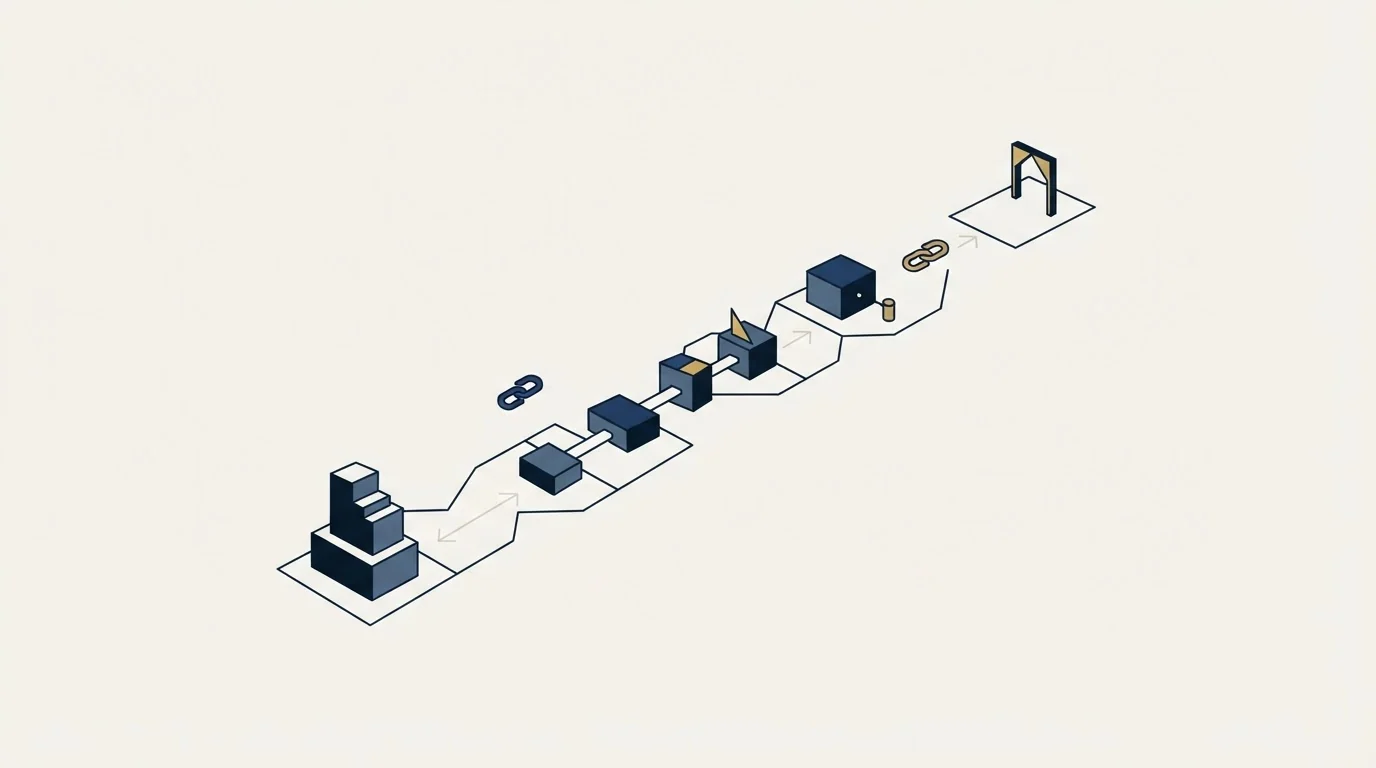
Standard B2B databases are weak on education. Titles get mangled, district staff turn over in July, and coverage of small districts is poor. Public sources are better and free.
- State Department of Education directories. Nearly every state publishes a downloadable district directory with contacts, enrollment, and administrator names.
- NCES Common Core of Data and ELSI. Pull every district in a state with enrollment, locale, and per-pupil spend to filter down to your ICP size band. IPEDS is the higher ed equivalent.
- Board meeting minutes and agendas. These name the incumbent vendor, the contract value, the renewal date, and often the frustration that triggered a review. Highest-signal free data in B2B.
- USAC E-Rate filings for connectivity purchases, plus state procurement portals for open and awarded bids.
- Purchasing cooperatives. If your product sits on a co-op or state contract, say so in the first email. It removes the largest procurement objection before it is raised.
Email formats at districts and universities are predictable (first.last@, flast@, firstinitiallast@). Verify as usual, but expect lower bounce rates than most commercial verticals. A tight list of 400 well-researched districts across three states beats 8,000 scraped rows, because education buyers detect and punish mass mail faster than most.
Step 4: Time the Campaigns to the Fiscal Calendar
Most education entities run a July 1 to June 30 fiscal year. That single fact should drive your entire send calendar.
| Window | What is happening | What to send |
|---|---|---|
| January to March | Budget building, needs assessment, RFPs drafted | Hard push. Best window of the year. |
| April to May | Board budget approval, contracts awarded | Second-best window. Push for next-year inclusion. |
| June | Fiscal year close, use-it-or-lose-it spend | Short, specific offers on small-dollar items |
| July to early August | Staff turnover, back-to-school prep, thin coverage | Light touch, relationship building, list refresh |
| Late August to October | School is in session, everyone is underwater | Problem-aware content, no demo asks |
| November to December | Mid-year review, spring planning begins | Warm-up for the January push |
If you launch outbound in September, your goal is a meeting that produces a budget line in the January cycle, and your copy should say so explicitly. Buyers relax when you acknowledge you are not asking them to find money today. Never send during the first two weeks of the school year or the week before a state assessment window.
Step 5: Six Campaigns, One Message Each, Across the Fiscal Year

Education requires more patience than SaaS outbound and fewer messages than most sequences use. Six separate campaigns spread across the fiscal year, each carrying exactly one message, over two channels, is the shape that works.
| Campaign | Window | Channel | Purpose |
|---|---|---|---|
| 1 | January | Email, one message | Named peer district plus one specific observation. Soft CTA. |
| Alongside 1 | Same week | Connection request, no pitch in the note | |
| 2 | February | Email, one message | New angle and a concrete artifact, its own subject line |
| 3 | April | Email, one message | Referral ask: "is this you or someone else?" |
| Alongside 3 | Same week | Phone or LinkedIn | Direct line during the 7:00 to 8:00 a.m. window |
| 4 | Ahead of budget season | Email, one message | Calendar-anchored ask tied to their fiscal cycle |
Nobody gets a second email underneath the first. A director who does not answer is written to again in the next window with a new subject line and a new premise, which the fiscal calendar supplies for free. We stopped sending the bump because it lands beneath a message an administrator has already skipped, in front of exactly the people most likely to report it, and in a vertical where forty districts in one county compare notes on a listserv, that reputation cost is charged to the sending domain everywhere else it sends. A fresh email gets a fresh open. The reasoning, with the numbers from our own campaigns, is in why we stopped using follow-ups.
Send between 6:30 and 8:00 a.m. local time, since school administrators are at their desks before students arrive and process email then. Avoid Mondays, Fridays after noon, and the day after a board meeting. Keep volume low per inbox: a badly worded blast to forty districts in one county gets discussed on a state association listserv within a week.
Step 6: Use a CTA Smaller Than a Meeting
The demo request is the biggest killer of education reply rates. Buyers here have been burned by ninety-minute demos of products they could never have afforded. The CTAs that convert ask for a decision that costs nothing.
- The interest-check. "Worth a look, or is this already handled?" Answerable in one word, which is why it gets answered.
- The artifact offer. "Want the two-page summary of how {{peer_district}} handled this? No call needed."
- The routing question. "Is this your area or should I be talking to {{likely_other_title}}?" Hard to ignore, and it generates internal forwards.
- The calendar-anchored ask. "Budget gets built in February. Worth fifteen minutes in January so you have the numbers when you need them?"
- The demo request. Last resort, and only after a reply.
The Templates
Template 1: First Touch, K-12 Technology Director
Subject: {{peer_district}}'s device refresh

Hi {{first_name}},

Saw {{district_name}} is running {{device_count}}-ish Chromebooks with the
{{year}} fleet coming up on end of support. {{peer_district}} down in
{{peer_county}} hit the same wall last spring.

They ended up cutting their refresh spend by consolidating three separate
management contracts into one. Took about six weeks of work, and their
tech director is happy to talk to anyone who asks.

Not asking for a meeting today. Worth a two-page write-up of what they did,
or is your refresh plan already locked?

{{sender_name}}
{{sender_title}} | {{phone}}
Why this works: It leads with the recipient's situation rather than the sender's product, names a peer district in a nearby county (proximity matters in K-12, where administrators benchmark against neighbors), offers a reference contact instead of claiming a result, and closes with a CTA answerable in one word.
Template 2: First Touch, Higher Ed Enrollment Leader
Subject: summer melt at {{institution_name}}

{{first_name}},

Quick question about your {{term}} cohort. Most enrollment teams at
{{institution_type}} schools your size can name their melt rate after the
fact, but cannot tell which deposited students are drifting in July while
there is still time to intervene.

If that is roughly your situation, I have a one-page breakdown of how
{{peer_institution}} restructured their summer communication plan.

Should I send it over, or is melt already under control on your end?

{{sender_name}}
{{sender_title}}
Why this works: It uses the vertical's own vocabulary ("melt," "deposited students," "cohort"), states a process problem rather than a claim about their numbers, gives the reader an easy out, and asks permission to send instead of pushing an attachment.
Template 3: A Later Campaign, The Referral Ask
Subject: who owns {{topic}} at {{org_name}}?

{{first_name}} - this may well be aimed at the wrong desk.

Is {{topic}} something you own at {{org_name}}, or does that sit with
{{likely_other_title}}?

Happy to get out of your inbox either way. Just point me in the right
direction and I will take it from there.

{{sender_name}}
Why this works: It costs the reader four seconds and no commitment. Education administrators route email constantly, so forwarding is familiar behavior. It runs as its own campaign with its own subject line, so nothing in it depends on an earlier email being remembered, and replies often come back with a name, a title, and an implicit endorsement.
Template 4: A Later Campaign, Calendar-Anchored Close
Subject: {{org_name}} budget season and {{topic}}

{{first_name}},

I know {{org_name}} builds next year's budget starting around
{{budget_month}}, so this is probably a {{future_month}} conversation
rather than a today conversation.

Two options:

1. I check back the week of {{specific_date}}, when the numbers matter.
2. You tell me this is not a fit and I stop.

Either is a good outcome for me. Which one?

{{sender_name}}
Why this works: It replaces the passive-aggressive breakup email with a real choice and shows the sender understands the fiscal calendar. Option 1 converts more often than sellers expect because it asks for a future commitment rather than a present one.
Step 7: Handle the Four Objections You Will Actually Hear
- No: "We don't have budget."
- No: "We have to go out to bid."
- No: "We're locked in with {{incumbent}}."
- No: "Just send me some information."
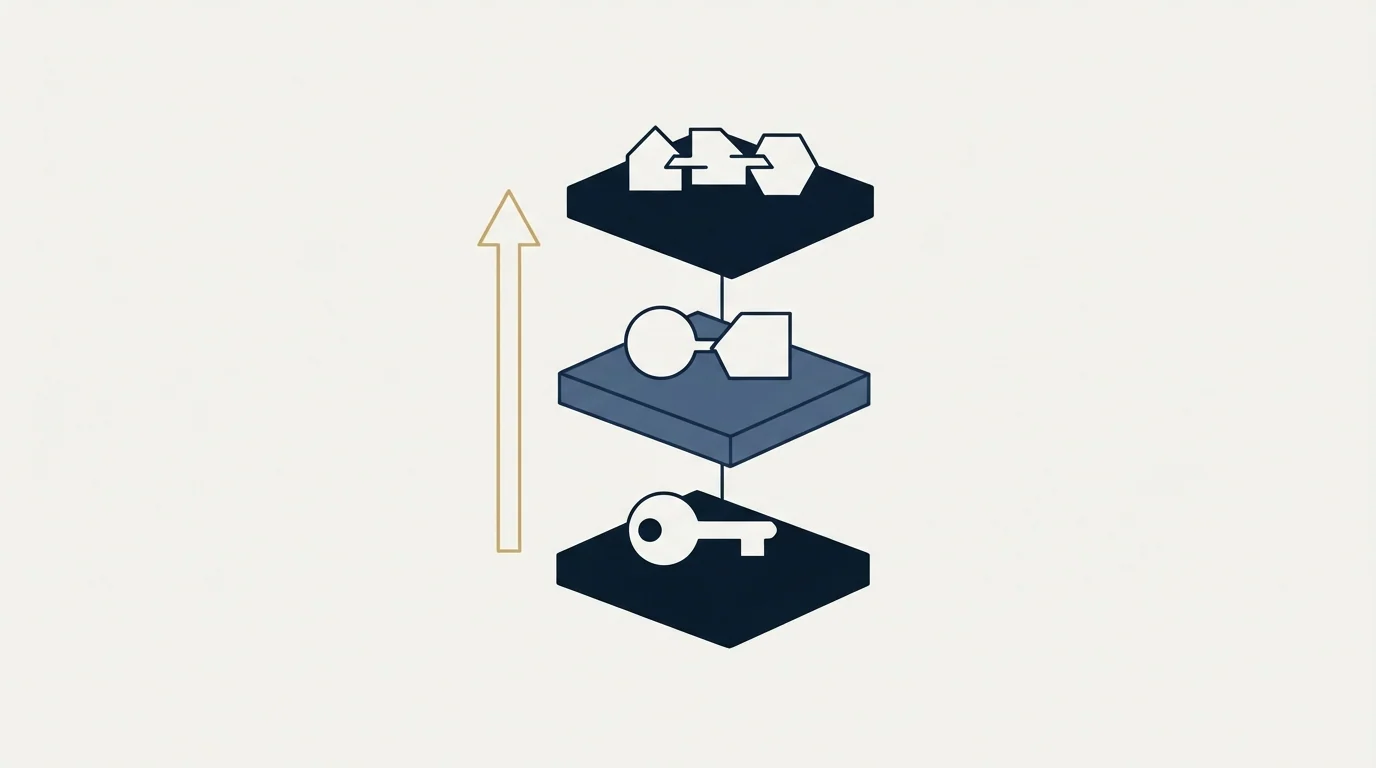
"We don't have budget." Usually true and usually irrelevant. Ask about the next cycle: "Understood. When does planning for {{next_fiscal_year}} start? I would rather be a line item you considered than a vendor you found in June." That converts a dead reply into a scheduled future conversation.
"We have to go out to bid." Good news, delivered badly. Answer with: "Makes sense. Do you write the specs internally or does a consultant?" Being in the room when specifications are drafted beats any demo.
"We're locked in with {{incumbent}}." Ask when the contract ends and what would have to be true for them to look elsewhere, then diarize the renewal date and go quiet. Board minutes usually confirm the term.
"Just send me some information." Send exactly one artifact, two pages maximum, then ask a specific follow-up question tied to it seven days later. A full deck kills the thread.
What a Realistic Outcome Looks Like
Start from your reply rate. On a well-researched, tightly segmented education list with clean deliverability, campaigns built this way produce a positive reply from a small single-digit percentage of prospects. Only a fraction of those convert to a held meeting, because the CTA is deliberately smaller than a meeting and requires a second conversion step.
Run that math on 100 prospects and you land around one to three held meetings, with the top of that range requiring real per-account research and correct fiscal timing. Anyone promising ten meetings per 100 education prospects from cold email is counting auto-replies.
Two adjustments move that number more than copy changes do: cutting the list in half and doubling research per account, and moving the send window to February instead of late September.
Track held meetings rather than booked meetings. No-show rates run high here because emergencies (a bus incident, a network outage, a board escalation) outrank vendor calls every time. Send a confirmation the morning of, and treat a reschedule as normal.
Your Pre-Launch Checklist

- One segment selected (K-12, higher ed, private, or EdTech), not all four
- Titles chosen by who owns the problem, not who signs the check
- List built from state directories, NCES or IPEDS, and board minutes
- Incumbent vendor and renewal date noted where public
- Co-op or state contract availability stated in the copy if it applies
- Send window set to 6:30 to 8:00 a.m. local, Tuesday through Thursday
- Six single-message campaigns across the fiscal year, over two channels
- Primary CTA smaller than a meeting, peer institution named in the first campaign
- Fiscal calendar acknowledged explicitly in at least one campaign
- Reporting set to held meetings, with a re-engagement date for every "not now"
If You Would Rather Have This Done For You
Building an education outbound engine means state-by-state list construction, inbox infrastructure, campaign copy per persona, and someone watching board minutes for renewal dates. Book a strategy call with RevenueFlow and we will map your segment, build the target list, and run the campaigns so your calendar fills while you focus on closing.
Related Reading
- Education Cold Email Benchmarks: 2026 Performance Data
- Cold Email for Partnerships: Building Strategic Business Relationships
- Cold Email for Product Feedback: Complete Strategy Guide
If you would rather have this run for you, RevenueFlow books qualified meetings on a pay-per-meeting basis and publishes client results.
Frequently asked questions.
Frequently asked questions- Who should I email at a school district to get a meeting?
- Email the director who owns the problem, not the superintendent. In K-12 that usually means the Director of Technology, Director of Curriculum and Instruction, Director of Special Education, or the CFO or Business Manager, depending on your category. Superintendents rarely respond to cold outreach except at districts under roughly 2,000 students, where one person wears every hat.
- What is the best time of year to cold email schools and universities?
- January through May. Most education entities run a July 1 to June 30 fiscal year, so needs assessment and budget building happen in late winter and board approval lands in spring. Late August through October is the worst window because school is in session. If you launch in the fall, aim your outreach at inclusion in the next budget cycle and say so explicitly.
- How many meetings should I expect per 100 education prospects?
- Plan for one to three held meetings per 100 prospects on a well-researched, tightly segmented list with correct fiscal timing. Positive reply rates in this vertical sit in the low single digits, and only a portion of those convert to a held call. Cutting list size in half while doubling per-account research moves that number more than rewriting copy does.
- Where do I get accurate contact data for schools and colleges?
- Public records beat commercial databases here. Use state Department of Education district directories, the NCES Common Core of Data and ELSI tool for K-12, IPEDS for higher education, district and .edu staff directories for direct emails, and board meeting minutes for incumbent vendors and renewal dates. Email formats at districts and universities are highly predictable, so bounce rates stay low.
- What CTA works best when emailing education buyers?
- Anything smaller than a demo. The highest-converting asks are the interest-check ("Worth a look, or is this already handled?"), the artifact offer (a two-page write-up sent with no call required), and the routing question ("Is this your area or should I talk to someone else?"). Save the meeting request for after you have a reply.
About the author.

Ben Carden is CRO at RevenueFlow, which builds and operates outbound revenue engines for B2B companies. Previously at Gartner Enterprise. Studied at London School of Economics.
Ben Carden · CRO
Connect on LinkedIn →Explore more.
Ready to scale your outreach?
We build GTM engines that book real meetings. See the receipts.
Related articles.
Cold Email for Influencer Outreach: Partner with Creators
Learn how to use cold email to build authentic influencer partnerships that drive real results for your brand, with proven templates and strategies.
Cold Email for Product Feedback: Complete Strategy Guide
Learn how to use cold email to gather valuable product feedback from users and prospects. Includes proven templates, feedback frameworks, and response optimization techniques.
Cold Email for PR: How to Pitch Journalists and Get Coverage
Learn how to craft cold emails that get journalists to open, read, and respond to your pitches. Includes real templates, timing strategies, and a complete PR outreach checklist.
Cold Email for Reviews: Complete Strategy Guide
Learn how to use cold email to generate authentic product reviews on G2, Capterra, and other platforms. Includes proven templates, compliance guidelines, and review generation frameworks.
Cold Email for Link Building: How to Get Quality Backlinks
Learn how to use cold email outreach to build high-quality backlinks that improve your SEO rankings, with proven templates and strategies that get responses.
Cold Email for Focus Groups: Complete Strategy Guide
Learn how to use cold email to recruit qualified participants for focus groups. Includes proven templates, screening strategies, and group composition frameworks.