Klenty vs Outreach: Cross-Category Comparison
Compare Klenty (cold email platform) and Outreach (sales engagement platform) side by side. Understand how these tools fit different stages of your sales workflow.
Neither Klenty nor Outreach publishes email warmup or inbox rotation, so a cold wave needs a dedicated sender alongside either. Klenty starts at $ 50 per month billed annually; Outreach publishes four packages and no prices. Buy the sender first, then add whichever of these two covers the bigger gap in working replies.
Key takeaways
- Klenty starts at $ 50 per month billed annually and switches to dialer minutes above it.
- Outreach prices on seats plus AI credits and publishes no figure against any of its four packages.
- Klenty publishes dialer minutes rather than email allowances above its Starter tier.
- A cold wave needs warmup and inbox rotation before it needs sequences, so buy the sending layer before the orchestration layer.
Reviewed and updated August 29, 2026
Klenty vs Outreach: Cross-Category Comparison
Klenty starts at $ 50 per month billed annually with 15000 monthly contacts and 75000 monthly emails, then changes meter above that tier to dialer minutes priced per user. Outreach publishes AI credit allowances and no prices. Both are sales engagement platforms by their own description, which makes this less of a stack question than the category labels suggest.
Why These Two Come Up Together
Klenty and Outreach sit at different points of the same outbound run, which is why they end up on the same shortlist. One side is about getting a message out at volume and getting it delivered; the other is about what a team does with the replies and meetings that follow. Teams comparing them are deciding which gap costs more this quarter, and whether the answer is one purchase or two.
Klenty. Klenty is a sales engagement platform running multi-channel cadences with AI-assisted prospecting, intent-based follow-ups and a built-in dialer.
Outreach. Outreach is an enterprise sales engagement platform that runs multi-channel sequences, conversation intelligence, deal management and revenue forecasting for teams scaling outbound.
One wrinkle worth naming before going further: Klenty describes itself as a sales engagement platform on its own pages, even though this comparison files it as a cold email platform. So the gap between the two sides here is narrower than the category labels suggest, and part of the decision is about standardising on one system rather than assembling two. It is worth reading this alongside conversation intelligence tools, because the coaching and call-analysis layer is often bought in the same conversation.
Where Each Tool Sits In A Cold Outbound Run
- Step 1Build the list
Source and verify the people worth contacting.
- Step 2Send the campaign
A sender with warmup and rotation runs the wave, one message per campaign.
- Step 3Handle the replies
Outreach routes, logs and works what comes back.
- Step 4Book and track
Meetings are booked and measured against agreed criteria.
| Aspect | Klenty | Outreach |
|---|---|---|
| Category | Cold Email Platform | Sales Engagement Platform |
| Workflow stage | Campaign execution | Outreach orchestration |
| Published entry price | $ 50 per month billed annually | Request pricing |
| What the plan meters | Contacts, then dialer minutes | Seats plus AI credits |
The table is the short version. The longer version is that Outreach is bought because a team needs to work replies consistently, and Klenty is bought for tracking and light campaigns from inboxes that already exist. Neither is bought to open a cold channel, which is the job the table cannot show.
What Each Side Actually Does In A Cold Outbound Run
RevenueFlow runs cold outbound as one message per campaign, with no thread replies and no bump sequences behind it. Under that model the sending side has a narrow and unforgiving job: get one well-targeted message into a primary inbox, from a domain and mailbox that will still be delivering next month. That makes inbox rotation, warmup and mailbox count the features that decide whether a wave is possible at all, well before anything about sequences or AI copy matters.
The Klenty pricing page fetched for this comparison lists no email warmup and no inbox rotation. The Auto-Rotation it does publish is phone number rotation on the Growth dialer, which is a different thing.
Outreach is answering a different question. Once replies start arriving, somebody has to decide who owns each one, what gets logged, which meetings count and how a rep is coached on the calls that follow. None of that helps an undelivered email, and all of it starts mattering the moment delivery is solved. So the two tools fail in different directions: buy the orchestration layer too early and you get careful reporting on a wave that is landing in spam, and run the sender alone for too long and replies get worked inconsistently, which shows up as meetings nobody qualified against anything written down.
Pricing Comparison
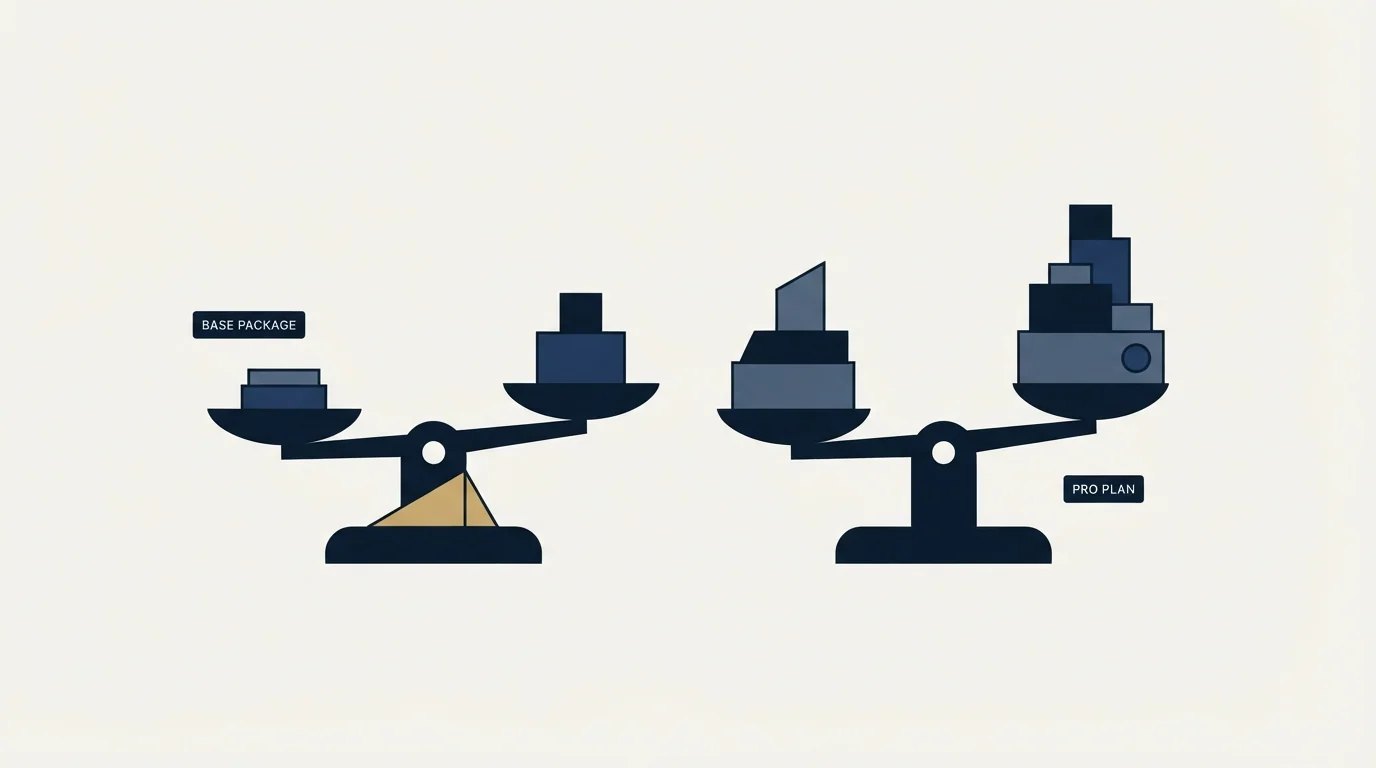
Klenty Pricing
| Plan | Price | Contacts or credits | Emails or dialer minutes |
|---|---|---|---|
| Starter | $ 50 per month billed annually | 15000 Monthly Contacts | 75000 Monthly Emails |
| Growth | $ 70 per user/month billed annually | Everything in Starter plus calling | 200 minutes included |
| Plus | $ 99 per user/month billed annually | 4000 Credits (Phone+Email) | 1,000 minutes included |
Klenty prices Starter per month and the two tiers above it per user per month, so the cost of adding a rep changes shape at the Growth line rather than growing smoothly.
Above Starter the published allowance is dialer minutes rather than email volume, so a team buying Klenty for sending is paying for a calling ladder it may not use.
A parallel and power dialer is a separate add-on at $ 45 per user/month.
Source: Klenty Pricing
Outreach Pricing
| Package | Price | AI credits |
|---|---|---|
| Amplify Essentials | Request pricing | 10,000 AI Credits |
| Amplify Core | Request pricing | 25,000 AI Credits |
| Amplify Plus | Request pricing | 50,000 AI Credits |
| Amplify Pro | Request pricing | 100,000 AI Credits |
Outreach publishes four packages and no prices. Amplify Essentials, Amplify Core, Amplify Plus and Amplify Pro each sit behind a Request pricing button.
The page describes how the pricing works rather than what it costs: a combination of seat-based pricing and consumption-based pricing powered by AI credits.
The AI credit allowances are the one figure the packages publish, running 10,000, 25,000, 50,000 and 100,000 across the four.
Source: Outreach Pricing
What The Meters Actually Count
Klenty changes meter between tiers, which is easy to miss. Starter publishes an EMAIL allowance, 15000 monthly contacts and 75000 monthly emails. Growth and Plus publish DIALER MINUTES instead, 200 and 1,000, and are priced per user where Starter is not.
Outreach states its own model on the page: a combination of seat-based pricing and consumption-based pricing powered by AI credits. The credit allowance is the number the four packages differ on publicly, so the second cost line grows with AI usage rather than with sending volume.
Those two meters move on different events, which is the part worth planning around. Adding a sending domain and adding a rep are separate costs here, so a stack that looks affordable at one seat can change shape at five.
What A Two-Tool Stack Costs
Here is illustrative arithmetic, invented as a worked example rather than taken from any client. Take a two-person team running one wave of about 2,000 prospects a month across several sending domains.
On the sending side, Klenty Starter is $ 50 per month billed annually with 15000 monthly contacts and 75000 monthly emails, which covers the wave comfortably. Adding a second person means Growth at $ 70 per user/month, so two seats is about $140 a month and the published allowance changes from emails to 200 dialer minutes.
On the orchestration side the column stays empty, and that is the point. The page fetched for this comparison publishes no figure for Outreach that this arithmetic can use, so a stack total cannot be completed from it. What you can do is walk into the quote conversation with the sending line already known, the seat count fixed and the meter you care about named, which is a much shorter call than starting from nothing.
Treat every number in this section as a worked example. The unit prices are taken from the vendors' own pages; the wave size, the team size and the totals are invented to show how the two meters interact.
Feature Highlights
Klenty Key Capabilities (Cold Email Platform)
- Multi-channel outreach (email, calls, SMS)
- Intent-based follow-ups
- AI-powered list building and enrichment
- AI sequence creation
- Sales playbooks
- Power dialer and call recordings
- Voicemail automation
- A/B testing
- 14-day free trial
- Advanced reporting and performance digests
Outreach Key Capabilities (Sales Engagement Platform)
- Multi-Channel Engagement and Sequences
- AI-powered email generation and optimization
- Conversation intelligence with call recording
- Deal health scoring and pipeline management
- Revenue forecasting with scenario planning
- Real-time analytics and reporting dashboards
- Sales rep coaching and performance insights
- Automated task management and reminders
- A/B testing for email templates
- Governance and compliance controls
Where The Two Actually Overlap
Comparisons in this category tend to open by saying the two tools barely overlap. Read against what each vendor actually lists, that is too generous. Both sides publish sequences, both publish analytics, and both publish some form of reply handling, so the overlap is real and the useful question is which system owns each job rather than whether the jobs are duplicated at all.
Where they genuinely do not overlap is sending infrastructure. Klenty lists sequences and tracking, and the page fetched for this comparison lists no warmup and no inbox rotation, so neither side of this pair covers the layer a cold wave depends on.
None of that supports a claim that either tool is alone in offering something. A feature list records what a vendor chose to publish on one page on one day, and two vendors wording the same capability differently is the normal case.
Integration Ecosystem
Klenty Integrations
Klenty connects with: Salesforce, HubSpot, Pipedrive, Zoho CRM, MS Dynamics, Zapier, Slack, Hippo Video.
Outreach Integrations
Outreach connects with: Salesforce, Microsoft Dynamics 365, HubSpot, Gmail, Microsoft Outlook, LinkedIn Sales Navigator, Gong, Chorus, Drift, 6sense, Zoom, Slack.
Shared Integrations
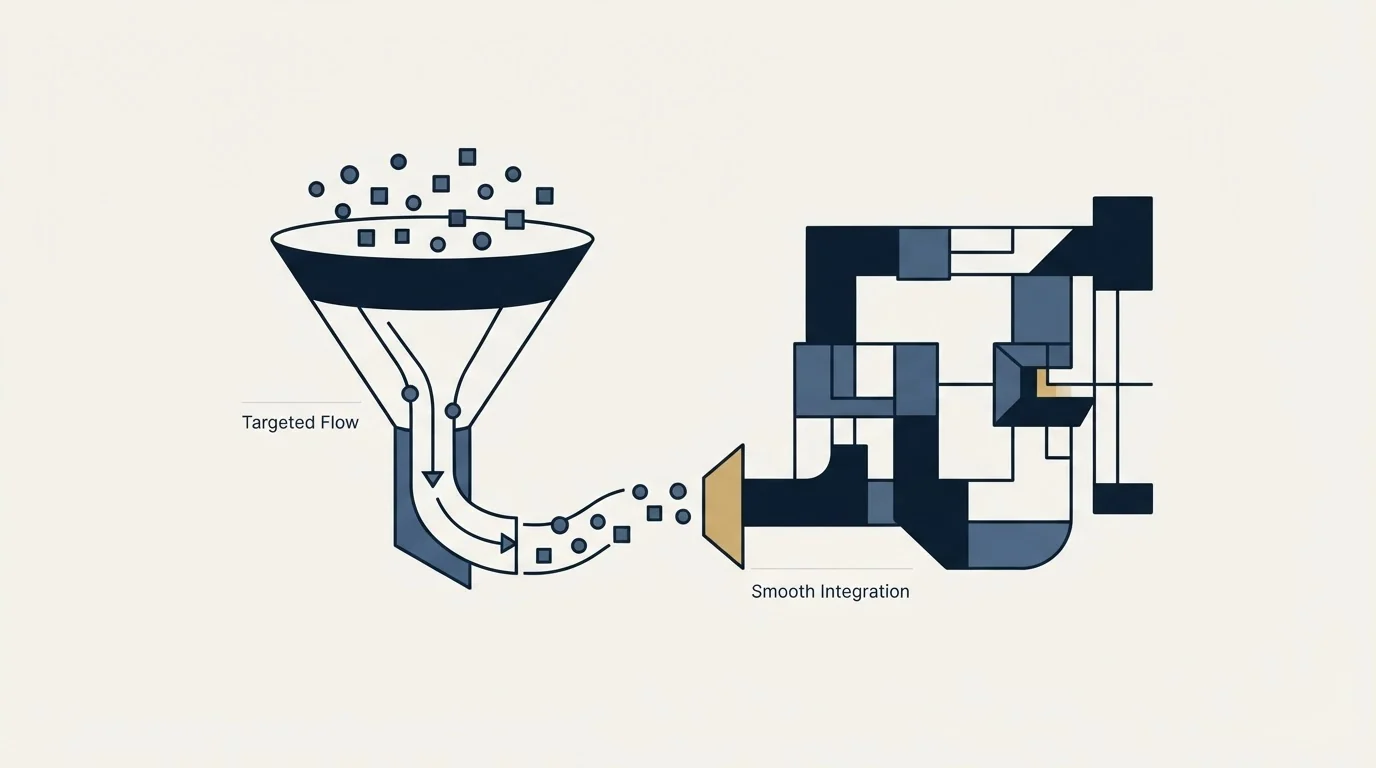
Both tools integrate with: Salesforce, HubSpot, Slack. That shared surface is what makes a two-tool stack workable in practice, because reply and meeting data can reach the same place without a custom job in the middle.
When To Choose Klenty
- Your biggest gap is getting a cold wave out and delivered
- Sending and deliverability are the missing piece, rather than reply management
- You want a published price to plan against ($ 50 per month billed annually)
- Paying per user for a dialer ladder above the entry tier fits a calling team
- You already have Outreach covered, or do not need it yet
When To Choose Outreach
- Your biggest gap is getting a cold wave out and delivered
- Sending and deliverability are the missing piece, rather than reply management
- You want a published price to plan against ($ 50 per month billed annually)
- Paying per user for a dialer ladder above the entry tier fits a calling team
- You already have Outreach covered, or do not need it yet
- Your biggest gap is what happens after a prospect replies
- Reps need routing, logging and coaching in one system
- Paying for seats and AI usage together fits how the team will use it
- You already have Klenty covered, or do not need it yet
- Your biggest gap is what happens after a prospect replies
- Reps need routing, logging and coaching in one system
- Paying for seats and AI usage together fits how the team will use it
- You already have Klenty covered, or do not need it yet
Do You Need Both, And In Which Order
The honest answer here is that neither of these two runs a cold sending operation on its own, because the Klenty pricing page fetched for this comparison lists no email warmup and no inbox rotation. A team pointing this pair at cold outbound is therefore looking at a three-tool stack rather than a two-tool one, and the missing piece is the sender. Buy that first, because a sequence engine with nowhere safe to send from produces bounces rather than meetings.
There is a second reason the order runs this way, and it is commercial rather than technical. The page fetched for this comparison publishes no price for Outreach, so committing to it means entering a quote process before you know what the sending half costs to run at your volume. Running the sender for a quarter first gives you a real send volume, a real reply rate and a real seat count to bring to that conversation, which is a considerably stronger position than a forecast.
Rolling Out Or Switching Without Losing A Month

Changing outbound tooling costs more than the licence does. The expensive part is the weeks a team spends sending at reduced volume while new domains and mailboxes earn their sender reputation. A new sending domain cannot carry full volume on day one whichever platform is behind it, so the sequencing below is what keeps a pipeline from going quiet mid-move.
- Yes: Warm new domains and mailboxes before pointing any volume at them
- Yes: Run the old and new sender in parallel for one full wave
- Yes: Carry the suppression list across before the first send
- Yes: Send one message per campaign, with no bump step behind it
- Yes: Agree in writing what counts as a qualified meeting before launch
- No: Move every rep at once on day one
The last two items are the ones teams skip. A qualified appointment definition agreed after a campaign is running turns into an argument about which meetings counted, and moving a whole team in one weekend means every problem arrives at once with no baseline to compare against.
The Decision Shortcut
If the wave has to go out this month, neither of these two is the purchase. Find a sender that publishes warmup and inbox rotation, get domains warming, and come back to this comparison once mail is landing.
If replies are already arriving and getting worked inconsistently, Outreach is the purchase, and the sending side can stay where it is for now.
If both are true at once, do them in that order anyway. A month of clean sending produces the reply volume that makes an orchestration decision obvious, and it produces it faster than a procurement cycle does.
Related Reading
- Best Klenty Alternatives in 2026
- Best Outreach Alternatives in 2026
- Instantly vs Klenty: Cold Email Platform Comparison
- Klenty vs Smartlead: Cold Email Platform Comparison
- Outreach vs Salesloft: Sales Engagement Platform Comparison
If you would rather have this run for you, RevenueFlow books qualified meetings on a pay-per-meeting basis and publishes client results.
Pricing and features are taken from the vendors' own pages. Verify current terms with the vendor before relying on them.
Frequently asked questions.
Frequently asked questions- What is the difference between Klenty and Outreach?
- They sit at different points of the same outbound run. Klenty is the sending side, which is where warmup, inbox rotation and mailbox count decide whether a wave lands at all. Outreach is the orchestration side, which decides who owns each reply, what gets logged and how reps are coached. One gets the message delivered and the other decides what happens to the answer.
- Does a team need both Klenty and Outreach?
- Not as a pair for cold outbound. Neither publishes email warmup or inbox rotation on the pages fetched for this comparison, so a cold wave needs a dedicated sender alongside whichever of these two you pick. Buy the sender first, then decide which of these adds more.
- How much do Klenty and Outreach cost?
- Klenty starts at $ 50 per month billed annually. Outreach publishes four packages and no price against any of them. Where one side publishes nothing, the useful move is to fix the sending line first and walk into the quote conversation with volume, seat count and the meter you care about already settled.
- Which one should a small outbound team start with?
- Start with neither. Put the budget into a sender that publishes warmup and inbox rotation, get domains warming, and revisit this pair once mail is landing consistently. A small team gets more from delivery than from reporting on a wave that is not arriving.
About the author.

Tim Carden is CMO / CTO at RevenueFlow, which builds and operates outbound revenue engines for B2B companies. Studied at McGill University.
Tim Carden · CMO / CTO
Connect on LinkedIn →Explore more.
Ready to scale your outreach?
We build GTM engines that book real meetings. See the receipts.
Related articles.
GetSales.io vs Yet Another Mail Merge: Sales Engagement Platform vs Cold Email Platform Comparison
Compare GetSales.io (sales engagement platform) and Yet Another Mail Merge (cold email platform) side by side. See pricing, features, and integrations to decide which one, or both, your stack needs.
Enginy vs Success.ai: Sales Engagement Platform vs Cold Email Platform Comparison
Compare Enginy (sales engagement platform) and Success.ai (cold email platform) side by side. See pricing, features, and integrations to decide which one, or both, your stack needs.
Artisan vs Yet Another Mail Merge: Sales Engagement Platform vs Cold Email Platform Comparison
Compare Artisan (sales engagement platform) and Yet Another Mail Merge (cold email platform) side by side. See pricing, features, and integrations to decide which one, or both, your stack needs.
Hexospark vs JustCall: Cold Email Platform vs Sales Engagement Platform Comparison
Compare Hexospark (cold email platform) and JustCall (sales engagement platform). See pricing, features, and integrations to decide which one, or both, your stack needs.
EmailBison vs Luru: Cold Email Platform vs Sales Engagement Platform Comparison
Compare EmailBison (cold email platform) and Luru (sales engagement platform) side by side. See pricing, features, and integrations to decide which one, or both, your stack needs.
AroundDeal vs Leadspicker: Data Enrichment Tool vs Sales Engagement Platform Comparison
Compare AroundDeal (data enrichment tool) and Leadspicker (sales engagement platform) side by side. See pricing, features, and integrations to decide which one, or both, your stack needs.