Lemlist vs TrulyInbox: Cross-Category Comparison
Compare Lemlist (cold email platform) and TrulyInbox (email warmup tool) side by side. Understand how these tools fit different stages of your sales workflow.
Lemlist sends cold email from $69 a month and bundles warming through Lemwarm, its own product running on a network of 20,000 or more domains. TrulyInbox warms on a different network, from a free plan with one account and 10 warmup emails a day. The pairing is about network diversity, not missing features.
Key takeaways
- Lemlist bundles warming through Lemwarm, its own product, so a second warmup vendor here buys network diversity rather than a missing feature.
- TrulyInbox starts free with one email account and 10 warmup emails a day, which makes a second-network test cost nothing.
- TrulyInbox meters inboxes and daily volume: $29 a month for three inboxes at 200 a day, $99 for fifteen inboxes at 1,000 a day.
- The lemlist Email plan is $69 a month with unlimited contacts and 50,000 emails, while Multichannel at $109 is priced per seat.
Reviewed and updated August 28, 2026
Lemlist vs TrulyInbox: Cross-Category Comparison
Lemwarm, lemlist's own warming product, runs through a network its page describes as 20,000 or more healthy domains. TrulyInbox runs a different network entirely, and publishes a free plan covering one email account at 10 warmup emails a day. Those two facts together make this pairing cheap to settle: you can put one mailbox on a second network for nothing and find out whether the network matters.
Lemlist is the sending platform, listing the Email plan at $69 a month with unlimited contacts and 50,000 emails a month, warming included. TrulyInbox does warming and nothing else, metered by inbox count and daily warmup volume. This is a comparison about network diversity rather than about missing features.
Why These Two Get Compared
Lemlist and TrulyInbox both appear in a cold outbound budget, and they buy different things. A sending platform runs the campaign: the list, the sequencing, the sending schedule and the replies. A warmup tool works on the mailbox underneath it, generating the engagement history that decides whether the campaign reaches an inbox or a spam folder. Neither substitutes for the other.
The useful question here is whether warming from one vendor's pool behaves differently from warming from another's, and that is an empirical question rather than a feature-list one. The free tier makes it answerable on a real mailbox at no cost, which is a better test than reading two pages of capability claims against each other.
Teams reaching this comparison are usually partway through a bigger stack decision, and the wider field of outreach platform alternatives is the part of it that decides how the sending gets done.
Where Each Tool Fits In A Cold Outbound Run
A cold outbound run at RevenueFlow is built on one message per campaign, no thread replies and no bump sequences, spread across a fleet of mailboxes each sending a modest daily volume. That shape is what makes the warming question sharp: a fleet of low-volume mailboxes only works if every mailbox in it is trusted, and a mailbox with no history is not.
- Step 1Deliverability preparation
TrulyInbox warms the mailbox and builds sender reputation, on a free entry plan.
- Step 2Campaign execution
Lemlist sends the campaign from that mailbox, from $69/mo.
| Aspect | Lemlist | TrulyInbox |
|---|---|---|
| Category | Cold Email Platform | Email Warmup Tool |
| Workflow Stage | Campaign execution | Deliverability preparation |
| Primary Focus | Cold email outreach | Email domain warming and deliverability |
| Starting Price | $69/mo | Free |
| Features Listed | 8 | 8 |
| Integrations | 13 | 7 |
The free tier is the part worth noticing. One inbox at 10 warmup emails a day is not a production configuration, and it is enough to see the dashboard, the ramp-up controls and the deliverability score against a real mailbox before any money changes hands.
Pricing Comparison

Lemlist Pricing
| Plan | Price | Contacts | Emails |
|---|---|---|---|
| $69/mo | Unlimited Contacts | 50,000 emails /mo | |
| Multichannel | $109/mo | Unlimited | Unlimited emails & messages /mo |
| Enterprise | Contact Sales | Unlimited | Unlimited emails & messages /mo |
Source: Lemlist Pricing
TrulyInbox Pricing
| Plan | Price | Contacts | Emails |
|---|---|---|---|
| Free | Free | 1 email account | 10 warmup emails/day |
| Starter | $29/mo | 3 email inboxes | 200 warmup emails/day |
| Growth | $99/mo | 15 email inboxes | 1,000 warmup emails/day |
| Scale | $199/mo | unlimited accounts connectable | 3,000 warmup emails/day |
| Scale Plus / Custom Plan | $479/mo | unlimited accounts connectable | 5,000 warmup emails/day |
Source: TrulyInbox Pricing
How Each Side Actually Prices
Lemlist sells contacts unlimited and meters sends. Its pricing page lists the Email plan at $69 a month with unlimited contacts and 50,000 emails a month, and Multichannel at $109 per seat with unlimited emails and messages. The annual column on the same page runs $55 and $87 a month.
TrulyInbox meters warmup volume rather than seats. Its pricing page starts at a free plan with one email account and 10 warmup emails a day, then Starter at $29 a month for three inboxes and 200 a day, Growth at $99 for fifteen inboxes and 1,000 a day, and Scale at $199 with a daily ceiling of 3,000. The annual option on the page takes Starter to $22, Growth to $84 and Scale to $169 a month.
Multichannel is priced per seat while the Email plan is not, so the annual saving compounds differently as a team grows. Three seats on Multichannel is three times $109 rather than one line item.
What A Two-Tool Stack Costs
Here is illustrative arithmetic for a ten-mailbox setup, invented as a worked example rather than taken from any client. Both sides come from the vendors' own pricing pages.
On the lemlist side the Email plan is $69 a month, or $55 on the annual column, with warming described as included. Multichannel at $109 is per seat, so a three-person team is three times that rather than one line. On the TrulyInbox side ten inboxes lands on Growth, listed at $99 a month for fifteen email inboxes and 1,000 warmup emails a day, falling to $84 annually; Starter at $29 covers three inboxes and would not stretch.
So the illustrative second-network line is roughly the size of the platform line, for warming you already have. That is the number to weigh against the value of independence. It is also the argument for running the second network on a subset of the fleet rather than all of it, since the meter is inbox count and the question being answered is comparative.
Does Lemlist Already Include Warmup?
Lemlist lists a deliverability hub and warm-up among its features, and Lemwarm is lemlist's own warmup product, described on the Lemwarm page as free with any lemlist subscription. That makes this the one pairing in the family where the two tools are commercially the same house.
This is the question that decides whether you are closing a gap or buying an upgrade, and it is worth answering from the vendor's own current page rather than from a feature list that may predate a repackaging.
How To Tell The Warming Worked
Reply rate is the honest measure and it is the slowest one to arrive. Bounce composition moves sooner and says more: a rising share of soft bounces and policy rejections concentrated on one mailbox provider points at reputation, while a rising share of unknown-user bounces points at the list instead. Those are different problems and only the first one is what a warmup tool is for.
TrulyInbox's real-time deliverability score is the vendor's own answer to the same question, and it is worth reading beside the campaign's numbers rather than instead of them. A vendor dashboard reports its own activity, so a score that improves while replies do not has told you the tool ran rather than that placement changed.
What Warming Will Not Fix
Warming raises the odds that a message is seen. It does nothing about whether the message deserved to be. A warmed mailbox sending a badly targeted list gets the same silence as a cold one, and the engagement ratio the warming was protecting falls anyway once real recipients start ignoring real emails at volume.
Three things sit upstream of both tools and neither vendor sells them. The list has to be right, because relevance is what produces the replies that hold a reputation up. The offer has to be worth answering. And the send pattern has to stay ordinary: one message per campaign, no thread replies, no bump sequences, and a day's volume spread across mailboxes rather than concentrated in one.
Lemlist is a multichannel platform, so its higher tier buys LinkedIn and calling rather than more email. If the plan is cold email only, the Email tier is the honest comparison point.
Feature Highlights
Lemlist Key Capabilities
- 650M+ lead database
- AI personalization
- Email warmup and deliverability boost
- Unlimited email follow-ups
- LinkedIn automation
- In-app VoIP calling
- WhatsApp integration (add-on)
- Chrome extensions
TrulyInbox Key Capabilities
- Unlimited email account connections on all paid plans
- Customizable reply rate per plan (10% to 65%)
- Customizable email ramp-up schedules
- Human-like email interaction simulation
- Real-time deliverability score tracking
- Multiple email open simulation for natural engagement
- Advanced warmup settings on higher plans
- Free forever plan with 1 inbox
Where The Two Overlap
Both products warm mailboxes, so the overlap is real rather than nominal, and the difference that matters is not on either feature list: it is which pool of domains the engagement comes from.
The overlap is small and it sits entirely on the deliverability side. TrulyInbox does one job and does not send campaigns, so the two lists compete on almost nothing that matters to a buyer. Read the difference between them the way it is written: a feature that appears on one vendor's page and not on the other's is a difference in what each chose to publish, not proof that only one tool can do it. Both lists above are taken from the vendors' own pages.
Integration Ecosystem
Lemlist connects with: HubSpot, Salesforce, Pipedrive, Close.io, Zoho CRM, Zapier, Make, n8n, Clay, Apollo, Slack, Airtable, Calendly.
TrulyInbox connects with: Gmail, Google Workspace, Outlook, Microsoft 365, Zoho Mail, SMTP, Yahoo Mail.
The shared ground is the mailbox. Both tools attach to the same Gmail, Google Workspace, Outlook or Microsoft 365 account, which is what lets one warm an address while the other sends from it, with no integration work between them.
When To Choose Lemlist First

- Your mailboxes are new, or replies have fallen away on established ones
- You already have a way to send campaigns and the sending is not the gap
- Inbox slots and daily warmup volume, with a free tier
- You want reputation evidence that does not come from the tool doing the sending
- You have no way to run a campaign at the volume the plan needs
- Your mailboxes are established and currently landing in the inbox
- Its pricing page starts at $69 and the platform already bundles warmup
- Your bottleneck is sequencing, sending and reply handling rather than reputation
Using Both Together
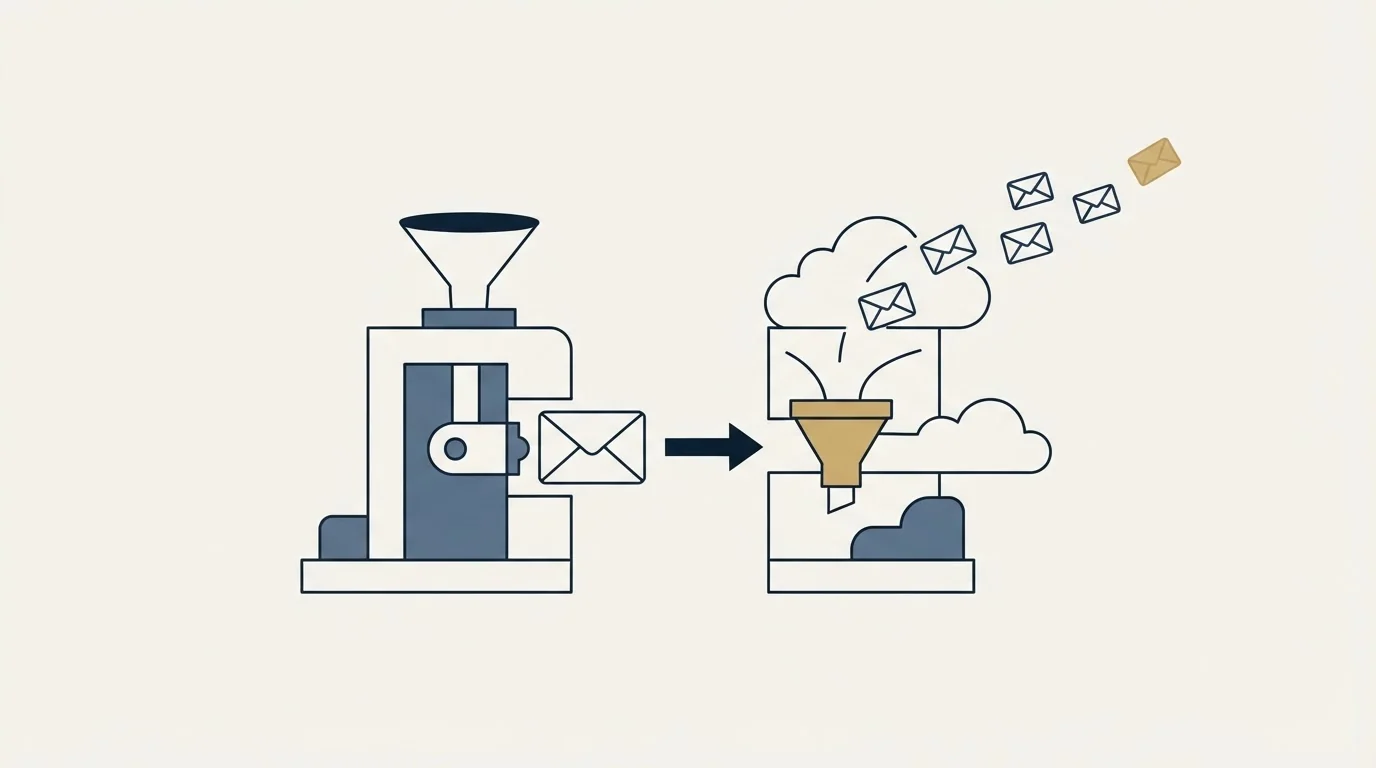
Connect a subset rather than the whole fleet and keep the comparison honest. TrulyInbox reaches Gmail, Google Workspace, Outlook, Microsoft 365, Zoho Mail, SMTP and Yahoo Mail, so a mailbox lemlist sends from can warm on both networks at once. Two or three addresses on the second network against the rest on lemlist's own warming gives a readable comparison after a few weeks of the same campaign.
Change one thing at a time, which is harder than it sounds when a new tool arrives. Connecting a second warming network and raising the daily volume in the same week produces a result nothing can attribute. Start on the free tier, leave the ramp-up alone, and let the campaign supply the comparison rather than the dashboards.
Rolling It Out Without Losing The Reputation
- Yes: Authenticate first: SPF, DKIM and DMARC on every sending domain before warming starts
- Yes: Start on the free tier: One mailbox at 10 warmup emails a day costs nothing to try
- Yes: Warm before you send: Let the ramp-up run its course rather than sending on day two
- Yes: One message per campaign: No thread replies and no bump sequences, whatever the platform allows
- Yes: Split the day across mailboxes: Low volume per inbox beats high volume from one
- Depends: Change one variable at a time: Two networks and a new list at once teaches nothing
The two house rules on that list are the ones most often broken by a new stack. One message per campaign means a prospect who does not reply is re-approached in a fresh campaign with a fresh angle rather than chased down the same thread, and it keeps each mailbox's send pattern closer to ordinary correspondence. Spreading a day's volume across mailboxes does the same thing for the fleet.
Decision Shortcut
If lemlist is already in the stack, connect the free TrulyInbox plan to one mailbox and leave the rest alone, because that costs nothing and produces the only evidence that settles this. If replies have fallen across a whole fleet, put the affected addresses on a second network and give it a few weeks before judging. If you are buying from nothing, buy lemlist first at $69 a month: it sends and it warms, and one subscription covering both is the simpler place to start.
Related Reading
- Best Lemlist Alternatives in 2026
- Best TrulyInbox Alternatives in 2026
- Instantly vs Lemlist
- Lemlist vs Smartlead
- Mailreach vs TrulyInbox
If you would rather have this run for you, RevenueFlow books qualified meetings on a pay-per-meeting basis, against criteria agreed in writing before launch, and publishes client results.
Pricing and features are taken from the vendors' own pages. Verify current terms with the vendor before relying on them.
Frequently asked questions.
Frequently asked questions- Why add TrulyInbox when lemlist already warms mailboxes?
- To warm on a different network. Lemwarm, lemlist's own warming, runs through a pool its page describes as 20,000 or more healthy domains, and TrulyInbox uses its own. Whether that difference shows up in your results is an empirical question, and the free plan makes answering it on one real mailbox cost nothing.
- What does the TrulyInbox free plan cover?
- Its pricing page lists one email account and 10 warmup emails a day. That is not a production setup for an outbound run, and it is enough to connect a real mailbox, see the ramp-up controls and the deliverability score, and judge the paid tiers before paying. Starter at $29 a month raises it to three inboxes and 200 warmup emails a day.
- Can a mailbox warm on two networks at once?
- Yes. TrulyInbox connects to Gmail, Google Workspace, Outlook, Microsoft 365, Zoho Mail, SMTP and Yahoo Mail, which covers what lemlist sends through. Keep the daily volumes modest if you do it, because two networks ramping together is a larger change to a mailbox's inbound pattern than either would make on its own.
- Which plan fits a ten-mailbox outbound fleet?
- On TrulyInbox, Growth, listed at $99 a month for fifteen email inboxes and 1,000 warmup emails a day, or $84 on the annual option. Quoting the $29 Starter price against ten mailboxes understates it, since Starter covers three inboxes. Read the inbox count beside the price rather than the price on its own.
About the author.

Tim Carden is CMO / CTO at RevenueFlow, which builds and operates outbound revenue engines for B2B companies. Studied at McGill University.
Tim Carden · CMO / CTO
Connect on LinkedIn →Explore more.
Ready to scale your outreach?
We build GTM engines that book real meetings. See the receipts.
Related articles.
Growbots vs MailHeat: Cold Email Platform vs Email Warmup Tool Comparison
Compare Growbots (cold email platform) and MailHeat (email warmup tool) side by side. See pricing, features, and integrations to decide which one, or both, your stack needs.
GetSales.io vs Yet Another Mail Merge: Sales Engagement Platform vs Cold Email Platform Comparison
Compare GetSales.io (sales engagement platform) and Yet Another Mail Merge (cold email platform) side by side. See pricing, features, and integrations to decide which one, or both, your stack needs.
Enginy vs Success.ai: Sales Engagement Platform vs Cold Email Platform Comparison
Compare Enginy (sales engagement platform) and Success.ai (cold email platform) side by side. See pricing, features, and integrations to decide which one, or both, your stack needs.
Artisan vs Yet Another Mail Merge: Sales Engagement Platform vs Cold Email Platform Comparison
Compare Artisan (sales engagement platform) and Yet Another Mail Merge (cold email platform) side by side. See pricing, features, and integrations to decide which one, or both, your stack needs.
Hexospark vs JustCall: Cold Email Platform vs Sales Engagement Platform Comparison
Compare Hexospark (cold email platform) and JustCall (sales engagement platform). See pricing, features, and integrations to decide which one, or both, your stack needs.
EmailBison vs Emelia: Cold Email Platform Comparison
Compare EmailBison and Emelia side by side. See pricing, features, and integrations to choose the right cold email platform for your needs.