11 Warm Introduction Email Templates Using Your Network
Turn connections into conversations. These warm introduction templates help you leverage mutual connections, shared experiences, and network relationships to open doors.

A warm introduction email sample that works has four parts: thanks to the introducer, one sentence showing you heard what they shared, one sentence on what you do for companies like the recipient's, and one small ask with a time. The 11 templates cover replies, shared experience, indirect ties and requests.
Key takeaways
- A warm introduction reply thanks the introducer, shows you heard what they shared, says in one sentence what you do, and makes one small ask with a time attached.
- The warm introduction workflow has five steps: pick the target and connector, ask with a draft blurb, the connector introduces, you reply within 24 to 48 hours, and you close the loop.
- Be exact about the grade of connection: a formal introduction, a suggestion to get in touch and a shared employer are different claims, and prospects often verify.
- Always confirm with the mutual connection before their name appears anywhere, and give before asking so the network keeps introducing you.
Reviewed and updated September 21, 2026
Warm introductions open a conversation from a position of trust rather than skepticism, because someone the prospect already knows has vouched for the connection. This guide gives 11 warm introduction email templates, each a working email sample for a different network situation, from the reply to a formal introduction to the email that asks for one.
Each template shows how to reference the connection honestly and make a reply easy. All of them are single messages written in our voice as a starting point.
A business development manager introduction email is the same problem pointed the other way, where the person making the introduction is a colleague handing over an account rather than a contact outside the company.
Why Warm Introductions Outperform Cold Outreach
When a trusted contact makes an introduction, several things happen:
- Credibility transfer: The prospect borrows confidence from the mutual connection
- Obligation creation: Social norms encourage responding to introductions
- Context setting: The introducer often explains why the connection matters
- Spam filtering bypass: The email doesn't feel like mass outreach
A warm introduction email sample, annotated
A warm introduction email sample that works has four parts: thanks to the introducer, one sentence showing you heard what they shared about the recipient, one sentence on what you do for companies like theirs, and one small ask with a time attached. Here is template 1, the reply to a formal introduction, with each part marked.
To: [Name] · Cc: [Introducer] · Subject: the introducer's thread, answered
Thanks to [Introducer] for connecting us. 1
As [Introducer] mentioned, we work with companies like [Company] on [specific challenge or opportunity]. 2
Based on what [Introducer] shared about your [situation/priorities], there may be value in a conversation. 3
Would you have 15 to 20 minutes next week? 4
- 1Thanks the introducer first, and keeps them copied for now.
- 2What you do, in one sentence the introducer has already vouched for.
- 3Proof you listened: what the introducer shared, not a repeat of the introduction.
- 4One small ask with a time box.
Section 1: Direct Introduction Templates
These templates are for when a mutual connection makes a direct introduction.
Template 1: Replying to a Formal Introduction
When to use: When someone has already introduced you via email.
Subject: Reply on the introducer's own email, keeping its subject line
Email:
Hi [Name],
Thanks to [Introducer] for connecting us.
As [Introducer] mentioned, we work with companies like [Company] on [specific challenge or opportunity]. Based on what [Introducer] shared about your [situation/priorities], there may be value in a conversation.
We'd like to hear what you're working on and see whether we can help.
Would you have 15-20 minutes next week?
Best, [Your name]
Customization tips:
- Keep the introducer copied initially
- Reference what the introducer shared to show you listened
- Move the conversation forward rather than repeating the introduction
Template 2: The Requested Introduction Reply
When to use: When the prospect asked to be introduced to you.
Subject: [Introducer] said you wanted to connect
Email:
Hi [Name],
[Introducer] mentioned you're interested in learning more about [topic]. Happy to help.
A bit of context: we help companies like [Company] with [specific value proposition]. [Introducer] thought there might be alignment given [what they know about the prospect's situation].
We're open this week if you'd like to talk. What works for your schedule?
Best, [Your name]
Customization tips:
- Acknowledge that they initiated the interest
- Provide enough context for them to prepare
- Be responsive to their preferred timing
Template 3: The Soft Introduction Email
When to use: When someone gave you permission to use their name but didn't make a formal introduction.
Subject: [Mutual Connection] suggested we get in touch
Email:
Hi [Name],
[Mutual Connection] suggested we get in touch with you. We were discussing [context of your conversation with the mutual connection], and your name came up as someone who might be interested.
We work with [type of companies] on [specific challenge]. [Mutual Connection] thought there could be some overlap with what you're working on at [Company].
Would you be open to a brief conversation to see if there's a fit?
Best, [Your name]
Customization tips:
- Explain why the mutual connection made the suggestion
- Be honest about the level of introduction (suggested, not formally introduced)
- Make it easy for them to verify with the mutual connection
Section 2: Shared Experience Templates
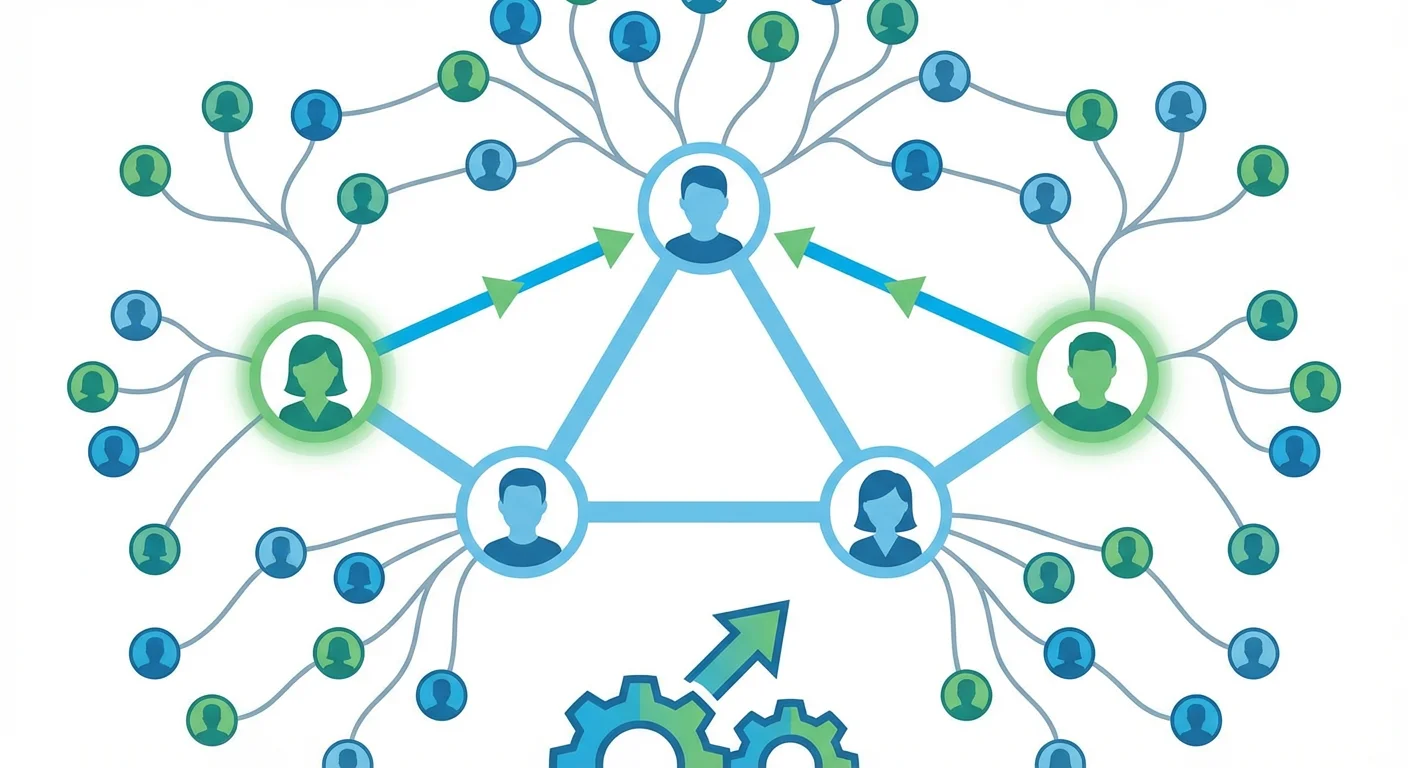
These templates leverage shared experiences rather than direct introductions.
Template 4: The Same Company Connection
When to use: When you worked at the same company.
Subject: Fellow [Company] alum
Email:
Hi [Name],
Fellow [Company] alum here: [dates], working on [what you did].
Former [Company] folks often share similar approaches to [relevant topic]. We're curious how your time there has shaped your thinking at [Current Company].
We work with companies on [specific area], and there may be an interesting conversation here.
Would you be open to connecting briefly?
Best, [Your name]
Customization tips:
- Reference your time at the shared company specifically
- Find genuine common ground beyond just the employer name
- Don't assume the connection is deeper than it is
Template 5: The Same School Connection
When to use: When you attended the same school.
Subject: Fellow [School] grad
Email:
Hi [Name],
Fellow [School] graduate here: [Class of X / Studied Y / another specific detail].
The [School] network is worth staying connected to, especially when alumni are doing interesting work like what you're building at [Company].
We work with companies on [relevant area], and if there's overlap with what you're doing, we'd enjoy connecting.
Worth a brief conversation?
Best, [Your name]
Customization tips:
- Reference specific details about your connection to the school
- Show genuine interest in what they're doing
- Don't lean too heavily on the school connection if it was long ago
Template 6: The Event Connection
When to use: When you met or both attended the same event.
Subject: From [Event Name]
Email:
Hi [Name],
We met briefly at [Event Name] during [specific context, like a session or networking]. Your perspective on [topic they discussed] stuck with us.
We've been thinking about how that applies to [related area], and we'd like to continue the conversation if you're open to it.
Worth finding 15 minutes to pick up where we left off?
Best, [Your name]
Customization tips:
- Be specific about where you met or what you discussed
- Reference something they said to show you were listening
- Write promptly after the event while it's still fresh
Section 3: Indirect Connection Templates
These templates leverage looser network connections.
Template 7: The Second-Degree Connection
When to use: When you have a mutual connection but no direct introduction.
Subject: We both know [Mutual Connection]
Email:
Hi [Name],
We noticed we're both connected with [Mutual Connection]. [Brief true context about that relationship, such as "We worked together at X" or "We met through Y".]
We work with companies like [Company] on [specific challenge], and from what we can see of your work there may be some overlap.
Would you be open to a brief conversation to explore?
Best, [Your name]
Customization tips:
- Be honest about the nature of your connection to the mutual contact
- Don't imply a closer relationship than exists
- Offer to have the mutual connection make an introduction if preferred
Template 8: The Industry Network Connection
When to use: When you're part of the same professional community.
Subject: Fellow [Industry Group/Association] member
Email:
Hi [Name],
We noticed you're part of [industry group/association] too. It's a great community for [type of professionals].
We work with [type of companies] on [specific challenge]. Given your role at [Company], there may be an interesting conversation here.
Would you be open to connecting with a fellow [group] member?
Best, [Your name]
Customization tips:
- Reference the specific group or community
- Show you're actively engaged, not just a member in name
- Use the shared community as context, not just a name-drop
Template 9: The Investor or Board Connection
When to use: When you share an investor, advisor, or board connection.
Subject: [Shared Connection] portfolio/network
Email:
Hi [Name],
We noticed [Company] and [Your Company] both have [Shared Investor/Advisor/Board Member] in common.
Companies in [their] portfolio often face similar challenges around [relevant area]. We work with several [their] companies on [specific topic], so there may be value in connecting.
Would a brief conversation be interesting?
Best, [Your name]
Customization tips:
- Verify the connection is current and accurate
- Reference the shared connection's endorsement if you have it
- Show familiarity with other companies in the same network
Section 4: Creating Warm Introductions
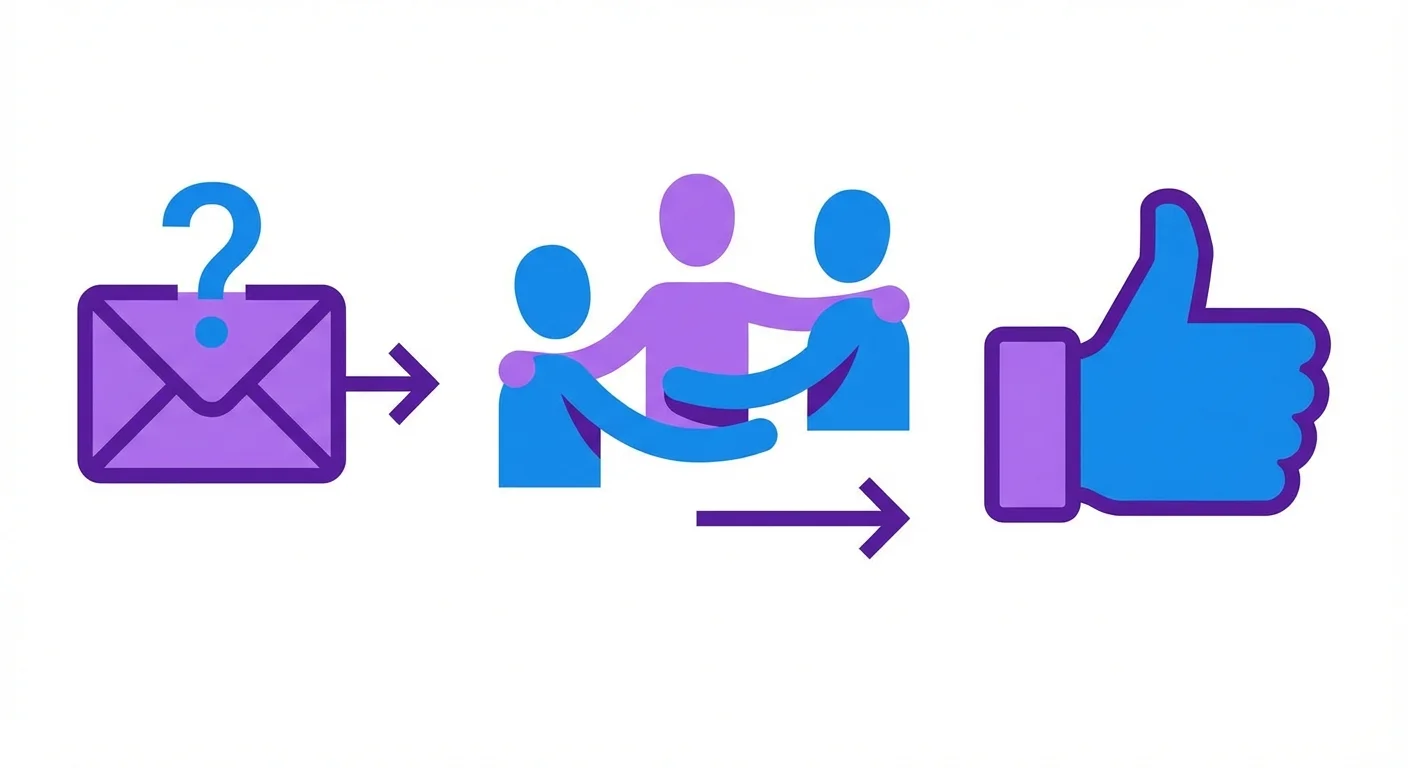
These templates help you request introductions from your network.
Template 10: Requesting an Introduction
When to use: When asking someone in your network to make an introduction.
Subject: Quick favor: introduction to [Name]
Email:
Hi [Your Contact],
We're hoping to connect with [Target Name] at [Company], and LinkedIn shows you're connected.
The reason is [specific reason you want to connect], and there could be value for them too, given [why it matters to them].
Would you be comfortable making an introduction? Here is a short blurb you could use:
"[Your Name] and I [nature of your relationship]. They work with companies like yours on [specific area]. I thought there might be value in you two connecting. [Your Name], meet [Target Name]. [Target Name], meet [Your Name]."
Feel free to change it, or tell us if you'd prefer we reach out directly and mention your name.
Thanks for considering.
Best, [Your name]
Customization tips:
- Make it easy by providing draft language
- Give them an alternative if they're not comfortable
- Explain why the introduction makes sense for both parties
Template 11: The Reference Request
When to use: When asking a customer to refer you to someone specific.
Subject: Quick favor
Email:
Hi [Customer Contact],
We'd like to reach [Target Name] at [Company], and based on their situation we could help them the same way we've helped you.
Would you be open to either: a) Making an introduction b) Letting us mention our work together when we reach out
If you're not comfortable, no worries at all. We value what we've built together and don't want to overstep.
Best, [Your name]
Customization tips:
- Only ask customers who are genuinely satisfied
- Give them options for level of involvement
- Make it clear there's no pressure
The warm introduction workflow, from request to meeting
A warm introduction workflow has five steps and three people. You pick the target and the connector, ask the connector with a draft blurb they can forward, the connector makes the introduction, you reply within 24 to 48 hours with the connector still copied, and you tell the connector what came of it. Skipping the last step is how networks stop introducing you.
The tools are ordinary. LinkedIn shows who is connected to whom, which is where template 10 starts, and a CRM of relationships holds the connection strength and the date of the last interaction, so the next request goes to someone you have given to recently rather than only asked of.
Best Practices for Warm Introductions
Get Permission First
Always confirm with the mutual connection before using their name. Dropping someone's name without permission can damage relationships.
Be Specific About the Connection
Vague references ("We know some of the same people") feel weak. Specific references ("Sarah and I worked together at Salesforce") create credibility.
Where no mutual connection exists, a cold template built on a specific referral carries the same principle into a single send with nothing held back for a follow-up.
Acknowledge the Connection Appropriately
Don't overstate the relationship. If you met someone once at a conference, say that. If you worked closely for years, say that. Misrepresenting the connection backfires.
Keep the Introducer in the Loop
When someone makes an introduction, let them know the outcome. This courtesy encourages future introductions.
Make It Easy for Introducers
When asking for introductions, provide context and draft language. The easier you make it, the more likely they'll help.
Reply Promptly
Warm introductions lose heat over time. Reply within 24 to 48 hours while the connection is fresh.
Building Your Network for Warm Introductions
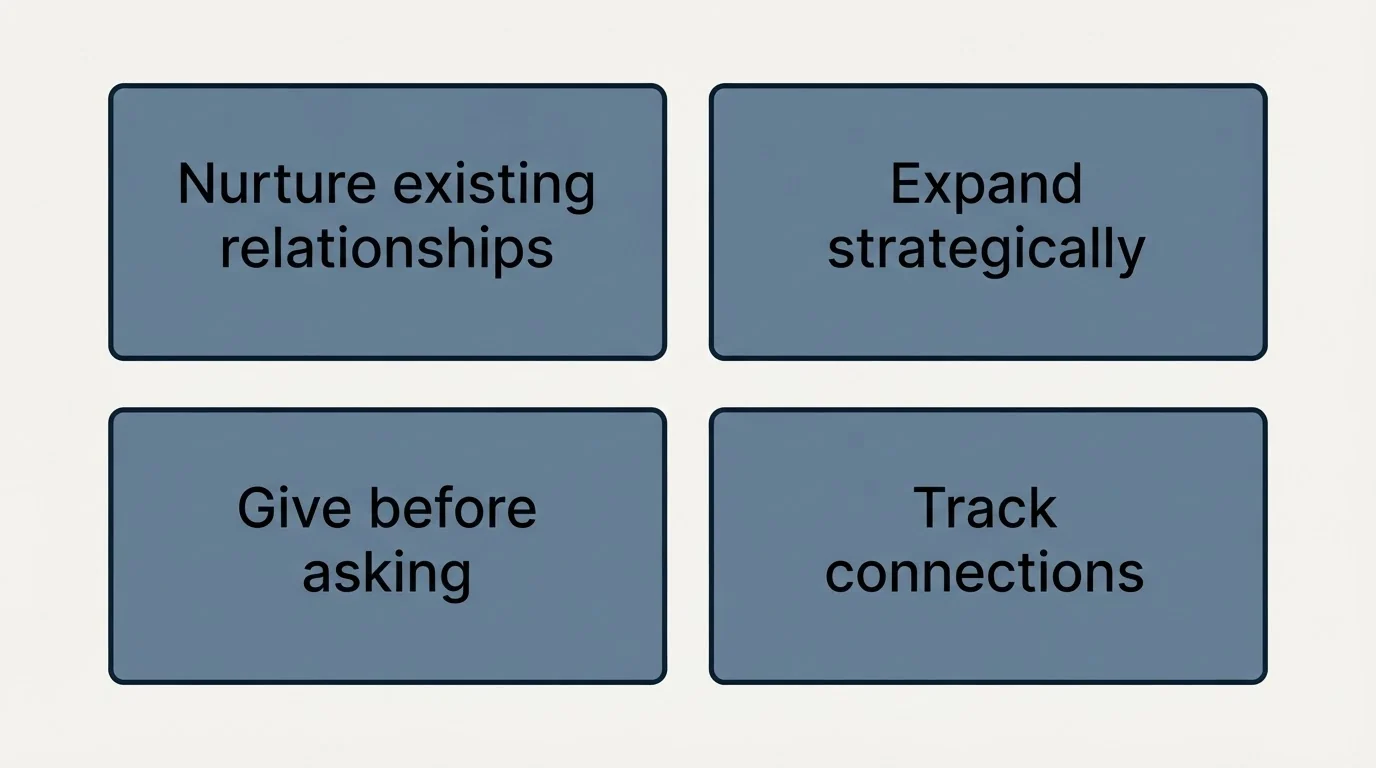
Warm introductions require having the right network. Here's how to build it:
Nurture Existing Relationships
- Stay in touch with former colleagues
- Check in with customers regularly
- Engage with industry contacts between asks
Expand Strategically
- Join relevant professional communities
- Attend industry events
- Participate in online groups and discussions
Give Before Asking
- Make introductions for others
- Share valuable content and insights
- Help your network succeed
Track Connections
- Maintain a CRM of relationships
- Note connection strength and relevance
- Update after each interaction
Common Warm Introduction Mistakes

The Name-Drop Without Permission
Using someone's name without their knowledge. This damages trust with both the prospect and your contact.
The Overstated Relationship
Claiming a closer connection than exists. Prospects often verify, and getting caught damages credibility permanently.
The Forgotten Follow-Up
Getting an introduction and not replying promptly. This wastes the introducer's goodwill and misses the opportunity.
The One-Sided Ask
Only reaching out to contacts when you need something. Strong networks require reciprocal value.
The Generic Introduction Request
Asking for introductions without explaining why the connection makes sense for the target.
| Mistake | The practice that prevents it |
|---|---|
| Name-drop without permission | Confirm with the mutual connection before their name appears anywhere |
| Overstated relationship | Describe the connection as it really is, once at a conference or years together |
| Forgotten follow-up | Reply to an introduction within 24 to 48 hours, and tell the introducer the outcome |
| One-sided ask | Give before asking: make introductions for others and help your network succeed |
| Generic introduction request | Explain why the introduction makes sense for both parties, with draft language |
Measuring Warm Introduction Performance
Track these metrics for your warm introduction efforts:
- Introduction request acceptance rate: How often do contacts agree to introduce you?
- Response rate from introductions: How do introduced prospects respond?
- Meeting conversion: Do warm intros convert to meetings at higher rates?
- Deal outcomes: How do deals from warm intros compare to cold outreach?
- Relationship impact: Are you maintaining positive relationships with introducers?
Use this data to refine your approach and identify your most valuable connectors.
Related Reading
- 14 Social Proof Email Templates That Build Credibility Instantly
- 12 Urgency Email Templates That Drive Action Without Being Pushy
- 12 Curiosity-Driven Email Templates That Get Prospects to Open and Reply
Getting Help With Network-Based Outreach
Warm introductions scale only as far as your network does. Where the right connections do not exist yet, the same principles, one specific reason and one easy ask, carry into outbound to people you have never met. See what a free campaign would look like for your market.
Frequently asked questions.
Frequently asked questions- What does a good warm introduction email sample look like?
- Four short lines. Thank the introducer, who stays copied for now. Say in one sentence what you do for companies like the recipient's. Show you listened by referencing what the introducer shared about their situation. Then ask for one small thing with a time box, such as 15 to 20 minutes next week. Template 1 on this page is that email.
- What is the workflow for getting a warm introduction?
- Pick the target and a connector who knows them, then ask the connector with a short draft blurb they can forward. Once they introduce you, reply within 24 to 48 hours with the connector still copied, and afterwards tell the connector what came of it. That last step is what keeps people willing to introduce you again.
- Do I need permission before mentioning someone's name in an introduction email?
- Yes. Confirm with the mutual connection before their name appears anywhere. Be honest about the level of introduction, whether they formally introduced you, suggested you get in touch or gave permission to use their name, and make it easy for the prospect to verify with them. Dropping a name without the person knowing damages trust with both people.
- How can I make it easier for people to introduce me?
- Give them draft language they can forward, explain why the connection makes sense for both parties, and be specific about the one person you want to meet. Offer an alternative if they are not comfortable, such as mentioning their name when you write yourself. Afterwards, tell them the outcome, and make introductions for others before you ask again.
About the author.

Ben Carden is CRO at RevenueFlow, which builds and operates outbound revenue engines for B2B companies. Previously at Gartner Enterprise. Studied at London School of Economics.
Ben Carden · CRO
Connect on LinkedIn →Explore more.
Ready to scale your outreach?
We build GTM engines that book real meetings. See the receipts.
Related articles.
10 B2B Cold Email Templates for One-Message Sends
Ten B2B cold email templates written for a single send, with the four slot structure underneath them and the test that separates a good example from a bad one.
Cold Email Templates for Customer Success Managers
Eleven cold email templates for customer success managers, covering champion change, expansion, renewal rescue, and win-back, with subject lines and timing.
14 Renewal Email Templates That Retain Customers
Master subscription and contract renewals with 14 proven email templates. Reduce churn, lock in renewals early, and maintain customer relationships.
Follow-Up Call Scripts: Nine Calls Into a Live Conversation
Nine follow-up call scripts, each tied to the event that earns the call, from a demo to a renewal, plus the four moves they share and how each call should end.
13 Case Study Request Email Templates That Get Results
Get proven email templates for requesting case studies, video testimonials, and written reviews from your happiest customers. Includes templates for every stage from initial ask to final approval.
Email Subject Line Capitalization: What the Guides Say
What the style authorities actually rule on subject line case, what the published tests measured, and the default for a one to one sales email.