Clay vs ZoomInfo: Data Enrichment Tool Comparison
Compare Clay and ZoomInfo side by side. See pricing, features, and integrations to choose the right data enrichment tool for your needs.
Clay is a workflow tool metered in actions, with published prices: Free at 500 actions a month, Launch $185 a month or $167 on annual from 15,000 actions, Growth $495 or $446 from 40,000. ZoomInfo is a quoted annual data contract, and its pricing page could not be read for this comparison.
Key takeaways
- Clay owns no contact database; it orchestrates other providers, so a Clay bill and a data bill are separate lines.
- Clay's meter is steps per row, so the same 2,000 prospects can cost 2,000 or 20,000 actions depending on the pipeline.
- ZoomInfo's pricing page answered HTTP 403 to a plain request and to a headless browser, so no ZoomInfo figure is stated here.
- Clay's older Starter, Explorer and Pro tiers at $149, $349 and $800 are not on its page; the ladder is Free, Launch, Growth and Enterprise.
Reviewed and updated September 2, 2026
Clay vs ZoomInfo: Cold Email Platform Comparison
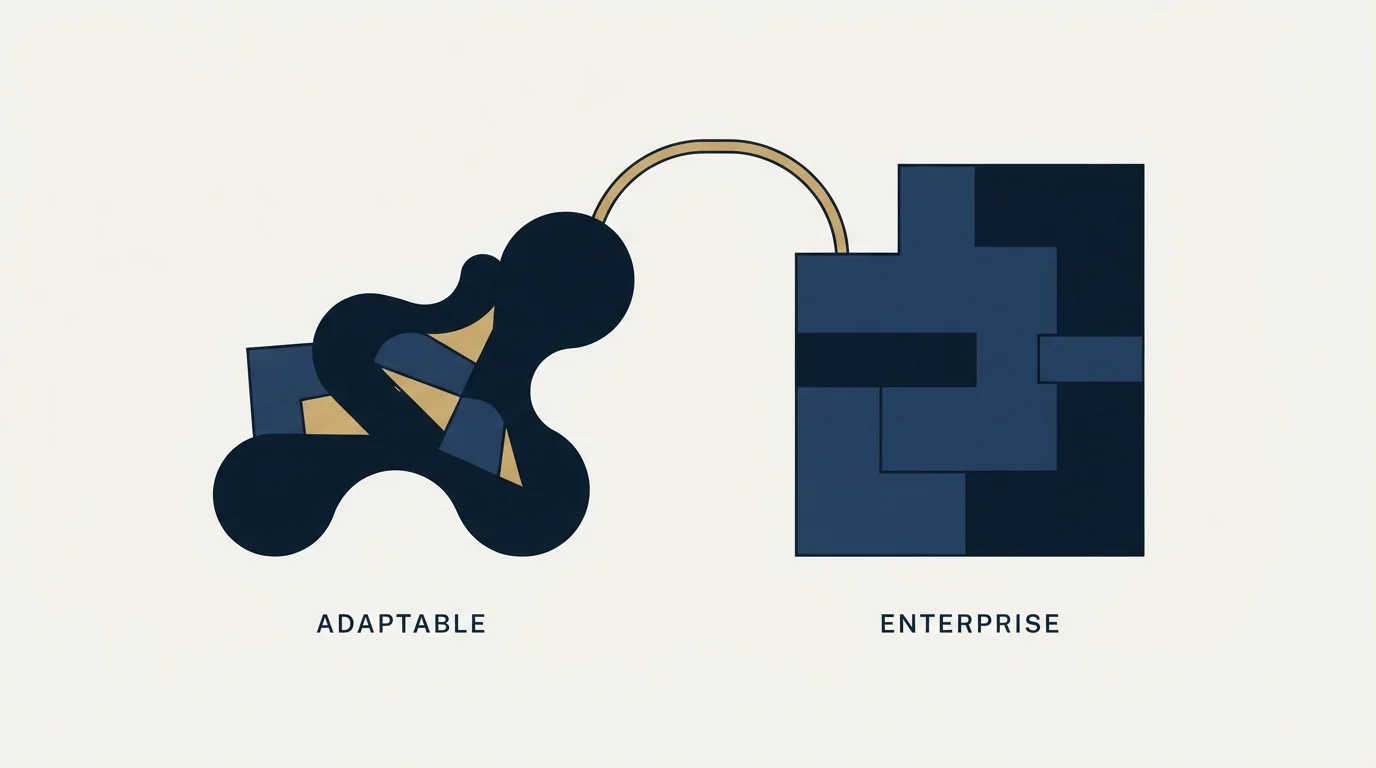
Clay does not own a contact database. ZoomInfo is one. Comparing them as if they were rival data vendors misses that a lot of Clay users run ZoomInfo underneath it, which makes this less of a choice than most comparison pages suggest.
The Quick Answer
Clay is a GTM data and workflow tool metered in ACTIONS: Free at 500 actions a month, Launch at $185 a month or $167 on annual from 15,000 actions, Growth at $495 or $446 from 40,000, and a quoted Enterprise tier. Each plan is a slider, so those figures are floors.
ZoomInfo is an enterprise sales-intelligence platform sold on a quoted annual contract with a credit allowance. Its pricing page answered HTTP 403 to a plain request and to a headless browser alike, so this article states no ZoomInfo figure.
Clay orchestrates providers. ZoomInfo is one of the providers it can orchestrate.
Understanding the Core Difference
Clay is a GTM data and workflow tool that runs enrichment and research pipelines against a table, metered in actions rather than in contacts or sends.
ZoomInfo is an enterprise sales-intelligence platform sold on a quoted annual contract with a credit allowance rather than on a self-serve list price.
Clay's unit is a step performed. Finding a person is an action, enriching their company is another, running an AI research prompt over the result is another, so a single row can consume several before it produces anything useful. A Clay budget is therefore set by how much you do per record rather than by how many records you take.
ZoomInfo's unit is a credit against an annual allowance, negotiated rather than published. What that means practically is that the marginal cost of a record is fixed at contract time and the marginal cost of THINKING about a record is zero, because ZoomInfo does not charge for judgement.
The same asymmetry decides the neighbouring comparison, where Lusha publishes a full self-serve ladder with credit allowances and seat counts on the page.
Clay reverses that. Records are cheap or free depending on the provider underneath, and judgement is the thing you pay for. Those are complements more often than substitutes.
Pricing Comparison
Launch, billed monthly
No public list price we could verify
Clay pricing
| Plan | Monthly | Billed annually | Included |
|---|---|---|---|
| Free | $0 | $0 | 500 actions/month |
| Launch | $185/mo | $167/mo | From 15,000 actions/month |
| Growth | $495/mo | $446/mo | From 40,000 actions/month |
| Enterprise | Get a demo | Get a demo | Custom |
Clay meters ACTIONS, not contacts or sends, and each plan is a slider rather than a fixed allowance, so the figures above are the floors. The plan names that circulate in older comparisons, Starter and Explorer and Pro at $149, $349 and $800 for a credits allowance, are not on the page.
Source: Clay Pricing
ZoomInfo pricing
ZoomInfo's pricing page could not be read for this comparison. It answered HTTP 403 to a plain request and to a headless browser alike, from two different approaches on the same day, so there is no snapshot behind any ZoomInfo figure here.
That is a failed fetch rather than evidence about ZoomInfo's prices, so this article states none. The per-seat and per-credit figures that circulate for Professional, Advanced and Elite come from third-party write-ups rather than from ZoomInfo, and house policy is not to publish a figure that exists only on somebody else's blog. Ask ZoomInfo for a quote, and budget for a credit model priced per seat per year with an annual commitment.
Source: ZoomInfo Pricing
What the two cost at a realistic volume
Take an invented but ordinary case: 2,000 new prospects a month, where each row needs a company enrichment, a contact lookup and one AI research pass. The arithmetic is illustrative and uses Clay's published list prices only, since no ZoomInfo figure is available.
On Clay, three steps per row over 2,000 rows is 6,000 actions a month, which fits Launch's floor of 15,000 actions at $185 a month, or $167 on annual, with room to grow. Add a fourth step and it is 8,000 actions, still inside Launch.
The number that moves the bill is steps per row rather than rows: the same 2,000 prospects at ten steps each is 20,000 actions and pushes into Growth territory.
For ZoomInfo the equivalent arithmetic cannot be published here. Ask what a contact credit costs at your volume and what the annual minimum is, then compare that against the data-provider line underneath Clay rather than against Clay's own price.
Reading the price ladders against each other
The important correction is that Clay's plan names that circulate in older comparisons, Starter and Explorer and Pro at $149, $349 and $800 for a credits allowance, are not on its page. The current ladder is Free, Launch, Growth and Enterprise, metered in actions, with each plan a slider rather than a fixed allowance.
A Clay bill and a data bill are usually separate lines, which is the thing to hold onto when comparing it with a full data vendor. Clay orchestrates other people's data, so the total cost of a Clay stack includes whatever sits underneath it.
ZoomInfo's pricing is quoted. Figures that circulate for its named tiers come from third-party write-ups rather than from ZoomInfo, and house policy is not to publish a number that exists only on somebody else's blog.
Features Breakdown
- 150+ data provider integrations
- AI-powered enrichment (Claygent)
- Unlimited users on all plans
- Credit rollover
- Workflow automation
- Data waterfall enrichment
- and 3 more listed below
- Published professional profiles
- Company profiles
- Direct emails
- Verified phone numbers
- Direct dials
- Intent signals by topic
- and 3 more listed below
Clay key features
- 150+ data provider integrations
- AI-powered enrichment (Claygent)
- Unlimited users on all plans
- Credit rollover
- Workflow automation
- Data waterfall enrichment
- Custom API key support
- HTTP API integration
- Webhooks
ZoomInfo key features
- Published professional profiles
- Company profiles
- Direct emails
- Verified phone numbers
- Direct dials
- Intent signals by topic
- Technographic data
- ZoomInfo Copilot AI
- GTM Studio
Clay's list is a workflow list: table-based pipelines, chained providers, AI research columns, conditional logic, CRM sync. Its value is that it can decide what to do with a row.
ZoomInfo's is a data platform list, and its breadth is the enterprise argument for it. Since its page could not be read here, confirm current packaging with the vendor rather than trusting any comparison table, including this one.
The one durable distinction: no contact database performs row-level judgement, and no workflow tool substitutes for owning the data.
Integration Ecosystem

Clay connects with: Salesforce, HubSpot, Pipedrive, Close, Apollo.io, Clearbit, ZoomInfo, Lemlist, Instantly, Smartlead, OpenAI, Google Sheets, Airtable, Notion.
ZoomInfo connects with: Salesforce, HubSpot, Microsoft Dynamics 365, Marketo, Outreach, SalesLoft.
Both tools integrate with: Salesforce, HubSpot.
Clay integrates outward into dozens of providers and onward into a sender, which is the point of it. ZoomInfo integrates into CRMs and sales platforms as a data source.
A common arrangement is ZoomInfo as one provider inside a Clay table, with fallbacks behind it, which is worth pricing before treating this as an either-or decision.
Who Should Pick Which
Pick Clay if the job is a decision per row. Scoring, routing, conditional enrichment and research passes are real work and no database performs them.
Consider ZoomInfo if the job is coverage. Owning a broad, deep dataset under contract is a different kind of purchase and is what enterprises buy it for.
Pick Clay first if the budget is small. Its free tier and published prices let you learn the shape of your own pipeline before committing to anything annual.
Pick neither yet if you have no ICP. Both are amplifiers. A precise list of 300 accounts beats an imprecise pipeline over 30,000 rows.
Where each one sits in a cold outbound stack
Clay sits in the enrichment and orchestration slot. ZoomInfo sits in the sourcing slot and can sit underneath Clay. Neither is the sender.
Our own doctrine keeps that slot deliberately thin: one message per campaign, no bumps and no thread replies, and volume spread across many low-volume mailboxes so no single address carries too much. LinkedIn runs as its own motion rather than as a step inside an email sequence, because a second LinkedIn message lands under the one that was ignored and reads as a bump whatever the campaign structure says.
The practical shape for a small team is a contact source, a verification step and a sender with enough mailboxes. Clay earns its place when row-level judgement is worth more than the actions it consumes.
Switching between them
There is rarely a migration between these two, because most teams that move are changing what they do rather than which vendor does it.
Leaving ZoomInfo is a contract exercise: check the term, the notice period and what happens to exported records. Leaving Clay means rebuilding whatever judgement its tables encoded, which is the expensive half and is worth documenting before switching anything off.
Neither holds your sending reputation, so nothing about deliverability moves with either decision.
Feature Comparison Summary
| Clay | ZoomInfo | |
|---|---|---|
| What it is | Enrichment and workflow orchestration | Enterprise sales-intelligence platform |
| Metered on | Actions performed | Quoted credit allowance |
| Pricing | Published: Free, $185, $495, quoted | Quoted; page could not be read for this comparison |
| Own contact database | No, it orchestrates others | Yes |
| Row-level logic | Yes, that is the product | No |
| Free tier | 500 actions a month | Not published here |
| Term | Monthly or annual | Annual contract |
| Best fit | Conditional enrichment and research | Broad coverage under contract |
Getting Started Checklist

- Count steps per row, then multiply by rows. That is Clay's meter.
- Price the data provider that will sit underneath Clay, since Clay owns none.
- Ask ZoomInfo for the credit allowance, seat count and annual minimum in writing.
- Test data quality on a segment you can verify independently, whichever you use.
- Decide whether row-level judgement is worth paying for, honestly.
- Keep verification between any data source and your sender.
Final Thoughts
Clay is a pipeline and ZoomInfo is a dataset. Teams that treat them as rivals usually end up buying both anyway, in the order that suits their budget.
Start with the ICP. Both tools amplify whatever precision you bring, and neither supplies it.
Related Reading
- Best Clay alternatives
- Best ZoomInfo alternatives
- Apollo vs Clay
- Clay vs Lusha
- Apollo vs ZoomInfo
- Clay vs UpLead
If you would rather have the sourcing and the sending run for you, RevenueFlow books qualified meetings on a pay-per-meeting basis and publishes client results.
Pricing and features are taken from the vendors' own pages. Verify current terms with the vendor before relying on them.
Frequently asked questions.
Frequently asked questions- Are these two actually competitors?
- Less than most comparison pages suggest. Clay orchestrates providers and owns no database of its own, so ZoomInfo can sit underneath a Clay table as one of the sources it calls. Teams often end up buying both, in whichever order their budget allows.
- What drives a Clay bill?
- Steps per row rather than rows. Finding a person is an action, enriching their company is another, an AI research pass is another, so 2,000 prospects at three steps each is 6,000 actions and fits Launch's 15,000 floor. The same 2,000 at ten steps each is 20,000 and does not.
- How much does ZoomInfo cost?
- This comparison cannot say. Its pricing page answered HTTP 403 to both a plain request and a headless browser, so there is no snapshot behind any figure. What can be said is that it sells a quoted annual contract, so ask for the credit allowance, seat count and term in writing.
- Which should a small team buy first?
- Clay, if the question is worth testing at all, because its free tier and published prices let you learn the shape of your own pipeline before committing to anything annual. Neither tool supplies targeting precision, and a precise list of 300 accounts beats an imprecise pipeline over 30,000 rows.
About the author.

Tim Carden is CMO / CTO at RevenueFlow, which builds and operates outbound revenue engines for B2B companies. Studied at McGill University.
Tim Carden · CMO / CTO
Connect on LinkedIn →Explore more.
Ready to scale your outreach?
We build GTM engines that book real meetings. See the receipts.
Related articles.
Apollo.io vs Proofy: Data Enrichment Tool Comparison
Compare Apollo.io and Proofy side by side. See pricing, features, and integrations to choose the right data enrichment tool for your needs.
AroundDeal vs Leadspicker: Data Enrichment Tool vs Sales Engagement Platform Comparison
Compare AroundDeal (data enrichment tool) and Leadspicker (sales engagement platform) side by side. See pricing, features, and integrations to decide which one, or both, your stack needs.
AroundDeal vs Salesflare: Data Enrichment Tool vs CRM Platform Comparison
Compare AroundDeal (data enrichment tool) and Salesflare (CRM platform) side by side. See pricing, features, and integrations to decide which one, or both, your stack needs.
Gong vs NeverBounce: Sales Engagement Platform vs Data Enrichment Tool Comparison
Gong vs NeverBounce: what Gong's own pages say about enrichment, what NeverBounce's API returns about an address, and how each vendor prices.
ContactOut vs Luru: Data Enrichment Tool vs Sales Engagement Platform Comparison
Compare ContactOut (data enrichment tool) and Luru (sales engagement platform) side by side. See pricing, features, and integrations to decide which one, or both, your stack needs.
Evaboot vs Microsoft Dynamics 365 Sales: Data Enrichment Tool vs CRM Platform Comparison
Compare Evaboot (data enrichment tool) and Microsoft Dynamics 365 Sales (CRM platform) side by side. See pricing, features, and integrations to decide which one, or both, your stack needs.