Cold Calling Prospecting: Start From the Coverage Ceiling
One caller covers accounts in the low hundreds a week, not the low thousands. That ceiling decides whether calling is your coverage channel or a sample.
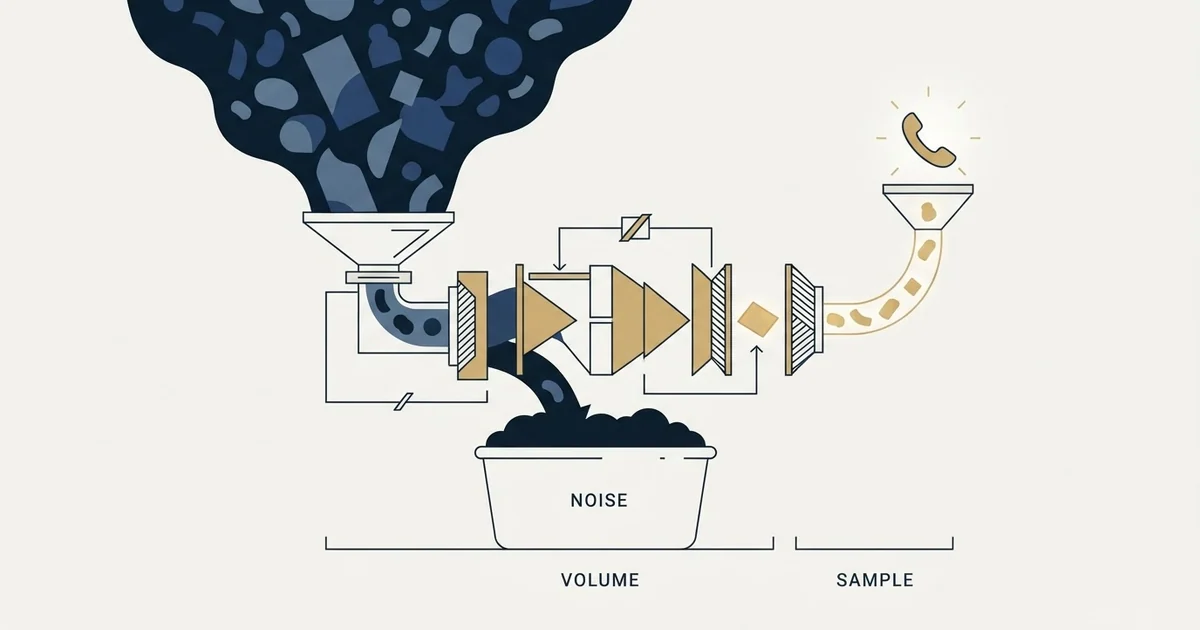
A full-time caller genuinely works one to two hundred accounts a week, so a quarter of one caller's capacity covers a low four-figure footprint. Compare that against your addressable set. If the set is smaller, calling can cover it. If larger, calling samples it, and the selection criteria become the most important part of the motion.
Key takeaways
- Calculate the footprint before the targets: accounts worked per caller per week, times weeks, is the total reach of your calling motion, and it barely moves with skill or software.
- When the addressable set exceeds the footprint, calling is a sampling instrument and which accounts get sampled is a strategic decision that belongs in writing.
- Cap research per account and time-box it, because an unbounded preparation brief expands until the calling block is gone and research feels safer than dialling.
- A calling motion producing nothing is usually diagnosed as a skills problem when the accounts called turn out to have arrived by convenience rather than by any written criterion.
Reviewed and updated August 28, 2026
One caller working a normal week gets through a bounded number of accounts, and the bound is much lower than most prospecting plans assume. Between dialling, the calls that connect, the notes, and the accounts that need a second look before anyone picks up the phone, a full-time caller covers somewhere in the low hundreds of accounts a week rather than the low thousands.
That ceiling is the organising fact of cold calling as a prospecting motion. It does not move much with skill, it does not move much with software, and everything else about how you run the phone follows from it.
Phone prospecting is the same motion under a different name, and the capacity ceiling above is what governs it whichever label a team uses.
Coverage is the constraint, and it is a hard one
Most channel planning starts from a target: this many meetings, therefore this many conversations, therefore this many dials. That arithmetic is fine as far as it goes and it hides the question that actually decides the plan, which is how much of your addressable market the phone can reach at all in the time you have.
Work it the other way. Take the number of accounts a caller genuinely covers in a week and multiply by the weeks in your planning period. That product is the total footprint of your calling motion. If your addressable set is larger than the footprint, calling is a sampling instrument and the sample has to be chosen on purpose. If the set is smaller, calling can cover everything and the question becomes how often, which is a different problem entirely.
- Every account can be reached inside the period
- Selection stops being the hard problem
- Depth and timing become the levers
- Territory can be worked systematically
- Repeat contact is a real design question
- Only a fraction of the market gets a call
- Which fraction is now a strategic decision
- The unchosen majority needs another channel
- Selection criteria have to be written down
- Measuring the sample against the whole matters
Neither column is the good one. They are different situations that call for different plans, and a prospecting motion designed for the wrong one wastes the capacity it has.
Working the footprint out on paper
The calculation is short enough to do before a planning meeting rather than during one.
Take a caller with three protected hours a day, four days a week, which is a deliberately conservative twelve hours and closer to reality than a nominal full week. At the pace a competent caller sustains without automation, that is a few hundred attempts. Attempts are not accounts: reaching a decision-maker frequently takes more than one attempt at different times of day, so the account count is meaningfully lower than the attempt count. Call it somewhere between one and two hundred accounts genuinely worked per caller per week, and treat any plan that assumes more as owing you an explanation.
Teams benchmarking their own attempt-to-conversation ratio against industry figures should first see why success rate figures disagree, since the denominator changes the story.
Over a thirteen-week quarter, one caller therefore reaches into somewhere between one and a half and two and a half thousand accounts. Two callers double it. That number is the footprint, and it is the number to hold against your addressable set.
The comparison is usually clarifying and occasionally uncomfortable. A team with 800 target accounts discovers that one caller covers the market twice over in a quarter, which means their real question is what to do with the spare capacity rather than how to buy more of it. A team with 40,000 target accounts discovers their two callers will reach roughly a tenth of it, which makes the selection criteria below the most important document in the motion.
Choosing which accounts get a person
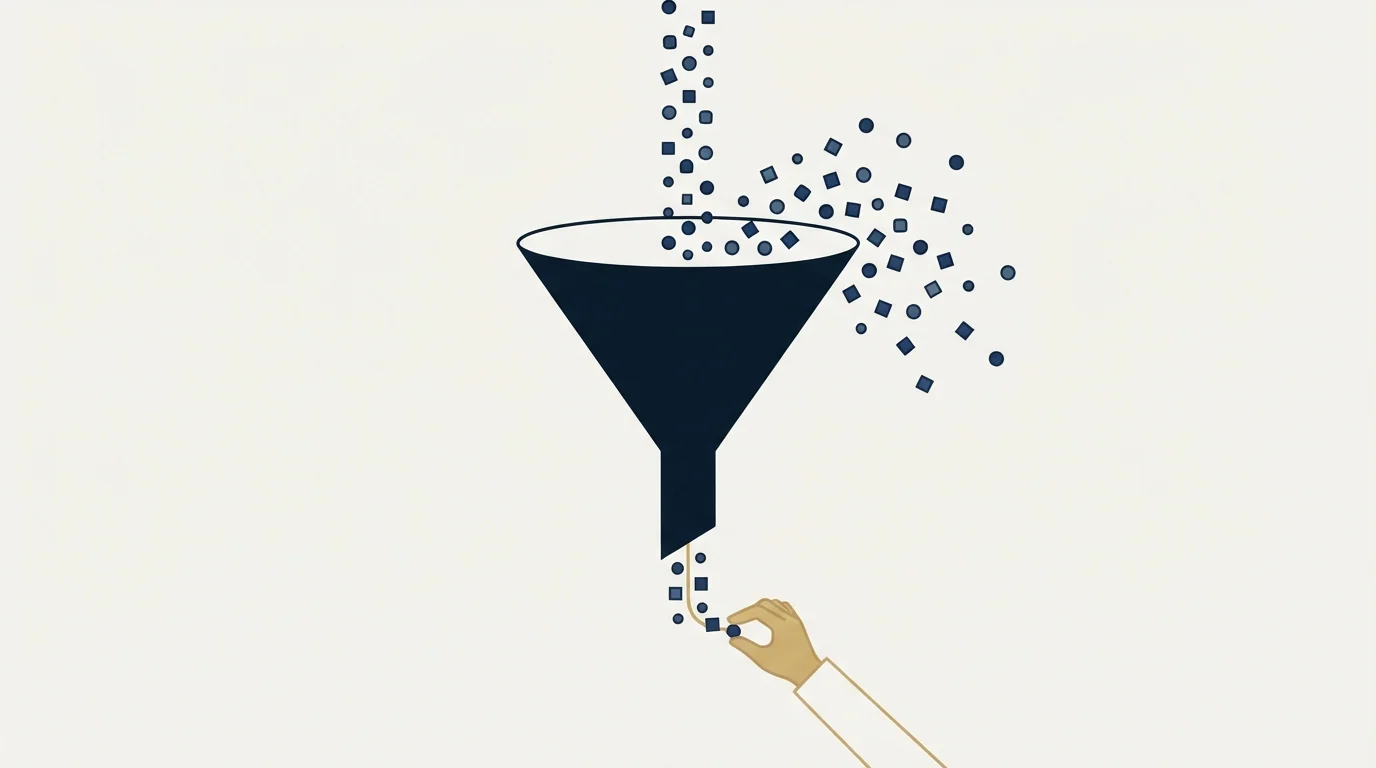
When calling is a sample, the selection criterion is the highest-leverage decision in the whole motion, and it should be written down rather than left to whoever is working the list that morning.
Three criteria earn their place, and they are all about where a conversation is worth more than an attempt on a cheaper channel.
Accounts where the value justifies the hour. The largest opportunities in your set, on whatever measure fits your business. Spending a person's attention on an account that could never be worth it is the most common form of the waste, and it happens because the list was sorted by convenience rather than by value.
Accounts where you need to learn something. New segment, new product, an ICP hypothesis nobody has tested. A connected call returns the reasons behind a decision, which is information no volume of unanswered email will ever produce. Deliberately spending calling capacity on learning is a legitimate use of it, and it should be planned as such rather than smuggled in.
Accounts with a specific, checkable reason to call today. A funding event, an acquisition, a posted role, a stated initiative. This is the one that improves the call itself rather than the target list, and it is worth stating that the reason has to survive contact: it must be something the person on the phone would recognise as true about their own company.
What does not earn a call is an account that simply appeared next in an alphabetical export. That sounds obvious written down and it describes a meaningful share of real calling activity.
Two criteria that look sensible and are not worth encoding. Familiarity is the first: the accounts a rep has heard of get called disproportionately, and brand recognition correlates with almost nothing that predicts a good conversation. The second is prior contact history in the abstract. Whether a company was emailed eight months ago tells you nothing on its own, and letting it drive selection either way, as a reason to call or a reason to skip, substitutes a fact about your own records for a fact about the buyer. The criterion that survives is whether something is true about that company now that makes the conversation worth both people's time.
The scheduling problem, which is where motions decay
A calling motion is unusually vulnerable to the calendar. Email sends whether or not anyone is having a bad week. Calling stops the moment the hours get taken by something else, and the hours always get taken by something else.
- Yes: Calling time is blocked in the calendar and defended like a customer meeting
- Yes: The list for the block is built before the block starts, not during it
- Yes: Research is capped per account and time-boxed, or it expands to fill the block
- Yes: Dispositions are a short fixed set everyone uses the same way
- Depends: Coverage is reported as accounts touched against accounts assigned
- No: Dial count is on the scoreboard
The research cap is the one that surprises people. Given an unbounded brief to prepare, a conscientious rep will research until the block is gone, because research feels productive and dialling feels risky. A hard cap of a few minutes per account, with a defined set of things to find, protects the calling time from the person doing the calling.
The last row matters for the same reason. Dial count is an input, and putting an input on the scoreboard reliably produces more of the input at the expense of everything upstream of it. Our cold call appointment setting page works through the measurement side in more detail, including which four numbers to keep separate.
Where calling sits alongside the rest of the motion
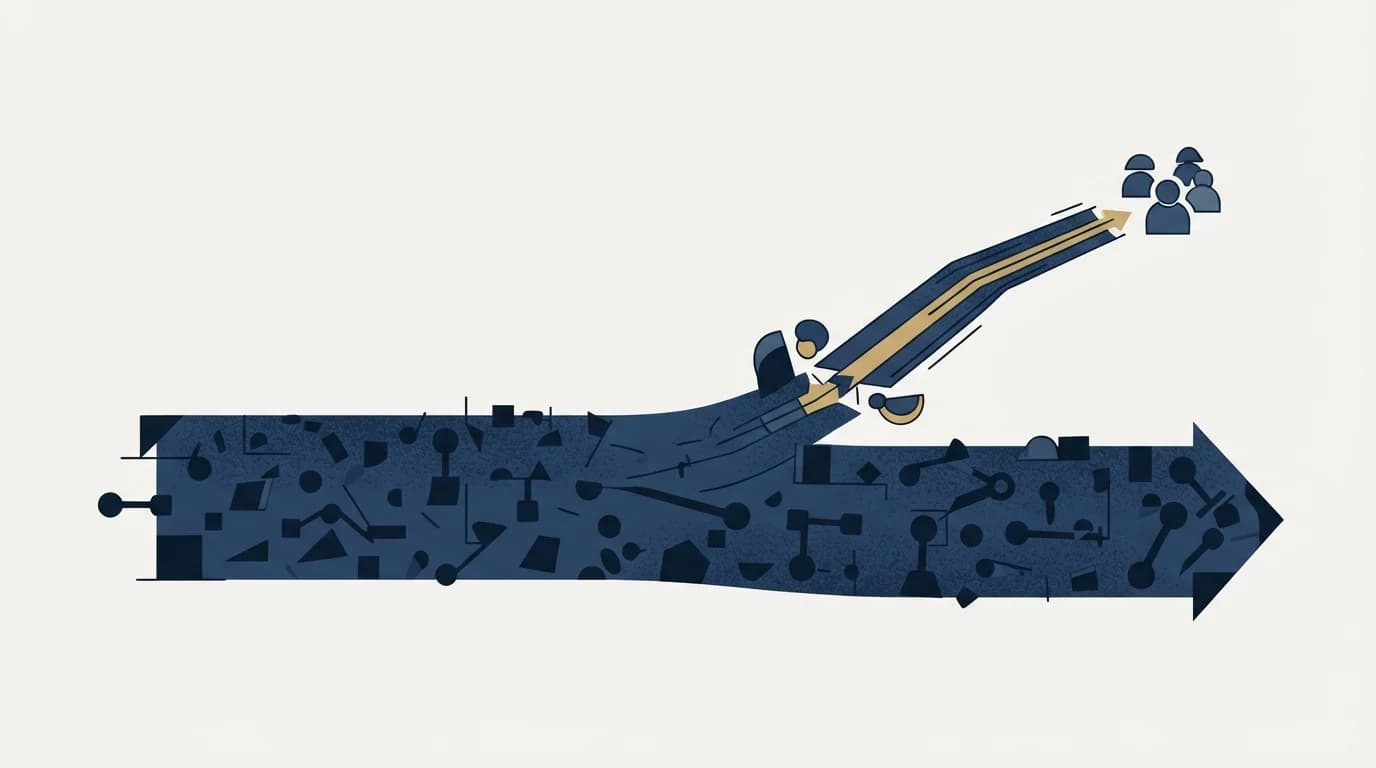
The honest position, and the reason this page exists on an outbound site that does not sell calling: the phone is the most expensive attempt available and the most informative one. That combination points it at a specific job rather than at the whole market.
That also answers whether telephone prospecting still works in today's market, a question usually asked as though the channel had one answer for everybody. The phone is neither dying nor reviving. It is expensive per attempt and rich per conversation, so it earns a place on the accounts where a conversation is worth that price and loses one everywhere the same money buys more attempts elsewhere.
The job it does best is depth on a chosen set: the accounts big enough to justify the hour, or the segment you are still learning. The job it does worst is coverage, because coverage is exactly the thing the capacity ceiling prevents.
The Agoge sequence breakdown examines a multichannel cadence that pairs calls with email and LinkedIn touches to concentrate effort where a conversation earns its cost.
Which is why the two questions to answer before designing a calling motion are how many accounts could plausibly buy, and what one is worth. Our piece on calling into a small addressable market argues the case where those numbers point firmly at the phone, and our comparison of email and calling works through the cost and information asymmetry that decides the mix. The list-selection half sits in building an ICP that actually changes the target list, which is upstream of every channel decision here.
The failure that reads as a calling problem
A calling motion that produces nothing gets diagnosed as a skills problem roughly every time, because skills are the visible variable and coaching is the available lever.
Run the check before accepting that diagnosis. Look at the accounts actually called over the last month and ask whether they meet the written selection criteria. In a motion that has been running for a while without a defended list-building step, a large share will have arrived by convenience: they were in the CRM, they were near the top, someone had heard of them. Nobody decided to call them and nobody would defend calling them.
That is a coverage and selection failure wearing a skills failure's clothes, and no amount of script work reaches it. The fix is upstream, in whoever builds the list and against what criteria, which is unglamorous and considerably cheaper than another training programme.
The short version
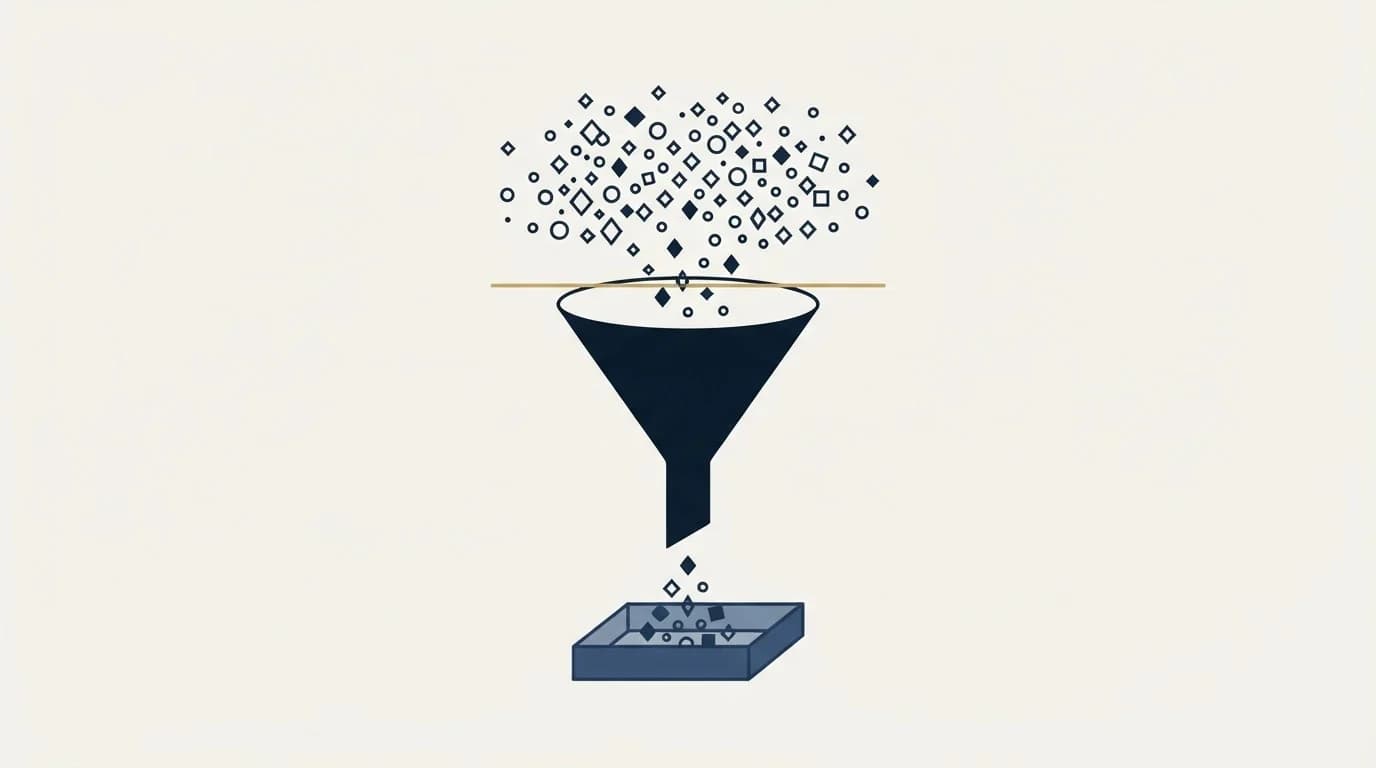
Cold calling as a prospecting motion is governed by a capacity ceiling that skill and software barely move. Work out the total footprint of your calling capacity, compare it against your addressable set, and design accordingly: coverage if the set fits inside it, deliberate sampling with written selection criteria if it does not. Protect the calling block, cap the research, and keep dial count off the scoreboard.
If your addressable set is far larger than any calling footprint and coverage is the actual problem, we run the email and LinkedIn side of that at a scale the phone cannot reach.
Frequently asked questions.
Frequently asked questions- How many accounts can one cold caller cover?
- Plan on one to two hundred genuinely worked accounts per caller per week. Attempts are higher, because reaching a decision-maker often takes more than one attempt at different times, but accounts worked is the number that matters for coverage. Any plan assuming substantially more than that owes you an explanation of where the hours come from.
- How do I decide which accounts to call rather than email?
- Three criteria justify a person's hour: the account is valuable enough that an hour is proportionate, you need to learn something a written reply will not tell you, or there is a specific checkable reason to call today that the recipient would recognise as true. An account that came next in an alphabetical export meets none of them.
- Should dial count be a target for cold callers?
- No. Dials are an input, and an input on the scoreboard reliably produces more of the input at the expense of everything upstream. Report dials, connects, conversations and meetings separately so you can see which stage is failing, and set targets on the output while managing the input in a diagnostic conversation.
- Why do cold calling programmes stop after a few weeks?
- Because calling time is the first thing surrendered when the week gets busy, and unlike email it does not run without a person. The motions that survive block the time in the calendar, build the call list before the block rather than during it, and cap research per account so preparation cannot quietly consume the hours set aside for dialling.
About the author.

B2B cold email experts helping companies generate qualified leads through done-for-you outreach campaigns.
RevenueFlow Team
Explore more.
Ready to scale your outreach?
We build GTM engines that book real meetings. See the receipts.
Related articles.
Readymode Pricing: The Seat Is Dear for What Is Inside It
Readymode publishes $199 and $249 per licence per month, near the top of the dialer range. What the seat includes that others bill separately, and when that pays.
PhoneBurner Pricing: What the Seat Price Covers
PhoneBurner publishes all three seat prices in both billing states. The metered resource is contact imports, not minutes, and the spam layer is an add-on at every tier.
Koncert Dialers: Line Counts Published, Price Is Not
Koncert publishes the parallel line ceiling on every tier, which most of this category will not. It publishes no price. What its pages state, and what the quote decides.
Sales Tonality: The 38 Percent Figure and Its Author
Almost every guide to sales tonality opens with the same statistic. Its author published a scope note saying it does not apply, and the genre never carried it.
The Agoge Sequence: What Sam Nelson Actually Built
A documented 15-touch, 27-day cadence built by Sam Nelson at Outreach. What the primary sources say, which part transfers, and where our own practice differs.
Prospecting Methods: Six Ways In, and What Each One Demands
Six prospecting methods, grouped by economics rather than preference: what each one needs before it works, where it stops scaling, and how to choose.