SuiteCRM Pricing: The Free Licence and the Three-Part Bill
SuiteCRM charges nothing for the software and prices hosting, implementation and support separately. What each step costs, and two totals the vendor works out in full.

SuiteCRM pricing starts at nothing: the software is open source under AGPLv3 with no licence or per-user fee. You pay for services: managed hosting from £50 a month on the pricing page, hosting with support from £130 a month billed annually, Quick Start setup from £2,520 and Standard Support at £1,200.
Key takeaways
- SuiteCRM is published under the AGPLv3 licence and charges no licence or per-user fee; its pricing page prices only hosting, setup and support.
- The pricing page lists managed hosting from £50 a month, Quick Start from £2,520 once, Standard Support at £1,200 for 10 hours and SuiteASSURED from £3,350 a year.
- SuiteCRM's hosted page sells hosting and support together at £130, £180 and £280 a month billed annually for Starter, Business and Premium.
- The cheapest managed bill is £1,560 a year either way: £600 hosting plus £960 discounted support, or Starter at £130 a month.
Reviewed and updated September 21, 2026
SuiteCRM pricing starts at nothing for the software. SuiteCRM is open source, published under the AGPLv3 licence, and its pricing page opens by telling you so: "A full-featured open-source CRM. Pay only for the hosting, setup, and support you actually need. The software is yours at no additional cost." What costs money is hosting, setup and support, priced in pounds by SuiteCRM Ltd, the company its site calls the driving force behind SuiteCRM: fully managed hosting from £50 a month, a Quick Start setup from £2,520, and support from £1,200 for 10 hours.
The page is a three-step chooser rather than a plan ladder, and it labels the steps itself: "Choose your hosting model", "Choose how you get started", "Choose your support level". A buyer picks one option from each and the three add up. The page carries a last-modified stamp of 27 May 2026 in its own content, and its figures are in pounds because that is the currency on the page.
A plan price that behaves as a floor is common in this bracket, and CallRail's plan fee with meters stacked above it charges numbers, minutes and texts past their allowances.
SuiteCRM pricing: what each part costs
SuiteCRM charges no licence fee and no per-user fee. On its pricing page, fully managed hosting starts at £50 a month, Quick Start implementation at £2,520 once, Standard Support at £1,200 for 10 hours and SuiteASSURED at £3,350 a year. Its hosted page sells hosting and support together from £130 a month billed annually. Self-hosting with community support costs only your infrastructure.
The SuiteCRM licence
The licence question has a short answer. SuiteCRM's own repository states that "SuiteCRM is published under the AGPLv3 license", the GNU Affero General Public License, version 3, and the licence file in that repository is the full AGPL text. The software is free to download, run and modify, with no per-user or per-install fee, which is why every price on the pricing page is for a service around the software rather than for the software itself. The AGPL's obligations fall on anyone who modifies and offers the software to others over a network, which is a question for a legal read rather than a price.
Step one: where it runs
Two options, and the gap between them is not a feature gap.
Self-hosted is listed at "Free to download", with your own infrastructure costs added beside it. The card is aimed at "Best for: technical teams with in-house IT", and it is honest about the trade: the two lines under the benefits read that your team manages updates and security, and that you will need technical resource to manage it.
Fully managed hosting starts "From £50 / month" on a monthly or annual subscription, with hosting, security, updates, backups and support handled by the vendor. One line on that card is load-bearing and easy to skim past: application support is required on managed hosting, which means step three is not optional for anyone choosing this path.
The card's "Explore hosting plans" button leads to SuiteCRM's hosted page, which sells the managed option as "All-Inclusive SuiteCRM Hosting & Support" in packages. Starter is £143 a month billed monthly or £130 billed annually, recommended for up to 10 users. Business is £198 or £180, for up to 50. Premium is £308 or £280, for up to 150. Dedicated starts from £3,200 a year, excluding VAT and application support. Every package carries a free 30-day trial and, in the page's words, no artificial restriction on the number of users you can create.
| Package | Monthly | Annual | Users |
|---|---|---|---|
| Starter | £143 | £130 | Up to 10 |
| Business | £198 | £180 | Up to 50 |
| Premium | £308 | £280 | Up to 150 |
| Dedicated | From £3,200 a year, excluding application support | ||
So the first decision is not really about money. It is about whether a sysadmin exists. A team without one is choosing managed hosting and therefore choosing a support contract, and a team with one can run the whole platform for the price of a server.
That hosting decision applies to every product in this bracket, and what a self-hosted CRM costs the tools sitting above it is a separate bill again.
Step two: how it gets set up

Self-managed implementation is listed as "Free" and points at the setup guide, positioned for teams with in-house technical capability who want full ownership.
Quick Start is the middle path, listed at "From £2,520" as a one-time implementation fee. The card describes it as up and running in days, with data structure, layouts and reports configured around your processes, automations and workflows set up to match how the team works, and one full day of hands-on training. It is marked as the most popular option on the page.
Enterprise implementation is custom priced, and the page reserves it for cases where code changes are required, with a named delivery team of project manager, business analyst, software engineer and QA.
The FAQ is explicit about the line between the middle and top tiers. Asked "What does Quick Start actually include?", it answers "Configuration of SuiteCRM around your processes and a full day of user training." and sends custom development to the Enterprise path. That is a clearer boundary than most implementation pricing offers, and it is the sentence to hold a scoping call against.
Step three: support, and the tier that is not really support
Community is free: forums, documentation, knowledge base, peer help.
Standard Support is £1,200 for 10 support hours, with additional hours available, delivered over email, phone and video call. The card also states a saving of £240 a year, twenty percent off, when it is purchased alongside fully managed hosting.
SuiteASSURED is listed "From £3,350 / year" and includes 10 care hours, but the reason it costs nearly three times Standard Support is not the hours. Its feature list is enhanced security, application warranty, maintenance assurance, patent protections, legal indemnities, audit readiness and compliance, and priority support. The FAQ confirms the framing: it is described as a warranty and assurance layer sitting on top of whichever hosting option you chose, rather than a separate product.
That is the answer to a question open-source CRM buyers in regulated industries actually have. Community software carries no warranty and no indemnity by default, and a procurement or legal team will ask who is liable when it breaks. SuiteASSURED is the priced answer to that question.
SuiteCRM's separate support services page names Standard Support's package Silver, at £1,200 plus VAT for 10 hours a year, and sells two larger blocks the pricing page does not show: Gold at £3,240 for 30 hours, shown as reduced from £3,600, and Platinum at £5,400 for 50 hours, reduced from £6,000. On that page SuiteASSURED reads £POA, price on application, while the pricing page gives it a floor of £3,350 a year. The two pages disagree, and the pricing page's figure is the one to ask about in writing.
£1,200
Silver. 10 hours a year, standard SLA, one nominated portal user. About £120 an hour.
£3,240
Gold. 30 hours a year, shown as reduced from £3,600, two portal users. £108 an hour.
£5,400
Platinum. 50 hours a year, reduced from £6,000, enhanced SLA, six portal users. £108 an hour.
£POA
SuiteASSURED. Price on application on this page; the pricing page says from £3,350 a year.
The two worked examples, and what they reveal
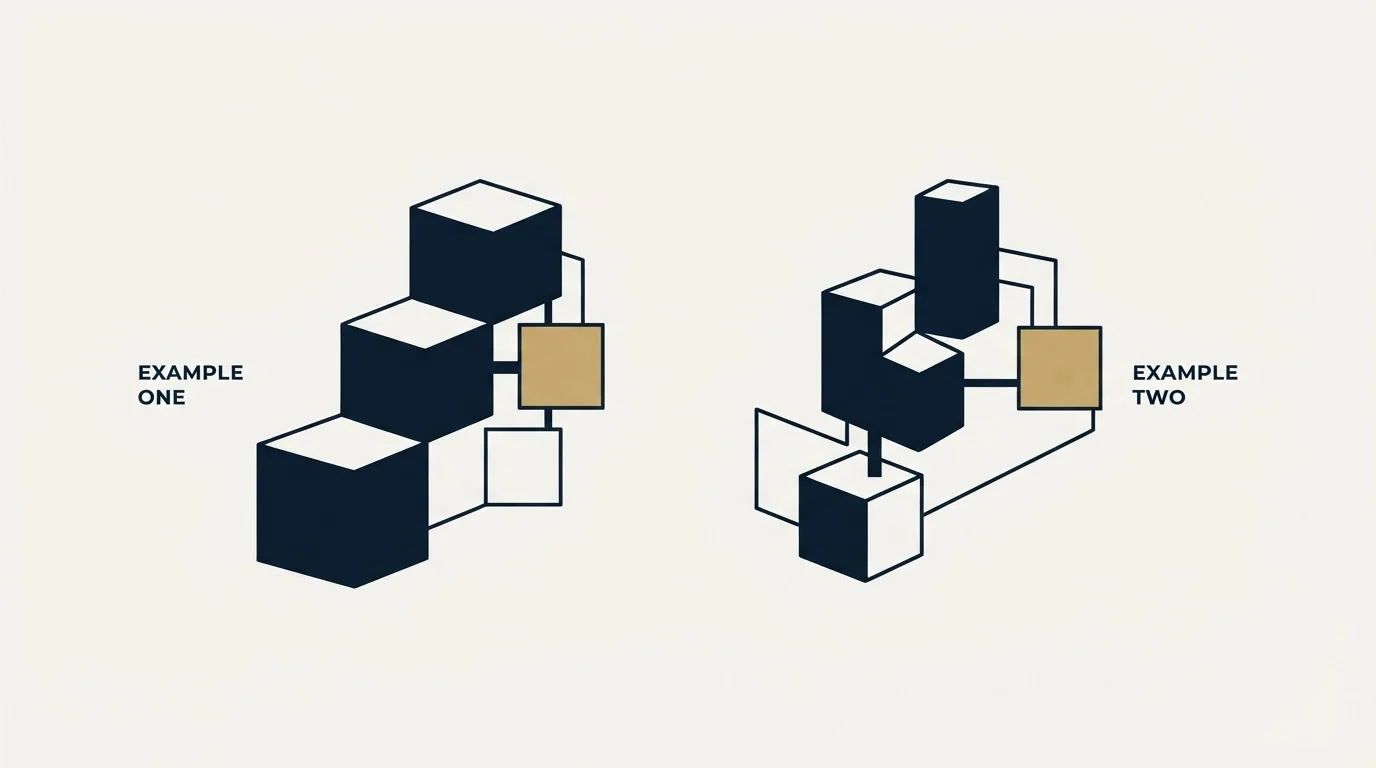
The page does something unusual and useful, under a heading that reads "Open-source freedom. Invest in growth, not licences.": two complete configurations, with the arithmetic shown.
The first pairs fully managed hosting with Standard Support and lands at £1,560 a year, shown on the page as £600 hosting plus £960 Standard Support with the twenty percent discount applied, against a one-time setup of £2,520 for Quick Start.
The second pairs fully managed hosting with SuiteASSURED and lands at £3,950 a year, shown as £600 hosting plus £3,350 SuiteASSURED support, with the same £2,520 one-time setup.
Two things fall out of those examples that the option cards alone do not say. The £600 annual hosting figure is twelve months at the £50 monthly floor, so the examples are built on the cheapest hosting tier rather than a typical one. And the discount is real and specific: £1,200 list against £960 paid is exactly the £240 saving the support card advertises.
The hosted page confirms the first example from the other side. Starter at £130 a month billed annually is £1,560 a year, the same total as £600 of hosting plus £960 of Standard Support. The cheapest honest managed bill is therefore £1,560 a year before setup, whichever page you read it from, and the £50 a month on the pricing card is the hosting line inside it rather than a price anyone pays alone.
No per-user fees, and why that is the whole comparison
The page puts its own position plainly under the heading "Scale Without Licence Costs": no per-user fees, and access to the entire platform. Its FAQ repeats it as a direct question, answers it in one word, and adds that "you pay for hosting, setup, and support, not for each person who logs in".
For an outbound team that is the number that decides everything, because seat count is the axis on which every proprietary CRM scales. A twenty-person sales floor on a per-seat product pays twenty times a monthly figure, and the same twenty people on this platform pay a hosting package sized for performance rather than for seats. The hosted packages recommend a user range, up to 10, 50 or 150, but those are performance guidance rather than licence limits. The sibling case in this wave runs the other way: SugarCRM, now trading as SugarAI, sets a fifteen user minimum on every tier, so its entry cost is fifteen seats whether or not fifteen people use it. The general direction of the market is the subject of per-seat pricing is dying, and open-source CRM is the version of that argument that was always true.
The trade is equally plain and worth stating rather than glossing. Nothing in the free tier includes anyone to call. Community support is peer support, self-hosting means your team owns patching, and the £2,520 Quick Start exists because configuring a CRM around a real sales process is work whoever does it. A team that has not budgeted for that work has not made the software free, it has moved the cost onto whoever ends up doing it internally.
Two questions the FAQ answers that a scoping call usually does not
Two items in the page's own FAQ are worth lifting out, because both are the kind of thing that normally surfaces after a contract rather than before one.
The first is what happens at the end of the support block. Asked what happens once the ten hours are gone, the FAQ answers "You can top up with additional hour blocks at any time." and adds that you will be told when you are running low. Ten hours is a small allowance for a first year of a CRM rollout, and the pricing page does not publish a top-up rate. The support services page gives the nearest answer: its 30-hour and 50-hour blocks work out at £108 an hour against £120 an hour for the 10-hour block, so a team expecting to use more than ten hours is better pricing a larger block at signature than topping up in month four.
The second is the migration path between hosting models. Its FAQ answers yes, and the dash-free half of that sentence reads "we handle migrations from self-hosted to managed at any point", with the work scoped on contact. That converts the step-one decision from a lock-in into a starting position, which matters for a team that has technical capacity today and may not in two years. It also means the cheapest honest first year for a technical team is genuinely close to zero: download, self-host, community support, self-managed setup, and pay for infrastructure only.
What the third-party pricing guides are describing
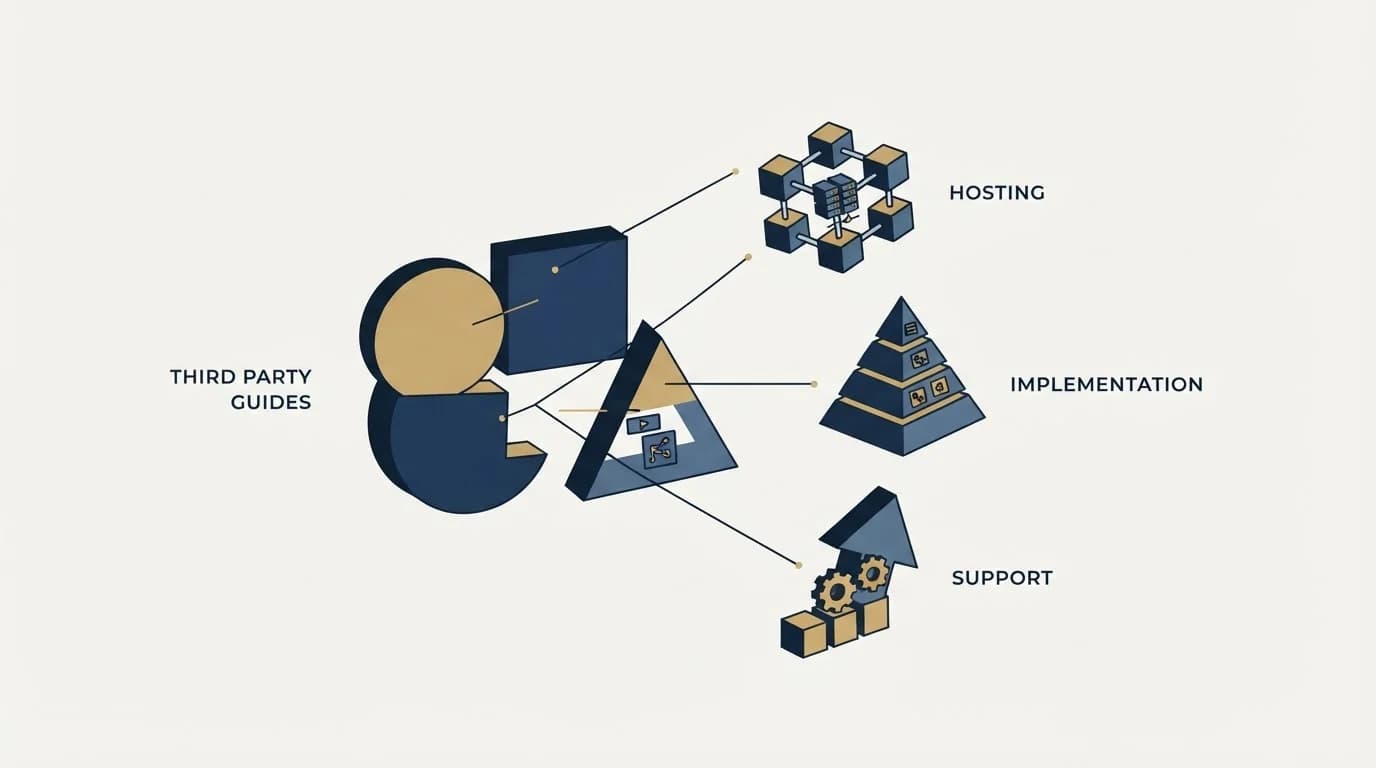
A guide that sets out a four-plan managed hosting ladder with figures well above £50 a month is describing SuiteCRM's hosted page, not an older version of the pricing page. Both are current and both are the vendor's. The pricing page quotes the hosting line alone from £50 a month and adds support as a separate step; the hosted page quotes hosting and support together, from £130 a month billed annually. A guide that quotes one without the other is telling half the bill.
The habit that survives this is the same one that works on ZoomInfo pricing: quote the page, name which page, and treat any figure without both as a lead rather than a fact.
For a shortlist of what else an outbound team runs a CRM on, best CRM tools for SDR teams and best CRM tools for startups both survey the field with the seat question front and centre. Whichever way that decision goes, the cost that dominates is rarely the licence: it is whether the system takes what outbound produces without a rep retyping it, which is the argument in CRM integration.
A CRM decision is downstream of having enough pipeline to manage. If that is the actual constraint, get a free campaign plan first.
Pricing and features are taken from the vendors' own pages. Verify current terms with the vendor before relying on them.
Frequently asked questions.
Frequently asked questions- How much does SuiteCRM cost?
- The software itself is free. SuiteCRM's pricing page charges for services: fully managed hosting from £50 a month, a Quick Start setup from £2,520 once, Standard Support at £1,200 for 10 hours and SuiteASSURED from £3,350 a year. Because managed hosting requires support, the cheapest managed setup is £1,560 a year, plus £2,520 if you take Quick Start.
- What licence is SuiteCRM released under?
- SuiteCRM's own repository states that SuiteCRM is published under the AGPLv3 license, the GNU Affero General Public License version 3. The software is free to download, run and modify, with no per-user fee. What SuiteCRM Ltd sells is hosting, implementation and support around the software, priced in pounds on its pricing and hosting pages.
- Does SuiteCRM charge per user?
- No. The pricing page's FAQ answers the question with one word, none, and adds that you pay for hosting, setup and support, not for each person who logs in. The hosted packages recommend user ranges of up to 10, 50 or 150 users, but the page describes those as performance guidance with no artificial restriction on users.
- Is SuiteCRM hosting cheaper than £130 a month?
- The pricing page lists fully managed hosting from £50 a month, but it also says application support is required on managed hosting. Add Standard Support at its discounted £960 a year and the total is £1,560 a year, which is exactly the hosted Starter package at £130 a month billed annually. Self-hosting costs only your own infrastructure.
About the author.

B2B cold email experts helping companies generate qualified leads through done-for-you outreach campaigns.
RevenueFlow Team
Explore more.
Ready to scale your outreach?
We build GTM engines that book real meetings. See the receipts.
Related articles.
Autobound Pricing: One-Time Credit Packs, Not Seats
Autobound's pricing page sells one-time credit packs for a signal data API, not seats. The six packs, the per-endpoint meter, and what a company costs.
Snitcher Pricing: The $49 Table Is the Annual Rate
Snitcher's visible price table is the annual-billing ladder. The ten bands at both billing states, the unique-company meter, and the rules on a help page.
What Cold Email and Sales Tools Actually Cost in 2026: Pricing Data From 386 Vendors
RevenueFlow's verified dataset of 386 sales tools puts the median starting price at $39.98 a month. Here is the spread by category, tier and billing model.
TexAu Pricing: Four Tiers, Billed Only on a Match
TexAu charges credits only when a lookup succeeds. The four tiers at both billing states, the rollover cap, and three places the page disagrees with itself.
The Real Cost per 1,000 Emails, Verifications and Data Credits in 2026
Unit prices computed from verified vendor plans: $1.00 per 1,000 emails sent, $2.00 per 1,000 verifications and $19.60 per 1,000 enrichment credits.
Airscale Pricing: Three Plans, One Credit, Four Rates
Airscale prints a different credit cost on every plan, and its advertised per-email price belongs to the custom one. The dated ladder and the rollover rules.