What ClickFunnels Is: A Five Stage Commerce Model
ClickFunnels publishes five named stages rather than a page builder. Two translate to B2B outbound. Three assume a sale that completes on the page.
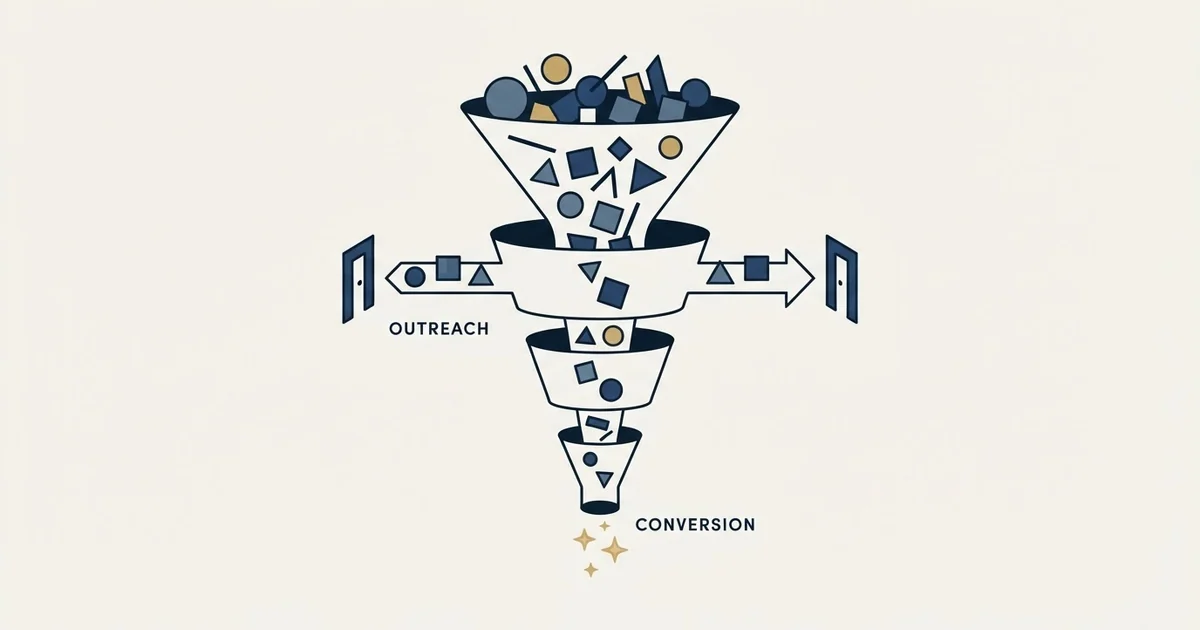
ClickFunnels publishes its product as five stages: Attract, Sell, UpSell, Ascend and Repeat, with every app included on every plan. It is built for creators, coaches and course sellers. For a B2B outbound team, Attract and Ascend translate while the middle three assume a transaction that completes on the page.
Key takeaways
- The vendor's own homepage frames the product as five named stages rather than as a page builder, and states the thesis directly: funnels are described there as a mentality rather than a feature.
- Every app in the bundle is marked included on every plan, so the tier decision is about contacts and sending volume rather than about which capabilities are switched on.
- Three of the five stages, Sell, UpSell and Repeat, assume a purchase that completes on the page, which a B2B sale with a committee and a signature does not have.
- Two generations run side by side, the current product and ClickFunnels Classic, each with its own login and status page, so a third-party review can be describing either one without saying which.
Reviewed and updated September 2, 2026
What ClickFunnels Is: A Five Stage Commerce Model With a Page Builder at the Front
Somebody in a B2B marketing meeting proposes ClickFunnels for the next campaign landing page. Half the room has heard of it and pictures a page builder. The other half has seen it sold in creator webinars and pictures something closer to an infomercial. Both pictures are incomplete, and the gap between them is why the tool gets bought for the wrong job and dropped six months later.
The product describes itself precisely enough on its own pages to settle this. What it sells is not a page builder with extras attached. It is a five stage model of a self serve business, with a page builder occupying the first stage.
The five stages, in the vendor's own vocabulary
ClickFunnels' homepage lays out what it calls "The funnel mindset" as five named stages, each with its own list of components. Reading them in order is the fastest way to understand what the subscription is actually for.
Attract carries landing pages, lead magnets, opt-in forms, surveys, blogs, content pages, websites and FunnelHubs.
Sell carries order forms, checkout, tripwire funnels and e-commerce stores.
UpSell carries one-click upsells, one time offers and order form bumps.
Ascend carries a sales CRM, pipelines, appointments, calendars, two-way messaging, chat, SMS, email and social.
Repeat carries courses, membership areas, community groups, email sequences and email broadcasting.
The page states the thesis under those five columns without hedging: "Funnels aren't just a feature - they're a mentality." The apps list underneath is the same model expressed as products, and the pricing page marks every one of them "Included for free in every plan": landing pages, survey workflows, countdown funnels, courses, community, store, email, automations, site, message hub, appointments, opportunities, analytics, discounts, payments and an affiliate centre.
- Step 1Attract
Landing pages, lead magnets, opt-in forms, surveys, blogs, content pages, websites
- Step 2Sell
Order forms, checkout, tripwire funnels, e-commerce stores
- Step 3UpSell
One-click upsells, one time offers, order form bumps
- Step 4Ascend
Sales CRM, pipelines, appointments, calendars, two-way messaging, chat, SMS, email
- Step 5Repeat
Courses, membership areas, community groups, email sequences, broadcasting
That model is coherent, and it is worth taking seriously rather than dismissing. It describes a business where a stranger arrives on a page, buys something small on the spot, is offered something larger in the same session, and is then held in a course or community that keeps selling to them. Every stage feeds the next inside one platform, which is exactly why the platform bundles a checkout, an email sender, a CRM and a course host into a single subscription.
Who the vendor says it is for
The homepage does not leave the audience to inference. One section is titled "Funnels for Creators" and opens with "Market yourself with confidence. Get your online business up and running in a day." The customer quotations beside it are from coaches, authors, community builders and course sellers, and the platform's own headline is "Marketing Funnels Made Easy". The scale figures the page publishes are "100K+ ClickFunnels Users" and "1M+ Sales Funnels Created".
None of that is a criticism. It is a description of the buyer the product is designed around, and it should govern how much of the five stage model a B2B team expects to use.
Translating the model to a B2B outbound programme
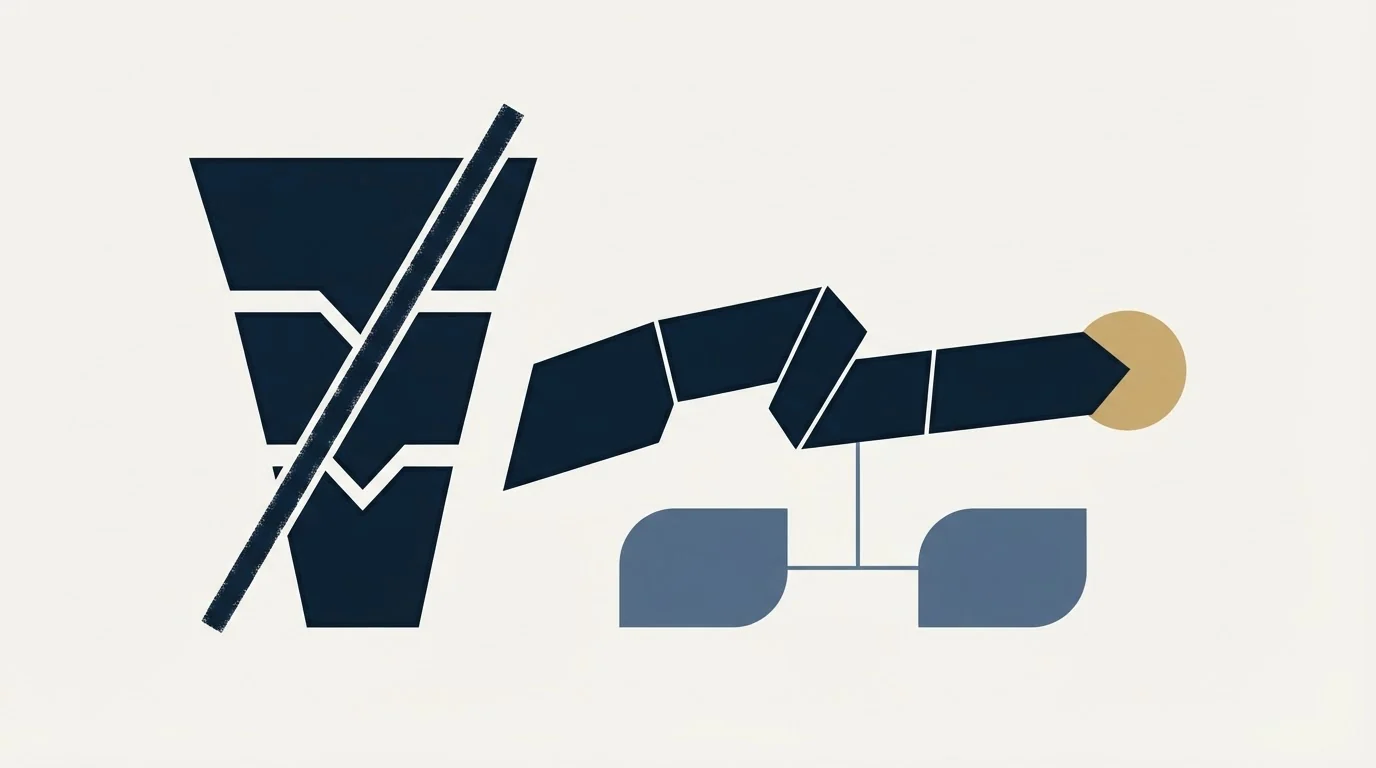
Two of the five stages transfer cleanly. Three do not, and the reason is structural rather than a matter of configuration.
Attract transfers, with a caveat about where the traffic comes from. A campaign landing page, an opt-in form and a survey are all things a B2B team genuinely needs. The caveat is that in the creator model the Attract stage is fed by ads or an audience, whereas an outbound programme feeds it from a message it sent to a named person. That is a smaller and much better qualified flow, and it changes what the page has to do: it continues a conversation rather than starting one.
Ascend transfers, and is the part most B2B readers underestimate. Pipelines, appointments, calendars and two-way messaging are the actual mechanics of a B2B follow through. Whether you want them from this platform is a different question, covered below.
Sell, UpSell and Repeat mostly do not transfer, because each assumes a transaction that completes on the page. A one-click upsell needs a first click that was a purchase. An order form bump needs an order form. A B2B sale with a committee, a procurement step and a signature has no moment where any of those three fire. What replaces them is a sequence of conversations, which is a different shape entirely and is set out in the SaaS sales funnel.
- Campaign landing pages and opt-in forms
- Surveys used as qualification
- Pipelines and deal tracking
- Appointments and calendars
- Two-way messaging
- Order forms and checkout
- One-click upsells and order bumps
- Tripwire funnels
- Courses and membership areas
- Community groups as a retention layer
- Fed by a sent message rather than an ad
- Small and already qualified
- No query intent to match
- Conversion decided weeks later
Two generations of the product are live at once
One detail worth carrying into any research on this tool: the navigation and the footer both offer a separate login, status page and support surface for "ClickFunnels Classic" alongside the current product. Two generations run side by side, and the pricing page describes the current one as "The funnel builder that started it all just got better."
That matters when reading third-party reviews. A review, a screenshot or a tutorial can be describing either generation without saying which, and a feature that a comparison page reports as missing may simply live in the other product. Check which one a source is describing before treating its account as current, and the same applies to any account of the interface.
What the platform is really competing against
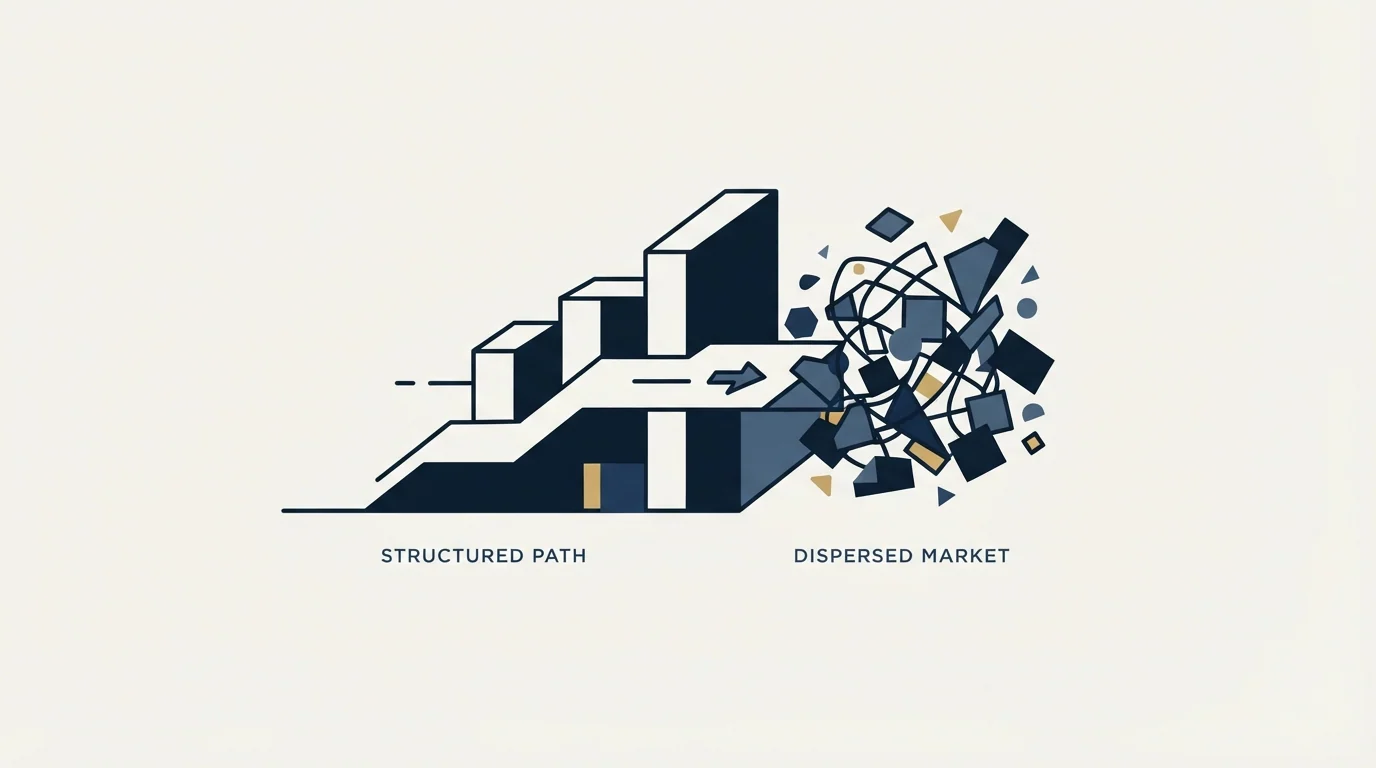
For a team with none of this, one subscription replacing four is a genuine simplification, and the fact that every app is included on every tier makes that argument stronger than it looks.
For a B2B team the comparison is different, because much of the bundle already exists. There is a CRM the sales team trusts and will not leave. There is a cold email infrastructure with warmed inboxes and a deliberate sending posture. There is probably a calendar and a booking link already wired into how meetings get set. Buying a platform whose value proposition is bundling means paying again for four capabilities and using one.
So the honest comparison is not against other funnel platforms at all. It is against a page builder on its own, and the four different jobs hiding under that category label are separated in landing page optimization tools. The nearest single-purpose comparison is Unbounce, which prices the same first stage on a completely different meter: deduplicated monthly visitors, with a traffic ceiling per tier. ClickFunnels lists visitors as unlimited on every plan and meters email contacts and monthly sends instead, which is a meaningful difference for a page fed by outbound rather than by paid traffic.
The question that decides it
Before any feature comparison, name which stage you are buying.
If the answer is Attract alone, you are buying a page builder and should price it against page builders, on the understanding that the other four fifths of the platform is included and unused.
If the answer is Attract plus Ascend, and the CRM seat count and the pipeline are genuinely open questions rather than settled ones, the bundle starts to earn its keep.
Pricing follows the same split, since the meter ClickFunnels bills on counts contacts rather than traffic, with visitors unlimited on every published tier.
If the answer involves Sell, UpSell or Repeat, check first that your sale actually completes on a page. Most B2B sales do not, and a platform organised around the assumption that they do will feel like it is fighting you at every step.
- Yes: You can name which of the five stages you are actually buying
- Yes: Your CRM decision is genuinely open rather than settled
- Yes: You know where the traffic to the first page will come from
- No: Your sale completes on the page rather than in a sequence of conversations
- No: You are replacing a warmed sending infrastructure with a bundled one
- No: The page is the constraint rather than the supply of qualified conversations
Where the constraint usually sits
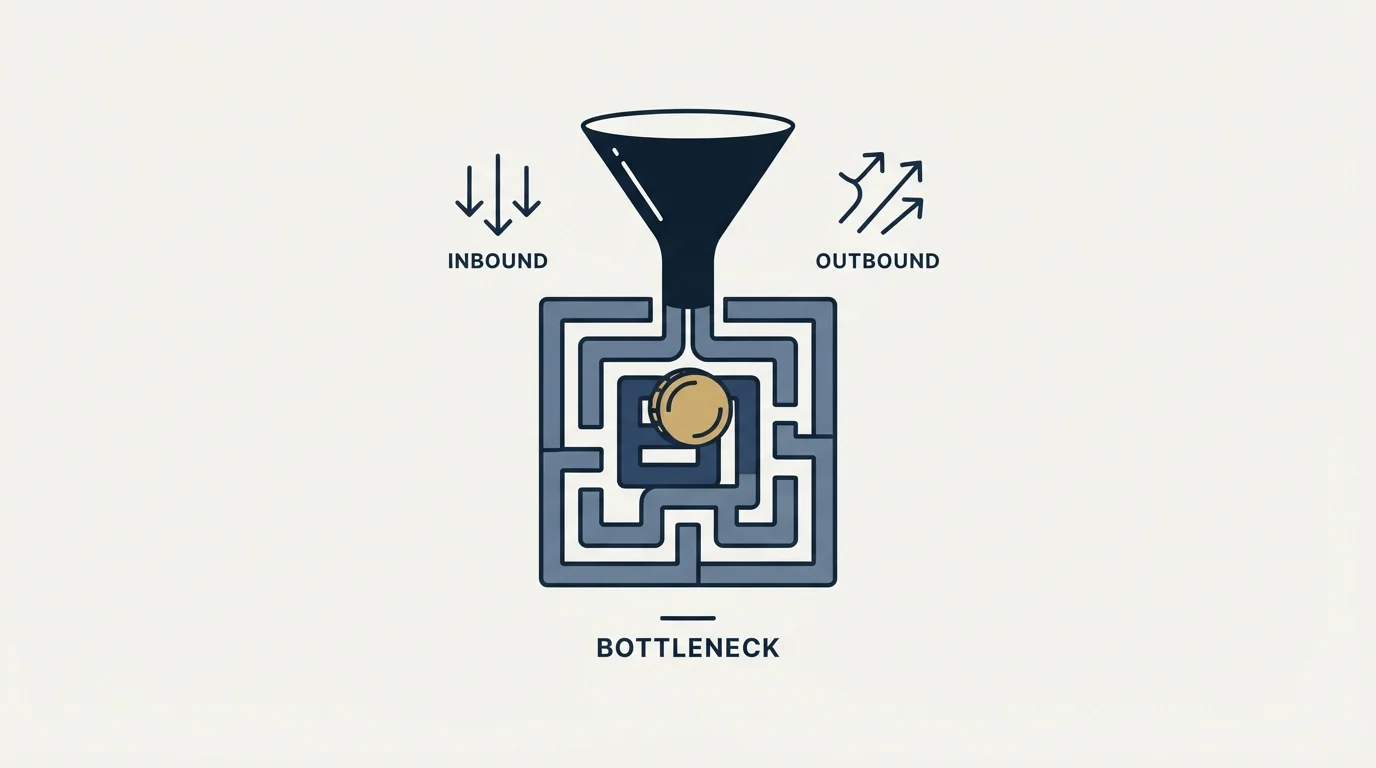
There is a version of this article that ends with a feature list. The more useful ending is about sequence, because the most common failure with this class of tool is not choosing the wrong one.
A funnel platform converts demand that already exists. It has no mechanism for creating any. When a campaign page receives a few hundred visitors a month, the tooling around that page is not what is limiting the result, and the argument in full is in landing page lead generation. The same thin population defeats any benchmark you might judge the page against, which average landing page conversion rate works through, and it defeats the A/B testing this platform includes on every tier for exactly the same reason: a few hundred visitors split across two variants cannot separate a real effect from noise.
The broader version of the same mistake is buying tooling by market label when the bottleneck lives somewhere else in the process. The layer map for that is sales process optimization tools, and it applies here directly: a checkout cannot fix an offer, and a funnel builder cannot fix targeting.
The short version
ClickFunnels is a five stage model of a self serve business, set out by the vendor as Attract, Sell, UpSell, Ascend and Repeat under the line "Funnels aren't just a feature - they're a mentality", delivered as one subscription whose apps are marked "Included for free in every plan". It is built and marketed for creators, coaches and course sellers, under a heading reading "Funnels for Creators".
For a B2B outbound team, Attract and Ascend translate and the middle three stages assume a transaction that a B2B sale does not have. That makes the real comparison a page builder rather than a platform, unless the CRM and sending decisions are genuinely still open. And when the shortage is the supply of qualified conversations rather than the page they land on, see what a first campaign produces against your own market.
Product model, app list and audience descriptions above were read from clickfunnels.com and clickfunnels.com/pricing on 30 August 2026. Customer quotations on those pages are the vendor's own testimonials and are not repeated here as outcomes. Verify current terms and features with the vendor before relying on them.
Frequently asked questions.
Frequently asked questions- What is ClickFunnels used for?
- Building and running a self serve business in one subscription. Its homepage sets out five stages: Attract with landing pages and opt-in forms, Sell with order forms and checkout, UpSell with one-click upsells and order bumps, Ascend with a CRM, pipelines and appointments, and Repeat with courses, communities and email sequences. The apps behind those stages are included on every plan.
- Is ClickFunnels just a landing page builder?
- No. Landing pages are one component of the first of five stages. The same subscription includes a checkout, an e-commerce store, an email sending platform, a CRM with pipelines and calendars, a course host and a community area. That bundling is the product's actual argument, and it is what separates it from a single-purpose builder priced against page volume.
- Does ClickFunnels work for B2B?
- Partly, and it depends which stages you need. The Attract and Ascend stages, meaning campaign pages, forms, pipelines, appointments and messaging, map onto B2B work directly. Sell, UpSell and Repeat assume a transaction that completes in the session, so a sale that runs through a committee and a procurement step never reaches them.
- Who is ClickFunnels actually built for?
- The vendor says so on its own homepage, in a section headed Funnels for Creators, with customer quotations from coaches, authors, course sellers and community builders. The published scale figures on the same page are more than 100,000 users and more than a million funnels created. That audience should govern how much of the five stage model a B2B buyer expects to use.
About the author.

Ben Carden is CRO at RevenueFlow, which builds and operates outbound revenue engines for B2B companies. Previously at Gartner Enterprise. Studied at London School of Economics.
Ben Carden · CRO
Connect on LinkedIn →Explore more.
Ready to scale your outreach?
We build GTM engines that book real meetings. See the receipts.
Related articles.
ClickFunnels Pricing: The Meter Is Contacts, Not Traffic
Four published tiers, and visitors are unlimited on every one of them. What ClickFunnels actually meters, and the tier where webhooks and the API appear.
Webflow Pricing: The Four Lines on a Real Bill
Webflow bills a site plan, a workspace plan, seats and metered add-ons. What each line pays for, read from the vendor's own pricing page in September 2026.
Average Landing Page Conversion Rate: What It Measures
Four published answers to one question span more than four to one. What each dataset actually counted, and why none of them applies to a page fed by cold outbound.
Drift Competitors: What Replaced It and What Each Costs
Drift is retired and drift.com now serves a Salesloft page. What the successors publish about price, who owns them now, and which one fits which job.
Unbounce Alternatives: Two Boundaries, Four Meters
Teams leave Unbounce at two published boundaries: the 500 visitor entry ceiling and testing starting on the third tier. Each alternative moves one, both or neither.
Lead Verification: What Each Check Actually Proves
Lead verification covers two different jobs. One asks whether a mailbox will accept mail, the other asks whether the person behind the row is real and lawful to contact.