Sales Process Optimization Tools: Seven Layers Explained
Tools in this category are sold by market label and bottlenecks live somewhere else. The seven layers, the four causes, and which of them software can actually reach.
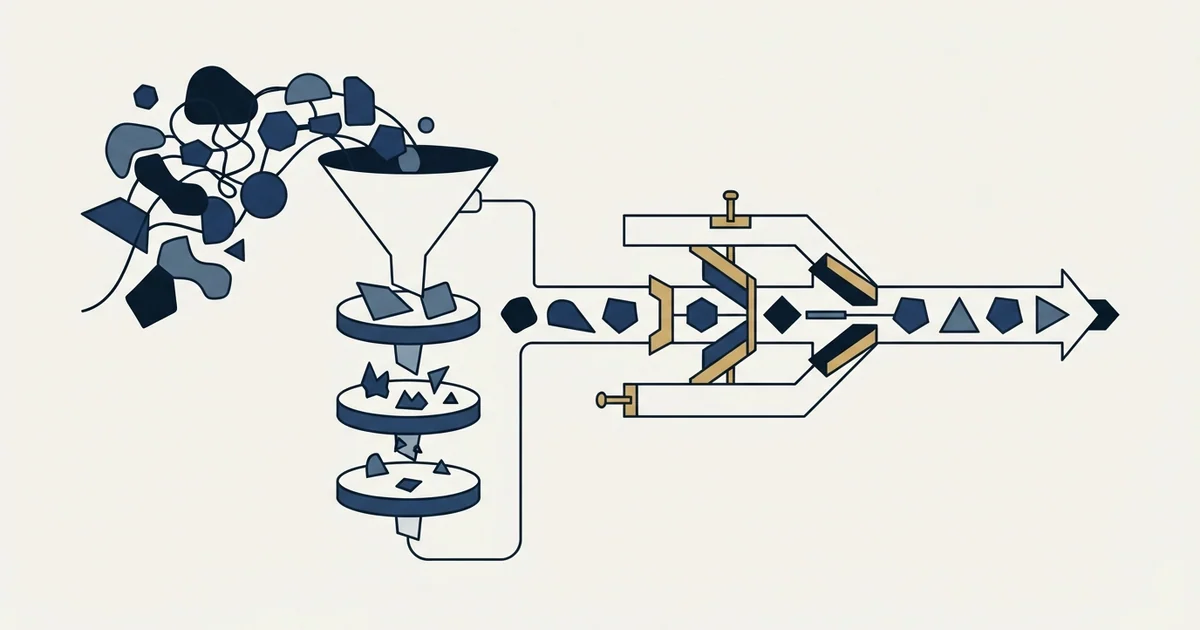
Sales process optimization tools sit in seven layers: the system of record, conversation capture, pipeline inspection, forecasting, routing, document and approval automation, and enablement. Measure the transitions first, name the cause, then buy the layer that reaches it, because the two most common causes have no tool-shaped fix.
Key takeaways
- Sales process optimization tools fall into seven layers, and each reaches a different bottleneck, so matching the layer to the bottleneck is most of the buying decision.
- Measure the conversion and time in step between adjacent stages before buying, so the purchase targets where deals actually stop rather than the loudest meeting.
- Incomplete discovery and loose entry criteria are the most common causes and no tool fixes them; internal drag such as document and approval delays usually does have a tool-shaped fix.
- Prefer tools that read data the team already produces, and write the success metric down before buying, so the renewal can be judged on it.
Reviewed and updated September 21, 2026
A revenue team with a stalling pipeline buys a conversation intelligence platform, rolls it out over six weeks, and ends the quarter knowing that reps talk for slightly too long on discovery calls. The deals were dying at proposal, for reasons nobody had recorded. The tool worked exactly as sold. It was aimed at the wrong layer.
That pattern is common enough to be worth naming, and it is the reason this page sorts sales process optimization tools by the job a tool does rather than by a list of products. Tools in this category are marketed under labels that describe a market, and bottlenecks live in a small number of places that do not line up with those labels. Matching one to the other is most of the buying decision.
Sales process optimization tools: seven layers, and what each can fix
Sales process optimization tools sit in seven layers: the system of record, conversation capture, pipeline inspection, forecasting and revenue analytics, routing and assignment, document and approval automation, and enablement. Each reaches a different bottleneck, so the useful question is which layer holds yours, and whether its cause is one software can reach at all.
They are listed in the order a process produces evidence, which is also roughly the order in which they become worth paying for.
The system of record. Stage definitions, required fields, entry and exit criteria, and the discipline that keeps them honest. This is not usually thought of as an optimisation tool and it is the one that decides whether any of the others can produce a number. A CRM whose stages are named after seller activity will report movement in a quarter where nothing was bought, and no analytics layer on top can repair that. Which pipeline stages earn their place is the design question underneath this layer.
Conversation capture. Recording, transcription and search across calls. The durable value here is the transcript rather than the analytics: it converts a seller's summary into something a manager who was not there can read. The talk-ratio and keyword dashboards are the visible part and the least load-bearing.
Pipeline inspection. Time in stage, stalled-deal alerts, movement history, and the difference between the age of deals currently sitting in a step and the age of deals that eventually converted out of it. This layer answers where deals stop, which is the first thing worth knowing and the thing most teams guess at.
Forecasting and revenue analytics. Roll-ups, weighted and unweighted, category-based commit and best-case views, and historical accuracy tracking. The useful output is not the number. It is the record of how wrong the previous numbers were and in which direction, which is the only thing that makes the next one worth reading.
Routing and assignment. Getting a record to the right person quickly and consistently, by territory, by round robin, by account ownership. This layer matters most where speed of first response decides the outcome, and it is invisible when it works. The mechanics and the failure modes are covered under lead routing.
Insurance teams weighing a different layer, multi-channel outreach sequencing rather than lead distribution, can compare vendor options in this guide to sales engagement platforms.
Document and approval automation. Proposals, quotes, configuration and pricing rules, approvals, signature. This is the internal-drag layer, and it is the least glamorous place to spend money. It is also frequently the fastest payback, because the delay it removes belongs entirely to you and needs nobody else to change their behaviour.
Enablement and practice. Content delivery in the flow of work, call scoring, structured practice. Its effect is real and it arrives a full sales cycle later, filtered through hiring and management, which is why this layer is the hardest to justify from a dashboard.
Each one phrased as a thing the buyer did, verifiable by someone who was not on the call.
Conversion between adjacent steps, and time in step against time in step for deals that converted.
Loose entry criteria, an incomplete earlier step, a missing decision maker, or internal drag.
Only after the cause is named, and only where it is one a tool can reach.
One change per period, against the metric that motivated it.
The causes that have no tool
Four causes recur behind real bottlenecks, and only two of them respond to software.
An incomplete earlier step is the most common and the least diagnosed. A high loss rate at proposal is usually a discovery problem: nobody established what the current situation costs, so the price has nothing to be compared against. Conversation capture helps here, because the evidence is in the call and somebody can go and read it. Nothing else in the list does.
Loose entry criteria show up as healthy volume entering the process and a thin share reaching a second meeting. This is a targeting problem wearing a process costume, and it is fixed upstream in who gets contacted and on what basis rather than in any step. Buying a tool to optimise the handling of the wrong people optimises the wrong thing precisely.
Deciding which platform actually reaches manufacturing buyers is a separate question, covered in best sales engagement tools for manufacturing.
A missing decision maker produces deals that sit at one step for multiples of their normal age. Software can flag the age. Only a person can notice that the economic buyer was never in the room, and only if somebody recorded who was involved.
Internal drag is the one category where buying is usually the right answer. A proposal that takes six days to produce, an approval that needs two signatures, a security questionnaire nobody owns: these have tool-shaped fixes and the payback does not depend on anyone selling differently.
Commission administration has the same shape, and what each commission platform was built around sorts that category by the job a product was designed for rather than by a feature grid.
A tool can fix this
- Time lost producing documents and getting approvals
- Records reaching the wrong owner, or late
- Evidence that exists but cannot be found
- Arithmetic nobody has time to do by hand
A tool can only measure this
- Discovery that never established what the problem costs
- Entry criteria that admit companies who will not buy
- A decision map assumed rather than asked for
- A step that exists because of one memorable lost deal
What the category labels hide
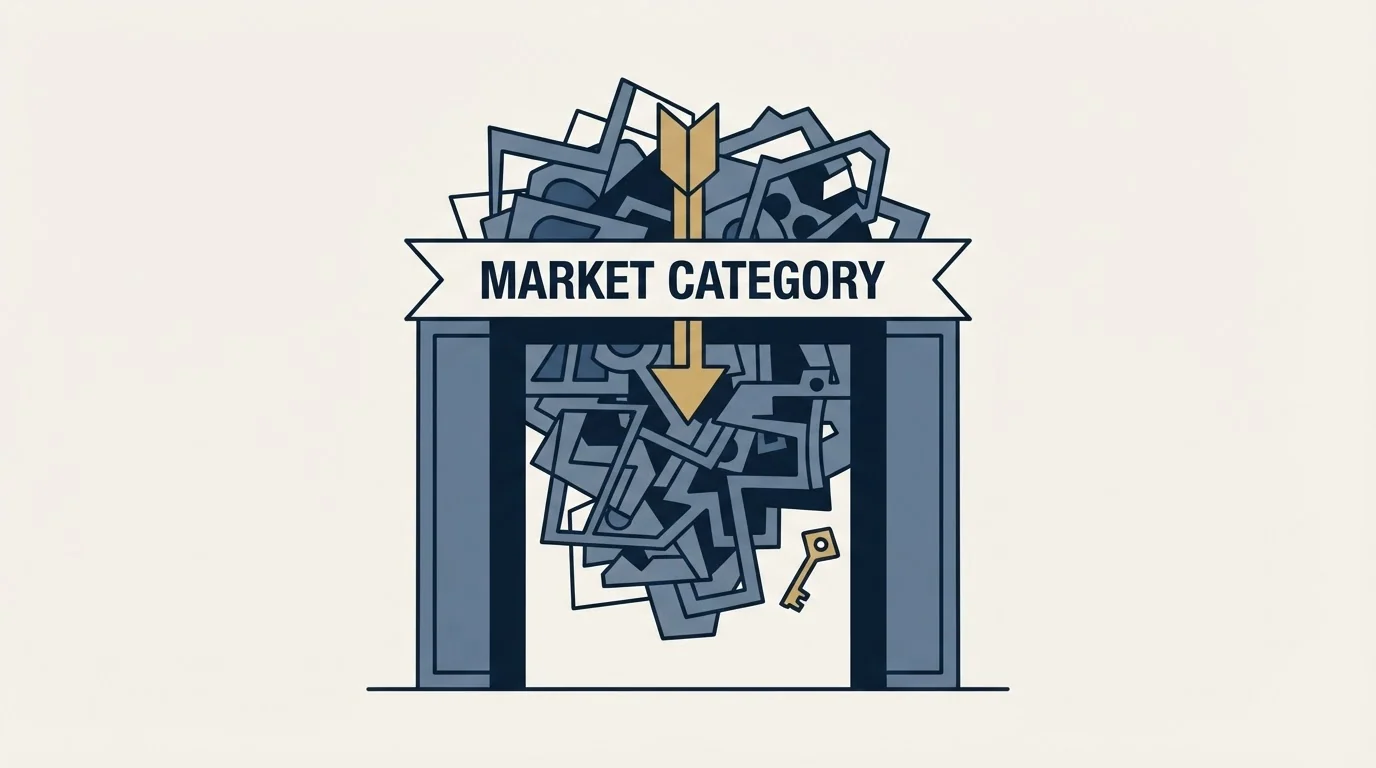
Three overlaps are worth knowing before comparing anything, because they explain why two products described identically behave nothing alike.
Conversation intelligence and enablement have converged. Recording platforms added coaching workflows and enablement platforms added call analysis, so the same feature list now appears under two category names with different pricing shapes and different buyers inside your company. Deciding which team owns the outcome usually decides which product fits.
Forecasting is sold both as a standalone layer and as a CRM feature, and the standalone versions justify themselves on accuracy history rather than on the roll-up itself. If your CRM already produces a number and nobody knows how wrong it has been, that is an instrumentation gap rather than a product gap.
Process mining arrived from operations and is now marketed into sales. It infers the process from system events rather than from what anyone wrote down, which is genuinely useful when the documented process and the real one have diverged, and close to useless when the events are seller-generated activity records.
This page deliberately names no products and quotes no prices. Category membership changes with every acquisition, published pricing on this kind of software is frequently a starting point rather than a price, and a list of names goes stale faster than the reasoning does. The layer a bottleneck sits in changes far more slowly.
A buying test that survives the demo
Run a candidate through five questions before the second demo; a no on the first three means the purchase is premature rather than wrong. Was the bottleneck identified from measured transitions rather than from the step that generates the loudest meetings? Is the cause one the tool can reach, rather than one it can only report on? Is the metric that would prove it worked written down before the purchase? Does somebody own the configuration after the rollout, by name? Does it read data the team already produces, rather than requiring new manual entry to be useful? Two answers should end the evaluation: a main promise of visibility for managers, and a shortlist place earned because a competitor uses it.
The fifth question catches the most expensive failure in this category. Any tool whose value depends on sellers entering data they were not entering before has a compliance problem hiding inside its business case, and compliance decays. Tools that read what already exists, meaning calendar entries, email metadata, call recordings and stage history, keep working in month nine.
The question about a written success metric is the one teams skip and then regret at renewal. A purchase evaluated against how it feels will be renewed on the same basis, and after two renewals nobody can reconstruct what problem it was bought to solve.
Where optimisation stops working
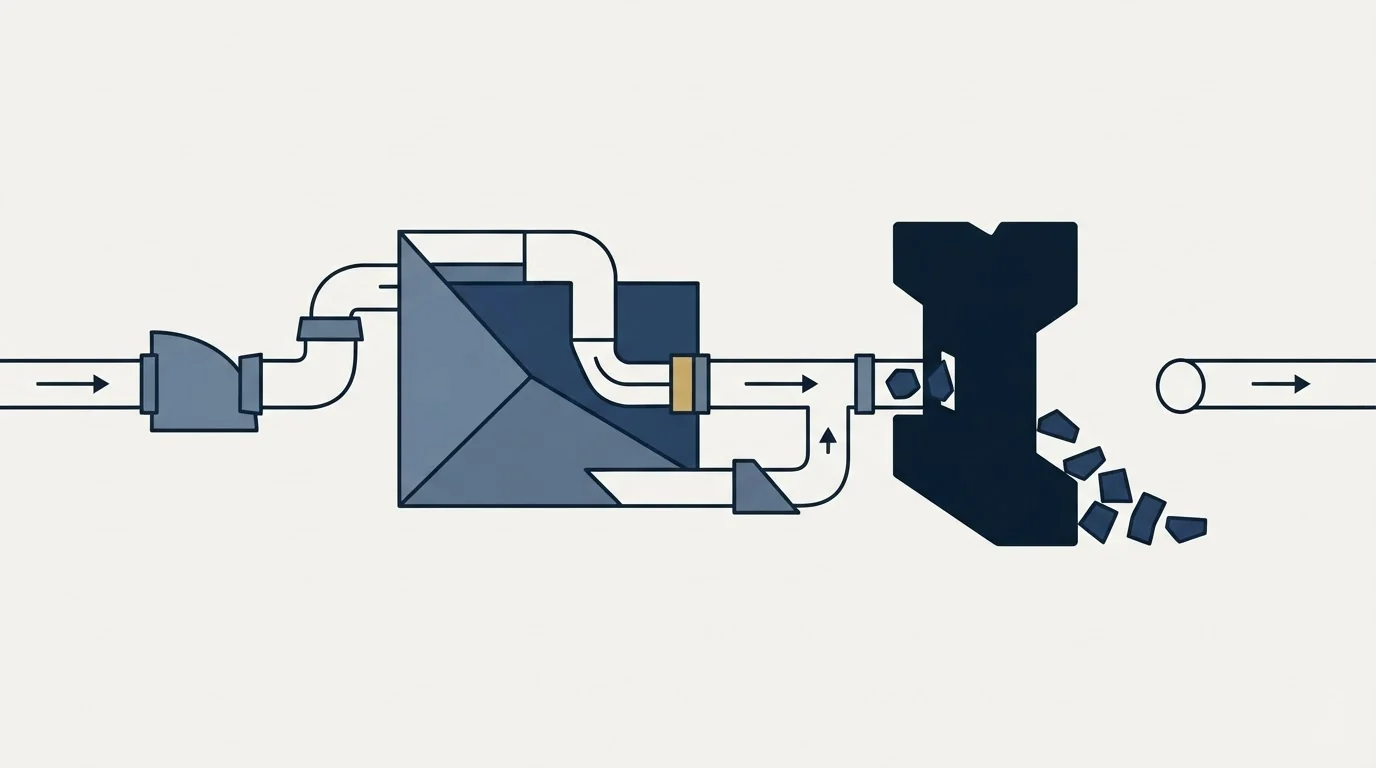
Two constraints look like process problems from the inside and do not respond to process work of any kind, tooled or otherwise.
The first is volume. A process that converts well and receives four opportunities a month has a supply problem, and every hour spent tuning steps is an hour not spent on the constraint. The tell is healthy conversion at every transition and small absolute numbers. Where that is the diagnosis, what a qualified meeting has to mean before anyone buys one is the definition worth settling first.
The second is the absence of a forcing function. Where most losses are to no decision rather than to a competitor, the buyer has no reason to act in any particular quarter, and no amount of instrumentation manufactures one.
Where we differ from standard practice
On the top of the process, standard optimisation advice is to increase the number of contacts per prospect: more messages, more channels, more weeks, later ones landing in the same thread. We do not do that, and since this page sits on our site the divergence is worth stating. We run one message per campaign, with no bumps and no thread replies, and where an audience does not respond, any further contact is a separate campaign rather than a reminder in the same thread. The reasoning is mechanical: a follow-up reaches the population that already saw the message and chose not to answer, which is the population most likely to complain, and the reputation cost lands on the sending domain across everything else it sends. The full trade, including what it costs us, is in why we stopped using follow-ups.
The short version
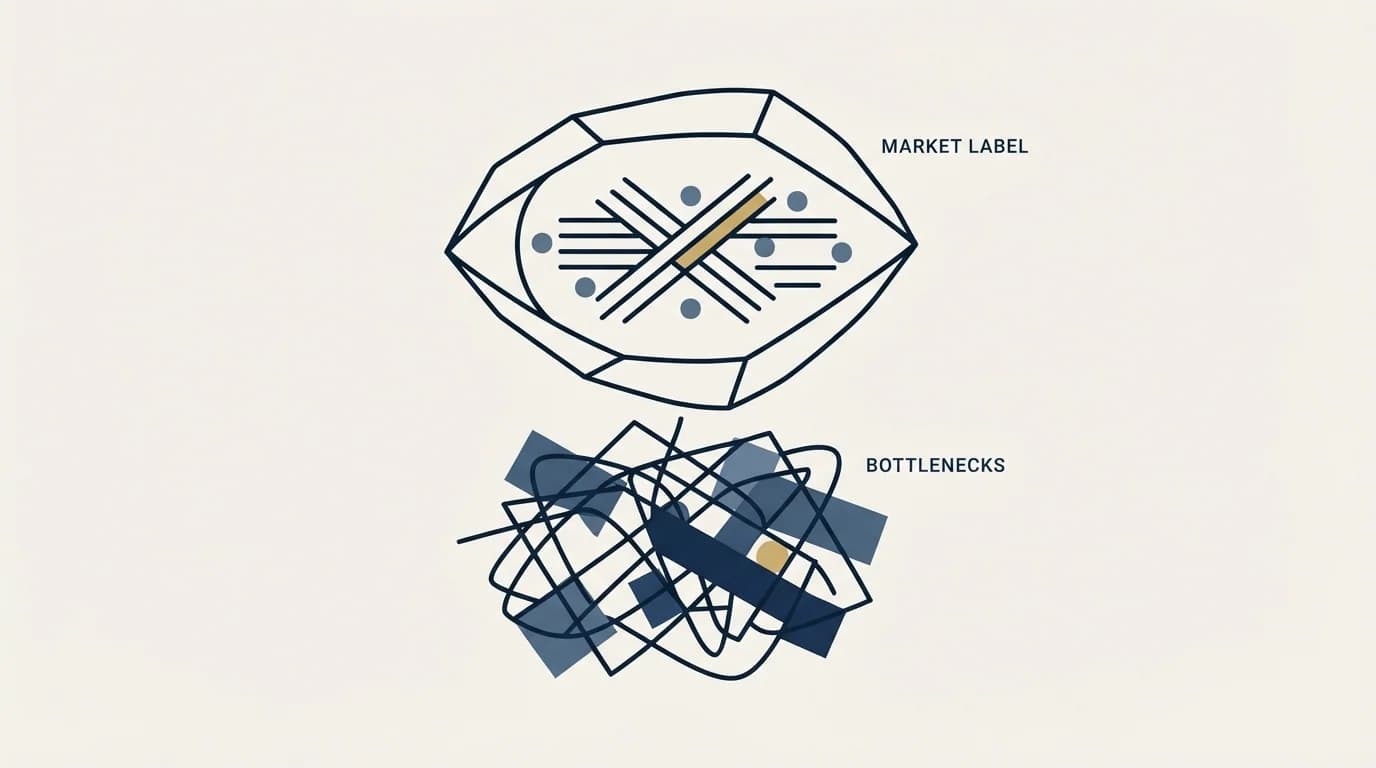
Sales process optimisation tools sit in seven layers: the system of record, conversation capture, pipeline inspection, forecasting, routing, document and approval automation, and enablement. Only some bottlenecks have a tool-shaped cause, and the two most common ones, incomplete discovery and loose entry criteria, are not among them.
Measure the transitions, name the cause, then buy the layer that reaches it, with the proof metric written down first. Prefer tools that read data your team already produces. Where the real constraint turns out to be the supply of qualified conversations rather than the handling of them, that is the half we run: see what a first campaign produces.
Frequently asked questions.
Frequently asked questions- What are sales process optimization tools?
- Software that sits in one of seven layers of a sales process: the system of record, conversation capture, pipeline inspection, forecasting and revenue analytics, routing and assignment, document and approval automation, and enablement. Each reaches a different kind of bottleneck, which is why two products sold under the same label can behave nothing alike.
- How do you choose a sales process optimization tool?
- Measure the transitions between adjacent stages first, name the cause of the bottleneck, and only then buy the layer that reaches it. Write the metric that would prove it worked before the purchase, name an owner for the configuration, and prefer tools that read data your team already produces over tools that need new manual entry.
- Which sales bottlenecks can software fix?
- Internal drag, such as slow proposals, approvals and routing, and evidence that exists but cannot be found, such as call recordings and deal history. Software can only measure the other common causes: discovery that never established what the problem costs, entry criteria that admit companies who will not buy, and a missing decision maker.
- When does sales process optimization stop working?
- When the constraint is volume or the absence of a forcing function. A process that converts well at every step but receives a handful of opportunities a month has a supply problem, and tuning steps does not create demand. Where most losses are to no decision, no instrumentation gives the buyer a reason to act this quarter.
About the author.

B2B cold email experts helping companies generate qualified leads through done-for-you outreach campaigns.
RevenueFlow Team
Explore more.
Ready to scale your outreach?
We build GTM engines that book real meetings. See the receipts.
Related articles.
Pipeline CRM Pricing: Three Plans, Two Deal Ceilings
Pipeline CRM publishes its whole ladder at both billing states. The active deal ceilings, the flat add-ons and the onboarding packages are what decide the bill.
RevOps Tools: Nine Products and the Job Each Does
Nine revenue operations products sorted by the six jobs the category covers, with every product fact and price read off the vendor's own pages and dated.
Is Clay Free? The Free Plan, the Trial and Where Each Stops
Clay's free plan, its 14-day trial and the no-charge-on-a-miss rule are three different things. What each holds and where it stops, from clay.com on 19 September 2026.
Video Prospecting Tools by Job: What Each One Is For
Ten video prospecting tools sorted by the job each vendor's own page describes: record and share, personalise at volume, avatars, hosting and interactive demos.
Seamless.AI Email Finder: How It Works, What a Credit Buys
How Seamless.AI's email finder resolves a contact in real time, what one Universal Credit buys, the Total AI score on every address, and what the Chrome extension reads.
Social Selling Tools by Job, and the Account-Risk Line
Fourteen social selling tools sorted into six jobs, split by whether each acts through your LinkedIn account or beside it, from the vendors' own pages.