Sales Pipeline Stages: Six That Earn Their Place
A stage without an exit criterion someone else could check is a feeling with a name. Six stages that survive the test, and what to move into fields.
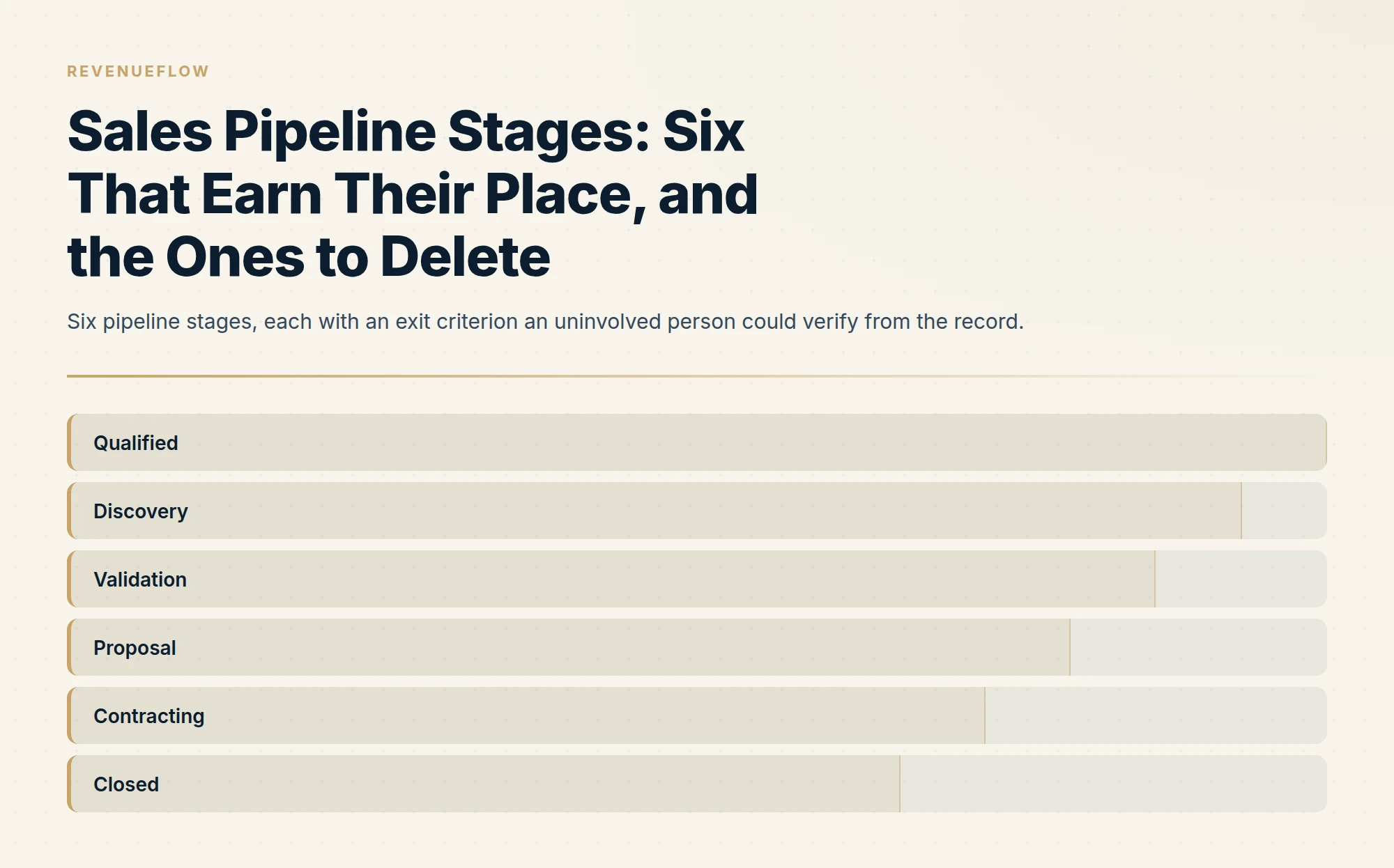
A pipeline stage has three jobs: tell the rep what to do next, make weighted forecasting arithmetically valid, and show where deals die. Six stages cover most B2B processes, and each exit criterion should name something the buyer did, phrased so two people reading the record would agree.
Key takeaways
- Qualified, Discovery, Validation, Proposal, Contracting and Closed cover the great majority of B2B sales processes.
- Stages that advance on seller activity will advance whether or not anybody is buying, which produces a forecast that measures effort.
- Stalled is a state and belongs in a field, so a paused deal keeps its real position and stays in the correct stage's age statistics.
- Time in stage is the diagnostic, because count in stage tells you volume while age tells you where the process breaks.
Reviewed and updated September 2, 2026
Open a CRM that has been in daily use for three years and count the stages. Most instances land somewhere between nine and fourteen, and at least three of them exist because a manager once asked a question that nobody could answer, so somebody added a stage. Ask two reps what separates stage four from stage five and you will get two answers, both delivered with total confidence.
That is the whole problem with pipeline design, and it has a one-line test. A stage without an exit criterion somebody else could check is a feeling with a name. It cannot be audited, it cannot be forecast from, and it cannot tell you where deals die, which are the only three jobs a stage has.
CRM pipeline stages are the same object wearing the vendor's field name, so a stage list copied out of a CRM template arrives with the labels and without the tests that make them mean anything.
A B2B sales pipeline differs from the consumer version in one way that changes every stage definition: several people have to agree, and none of them is obliged to tell you where the others stand. Stages that survive in B2B are the ones a third party could still verify when the buying group goes quiet.
A deal stage in a CRM is the same object under the vendor's own name, and the exit-criterion test applies to it identically whatever the picklist happens to be called.
Teams that still conflate the two vocabularies will find funnel and pipeline compared useful for seeing how counting people differs from counting open deals.
What a stage is for
Most CRMs call these opportunity stages, because the stage is a field on the opportunity record rather than on the person, and the naming matters more than it looks. A contact can sit on three open opportunities at three different stages at once, which is why a stage copied onto the contact for convenience makes every funnel count wrong, and why the exit criteria below have to be testable against one deal rather than against a relationship.
So a CRM pipeline example is worth copying only when the exit criteria come with it, because the picklist is the easy half and the criteria are what make two people place the same deal in the same stage.
Stages get discussed as reporting furniture. They are actually doing three things, and every design decision should be judged against them.
A stage tells the person working the deal what has to happen next. If the stage name does not imply an obvious next action, the rep is navigating from memory.
A stage makes the forecast arithmetic mean something. Weighted forecasting multiplies deal value by a probability attached to the stage. That arithmetic is only valid if stage membership is an observable fact rather than an opinion, because otherwise you are multiplying revenue by optimism and reporting the product as a number.
A stage tells you where deals die. This is the one most teams never get, because it needs time in stage rather than count in stage, and the default CRM dashboard shows count.
The test: an exit criterion someone else could check
Write the exit criterion for every stage as a thing the buyer did, phrased so that two people looking at the same record would agree on whether it happened.
Which tests an account has to pass before that first criterion applies is a separate choice, and what each qualification framework cannot see compares the common ones on that point.
"Discovery completed" fails the test. "We can state their current process, who owns it, and what it costs them, in their words, from a call they attended" passes it. The second version is longer and that is the point. It can be checked by a manager who was not on the call, and it can be checked by the rep at 5pm on a Friday when they are deciding whether to move the deal.
The reason to phrase criteria around buyer behaviour rather than seller activity is that seller activity is always available. A rep can send an email, log a call, and build a mutual action plan without the buyer doing anything at all. A pipeline whose stages advance on seller activity will advance whether or not anybody is buying, which produces a forecast that measures effort and calls it revenue.
Moving a qualified prospect into a proposal stage is the transition this test is really about: a proposal is an artefact the buyer asked for against a problem they described, so a stage entered because a document was sent rather than because the buyer asked for one is seller activity wearing a buyer-behaviour label.
The six stages that earn their place
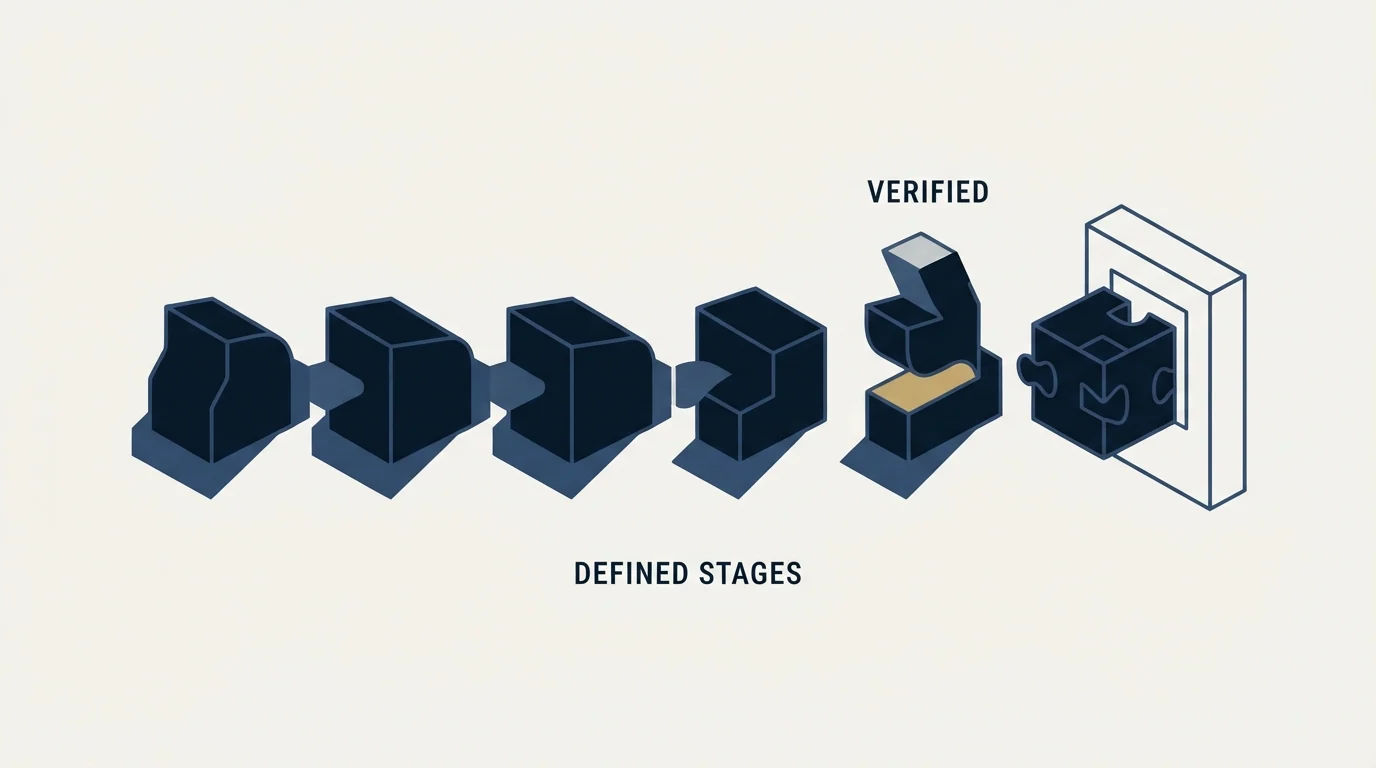
Six covers the great majority of B2B sales processes. Longer enterprise cycles sometimes justify a seventh for a formal evaluation or a security review, and transactional motions collapse two of these into one. Start here and add only against evidence.
The six below are the sales pipeline stages example worth copying, and they are the same object a CRM calls its deal stages or its sales stages, so the exit criteria transfer whatever the picklist in front of you happens to be named.
Naming aside, the object itself is worth pinning down, and the sales pipeline definition explains what the headline total cannot tell you.
Exit: a first meeting happened and the account meets the written qualification criteria. Sales has accepted the deal.
Exit: their current process, the cost of it and the names of everyone involved are recorded in the buyer's own words.
Exit: the buyer has seen the thing and confirmed it addresses the problem. Any technical or security review is passed.
Exit: a priced proposal has reached the person with authority to act on it.
Exit: commercial terms agreed, redlines resolved, signature routing known and started.
Exit: won or lost, with a reason code drawn from a fixed list.
Qualified. This is the entry point, and it is where the deal becomes sales' problem. The exit criterion has two halves: a conversation actually took place, and the account satisfies criteria that were written down before anyone went looking. The upstream half of this, where marketing hands a lead over and sales accepts or rejects it, is a distinct process with its own failure modes, and it is worked through in MQL versus SQL. Everything downstream of the acceptance step is what this article is about.
Discovery. The stage that most often gets skipped and then blamed later. Its exit criterion is a knowledge test rather than an activity count. Can you state, without hedging, what they do today, what it costs them, who else has a say, and what happens if they do nothing. A discovery call that produced no answer to the third of those has not finished, whatever the calendar says. Structured questioning helps here, and discovery call templates covers the question sets that reliably surface the last two.
Validation. The buyer sees the thing and agrees it addresses the problem. Demo, trial, pilot, technical review, reference call, whichever applies to your product. The criterion is confirmation from them, ideally in writing or on a recorded call, and it exists to catch the deal that has had a great demo but no stated agreement that the demo was relevant.
Proposal. Commercials in front of the person who can act on them. The second half of that sentence is what stops this stage becoming a parking lot. A proposal sitting with a champion who cannot sign and has not shared it internally has not reached anybody, and the deal is still in Validation.
Contracting. Legal, procurement, security questionnaires, redlines, signature routing. It gets folded into "Negotiation" in most templates. Keeping it separate is worth it because the failure modes are entirely different from commercial negotiation, the delays are longer, and the people involved are usually people the rep has never spoken to.
Closed. Won or lost, with a reason code from a fixed list. The reason code is the part that gets skipped, and it is where all the learning is.
The stages you can delete
Most bloated pipelines are carrying variants of the same handful of stages, and each of them is a symptom of something that belongs somewhere other than the stage field.
Contacted, or Attempted. This is seller activity. It says a message went out. Nothing about the buyer's state has changed. Activity belongs in activity reporting where it can be measured properly, and putting it in the pipeline inflates deal counts with records that no buyer has ever heard of.
Interested, or Warm. No checkable criterion exists for either word. In practice these become holding areas for deals a rep does not want to lose from their list and cannot honestly advance.
Nurture, or On Hold. A stalled deal is a state, and a state is a field. A stage is a position on a path towards a purchase, and a deal that has stopped moving is not further along that path than it was. Making stalled a flag rather than a stage means the deal keeps its real position, keeps counting in the correct stage's age statistics, and becomes visible in a filter designed for exactly that purpose.
Demo Scheduled and Demo Completed as two stages. Splitting one event into two stages adds a step to the process and no decision. If the scheduled state matters, it is a date field on the deal.
Proposal Sent and Proposal Reviewed. Nobody can verify "reviewed". The buyer opening a PDF is not evidence they read it, and asking a rep to attest to it produces a guess recorded as a fact.
Verbal Commitment. The most dangerous stage in common use. It is a seller's interpretation of a buyer's tone, it forecasts at a high probability by convention, and it has no criterion anybody can check. Deals sit in it for months. If a verbal commitment is real, something observable follows within days: a redline, a procurement introduction, a signature request. Forecast on that instead.
- Sales accepted the deal against written criteria
- Their current process and its cost are documented
- The buyer confirmed the solution addresses the problem
- A priced proposal reached someone with authority
- Redlines resolved and signature routing started
- Won or lost with a reason code
- Stalled or on hold, with a reason and a revisit date
- Next step and next step date
- Demo date, proposal date, contract sent date
- Competitor present
- Champion identified
- Blocked by security review
- Contacted or attempted
- Emails sent and calls made
- Meetings booked
- Sequence or campaign membership
- Touches per account
Why seller-activity stages break the forecast quietly
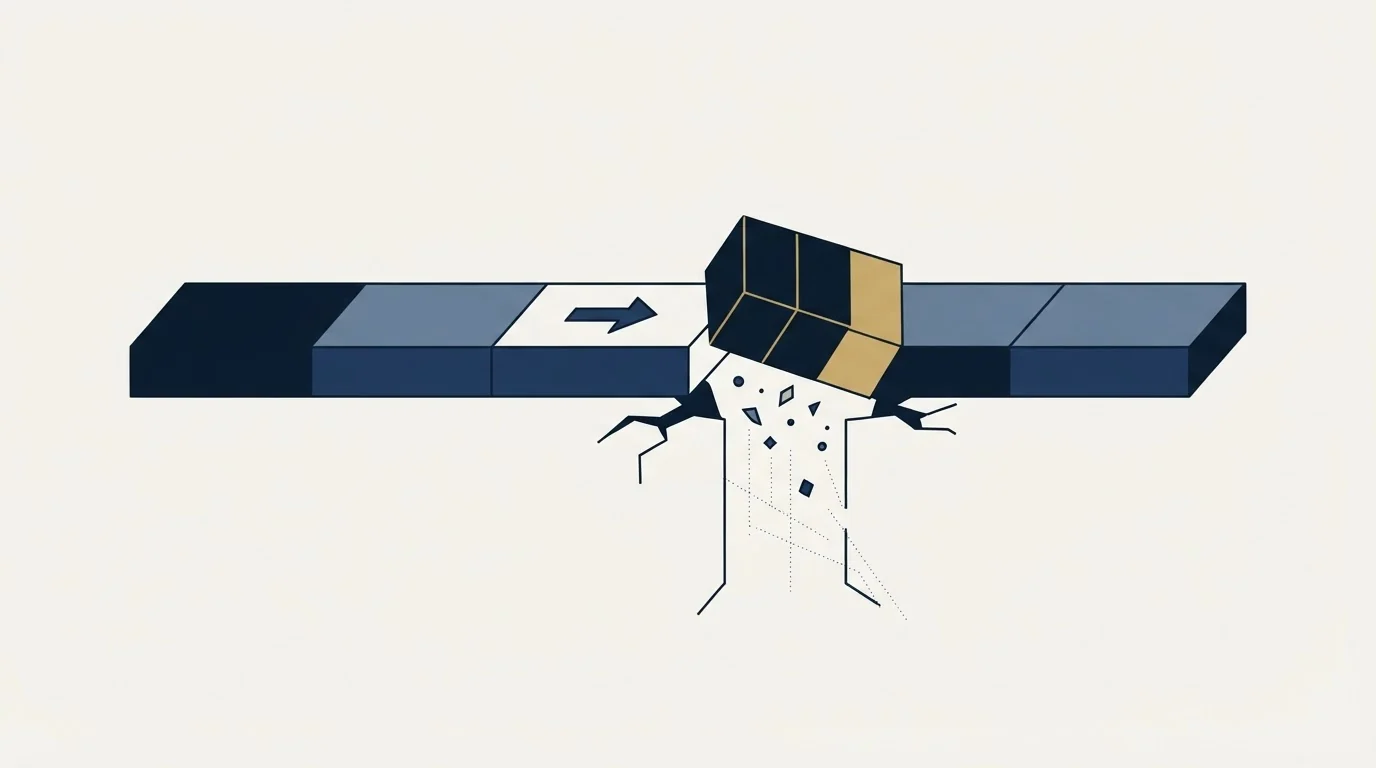
The damage from a badly designed stage does not show up as a wrong stage. It shows up as a forecast that is confidently wrong, and the mechanism is worth being precise about.
Weighted pipeline attaches a probability to each stage, usually derived from historical conversion. When stages advance on buyer facts, that historical rate is a genuine base rate: deals that reached this observable state closed at this frequency. When stages advance on seller activity, the same arithmetic is computing the frequency with which reps who did a thing went on to close, which mixes deal quality and rep behaviour into one number and hides both.
The tell is a pipeline that grows healthily while close rates fall. Deals are advancing, the weighted number looks fine, and the stages they are advancing through do not correspond to anything the buyer has done.
Getting a second reading on those deals is what assessing an opportunity from its own evidence attempts, because in a CRM the record and the reporter are the same person.
Time in stage is the diagnostic, not count in stage
Count tells you volume. Age tells you where the process breaks.
Give every stage a maximum reasonable age based on your own historical closed-won deals, and treat anything over it as needing a decision rather than a nudge. Deals that pass the age limit are usually either mis-staged, which the review will reveal in a minute, or genuinely stalled, which is a fact worth recording rather than hiding.
Two supporting rules make this work. Every open deal has a next step with a date, and a deal with no next step is stalled by definition, whatever its stage. And a deal moves backwards when the evidence says it should. Backward movement is a healthy signal in a pipeline. Its absence usually means the stages have no exit criteria to fail, so nothing can ever be found to have been premature.
Pipeline Management in a CRM explains how requiring evidence at each transition and permitting backward movement keeps the records honest.
- Yes: The exit criterion names something the buyer did
- Yes: Two people reading the record would agree on whether it has been met
- Yes: The stage name implies an obvious next action
- Yes: Deals in it have a measurable and stable typical age
- Yes: Deals sometimes move backwards out of it
- No: Its criterion is an activity the seller performed
- No: It exists so a deal can be kept on the list without advancing
- No: The exit criterion is an internal opinion about buyer intent
Redesigning without destroying your history
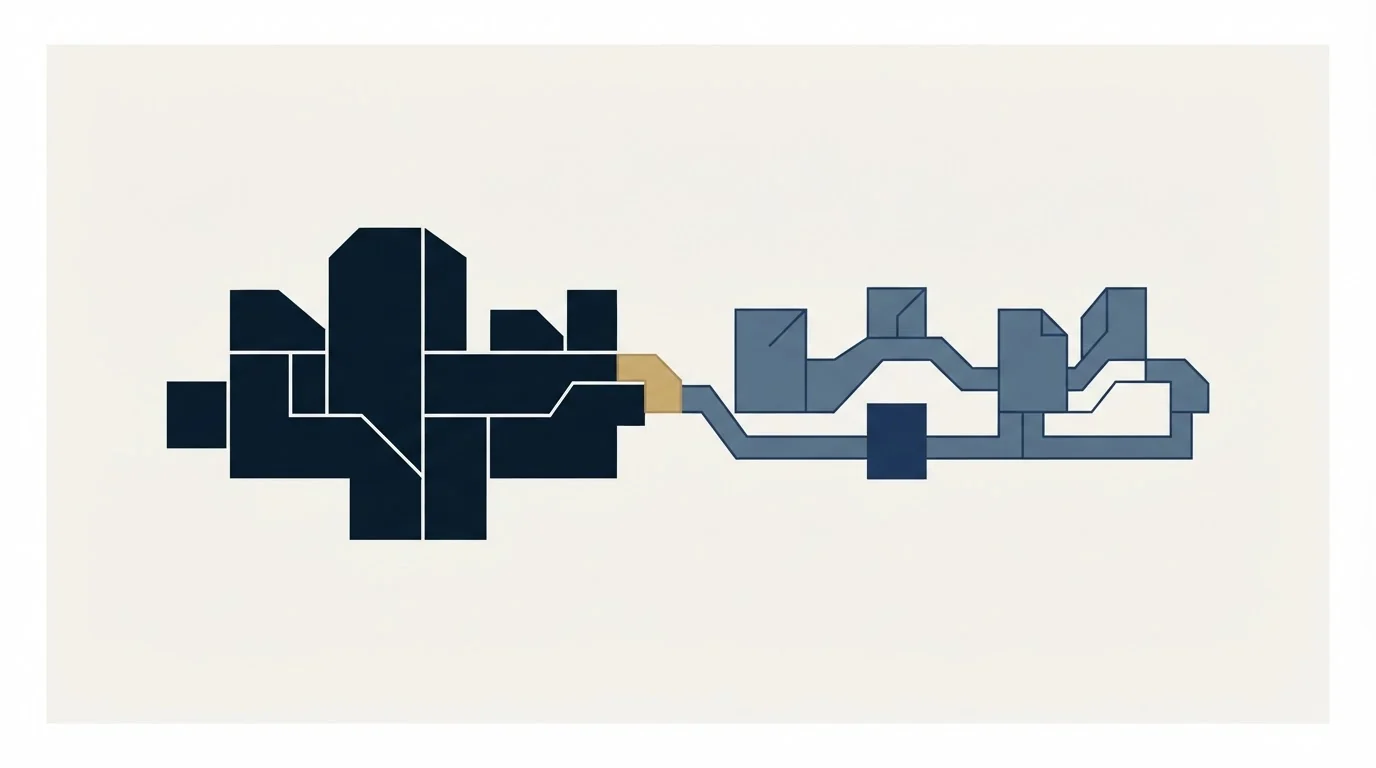
Collapsing eleven stages into six is an afternoon of work and a quarter of consequences, so sequence it deliberately.
- Step 1Write the exit criteria first
Six sentences, each naming a buyer action. Do not touch the CRM until every sentence passes the two-people test.
- Step 2Map old to new, one way only
Every existing stage points at exactly one new stage. Where two old stages merge, record which deals came from which, so historical conversion stays reconstructible.
- Step 3Change at a period boundary
Move at the start of a quarter. A mid-quarter change makes every comparison ambiguous and someone will spend a week explaining why.
- Step 4Re-stage the open pipeline by hand
Every open deal gets checked against the new criteria by the rep who owns it. This is the moment the pipeline gets honest, and it is usually smaller afterwards.
The re-stage step is the one people try to automate, and automating it wastes the main benefit. Applying the new criteria one deal at a time is what surfaces the deals that have been sitting in Verbal Commitment since February. Expect the pipeline to shrink. A pipeline that does not shrink during a re-stage was probably not carrying the problem you were trying to fix.
One boundary question comes up every time: where outbound joins this. Prospecting has its own sequence, running from targeted to contacted to replied to meeting booked to meeting held, and it should stay in its own reporting rather than being bolted on as three extra pipeline stages. It merges at Qualified, where a held meeting meets the written criteria and sales accepts the deal. If someone else is generating those meetings, the criteria become a commercial term, which is the argument in appointment setting versus lead generation, and the qualification bar itself should come from the same ideal customer profile that the targeting uses.
The short version
A pipeline stage has three jobs: tell the rep what to do next, make weighted forecasting arithmetically valid, and show where deals die. A stage with no exit criterion that an uninvolved person could verify does none of them.
Six stages cover most B2B processes: Qualified, Discovery, Validation, Proposal, Contracting, Closed. Each exit criterion should name something the buyer did, phrased so two people reading the record agree. Contacted, Interested, Nurture, Verbal Commitment and the split demo and proposal stages should be deleted, and the information they were carrying moved into fields, flags or activity reporting where it can be measured properly.
Stages that advance on seller activity produce forecasts that measure effort, because a rep can complete every activity without the buyer doing anything. Track time in stage rather than count in stage, require a dated next step on every open deal, and let deals move backwards. When you redesign, write the criteria first, map old stages to new one way only, change at a quarter boundary, and re-stage the open pipeline by hand.
Outbound keeps its own stage vocabulary and joins the pipeline at Qualified. We work that half for clients and are paid on attended meetings that meet criteria agreed in writing before launch, which is the same criteria conversation your Qualified stage needs anyway. You can see what a campaign would look like for your market.
Frequently asked questions.
Frequently asked questions- What are the stages of a B2B sales pipeline?
- Six stages cover most processes: Qualified, Discovery, Validation, Proposal, Contracting and Closed. Each needs an exit criterion naming something the buyer did, such as a priced proposal reaching the person with authority to act on it. Longer enterprise cycles sometimes justify a seventh for a formal evaluation, and transactional motions collapse two of them into one.
- How do you write a good exit criterion?
- Phrase it as a thing the buyer did, worded so two people looking at the same record would agree on whether it happened. Discovery completed fails that test. Being able to state their current process, who owns it and what it costs them, in their words, from a call they attended, passes it. Seller activity is always available, so it cannot gate a stage.
- Which pipeline stages should you delete?
- Contacted or Attempted, because they record seller activity rather than a change in the buyer's state. Interested or Warm, which have no checkable criterion. Nurture or On Hold, since stalled is a flag rather than a position on the path. Split demo and proposal stages, which add a step and no decision. And Verbal Commitment, which reads a buyer's tone.
- How do you redesign stages without losing history?
- Write the exit criteria first and do not touch the CRM until each one passes the two-people test. Map every old stage to exactly one new stage, recording which deals came from where so historical conversion stays reconstructible. Change at a quarter boundary. Then re-stage the open pipeline by hand, deal by deal, and expect it to shrink.
About the author.

B2B cold email experts helping companies generate qualified leads through done-for-you outreach campaigns.
RevenueFlow Team
Explore more.
Ready to scale your outreach?
We build GTM engines that book real meetings. See the receipts.
Related articles.
MEDDIC vs BANT: What Each Qualifies and When to Use Which
MEDDIC and BANT from the originators' own text: IBM's BANT form as a gate after the first call, PTC's six themes as an audit of a live deal, and when to run each.
Command of the Sale: Force Management's Process Programme
Command of the Sale is Force Management's sales process and qualification programme, not its messaging one. What the vendor says it is, delivers and how it runs.
B2B Lead Lists for Aviation Companies: Build or Buy
Aviation is one of the few industries whose accounts are published by its regulator, which changes what is worth buying and what is worth downloading yourself.
Cold Calling for Food and Beverage Companies: Three Doors
Cold calling for a food or beverage company: who picks up at a chain, a distributor and an independent grocer, where each publishes its door, and when the phone is wrong.
Win Rate Benchmarks: Which Figures State a Population
A catalogue of the published average sales win rates, sorted by whether the page names the population behind its own number. Most do not.
LinkedIn Outreach for Banks: A Regulated Message
How a bank's relationship managers use LinkedIn to reach business owners: what the FFIEC guidance, FINRA's notices and LinkedIn's own rules require, and where to stop.