AI Sales Coaching Tools: Four Mechanisms, One Category Name
Conversation intelligence, simulation, real-time assist and enablement suites all describe themselves the same way. Which mechanism solves which problem.
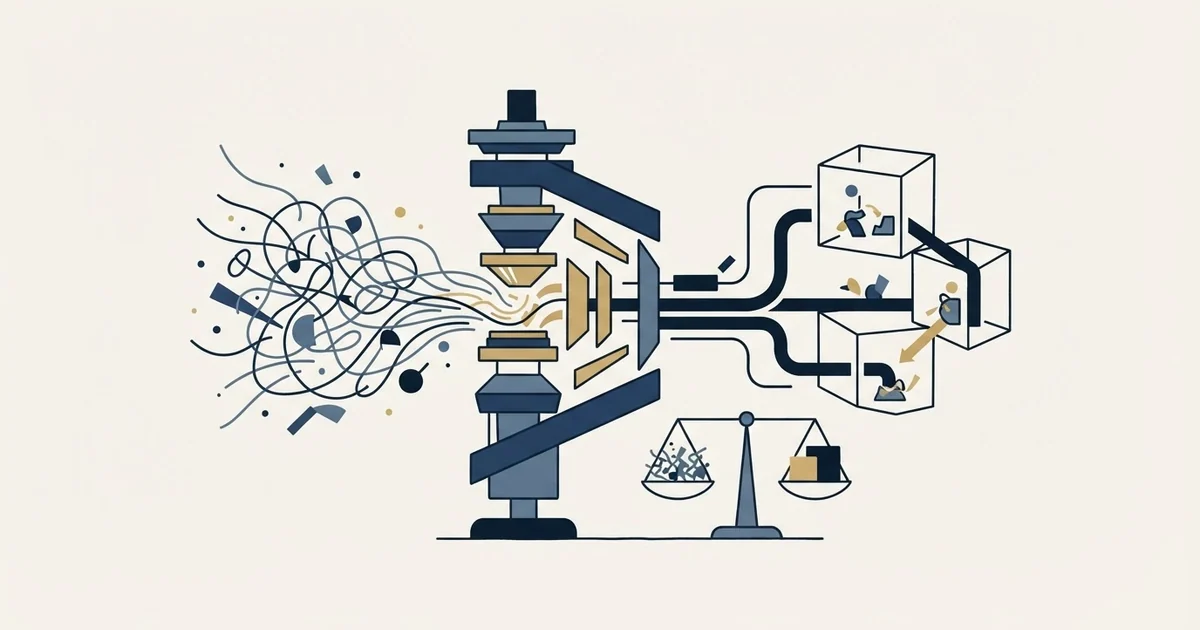
Built-in sales coaching ships inside a platform reps already use: Salesforce's Agentforce Sales Coach on CRM records, Dialpad's AI sales coach in its phone system, or a coaching module in an enablement suite such as Allego. Standalone AI coaching tools instead score real calls, simulate buyers or prompt reps live.
Key takeaways
- Built-in coaching trades depth for coherence: Agentforce Sales Coach runs on Salesforce records, Dialpad's coach inside its calling product, and Allego lists AI role play and coaching as one of five products.
- Airspeed's own pages say every call is scored against the team's rubric within minutes of ending, with scores that reference specific call moments.
- Simulation rehearses what you described to it, so scenarios built from the messaging deck train reps against objections the company wishes it received.
- Every outcome figure published in this category is vendor-supplied and unaudited; licensed-seat usage rates predict value far better.
Reviewed and updated September 21, 2026
The phrase "AI sales coaching tool" covers four genuinely different products, and the reason buyers end up with the wrong one is that all four describe themselves with the same sentence. Something records or simulates a sales conversation, something scores it, and a manager sees the result. Underneath that summary sit four distinct mechanisms with different data, different failure modes and different prices.
This page sorts the category by what each type actually does, including the built-in coaching that ships inside a CRM, a phone system or an enablement suite, names representative products with the claims their own pages make, and sets out the questions worth asking before any of it is bought.
Sales coaching software is the same category under its plainer name, and the mechanism rather than the label is what decides which product fits.
AI sales enablement tools are sold as one category and split into the four mechanisms below, which is the distinction that decides which one you actually need.
Salesforce ships coaching as a named product in this category, Agentforce Sales Coach, which sits in the enablement-suite mechanism: coaching surfaced inside the CRM the rep already works in rather than as a separate tool.
Which sales tools have built-in coaching?
Built-in coaching ships inside a platform the rep already works in, instead of arriving as a separate tool. Salesforce's Agentforce Sales Coach runs on Salesforce records, Dialpad's AI sales coach runs inside its calling product, and Allego and Highspot list coaching among the products of an enablement platform. The trade is coherence against depth.
| Built into | Product | What its own page says the coaching does |
|---|---|---|
| The CRM | Agentforce Sales Coach | Feedback on presentations and role-play as the customer, on any Salesforce object record |
| The phone system | Dialpad AI sales coach | Live Coach Cards triggered by phrases; coaching groups monitor live calls |
| An enablement suite | Allego | AI Role Play and Coaching, one of five products |
| An enablement suite | Highspot by Seismic | Sales coaching listed among its use cases |
Salesforce's help article describes Sales Coach as an autonomous agent that uses generative AI and CRM data to give reps personalised feedback, reachable on any Salesforce object record. For opportunities in the Negotiation/Review and Proposal/Pricing Quote stages, it acts as the customer in a role-play. The same article lists the required editions as Enterprise, Performance, Unlimited and Developer with Foundations or Agentforce 1 Editions, so it is a Salesforce purchase before it is a coaching one.
The four types
Expect a product to be primarily one of these and secondarily another. The buying mistake is choosing on the secondary capability because it was demonstrated well.
Coaching from real calls
This is the largest and oldest part of the category. The product joins meetings or sits in the phone system, transcribes, and analyses.
Gong's own pipeline management page states the approach directly: rather than relying on manual CRM entries, it captures customer interactions and uses AI to surface the deal picture, and the page claims capture of 99 percent of customer interactions automatically. Avoma positions as a platform spanning note-taking, scheduling and coaching, which is a broader shape aimed at teams that want one tool across the meeting lifecycle. Clari, once sold here as conversation intelligence inside a revenue platform, completed its merger with Salesloft on December 3, 2025, according to Salesloft's newsroom. Clari's own address now serves Salesloft's site, and Salesloft's merger page says the two operate as one company with Salesloft as the go-forward company and platform brand, while Clari Forecast keeps the Clari name.
The genuine strength here is that the data is real. Nobody is guessing what buyers object to, because the objections are in the transcripts, and a manager can review a call they were not on.
That distinction between bought records and records a team generates itself is the subject of the two collections sales data covers, only one of which is purchasable.
Two limits are worth naming before buying. Feedback is retrospective: a rep learns what went wrong after a real buyer heard it, which is the expensive place to learn. And volume creates its own problem, because a tool that scores every call produces more coaching signal than any manager has hours to act on, and unread scores change nothing. The buying question is who will read the output, and on what schedule.
Recording also carries a real compliance surface that varies by jurisdiction and is worth resolving with counsel before rollout rather than after.
Since compliance obligations vary so much by profession, legal teams weighing outreach tools should see how email sending platforms for law firms handle bar advertising rules.
How does Airspeed score every sales call for coaching?
Airspeed's coaching page says every call "is scored against your rubric within minutes of ending", so a manager sees each rep's trend instead of a single call. Its AI coaching page describes the mechanics: during onboarding the team's methodology criteria are translated into scoring rubrics, the AI evaluates each call transcript against them, and the scores reference specific call moments, covering items such as MEDDIC adherence, discovery quality, objection handling and closing technique. Reps get a dashboard with scores, trends and examples from colleagues every morning, and the manager gets a coaching note the same day. Its roleplay avatar is built from the team's real calls, which is the simulation question below answered for one product. The volume limit above still applies: scoring every call multiplies the output somebody has to read.
Coaching before the call
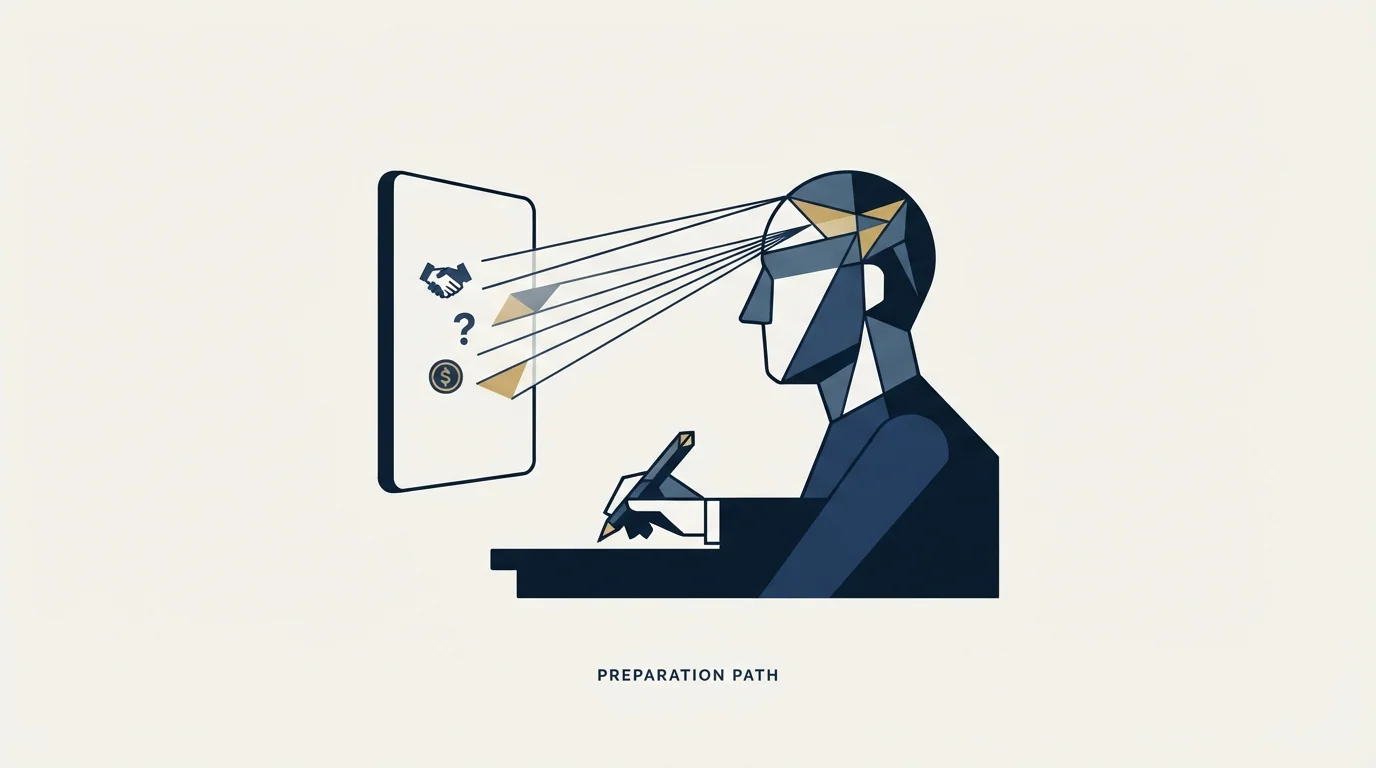
Simulation products generate an AI buyer for a rep to practise against, and score the attempt.
Hyperbound's own page describes roleplay with instant feedback alongside call scoring, and its demonstration shows attempts scored against named criteria including MEDDPICC elements. Second Nature positions on role plays and coaching that turn training into execution, and publishes outcome claims including reduced ramp time and a multiple on practice volume. Quantified is narrower by design, presenting itself as roleplay and field coaching for life sciences and regulated industries, with on-label scoring and audit-ready records among its stated capabilities. Virtway sells a different format again, an immersive environment where reps negotiate with reactive AI agents, accessible via web and mobile without headsets.
The strength of this half is that practice is repeatable and does not consume a manager's calendar, which matters because manager time is the first thing cut in the quarter a new message is being rolled out.
The limit is that a simulation rehearses the conversation you described to it. It cannot tell you what your buyers actually say, and a scenario library built from the messaging deck will train reps against the objections the company wishes it received. The mechanics of the format, and how to build scenarios that are not just the deck, are the subject of a fuller treatment in the roleplay literature; the buying question here is whether the scenarios can be authored from your own recorded calls rather than from a template.
Coaching during the call
Real-time assist surfaces guidance while the conversation is happening.
Dialpad's AI sales coach page describes real-time coaching and recommendations, coaching groups where managers can monitor live conversations with sentiment analysis and step in, and live coach cards that display messaging on screen based on the content of the call. Its own framing is that unlike traditional coaching after the call, this arrives in the moment.
This is the type with the widest spread between good and bad outcomes. For a new rep facing a known objection, a prompt at the right second is genuinely useful. For anyone else, a screen that changes while a person is speaking competes for exactly the attention the conversation needs, and the tell is a rep who sounds like they are reading, because they are.
It also structurally requires the calls to run through the vendor's telephony, which is a stack decision rather than a coaching decision and should be evaluated as one.
Since fintech buyers face additional regulatory and security constraints, choosing engagement tools for fintech teams is worth reading before locking in a vendor's stack.
The other thing worth checking before buying this type is whether the objection library it prompts from is any good, because a real-time assistant is a delivery mechanism for content somebody already wrote. Most objection libraries are worth auditing rather than extending, and automating the delivery of a weak one simply makes it arrive faster.
Coaching inside an enablement suite
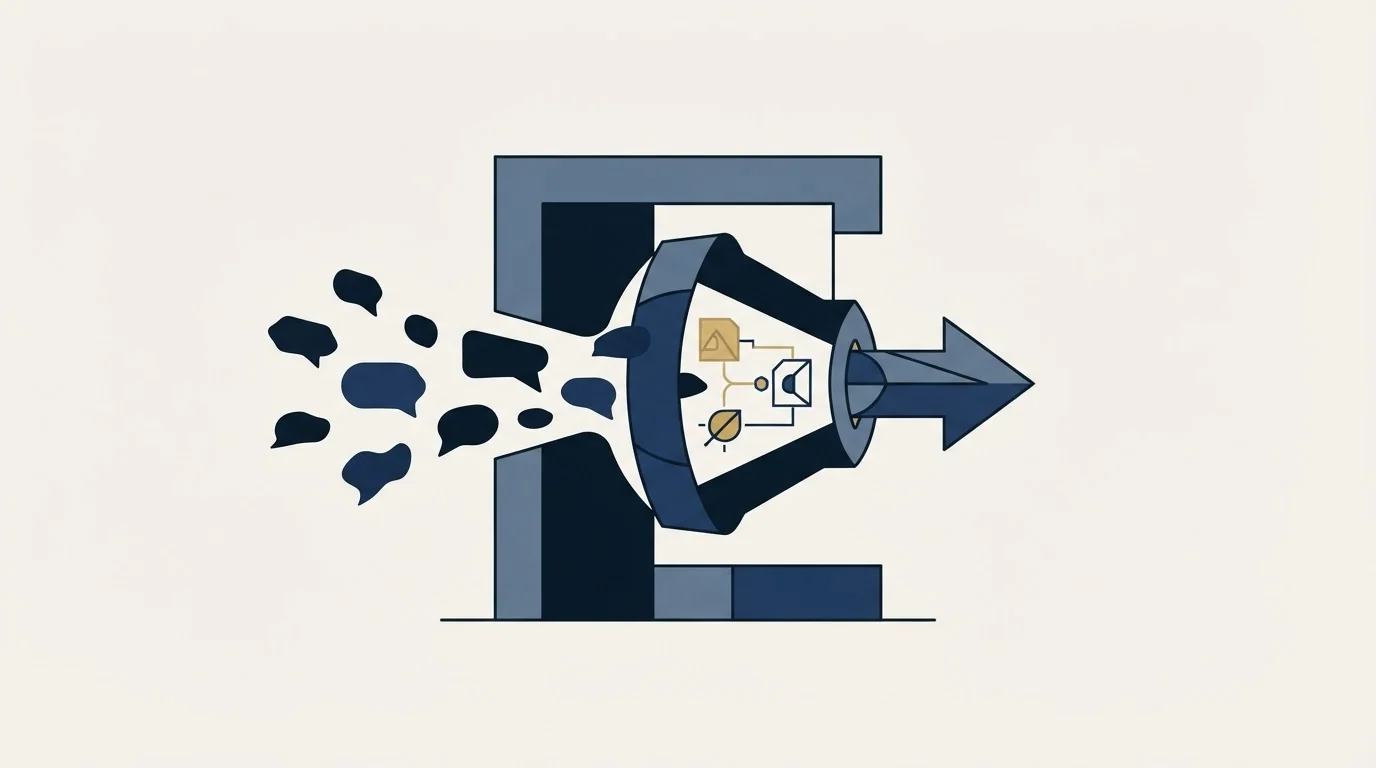
Highspot and Allego both sell coaching as part of a wider enablement platform covering content, training and certification. Highspot's homepage now carries the name Highspot by Seismic and calls it an AI platform for revenue execution, with sales coaching, AI role play and sales training among its listed use cases, and its merger page says Highspot and Seismic are now one company under the Seismic name. Allego presents sales enablement software and sales training on one platform.
Allego's own platform menu names five products under that label, covering sales content management, modern learning, AI role play and coaching, digital sales rooms and conversation intelligence, so the coaching module a buyer is shown here sits inside a content and learning system rather than beside one.
The argument for buying coaching this way is coherence: the same system holds the content, the certification and the coaching, so a message change propagates through all three. The argument against is depth, since a coaching module inside a suite is rarely the best instrument of its type.
The deciding question is whether you have an enablement function to operate a suite. Without one, a platform of this size becomes a content repository with unused modules attached, which is the most expensive way to store documents.
Sales coaching software or a sales enablement platform: which should you buy?
Coaching software is built around the conversation: it scores calls or practice attempts and returns the result to a rep and a manager. An enablement platform holds the content, training and certification a team works from, and treats coaching as one module among several, as Allego's five-product menu shows. Buy standalone coaching software when the gap is rep skill and nobody runs an enablement function. Buy the platform when content, training and coaching are scattered and someone owns the programme.
Reading the vendor numbers
Every product in this category publishes outcome figures, and they are all the vendor's own.
The claims are typically ramp time reduced by some share, practice volume multiplied, win rates improved, deals closed. They are not audited, the comparison population is rarely described, and the organisations that buy coaching tooling differ from those that do not in many ways besides the tooling. Read them as statements of what the vendor believes its value proposition to be, which is genuinely useful information, rather than as evidence of what will happen to your team.
The figures worth asking for instead are specific and awkward: what share of a customer's licensed reps used the product last month, how often a typical customer's managers actually read the output, and whether any customer has published a before-and-after using their own definitions. Adoption is the number that predicts value here, because every mechanism in this category depends on somebody reading the output.
Buying it to substitute for managers who do not coach is the failure that repeats most.
The last item is the failure that repeats most. None of these tools coach. They produce coaching material, and an organisation whose managers have no time to coach will buy any of them and get a well-instrumented record of the same performance.
Where we differ from standard practice
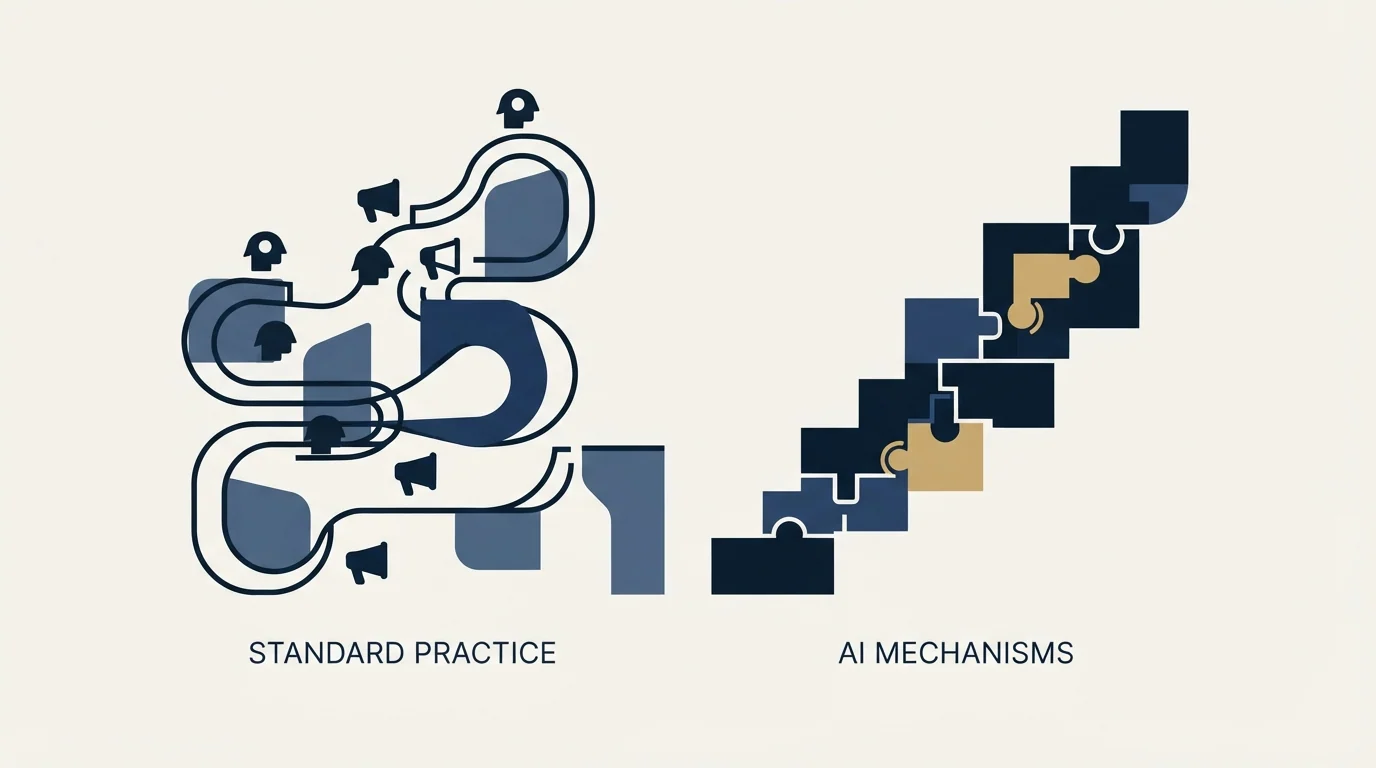
Much of the surrounding advice in this category reflects how outbound is commonly run, and since this page sits on our site it is worth naming the divergence.
Coaching scorecards for prospecting almost always score a rep on running a sequence: how many touches, over how many days, with later messages landing in the same thread. We do not run that. One message per campaign, no bumps, no thread replies, and where an audience does not respond, the same message can go out again later as its own campaign rather than as a reminder in the thread. The reasoning is mechanical: a repeat message reaches the population that already saw the first and chose not to answer, which is the population most likely to complain, and the reputation cost lands on the sending domain across everything else it sends. Our write-up on why we stopped using follow-ups sets out the full trade, and the cost we accept is reaching each contact less often.
We also do not sell calling, calling training or scripts. We build and run cold email and LinkedIn outbound, and the coaching category above is described here rather than resold. The full argument, including what it costs us, is in why we stopped using follow-ups.
The short version
Four mechanisms sit under one category name. Conversation intelligence coaches from real calls and is strongest on evidence and weakest on rehearsal. Simulation coaches before the call and is strongest on repeatable practice and weakest on knowing what buyers really say. Real-time assist coaches during the call and helps newer reps with known patterns while competing for attention everywhere else. Enablement suites bundle coaching with content and certification and need a real enablement function to be worth their size.
Pick the mechanism before picking the product, name the person who will read the output, insist that scenarios and scorecards can be built from your own conversations, and ask for adoption rates rather than outcome percentages. Where the constraint turns out to be the number of conversations rather than their quality, see what a first campaign produces, and what a qualified meeting has to mean is the definition to settle first.
Product positioning and vendor claims are taken from each vendor's own published pages, with dated snapshots retained. All outcome figures cited are vendor-supplied and unaudited. Verify current terms with the vendor before relying on them.
Frequently asked questions.
Frequently asked questions- What does built-in sales coaching mean?
- Coaching that ships inside a platform the rep already uses instead of a separate tool. Salesforce's Agentforce Sales Coach works on Salesforce records and can act as the customer in a role-play, Dialpad's AI sales coach shows Live Coach Cards during calls, and enablement suites such as Allego sell coaching as one module beside content and training.
- How does Airspeed score sales calls?
- According to Airspeed's own pages, the team's methodology criteria are turned into scoring rubrics during onboarding, and every call transcript is scored against them within minutes of the call ending, with scores that cite specific call moments. Reps see scores and trends on a dashboard each morning, and managers receive a coaching note the same day.
- Should we buy sales coaching software or a sales enablement platform?
- Coaching software is built around the conversation, scoring calls or practice attempts. An enablement platform holds content, training and certification and treats coaching as one module. Buy coaching software when the gap is rep skill and nobody runs an enablement function; buy the platform when content, training and coaching are scattered and someone owns the programme.
- What kills these deployments?
- Nobody reads the output. Every mechanism in this category produces coaching signal and none of it coaches, so an organisation whose managers have no time to coach ends up with a well-instrumented record of the same performance. Name the person and the weekly slot before signing anything.
About the author.

B2B cold email experts helping companies generate qualified leads through done-for-you outreach campaigns.
RevenueFlow Team
Explore more.
Ready to scale your outreach?
We build GTM engines that book real meetings. See the receipts.
Related articles.
Sales Training Programs: 13 Providers by What They Teach
Thirteen sales training providers and three free sources, grouped by what each one teaches, from their own pages as read on 18 September 2026. No ranking.
Best Time to Cold Call: What the Studies Counted
The best time to cold call figures traced to their originals: one inbound study from six companies, three vendor call datasets, and what survives the read.
Best Time to Send a Sales Email: What Was Measured
The send time studies behind the midweek morning answer, what each one actually counted, and why a broadcast finding does not transfer to a sales email.
Is Clay Free? The Free Plan, the Trial and Where Each Stops
Clay's free plan, its 14-day trial and the no-charge-on-a-miss rule are three different things. What each holds and where it stops, from clay.com on 19 September 2026.
Video Prospecting Tools by Job: What Each One Is For
Ten video prospecting tools sorted by the job each vendor's own page describes: record and share, personalise at volume, avatars, hosting and interactive demos.
Seamless.AI Email Finder: How It Works, What a Credit Buys
How Seamless.AI's email finder resolves a contact in real time, what one Universal Credit buys, the Total AI score on every address, and what the Chrome extension reads.