Deal Desk Software: What It Automates, What Needs a Person
Three different products answer this search. Which one you need depends on whether your delay is a decision, a document, or nobody noticing the request existed.
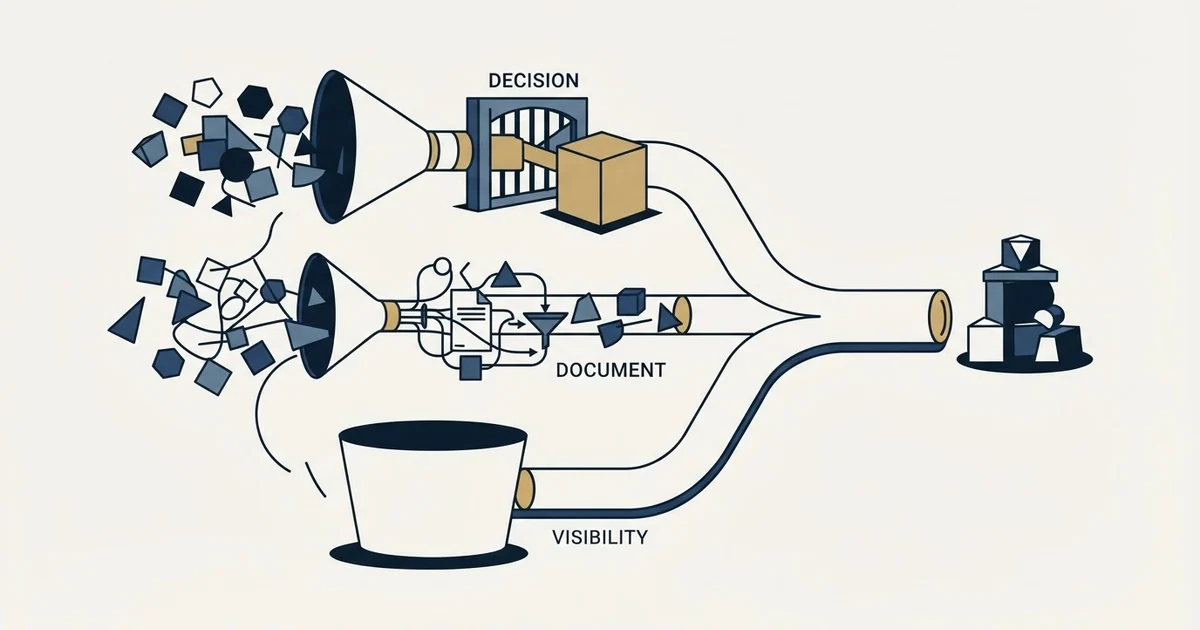
A deal desk is a cross-functional team from sales operations, finance and legal that owns non-standard deals. The software scales that function rather than creating it. Three different products answer this search: approval and pricing configuration, quote and document generation, and deal review analysis.
Key takeaways
- Diagnose whether the delay is waiting for a decision, waiting for paperwork, or waiting for someone to notice the request, because each answer points at a different product.
- Implementing before the discount policy exists makes the implementation the forum where policy gets decided, which is a slow and expensive place to have that argument.
- Inconsistency is a stronger signal than delay, because different answers to the same question mean the policy exists only in people's heads.
- DealHub's pricing page publishes no figure and routes to a Request Pricing action, so expect the category to be quoted rather than listed.
Reviewed and updated September 2, 2026
A rep asks for a 22 percent discount and a payment term nobody has offered before. The answer takes nine days, arrives by email, and contradicts an answer given to a different rep the previous month on a similar deal. Nobody did anything wrong. There was simply no place where that question belonged, so it went to whoever seemed most likely to answer it.
That is the problem a deal desk exists to solve, and it is worth being clear that the first solution is a process rather than a purchase. Deal desk software automates a function that already has to exist. Bought before the function exists, it encodes the absence of one.
What is actually being sold under the name
The category is unusually blurry because three different products answer the same search, and they solve different halves of the problem.
Another category shows a similar blurring, where go-to-market agencies bundle strategy, execution and channel access, so it helps to identify which of three things you are buying before signing on.
Approval and pricing configuration. This is the CPQ end: what can be sold, at what price, with which discount, and who has to approve a departure from that. The output is a rule set and an approval chain.
Document and quote generation. Turning an agreed configuration into a quote, an order form and a contract, with the right terms and a signature flow attached. The output is a document.
Deal review and analysis. Surfacing which deals are non-standard, what was conceded, and what that pattern is costing. The output is a report and a set of questions for the next review.
- Rules for price, discount and terms
- Routing to whoever must approve
- Fixes the who-decides delay
- Needs the policy to exist first
- Heaviest to implement
- Quote, order form, contract, signature
- Fixes the re-typing and version delay
- Cheapest and fastest to adopt
- Does not decide anything
- Often already partly in place
- Which deals were non-standard, and what it cost
- Fixes the nobody-noticed problem
- Useless without a standard to deviate from
- Usually a module of something larger
- The last of the three to need
The diagnosis that picks between them is a single question about the nine days: was the delay waiting for a decision, waiting for paperwork, or waiting for someone to notice the request existed? Each answer points at a different column, and buying the wrong one leaves the delay intact under a new interface.
A deal desk is a team before it is a tool
Most of the definitional pages in this space are careful about this and it is worth repeating. A deal desk is a cross-functional group, usually drawn from sales operations, finance and legal, that owns non-standard deals. The software is how that group scales past the point where a shared inbox stops working.
Deal desk software handles one narrow function, while the distinct jobs inside sales operations software maps the routing, forecasting and compensation layers surrounding it.
The order matters because the software encodes decisions. An approval workflow needs to know who approves a 22 percent discount, and if nobody has decided that, the implementation becomes the forum where it gets decided, which is a slow and expensive place to have the argument. Teams that write the policy first implement quickly. Teams that buy first spend the implementation writing policy under time pressure.
The smallest version of the function costs nothing: a written discount table, a named approver per band, and a stated turnaround time. Most organisations that think they need deal desk software need that document, and then discover in six months whether the volume justifies tooling.
The turnaround time is the part most often left out, and it is the part reps care about. An approval process with no stated response time is one where the rep's honest answer to the buyer is that they do not know, which is worse for the deal than an unfavourable answer given quickly. Naming a number, even a generous one, converts an open-ended wait into a scheduled step the rep can manage the buyer through.
The membership question settles itself once you look at what a non-standard deal actually needs. Somebody has to say whether the price is acceptable, which is finance. Somebody has to say whether the terms are acceptable, which is legal. Somebody has to say whether the configuration is deliverable, which is usually operations or product. Sales operations coordinates and owns the record. Where an organisation is small enough that two of those are the same person, the deal desk is that person plus a written policy, and it works fine until the volume changes.
The trigger that says the tooling is warranted
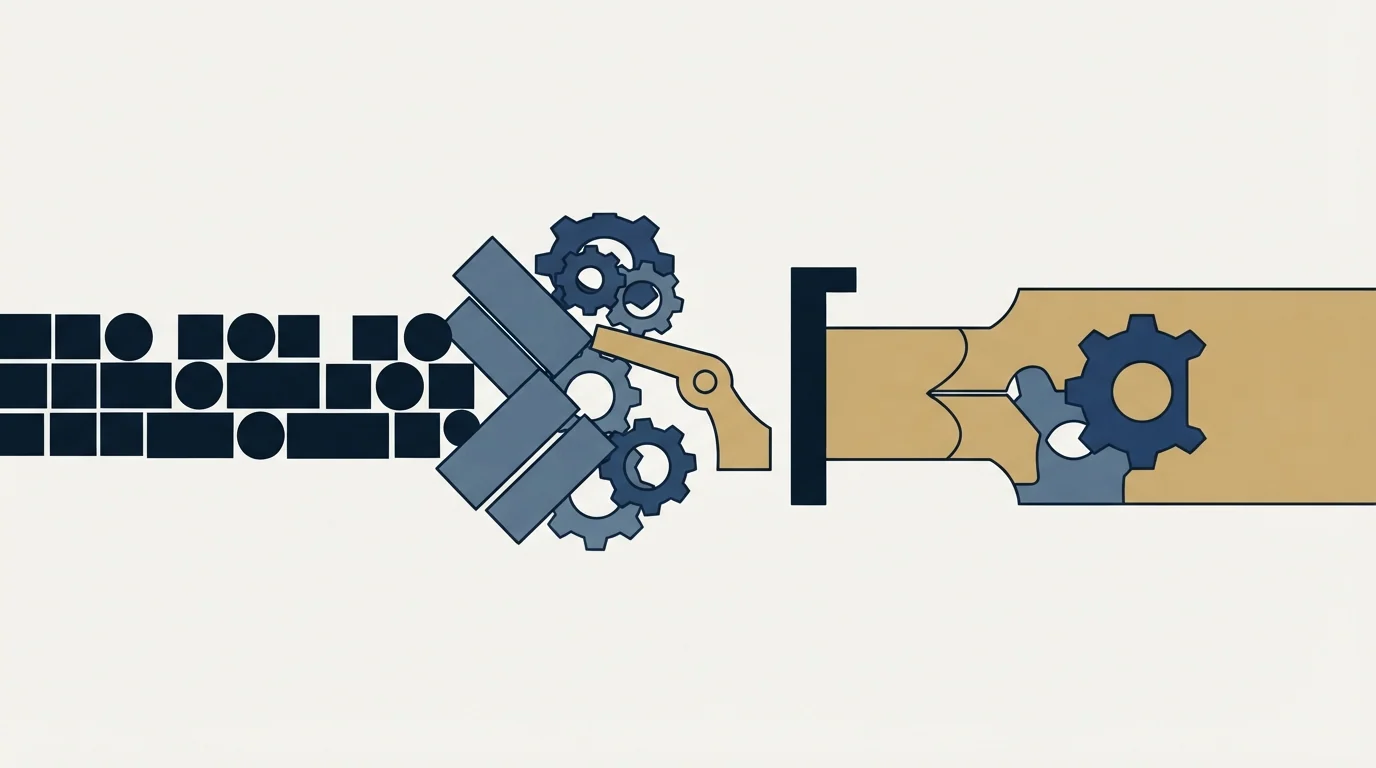
Three signals, and volume alone is not one of them.
Non-standard deals stopped being exceptional. If a meaningful share of closed deals departed from the price book, the exception process is the process, and running it by hand is now the constraint.
The same question gets different answers. Inconsistency is a stronger signal than delay, because it means the policy exists only in people's heads. It also creates a specific downstream problem: a customer who learns that a peer got better terms is a renewal conversation you did not want.
The paperwork step is where deals wait. If the gap between verbal agreement and signature is measured in weeks and the cause is document assembly rather than the buyer's own process, that is the cheapest of the three problems to fix and the most likely to be worth tooling immediately.
- Step 1Write the standard
Price book, discount bands, approver per band, and a stated turnaround. One page.
- Step 2Run it manually for a quarter
The exceptions you actually receive are different from the ones you predicted.
- Step 3Name the binding delay
Decision, paperwork, or visibility. This chooses the product category.
- Step 4Then buy the narrow thing
The narrow product that fixes the named delay, not the platform that fixes all three.
What it does to the forecast, which is the underrated part
A deal desk changes forecasting in a way that is rarely the reason for buying it and often the largest benefit.
Forecast accuracy has a second lever in the evidence a deal already produced, and reading an open opportunity from its own evidence is a second source on the seller's assessment.
Non-standard deals are the ones most likely to slip, because they carry an approval step whose duration nobody records. Once approvals run through a system, that duration becomes visible, and a late stage that was previously opaque acquires a measurable sub-step. The assumption hidden in most late-stage forecasts is that a verbally agreed deal is nearly closed, and approval-cycle data is the only thing that tests it directly. The object being forecast at that point is a sales qualified opportunity with an unrecorded step still in front of it.
It also affects stage definitions directly. Approval submitted and approval granted are exactly the kind of exit criteria that survive the test in sales pipeline stages, because a third party can check them. Teams that implement a deal desk often find their late-stage definitions improve as a side effect, since the system creates verifiable events where previously there were only conversations.
What the software will not do
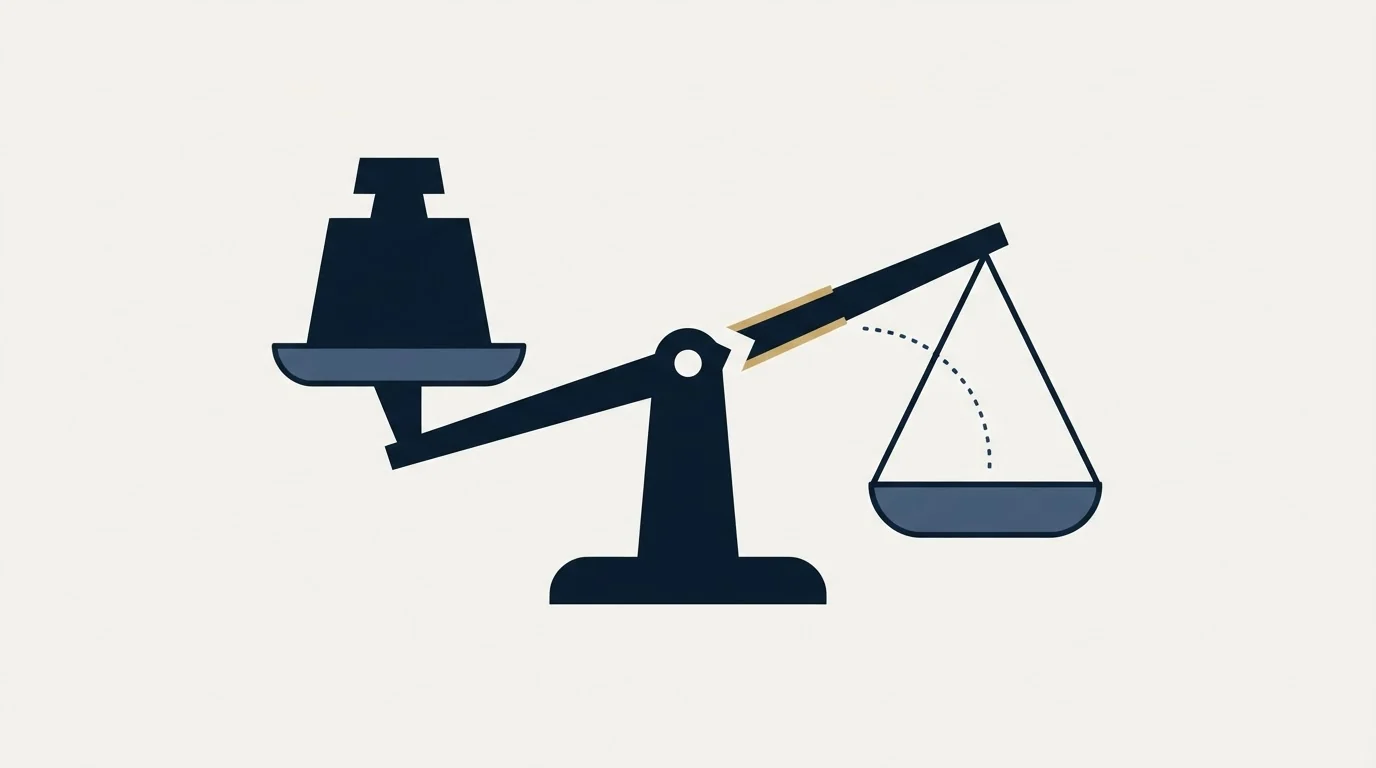
It will not decide what your discount policy should be, and a tool implemented without one produces a fast, consistent, automated version of an arbitrary rule.
It will not stop discounting. Approval routing changes who authorises a concession and how quickly, and it makes the pattern visible afterwards. Whether the pattern changes depends on what leadership does with the report, which is a management question rather than a software one.
It will not shorten the buyer's own process. Procurement queues, security reviews and budget cycles sit outside your systems entirely, and the gap between an internally approved quote and a signed one is often mostly theirs. Attributing that whole gap to your paperwork is a common misdiagnosis, and it leads to buying tooling for a delay it cannot reach.
On price, and one trap in reading these pages
DealHub's pricing page publishes no figure and routes to a Request Pricing action. That is one surface, checked directly, and it says nothing about what the vendor may publish elsewhere or quote in a conversation.
It is worth naming a trap encountered while checking it. That page does contain a dollar figure in its raw source, and the figure is $750K inside a customer testimonial describing money spent on a previous failed implementation. A grep for currency would return it as a price. A number found in a page's bytes is only a price if a visitor would read it as one, which is the reason to look at where a figure sits rather than only that it is present.
Expect the category to be quoted rather than listed, and expect the quote to depend on seat count, on which of the three products above are included, and on how many systems have to be integrated. The integration scope is usually the larger variable.
Where this sits relative to the rest of the stack
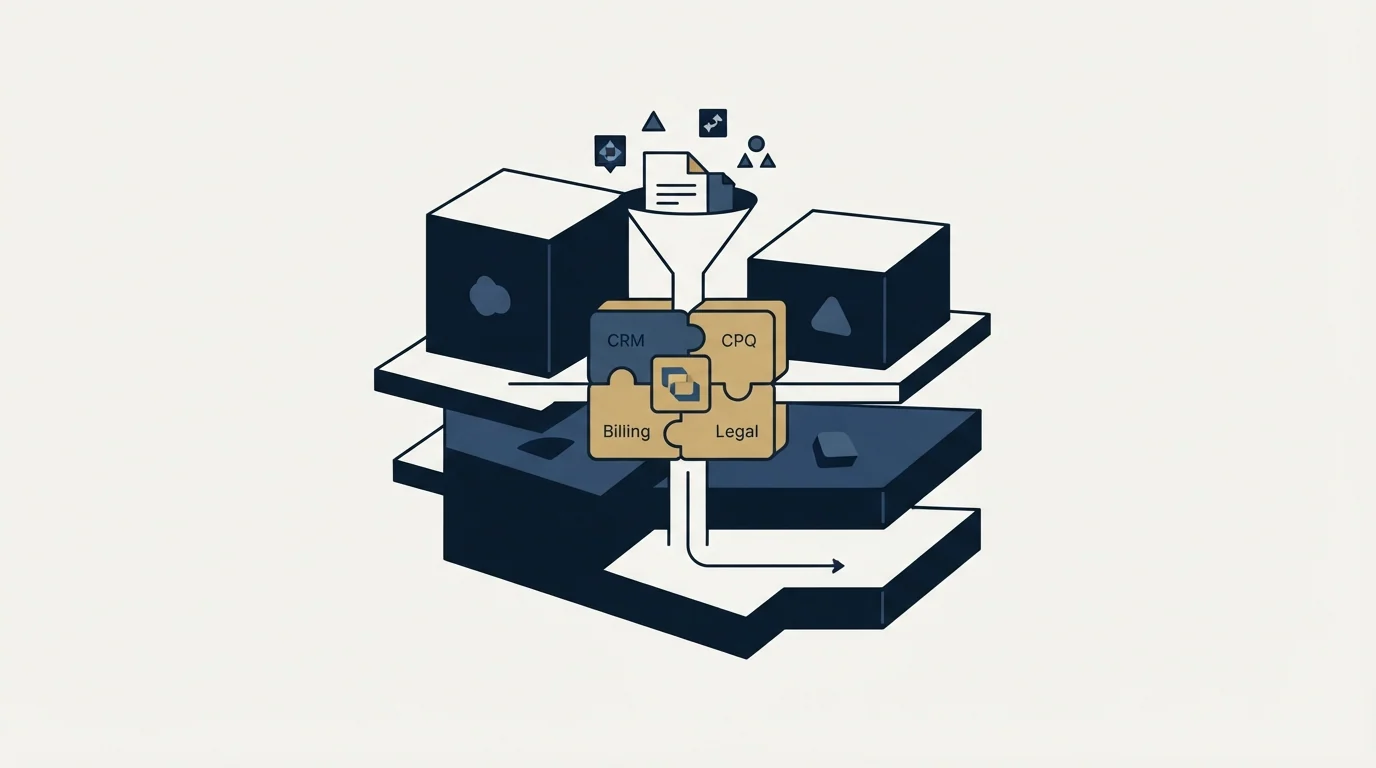
Deal desk software is a late-stage instrument. It acts on deals that already exist and are already close to closing, which makes it the wrong purchase for a pipeline problem and a reasonable one for a conversion or cycle-time problem at the bottom of the funnel. It sits on top of the CRM rather than beside it, so the implementation is only ever as good as the opportunity record it reads, and choosing where that record lives is the adjacent decision covered in CRM tools for B2B SaaS. The stage-definition question underneath both is the one the SaaS sales funnel settles: every stage exit defined as something the buyer did.
One boundary worth stating plainly: none of this reaches the top of the funnel. A deal desk makes the deals you already have close more predictably, and if the shortage is opportunities rather than throughput, the work is upstream, which is what a test campaign is for.
The short version
A deal desk is a cross-functional team that owns non-standard deals, and the software scales that team rather than creating it. Three different products answer this search, so diagnose whether your delay is a decision, a document or a visibility problem before choosing between them. Write the discount table and name the approvers first, because otherwise the implementation becomes the policy debate. The underrated benefit is forecasting: approval steps that run through a system produce verifiable stage exits where there were previously only conversations.
Pricing and features verified as of mid-2026. Verify current terms with the vendor before relying on them.
Frequently asked questions.
Frequently asked questions- What is a deal desk?
- A cross-functional group, usually drawn from sales operations, finance and legal, that owns non-standard deals. Somebody has to say whether the price is acceptable, somebody whether the terms are, and somebody whether the configuration is deliverable. In a small company those roles collapse into one or two people plus a written policy, which works fine until the volume changes.
- When does a company need deal desk software?
- When non-standard deals stop being exceptional, when the same question gets different answers from different approvers, or when the gap between verbal agreement and signature is caused by document assembly rather than the buyer's own process. Volume alone is not the trigger. Run a written discount table and named approvers manually for a quarter first, because the exceptions you receive differ from the ones you predicted.
- How much does deal desk software cost?
- DealHub's pricing page publishes no figure and routes to a Request Pricing action, which is representative of the category. Expect a quote rather than a list price, and expect it to depend on seat count, on which of the three product types are included, and above all on how many systems have to be integrated. Integration scope is usually the larger variable.
- Will a deal desk stop reps from discounting?
- No. Approval routing changes who authorises a concession and how fast, and it makes the pattern visible afterwards in a report. Whether the pattern actually changes depends on what leadership does with that report, which is a management decision rather than a software feature. A tool implemented without a discount policy produces a fast, consistent, automated version of an arbitrary rule.
About the author.

B2B cold email experts helping companies generate qualified leads through done-for-you outreach campaigns.
RevenueFlow Team
Explore more.
Ready to scale your outreach?
We build GTM engines that book real meetings. See the receipts.
Related articles.
Sales Enablement Charters: What the Published Ones Ask For
Six publishers set out what a sales enablement charter should contain. Five describe a document nobody can check, and one writes a definition with inspection in it.
Win Rate Benchmarks: Which Figures State a Population
A catalogue of the published average sales win rates, sorted by whether the page names the population behind its own number. Most do not.
Sales Kickoff Agendas: Five Published, Session by Session
Five publishers print a sales kickoff agenda. They agree on four blocks and disagree on session length, rehearsal and where the agenda comes from.
Sales Cycle Length Benchmarks: What Each Figure Counts
The published B2B sales cycle benchmarks, sorted by what each page says it counted. The same number means two different things in two of them.
Sales Comp Plan Design: What the Publishers Prescribe
Four publishers set out how to design a sales compensation plan. Here are their procedures, their components, and which of their ratios carry a population.
Physician Email Lists: The Row, Its Sources and Its Gaps
The anatomy of a physician email list: the six field groups, which CMS, AMA and state board records hold each, what vendors claim, the rules, and the order to verify.