HubSpot Alternatives for Small Business: Where Free Stops
HubSpot publishes its free CRM as free for up to two users. Four alternatives whose own pricing pages could be read, and where each one puts its gate.
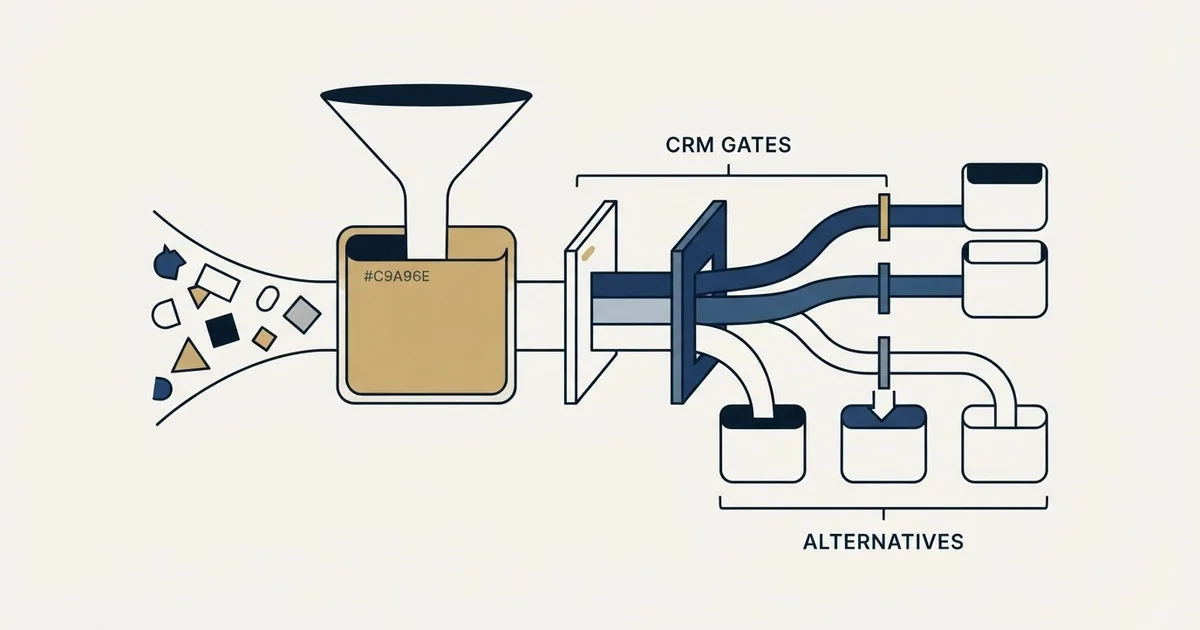
HubSpot's Sales Hub pricing page publishes its free plan as free for up to two users, with one deal pipeline and three email templates. That seat cap is what sends small businesses shopping. Zoho publishes a free edition for three users, Freshsales the lowest paid entry rate with no free plan on its plan cards, and Close an entry plan limited to one user.
Key takeaways
- HubSpot's Sales Hub pricing page publishes the free plan as free for up to two users, with one deal pipeline, three email templates and one branded meetings link.
- Professional on that page carries a required one time onboarding fee of £1,310 stated apart from the seat rate, and Enterprise one of £3,050.
- Zoho's pricing page titles itself as free for three users, while the Freshsales plan cards carry no free plan, only a twenty-one day trial, although that page's own meta description still advertises one.
- Close publishes its two cheapest plans with the line workflows not included, so the automation a small team came for begins two tiers above the entry rate.
Reviewed and updated October 1, 2026
HubSpot's own Sales Hub pricing page, read on 2 September 2026, prints the number that starts this search directly under the free plan: "Free for up to 2 users." Hire a third person and the free CRM is already behind you. That same page gives the free tier one deal pipeline, up to three email templates per account, and a maximum of one personal meetings link, and it marks the free live chat and the free meeting links as carrying HubSpot branding.
Almost nobody shopping for a HubSpot alternative at this size is doing it because the software is weak. They are doing it because the free tier was sized for two people and the step above it is priced per seat, and in a small business those two facts arrive on the same afternoon.
So this page is organised around the thing that actually decides it: where each vendor puts the wall above its cheapest plan, taken from that vendor's own pricing page and dated. Where a page could not be read, it says so rather than carrying a figure forward.
What HubSpot's free tier caps, in its own words
The free plan is generous in the dimensions a two-person company notices and tight in the ones a five-person company notices within a fortnight.
From the Sales Hub pricing page on 2 September 2026, the free plan carries one deal pipeline against two on Starter, fifteen on Professional and one hundred on Enterprise. It allows up to three email templates per account and up to three canned snippets, against up to ten thousand templates and five thousand snippets on every paid tier. It gives one personal meetings link. Live chat, one to one email and the meetings links all carry HubSpot branding on the free plan, and removing that branding is a paid step rather than a setting.
Sequences are the line most outbound-minded teams hit. On that plan grid, sequences appear on Professional and Enterprise only, with Professional listed at five thousand sequences per account and up to five hundred email sends per user per day.
- Yes: The seat count, published as free for up to two users
- Yes: One deal pipeline, so a second sales motion has nowhere to live
- Yes: Three email templates and three canned snippets per account
- Yes: One personal meetings link, carrying the vendor's branding
- Depends: Sequences, which the plan grid places two tiers up
- No: Ten reporting dashboards, which few teams of five exhaust
What the first paid step costs, and the line printed under it
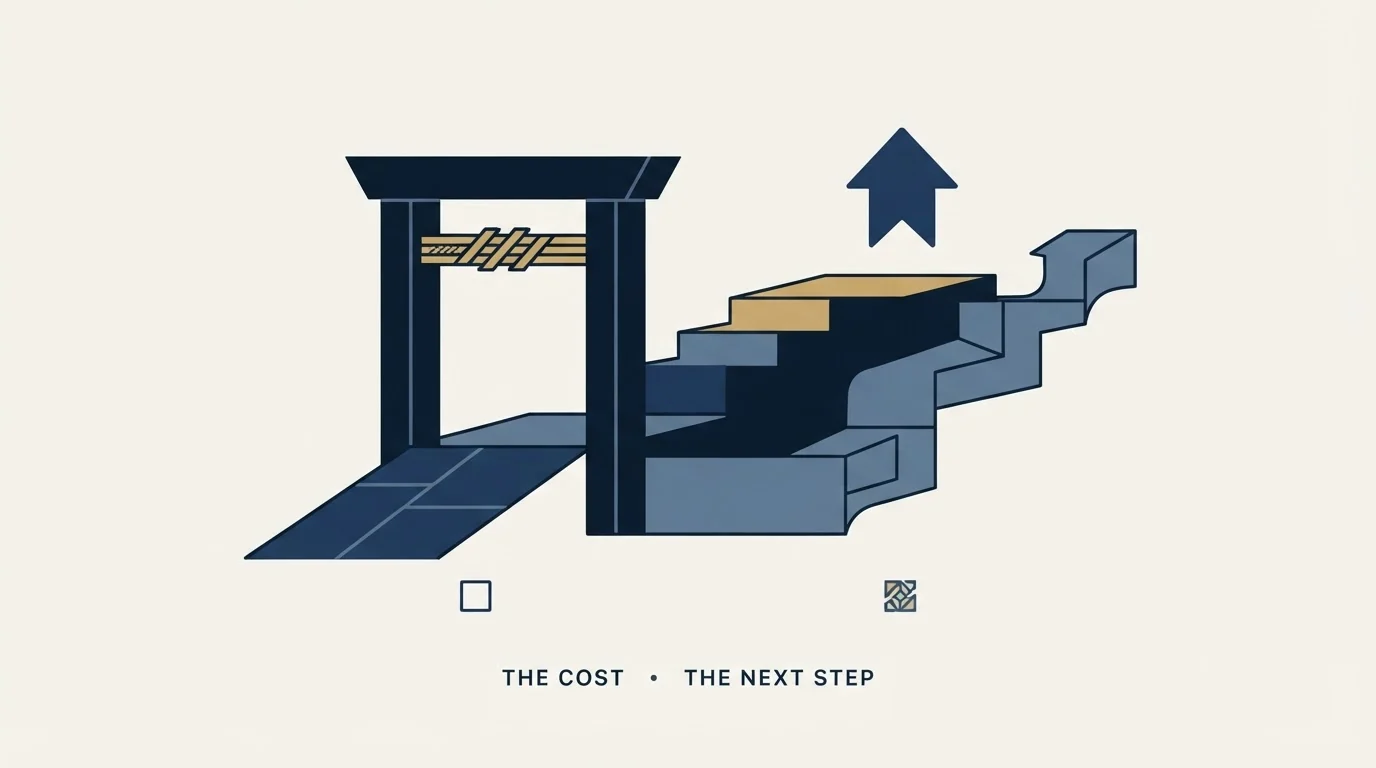
That pricing page served our network pounds, with a currency control reading "Sales GBP" and nothing on the page announcing the substitution. Read in that state on 2 September 2026, Starter "Starts at £7 /mo/seat" billed annually and £18 per seat a month billed monthly. Professional starts at £77 per seat a month annually and £85 monthly. Enterprise starts at £135 per seat a month.
Two footnotes on that page matter more than the seat rates. Under Professional the page reads "Cost shown does not include the required, one-time Professional Onboarding for a fee of £1,310", and under Enterprise "Cost shown does not include the required, one-time Enterprise Onboarding for a fee of £3,050". For a four-person company evaluating Professional, that fee is larger than a year of seats, and it is the single most commonly missed number in this comparison. The same ladder, with the same footnotes, sits inside our HubSpot CRM against Salesforce comparison.
The page also prices HubSpot Credits separately at £8.10 per one thousand credits when paid annually, which is the meter behind the AI agents rather than a seat cost.
Whatever currency your own browser is served, read the toggle state before quoting a rate to anyone. The annual and monthly figures both ship in the same document, and they differ by more than a rounding.
The alternatives whose pricing pages could be read
Four vendors served a complete ladder to a plain fetch on 2 September 2026. Each entry below is what that vendor's own page published on that date, in the currency it served.
Zoho CRM, which publishes a free edition with a seat count on it
The page title itself states the offer: "Zoho CRM Pricing and Editions - Free for 3 users". The free edition is a standing plan rather than a trial, and it covers one more seat than HubSpot's free tier does.
Above it, the page's own ladder read in Indian rupees: Standard at ₹800 per user a month, Professional at ₹1,400, Enterprise at ₹2,400 and Ultimate at ₹2,600, under an annual toggle whose label reads "Save up to 34 % with yearly plans". Its currency selector lists fifteen currencies, "USD INR EUR GBP JPY SGD AUD AED SAR MXN ZAR NGN KES EGP CAD", and the page served this network rupees regardless, which is a property of where the request came from rather than of the price. Price it from that page in your own browser before budgeting.
For a company of three or fewer people this is frequently the whole answer, and it costs nothing to find out.
Freshsales, the lowest published entry rate, with no free plan at all
Freshworks publishes this product as Freshsales. Its product page on 2 September 2026 is titled "Freshsales: Streamlined Sales CRM Solution | Freshworks", so a search for a Freshworks CRM lands on the same thing.
Its pricing page that day published Growth at $9 per user a month billed annually and described that tier in its own words as "For startups and SMBs", with a feature list opening "Built for teams that want: Kanban view Contact lifecycle stages". That page puts Pro at $39 per user a month billed annually and Enterprise at $59, both at the annual rate with a Monthly toggle beside a Save 20% label. The same page prices two add-ons apart from the ladder: branded documents at $19 per user a month, and the Freddy AI Agent at $49 per one hundred sessions.
The gate to know about is sales sequences. That page opens the Pro list with "Everything in Growth, plus: Contact scoring Deal insights" and puts sequences inside it, so they sit a tier above the entry rate rather than on Growth. And the plan cards carry no free plan, only Growth, Pro and Enterprise above a twenty-one day trial, although the same page's own meta description still advertises a free plan as read on 2 September 2026, so confirm the current offer before treating this as a paid decision from day one in a way the two free-tier vendors are not. Zoho and Freshsales are compared directly in our Freshsales against Zoho CRM comparison.
Close, cheapest for one person and gated on automation
Close published Solo at $19 per user a month billed monthly and $9 billed annually, with two lines beside it that decide whether it fits: "Limited to 1 user" and "Limited to 10k leads". The page puts Essentials, which it describes as a "System of action for small teams", at $49 monthly or $35 annually, lifting both limits and adding unlimited contacts and leads plus team collaboration.
Both of those plans carry the line "Workflows not included". The Growth plan's own included list opens "Everything in Essentials, plus: Automated workflows", and the page publishes it at $109 monthly or $99 annually, which also brings the power dialer. A small business shopping this category on entry price lands on precisely the tiers where the automation it came for has been removed, and Close is unusually direct about saying so on the page.
Copper, which meters contacts rather than seats above the entry plan
Copper's page published Basic at $29 per seat a month, or $23 per seat a month paid annually, with a 2,500 contact limit. The same page puts Professional at $69 monthly or $59 annually with a 15,000 contact limit, workflow automation and bulk email, and Business at $134 monthly or $99 annually with unlimited contacts. Its own footnote reads "Prices are in USD and don't include taxes and fees where applicable".
The contact ceiling is the number to model rather than the seat rate. A four-person company running any kind of list building reaches 2,500 contacts long before it reaches a fifth employee, and the upgrade that follows is a per seat upgrade for everybody.
The one page that refused to be read
Pipedrive's pricing page returned HTTP 403 to a browser-agent fetch and HTTP 403 again to a headless render on 2 September 2026. That is a fact about our network rather than about Pipedrive, so no Pipedrive rate appears on this page. Read it in your own browser, where it serves normally.
The meter is the comparison, not the entry price
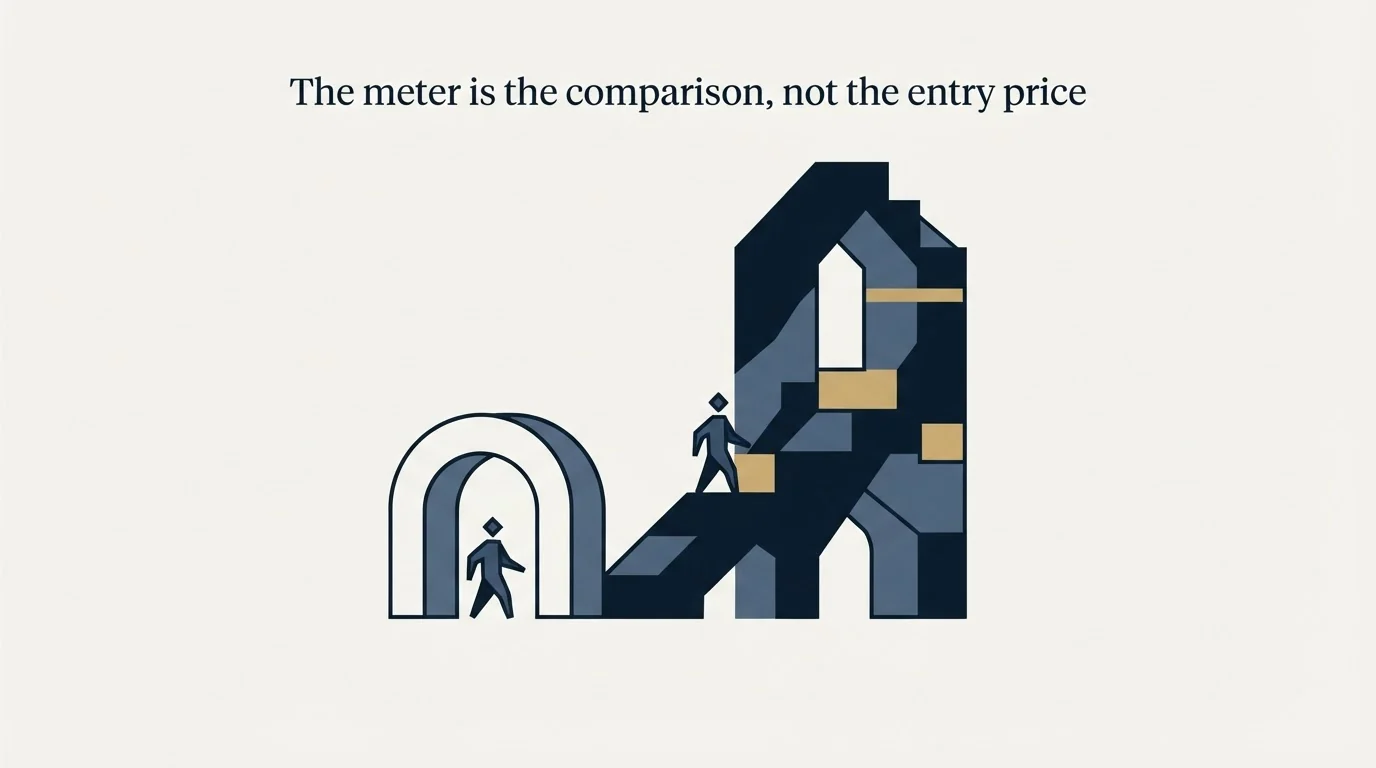
Entry prices across this category sit close enough together that they decide very little. What separates these products for a small team is the shape of the meter and where the vendor puts the gate above the cheapest plan.
- The total multiplies by the number of people who need a login
- The capability you came for often begins a tier or two above the entry plan
- Upgrading to unlock one feature upgrades everybody on the account
- Ask which of your logins are load bearing, and which tier holds the gate
- The bill is still per seat, but the contact ceiling on each tier decides which rung you sit on
- List building moves the bill even when the team does not grow
- Predictable while the database is small and steps sharply at the ceiling
- Ask how many contacts a year of your own prospecting actually produces
- A standing plan rather than a trial, with a published user limit
- Free stops at a headcount rather than at a date
- The configuration you build on it is what you later migrate
- Ask what happens on the day you hire past the limit
The practical consequence is that two companies of identical size get different answers depending on whether their constraint is people or records. A four-person agency with twelve thousand prospects in a database is a contact-meter buyer. A four-person consultancy with two hundred relationships is a seat-meter buyer, and for that company a free edition covering three of the four seats is a genuinely different proposition from a two-seat one.
Working the arithmetic for four people
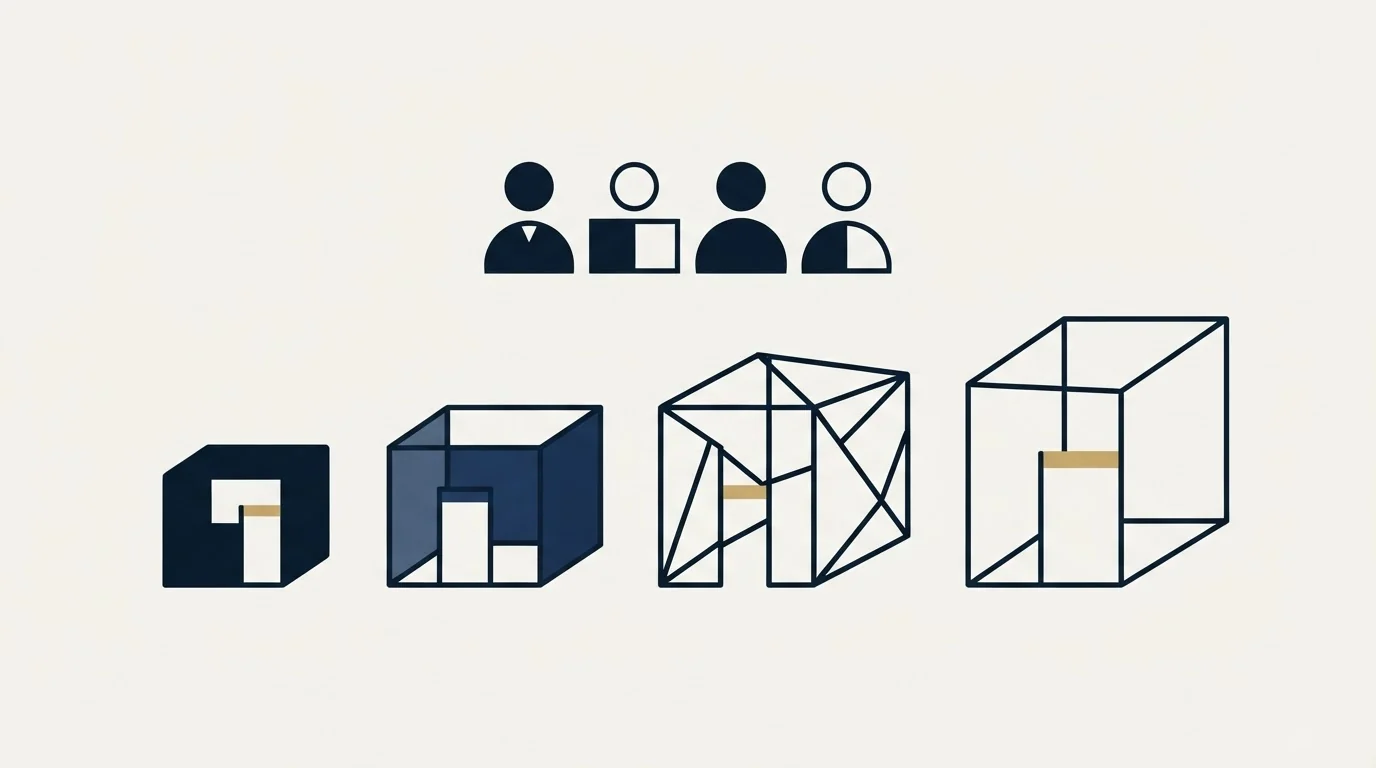
The following comparison is invented for illustration, uses only the rates attributed above, and describes no real purchase.
In that invented example a four-person team on HubSpot Starter at the annual rate pays four seats a month in pounds and has one more deal pipeline than the free plan gave it, with sequences still two tiers away. The same team on Freshsales Growth pays four seats in dollars at the annual rate and also has no sequences, which begin on Pro. On Close Essentials it pays four seats and still carries the line about workflows not being included. On Copper Basic it pays four seats against a shared ceiling of 2,500 contacts. On Zoho the fourth hire ends the free edition altogether, because Free is published as an edition capped at three users rather than as three free seats, so the whole team moves onto the Standard rung.
Two cautions about that arithmetic. The HubSpot figures arrived in pounds and the other three in dollars, so those totals are not directly comparable and each has to be priced in its own currency from its own page. And in three of the five cases the automation the team was shopping for sits above the tier the arithmetic just priced, which is the comparison that actually matters.
- Step 1Count the logins
Decide how many people genuinely need to write to the record, because that is what every seat meter multiplies
- Step 2Find the gate
Locate the tier where the capability you came for begins, and price that tier rather than the entry one
- Step 3Read the page yourself
Check the currency you are served and the billing toggle state before quoting any rate internally
- Step 4Test the export
Run a full export during the trial, because a small business absorbs a migration badly and will probably do one
What none of these products changes
Three things get expected of a CRM at this size and are in none of them.
It does not send cold email. A cold programme needs separate sending domains, several mailboxes in rotation, warmup, bounce handling and suppression enforced at send time. Sending it from the mailbox your invoices come from puts reputation risk on the domain the business runs on. The CRM's job is to be the record that outlives the sending tool, and that is a question about the write-back path rather than about features. Our sales automation guide for small businesses separates those four purchases properly.
It does not decide who to contact. Every product here acts on records it is given, and a tool bought to compensate for a vague target market will organise a vague list faster.
It does not buy back the configuration time. In a company this size there is no administrator, so the person setting the CRM up is the person who was doing the work by hand, and they are doing both for a while. Keep the field set small enough that you would fill it in yourself at speed.
One house position worth stating, because it changes which features are worth paying for. We run one message per campaign, with no bumps and no thread replies, so the sequence depth that dominates feature comparisons in this category is a gate we do not need to clear. The reasoning is set out in why we run one-message campaigns. The cost of running it that way is that each contact hears from us less often, and we accept that.
The short version
HubSpot's free CRM is published as free for up to two users, with one deal pipeline, three email templates and one branded meetings link. That seat cap, rather than any weakness in the product, is what sends a small business looking.
Of the alternatives whose own pages could be read on 2 September 2026, Zoho publishes a standing free edition for three users and served this network rupees, Freshsales publishes the lowest paid entry rate and no free plan at all, Close publishes an entry plan limited to one user with workflows two tiers up, and Copper meters contacts rather than seats above its entry plan. Pipedrive's page refused both fetch routes, so it carries no figure here.
Compare the meters and the gates rather than the entry prices. Count the logins, find the tier where the capability you came for begins, read the currency your own browser is served, and test the export before you commit. The wider list of HubSpot CRM alternatives covers the products that suit larger teams, and the category for a company of this size is walked in our guide to CRM tools for startups.
If the constraint is that not enough of the right conversations are starting at all, see what a first campaign produces against your market before adding another tool to the stack.
Rates and plan contents were read from each vendor's own pricing page on 2 September 2026, with dated snapshots retained. These pages render regional currencies and carry monthly and annual states in one document, so confirm the current terms in your own browser before relying on them.
Sources: HubSpot Sales Hub pricing, Zoho CRM pricing, Freshsales pricing, Close pricing, Copper pricing
Frequently asked questions.
Frequently asked questions- What is the best HubSpot alternative for a small business?
- It depends on whether your constraint is people or records. Zoho publishes a standing free edition covering three users, which for a very small team is often the whole answer. Freshsales published the lowest paid entry rate and no free plan on its plan cards. Close is cheapest for one person and gates automation two tiers up. Copper meters contacts rather than seats above its entry plan.
- Why do small businesses leave HubSpot's free CRM?
- Usually at the seat count rather than at a feature. HubSpot's own pricing page publishes the free plan as free for up to two users, so a third hire ends it. The same plan carries one deal pipeline, up to three email templates per account and a single personal meetings link with HubSpot branding on it, and removing that branding is a paid step.
- Is there a genuinely free alternative to HubSpot CRM?
- Zoho publishes one. Its pricing page is titled as being free for three users, and that edition is a standing plan rather than a trial, so it covers one more seat than HubSpot's free tier. The Freshsales plan cards carry no free plan, only a twenty-one day trial, although the page's own meta description still advertises one, so confirm before budgeting. Close and Copper both offer trials rather than free editions on the pages read here.
- Can a small business run cold email from any of these?
- Not as the sending layer. A cold programme needs separate sending domains, several mailboxes in rotation, warmup, bounce handling and suppression applied at send time, and sending it from the mailbox your invoices come from puts reputation risk on the domain the business runs on. The CRM's job is to hold the record that outlives whichever sending tool you use.
About the author.

B2B cold email experts helping companies generate qualified leads through done-for-you outreach campaigns.
RevenueFlow Team
Explore more.
Ready to scale your outreach?
We build GTM engines that book real meetings. See the receipts.
Related articles.
Best CRM for Google Workspace: What Lives in Gmail
Working with Google Workspace covers four separate integrations, and most of the category ships as a browser extension. What five vendors publish about theirs.
Which CRMs and Tools the Outbound Stack Connects To: Integration Data From 342 Sales Tools
HubSpot is named as an integration by 52.3% of 342 verified sales tools, Zapier by 50.3% and Salesforce by 43.3%. Here is the full map by category.
Social Selling Tools by Job, and the Account-Risk Line
Fourteen social selling tools sorted into six jobs, split by whether each acts through your LinkedIn account or beside it, from the vendors' own pages.
Seamless.AI Email Finder: How It Works, What a Credit Buys
How Seamless.AI's email finder resolves a contact in real time, what one Universal Credit buys, the Total AI score on every address, and what the Chrome extension reads.
Is Clay Free? The Free Plan, the Trial and Where Each Stops
Clay's free plan, its 14-day trial and the no-charge-on-a-miss rule are three different things. What each holds and where it stops, from clay.com on 19 September 2026.
Video Prospecting Tools by Job: What Each One Is For
Ten video prospecting tools sorted by the job each vendor's own page describes: record and share, personalise at volume, avatars, hosting and interactive demos.