LinkedIn Open Networkers: What a LION Accepts
LION is a member convention, not a LinkedIn setting. Why outbound teams reach for open networkers, and why a bought acceptance rate fixes the metric rather than the list.
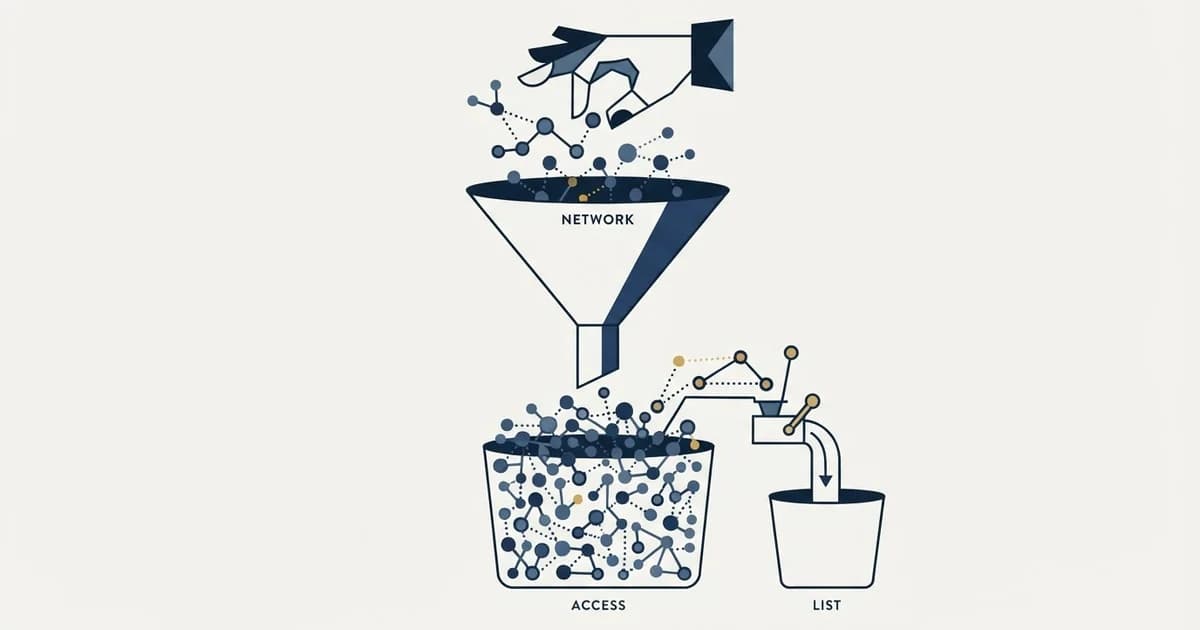
A LinkedIn Open Networker, or LION, is a member who accepts connection requests from strangers as a matter of policy. It is a member convention rather than a LinkedIn feature. Teams target them because ignored invitations are a published restriction trigger, but an acceptance given to anybody carries no information about relevance.
Key takeaways
- Open networking is a member convention. LinkedIn's help pages on invitation restrictions, invitation limits, invitation alternatives and spam reporting do not mention it at all.
- The tactic exists because LinkedIn names invitations that were ignored, left pending or marked as spam among its three published reasons for restricting an account.
- LinkedIn caps a network at 30,000 first-degree connections and recommends keeping only quality connections, so a list bought for acceptance consumes a published ceiling.
- Sourcing open networkers in bulk means directories and extensions, which LinkedIn's prohibited-software page covers directly, with restriction or account shutdown as the stated risk.
Reviewed and updated September 1, 2026
A LinkedIn Open Networker is a member who has decided, in advance and in public, to accept your connection request. The label is a member convention rather than a LinkedIn feature. It shows up as the acronym LION in headlines and in group names, and it appears nowhere in LinkedIn's own documentation: the help pages on invitation restrictions, invitation limits, invitation alternatives and reporting invitations as spam, all fetched for this article, do not mention open networking at all.
That gap matters more than it sounds. Everything an open networker offers you is a promise from one member, and everything it costs you is enforced by the platform.
What the label actually promises
A LION accepts invitations from strangers as a matter of policy. The signal is self-published: the acronym goes in a headline or a profile keyword, and groups exist that are organised around the practice, which is how the label is discoverable at all.
There is a ceiling on that ambition, and LinkedIn publishes it. The network size limit is a maximum of 30,000 first-degree connections, and the same page recommends keeping only quality connections in your network. So the open-networking project has an end state, and the platform describes it in the same breath as advice against it.
For an outbound team the appeal is not the person. It is the acceptance. Which is worth being precise about, because it means the tactic is being bought as account protection rather than as targeting.
Why invitation acceptance became a targeting question
LinkedIn restricts accounts from sending invitations for three published reasons, and the middle one is why this page exists.
- Yes: You sent many invitations within a short amount of time
- Yes: Many of your invitations were ignored, left pending, or marked as spam by the recipients
- Yes: You sent an excessive number and LinkedIn suspects an automation tool
- No: A published weekly number that you crossed
Read the second trigger as a seller and the open-networker tactic writes itself. If unaccepted invitations are what hurts you, then a population that accepts everything is insurance. Invite two hundred LIONs, watch the acceptance rate stay clean, and the restriction risk appears to go away.
The mechanism is real. The conclusion does not survive contact with what the restriction system is actually measuring, and there are three separate reasons why. Our fuller treatment of the underlying limit is in the connection limit page, which covers what LinkedIn publishes and what it deliberately does not.
Reason one: a clean ratio bought from the wrong people
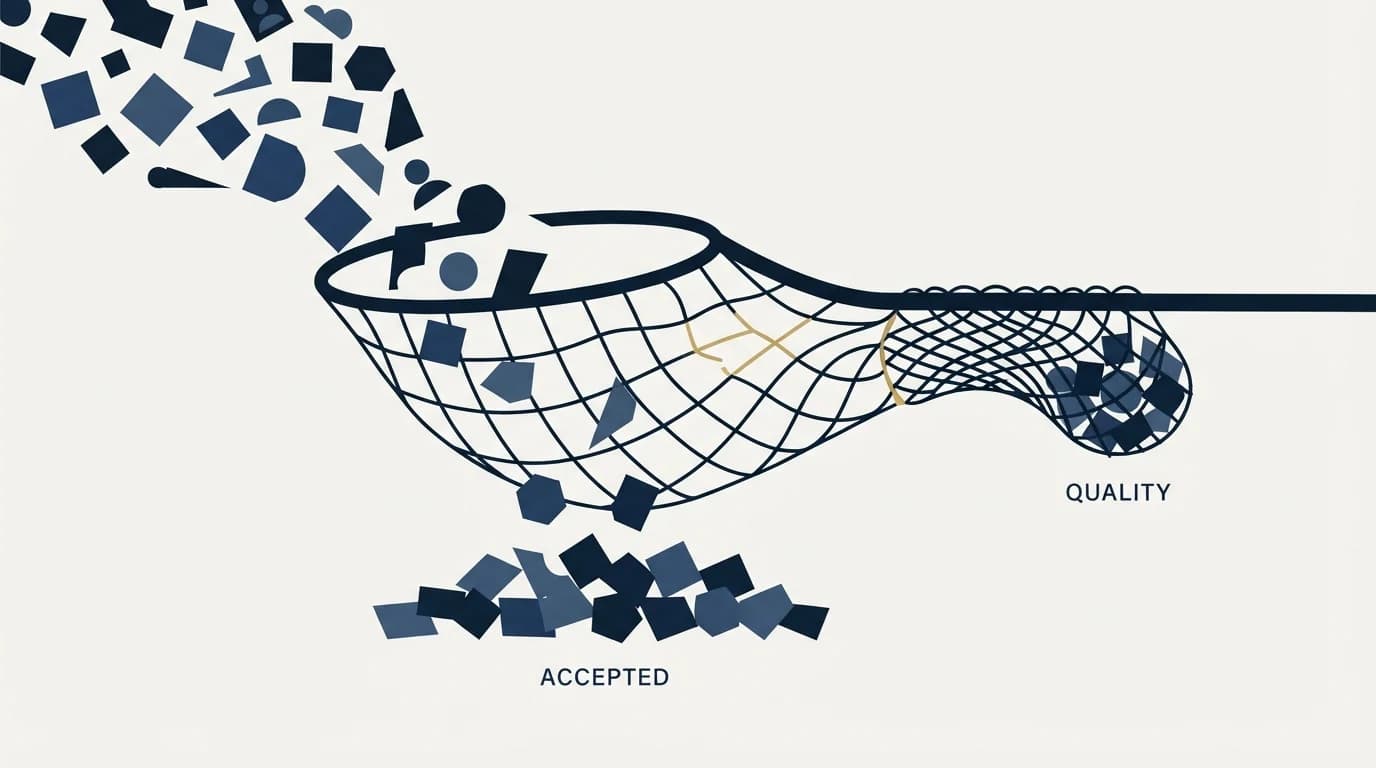
An acceptance rate is a proxy. What LinkedIn is inferring from it is whether the people you contact want to hear from you, and a LION accepting your invitation carries no information about that, because they would have accepted anybody's.
So the number improves and the thing the number stands for does not. You now hold connections with people who have no reason to reply, in a channel where the connection is the entire point of the invitation. That is the failure that looks healthiest on a dashboard: acceptance climbs, the pending pile shrinks, and nothing downstream moves.
There is a second-order cost that shows up later. Your feed, your search results and your second-degree network are all shaped by who you are connected to. A few hundred connections chosen for their willingness to accept rather than for their relevance degrade every one of those surfaces, quietly, for as long as they stay in the network.
Reason two: the recipient holds a button that ends the argument
The trigger language includes invitations "marked as spam by the recipients", and LinkedIn gives every member that control directly. Its page on responding to invitations describes accepting, ignoring or reporting an invitation as spam, and points members at a "Who can reach you" setting to limit who may send one at all.
The same page recommends accepting invitations only from people you know, and gives the reason: first-degree connections are given access to any information you have displayed on your profile. LinkedIn's page on alternatives to inviting someone is blunter still, opening with the observation that members have said they do not like receiving invitations from people they do not know, and that they will often ignore or mark those invitations as spam.
- Ignored invitations are a published restriction trigger
- A LION is very likely to accept
- Accepting keeps the ratio clean
- The account stays out of restriction
- Members say they dislike invitations from people they do not know
- Recipients can accept, ignore, or report as spam
- LinkedIn advises accepting only from people you know
- Its stated reason: first-degree connections can see everything on your profile
Two accounts sending identical volume are treated differently depending on who they invited, which is the whole design. Selecting for people who will accept regardless is an attempt to answer a relevance question with a compliance answer.
Reason three: finding them at scale is where the real risk arrives
Identifying open networkers one at a time from headlines and group membership is slow, legitimate and roughly as much work as ordinary research. The moment a programme wants a list of them, the market offers directories, exports and browser extensions, and that is the point at which the account exposure changes category.
Because directories often promise contact details alongside open networker lists, how LinkedIn email scrapers really work explains why most of that data is guessed rather than read.
LinkedIn's prohibited-software page states it does not permit any third-party software, including crawlers, bots, browser plug-ins or browser extensions that scrape, modify the appearance of, or automate activity on the site. It names the consequence: members using such tools risk having their accounts restricted or shut down, and the tools themselves may become non-operational without notice. The restriction-types page adds the escalation, stating that repeated suspensions may result in permanent restriction of the account.
- Step 1The tactic is chosen for safety
Invite people who accept, so ignored invitations stop accumulating against the account.
- Step 2Hand-finding them does not scale
Headline and group signals are readable one profile at a time, which is the pace of ordinary research.
- Step 3A list is bought or extracted
Directories and extensions supply volume, and LinkedIn's prohibited-software page covers exactly that category of tool.
- Step 4The exposure moves up a tier
The first two triggers cost a pause of hours to a month. The automation path runs through suspension toward permanent restriction.
That is the same trade covered in LinkedIn automation tools and, for the data-collection half, in what LinkedIn's terms say about scraping. The specific irony here is worth naming: the tactic was adopted to protect the account from the mildest of the three triggers and it delivers the account to the most serious one.
What LinkedIn suggests instead, in its own words
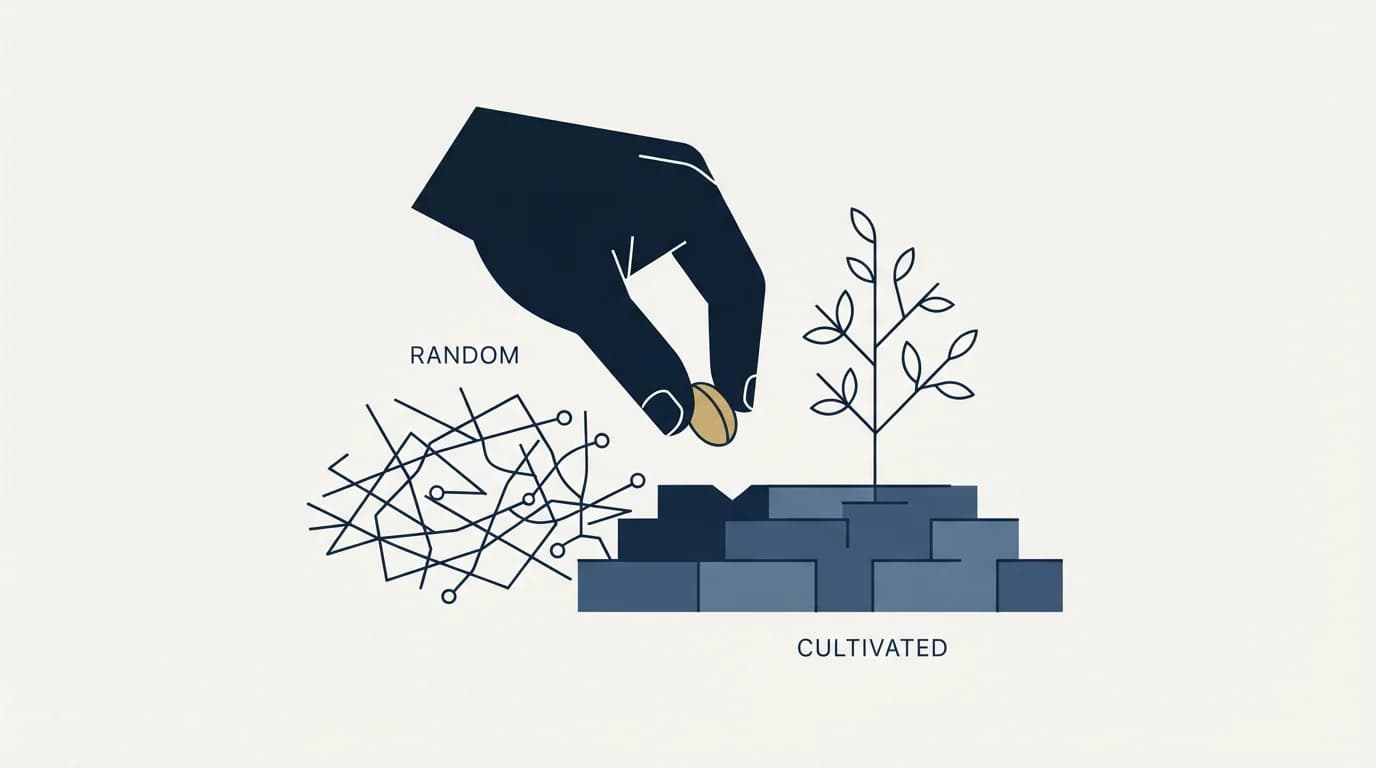
The alternatives page is unusually direct about what to do rather than what to avoid. It names following someone so their posts appear in your feed and you can interact with what they publish, finding and joining a relevant group, sending an InMail to introduce yourself and explain why you would like to connect, and using Sales Navigator to find prospects with lead recommendations and company updates.
Groups and InMail are the same two instruments LinkedIn names in its restriction guidance as the route to people you do not know. The platform has a consistent position across several pages: the invitation is for people you have a reason to know, and the paid or public surfaces are for everyone else. Our comparison of InMail versus a connection request covers when the credit is the cheaper spend, and LinkedIn prospecting covers choosing the route per person.
When an open networker is genuinely worth contacting
None of this makes the label useless. It makes it an attribute of a person rather than a criterion for a list.
If someone is already in your target market and their profile says they are open to connecting, that is a small, free piece of evidence that acceptance is plausible, and acceptance being plausible is exactly the input worth having before you send anything. Use it as a tiebreaker inside a segment you already believe in.
Where it fails is as the segment itself. A list built on openness is a list built on the one attribute that predicts nothing about whether the person has the problem you solve, and a connection that is never going to convert to a conversation has cost you a slot in a network with a published ceiling.
The honest version of the underlying worry is also worth stating. If a programme needs open networkers to keep its invitation ratio healthy, the ratio is telling the truth about the list rather than about LinkedIn's tolerance. That is a targeting result, and it is fixable at the source.
The part we do differently
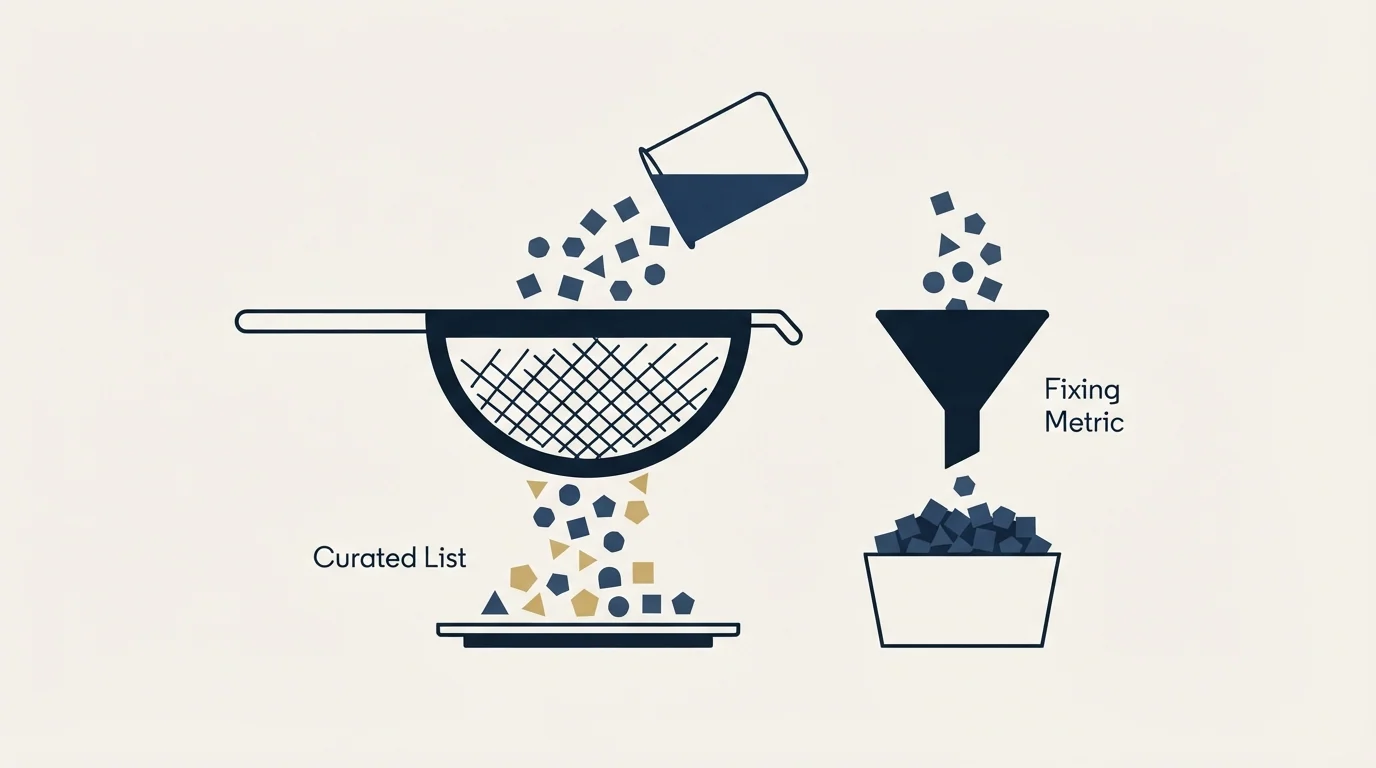
We treat acceptance as an input, never as an outcome. A connection nobody speaks to is a number that moved.
On LinkedIn we send one message per campaign and no follow-ups, because a second message lands directly beneath the one somebody already chose not to answer and reads as a bump whatever the campaign structure calls it. That constraint puts all the weight on who gets contacted in the first place, which is why we would rather invite a smaller group with a visible reason to accept than a larger group selected for saying yes to everyone. We run client LinkedIn outreach through HeyReach alongside email, on a pay-per-qualified-meeting basis, which also puts the account exposure on our side rather than on a client's founder.
If the underlying goal is booked conversations rather than a larger network, you can see what a campaign would look like for your market.
The short version
LinkedIn Open Networker is a member convention, not a LinkedIn setting, and it does not appear in LinkedIn's own invitation documentation. The tactic exists because ignored, pending and spam-marked invitations are one of the three restriction triggers LinkedIn publishes, so a population that accepts everything looks like protection. It is a proxy repair: LinkedIn is inferring relevance from acceptance, and an acceptance that would have been given to anybody carries none. Recipients can report invitations as spam, and LinkedIn's own pages tell them to accept only from people they know because first-degree connections see everything on a profile. Finding open networkers in bulk means directories and extensions, which LinkedIn's prohibited-software page covers directly, with account restriction or shutdown as the stated risk and permanent restriction after repeated suspensions. Use the label as a tiebreaker inside a segment you already believe in, and fix a poor acceptance rate at the list rather than at the recipient.
All LinkedIn rules, triggers, recommendations and the 30,000 first-degree connection limit are from LinkedIn's own Help Center pages on types of restrictions for sending invitations, invitation limits, alternatives to inviting someone to connect, accepting or reporting invitations, and prohibited software and extensions, each re-fetched with cache-busting and verified as of mid-2026. LinkedIn publishes no numeric weekly invitation limit and none is stated here. Verify current terms with LinkedIn.
Frequently asked questions.
Frequently asked questions- What does LION mean on LinkedIn?
- LION stands for LinkedIn Open Networker. It is a label members put in their own headlines or group memberships to signal that they accept connection requests from people they have never met. LinkedIn does not publish an open-networker setting, and the term does not appear in its help documentation on invitations, limits or restrictions.
- Does connecting with open networkers protect my account?
- It improves the one signal it targets and not the thing that signal stands for. LinkedIn names ignored, pending and spam-marked invitations among its restriction triggers because it is inferring whether recipients wanted to hear from you. An acceptance that would have been given to anybody carries none of that information, so the ratio moves and the underlying targeting problem does not.
- Is there a limit on how many LinkedIn connections I can have?
- Yes. LinkedIn's page on invitation restrictions states that the network size limit is a maximum of 30,000 first-degree connections, and recommends keeping only quality connections in your network. That ceiling is one reason to treat every accepted invitation as a slot spent rather than as a free addition, particularly on an account you intend to work for years.
- Can I buy a list of LinkedIn open networkers?
- Lists and directories exist, and the sourcing method is the problem. LinkedIn's prohibited-software page states it does not permit third-party crawlers, bots, browser plug-ins or extensions that scrape or automate activity on the site, and that members using them risk having accounts restricted or shut down. Repeated suspensions may result in permanent restriction.
About the author.

Ben Carden is CRO at RevenueFlow, which builds and operates outbound revenue engines for B2B companies. Previously at Gartner Enterprise. Studied at London School of Economics.
Ben Carden · CRO
Connect on LinkedIn →Explore more.
Ready to scale your outreach?
We build GTM engines that book real meetings. See the receipts.
Related articles.
Drift Competitors: What Replaced It and What Each Costs
Drift is retired and drift.com now serves a Salesloft page. What the successors publish about price, who owns them now, and which one fits which job.
B2B Database: What to Test Before You Pay
Total record count is the number every vendor leads with and the one that predicts least. The test that replaces it takes a day and settles the purchase.
Lead Verification: What Each Check Actually Proves
Lead verification covers two different jobs. One asks whether a mailbox will accept mail, the other asks whether the person behind the row is real and lawful to contact.
Typeform Alternatives: Read the Response Meter First
Typeform meters responses with a hard ceiling and counts seats inside the plan. What Tally, Fillout, Formbricks and Jotform count instead, from their own pricing pages.
Foleon Pricing: No Published Price, a 24-Month Term
Foleon publishes no rate on its plans page and publishes the whole commitment behind it. The term, the notice window and what happens to the Docs after.
PartnerStack Pricing: One Published Number
PartnerStack quotes its three platform plans and publishes the whole model for its self-serve product. What each tier gates, and the choice forced at the entry tier.