People Data Labs: A Data Licence Priced for Builders
The free tier returns profiles and withholds contact data on purpose. That is the clearest signal that this is a record licence rather than a prospecting seat.

People Data Labs licenses person, company and job posting records through APIs and data feeds. Its published tiers are a free plan with up to 100 credits a month and no contact data, a Self-Serve plan from $98 a month or $940 a year, and a quoted Bulk Data tier carrying feeds and contracts.
Key takeaways
- People Data Labs' free tier states plainly that contact data is not included, so profiles arrive without email addresses.
- Self-Serve starts at $98 a month or $940 a year and lists as little as 350 credits a month, which is a builder's meter rather than a prospecting one.
- The catalogue is three datasets: person, company and job posting records, delivered by API or data feed.
- Published record totals are not comparable between providers because each vendor counts a different thing.
Reviewed and updated September 2, 2026
People Data Labs: A Data Licence Priced for Builders, Not a Prospecting Tool
A revenue operations lead shortlists People Data Labs alongside Apollo and Cognism, opens the free tier to test coverage, and finds profiles with job titles, employers and locations, and no email addresses. That is not a trial limitation somebody forgot to lift. The free tier on the pricing page invites you to "explore our Person APIs. Contact data not included".
The mismatch there is not about generosity. It is that the shortlist put a data licensing business next to two prospecting tools, and the three are sold to different buyers for different jobs. Working out which one you are looking at is where the evaluation starts.
What the pricing page publishes
People Data Labs sells person data on three tiers.
Testing is free and lists up to 100 credits a month, easy signup and no commitment, with the description stating explicitly that contact data is not included. It exists to let a developer confirm the shape of the response.
Self-Serve appears on the page at $98 a month, or $940 a year. It lists starting with as little as 350 credits a month, monthly and annual subscriptions, contact data included, access to premium fields, CSV enrichment, and email support.
Bulk Data is quoted by sales. It lists formal data testing, annual contracts, flexible payment terms, all fields available, access to all APIs, Data License Feeds, a designated success team, and SSO with SAML.
Read the ladder as three postures rather than three sizes. The free tier proves the schema. The self-serve tier is a developer with a credit card wiring an API into something. The enterprise tier is a data licence with a contract, a feed and an account team, which is a different commercial object entirely.
Company data is priced on a separate page from person data, and as re-read on 2 September 2026 that ladder runs a free tier of up to 100 monthly records and a Full APIs tier at $100 a month or $960 a year starting at 1,000 monthly records, which is a far lower price per record than the person ladder buys.
Note what the self-serve entry point buys: at the published $98 a month for as little as 350 credits, the unit is a lookup inside a product you are building. A sales team burning through a prospecting list would exhaust that in an afternoon, which is the tell that this is not the meter a prospecting tool would choose.
- Up to 100 credits a month
- Easy signup, no commitment
- Contact data not included
- For confirming the response schema
- From 350 credits a month
- Contact data included
- Premium fields and CSV enrichment
- Monthly or annual, email support
- All fields and all APIs
- Data License Feeds
- Annual contracts, flexible terms
- Designated success team, SSO and SAML
The product surface is three datasets, not one
The catalogue on the company's own site is split three ways, under the headings "Person Data", "Company Data" and "Job Posting Data", with delivery through APIs or "Data License Feeds" and named routes into Snowflake, Databricks and Zapier. The pricing page sums the offer up as "The data you need. The flexibility you want.", adding an ISO and SOC 2 Type 2 compliance line, and the badges on the homepage are ISO 27001 and SOC 2 Type 2. The industries named are HR Tech, Sales and Marketing, and Investment Research, and the use cases named include an AI SDR platform, CRM refresh, AI recruiting, a data centric product and competitive analysis.
That list is the clearest statement of who buys. Two of the three named industries are not sales at all. The recurring pattern is a company that is building something which needs person and company records underneath it, and would rather licence them than assemble them.
The homepage figure to be careful with is the profile count. The site's own copy refers to 1.5 billion unique person profiles. Third party directories and review sites quote larger numbers, and those numbers move around. A record count is also not a contactable count: a profile can exist with an employer and a title and carry no work email, which is exactly what the free tier demonstrates by withholding contact data while still returning profiles.
The comparison that actually decides it
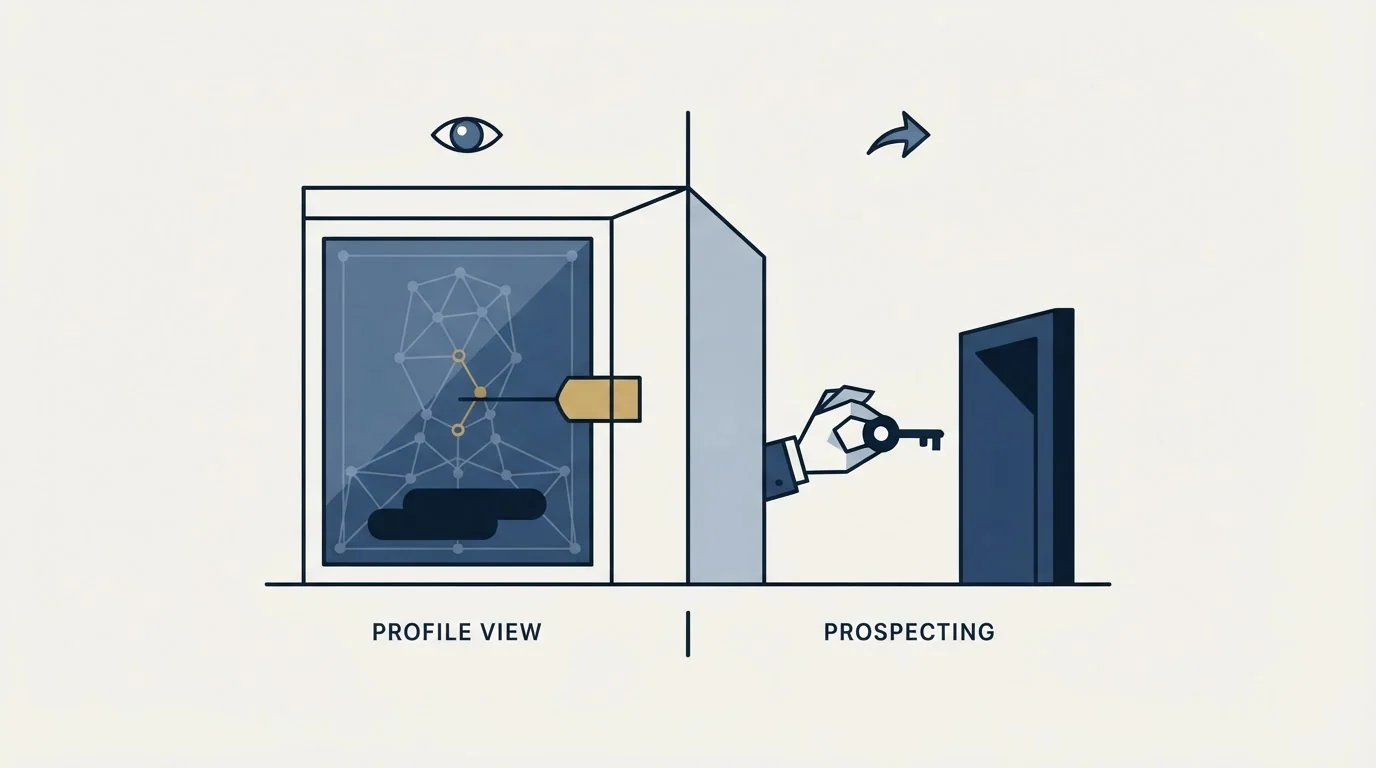
An outbound team evaluating providers is asking one question: how many of the target people can be reached, at what cost per usable row. A record licence answers a different question: what can be put underneath a feature somebody is building.
Both are legitimate purchases. They fail differently.
A prospecting tool fails by returning an address that belongs to somebody's previous employer, which passes verification and delivers cleanly. A data licence fails by returning coverage that is excellent in aggregate and thin exactly where your segment sits, which nobody notices until a build depends on it.
The test that separates them is not a feature comparison. It is a coverage run on your own list, and the method is the same one that decides any finder: same rows, same day, one neutral verifier, scored on cost per correct address rather than hit rate. Email finder tools sets out that bake-off and the reason published coverage claims are not comparable between lists.
Where a licensed dataset earns a place in an outbound stack
Not at the front. The arithmetic that orders a waterfall is unchanged by the provider's business model: verification costs a small fraction of a paid lookup, so cheap resolution runs first and paid providers only ever see what the cheaper stage could not resolve. Waterfall enrichment works through the ordering and the billing details that change it.
Where a bulk licence does earn a place is in the jobs a per lookup meter handles badly.
Refreshing a stale database is the clearest one. A CRM full of records collected over years decays continuously as people change jobs, and re-verifying at scale through a per lookup API gets expensive fast. A feed priced for volume fits that shape better than a prospecting seat does.
Building a product feature is the other. If what you are shipping needs company firmographics or job history inside it, a licence with a contract and a support team is the correct object, and the questions that decide the integration are rate limits, credit accounting and caching rather than coverage percentages. Data enrichment APIs covers the two separate limit systems that can stop a run and why a retry that rescues you from one burns through the other.
- Yes: The output goes into a product you are building rather than a send
- Yes: You need company or job posting records, not just people
- Yes: You are refreshing a large existing database rather than sourcing a new list
- Yes: You have engineering time to spend on the integration
- No: You want a browser extension a rep can click
- No: You are comparing it to Apollo on seats and credits
The provenance question, and why the search results carry it
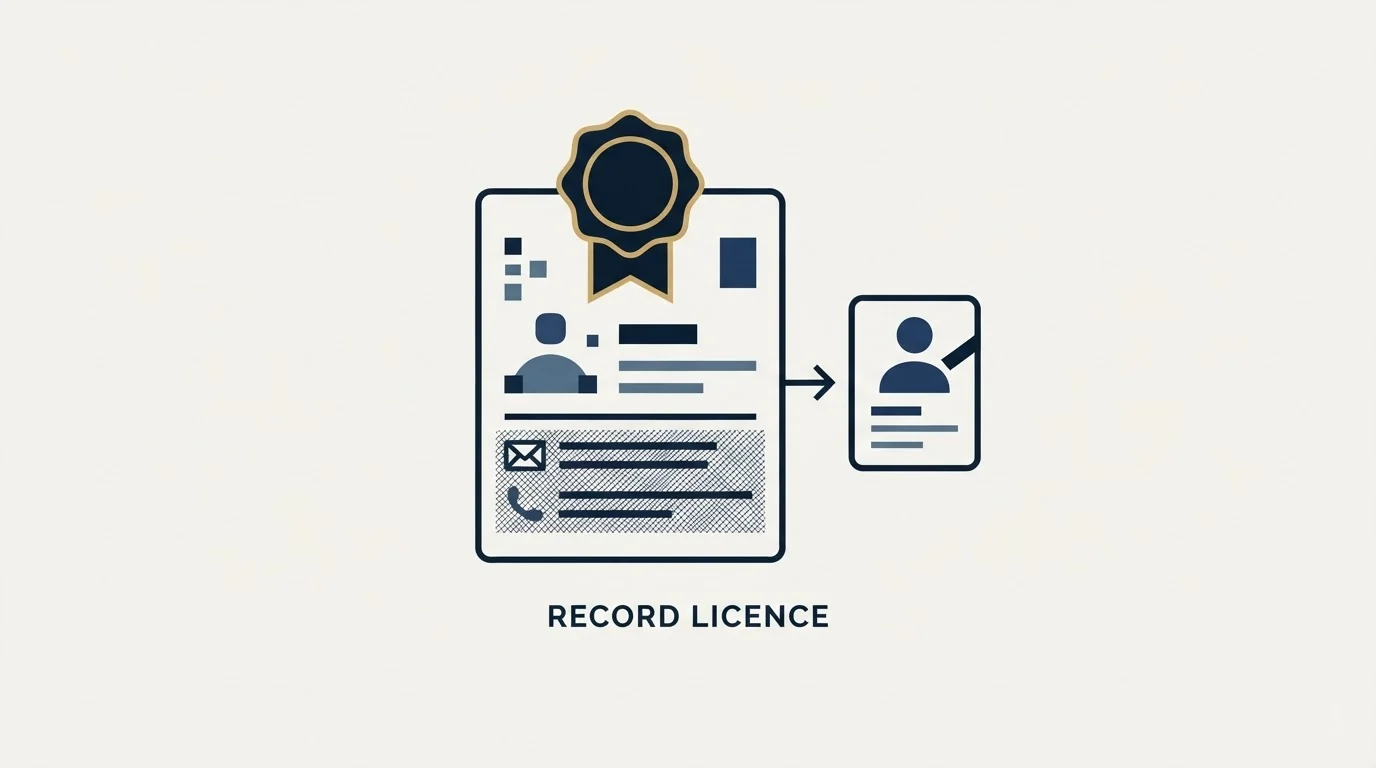
The results around a search for this company are unusual for a B2B vendor. Alongside the vendor's own site and a review, the first page in this article's search pull carried a privacy community discussion and a Hacker News thread, both about the data itself rather than about the product.
That is a fair thing to read as a signal, and it applies to the whole category rather than to one company. Any provider assembling person records at this scale is compiling information about people who never interacted with it, and the compliance obligations that follow attach to you as the sender, not to the vendor. A supplier's own certifications describe the supplier's controls. They do not transfer a lawful basis for contacting somebody to you, and the vendor's terms will usually say so.
The practical version for an outbound team is unglamorous and cheap: know which provider each record came from, keep the field, and be able to answer where an address originated when somebody asks. What a model may and may not contribute to those records, and why a fabricated field is a silent failure rather than a loud one, is the subject of AI data enrichment.
Reading the coverage claim
Every provider in this category publishes a total. The totals are not comparable, and the reason is structural rather than dishonest.
One vendor counts every record it holds. Another counts records with at least one verified attribute. A third counts profiles refreshed in the last year. All three are defensible definitions and all three produce different numbers from the same underlying data. What none of them tells you is the only number that matters to you, which is the share of your segment that resolves with the fields you need.
Where the target list is technology led, the attribute worth testing first is often the stack rather than the firmographics, and technographic data sets out what stack detection can and cannot see from outside. Where the comparison is against the incumbent, the mechanics of how a large provider assembles its data are set out in how ZoomInfo gets their data.
- Or $940 a year
- From as little as 350 credits a month
- Contact data included
- Premium fields and CSV enrichment
- Easy signup, no commitment
- Contact data not included
- For confirming the response schema
- Person data
- Company data
- Job posting data
The short version
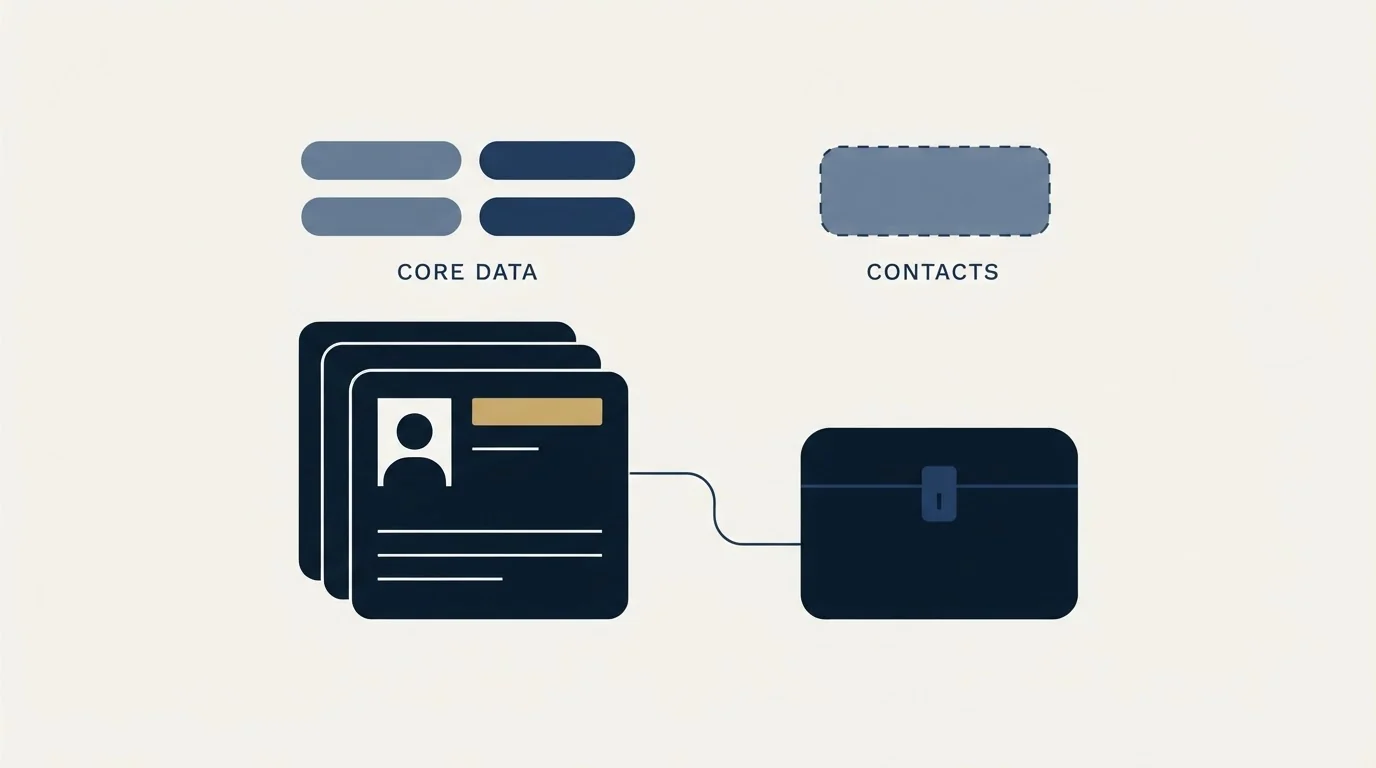
People Data Labs licenses person, company and job posting datasets to teams building something. Its free schema-testing tier deliberately withholds contact data, its self-serve tier opens at $98 a month on its own rate card, and its bulk tier is priced on request with feeds, contracts and an account team. The industries on its own homepage include HR technology and investment research, which is the clearest evidence of who the product is for.
If the job is reaching a defined list of people this quarter, run a bake-off on your own rows and score cost per correct address. If the job is putting records underneath a product or refreshing a decayed database, a licence is the right shape and the integration questions matter more than the coverage claim. When the constraint turns out to be the supply of qualified conversations rather than the supply of records, see what a first campaign produces.
Plan names, prices, tier contents and the dataset and industry lists above were read from the company's own pricing, company pricing and home pages in August 2026 and re-read on 2 September 2026. Those pages render client side, so the figures came from their served data payloads rather than from rendered text. Verify current terms with the vendor before relying on them.
Sources: People Data Labs person pricing, People Data Labs company pricing, People Data Labs home
Frequently asked questions.
Frequently asked questions- How much does People Data Labs cost?
- Its pricing page lists a free Testing tier with up to 100 credits a month, a Self-Serve tier starting at $98 a month or $940 a year with contact data included and as little as 350 credits a month, and a Bulk Data tier quoted by sales that carries all fields, all APIs, data license feeds and an account team.
- Does the free plan include email addresses?
- No. The tier description says contact data is not included, so the free plan returns profile attributes such as employer, title and location without an address. That is deliberate rather than a trial cap, and it is the fastest way to see that the product is sold as a record licence rather than as a prospecting tool.
- Is People Data Labs a good alternative to Apollo or Cognism?
- They answer different questions. A prospecting tool is bought to reach a list of people this quarter, with seats, extensions and a per contact meter. A record licence is bought to put data underneath a product or to refresh a decayed database. Run a coverage test on your own rows before treating them as substitutes.
- Where does a licensed dataset belong in an enrichment waterfall?
- Not at the front. Verification costs a fraction of a paid lookup, so cheap resolution runs first and paid providers only see what it could not resolve. A bulk licence earns its place on jobs a per lookup meter handles badly, such as refreshing a large stale database or supplying records inside a product feature.
About the author.

B2B cold email experts helping companies generate qualified leads through done-for-you outreach campaigns.
RevenueFlow Team
Explore more.
Ready to scale your outreach?
We build GTM engines that book real meetings. See the receipts.
Related articles.
Sales Prospecting for Utilities: Read the Filings First
Prospecting utilities from the proceedings that announce their spend: rate cases, resource plans and procurement decisions, who owns each, and the supplier gate.
SDR Outsourcing for Agriculture Companies
Whether an outside sales development team can work for a company selling into agriculture: who already covers the account, which weeks exist, and the show rule.
Cold Calling for Telecom Companies: A Carrier's Own Rules
What only a telecom company meets on the phone: the FTC exemption that stops at its contractor, the verified carrier change, and the CPNI limit on lists.
B2B Lead Lists for Associations: The Census Is Public
The anatomy of an association list: the IRS master file that enumerates every business league, the Form 990 lines that name officers and dues, and what vendors sell.
Lead Generation for EHR Vendors: A Replacement Market
Adoption is close to complete, so every deal is a switch. Where the incumbent field is published, which rules shape the pitch and who actually signs.
SDR Outsourcing for Commercial Insurance Agencies
What an outsourced sales development team may legally say for a commercial insurance agency, how it may be paid, and the expiration-date calendar it has to work.