The Outreach System Behind Our $3M ARR (Full Breakdown)
Cold DMs don't work anymore. Spray-and-pray is dead. Here's the 5-step system we use to book 20+ qualified conversations monthly, and how we built it.
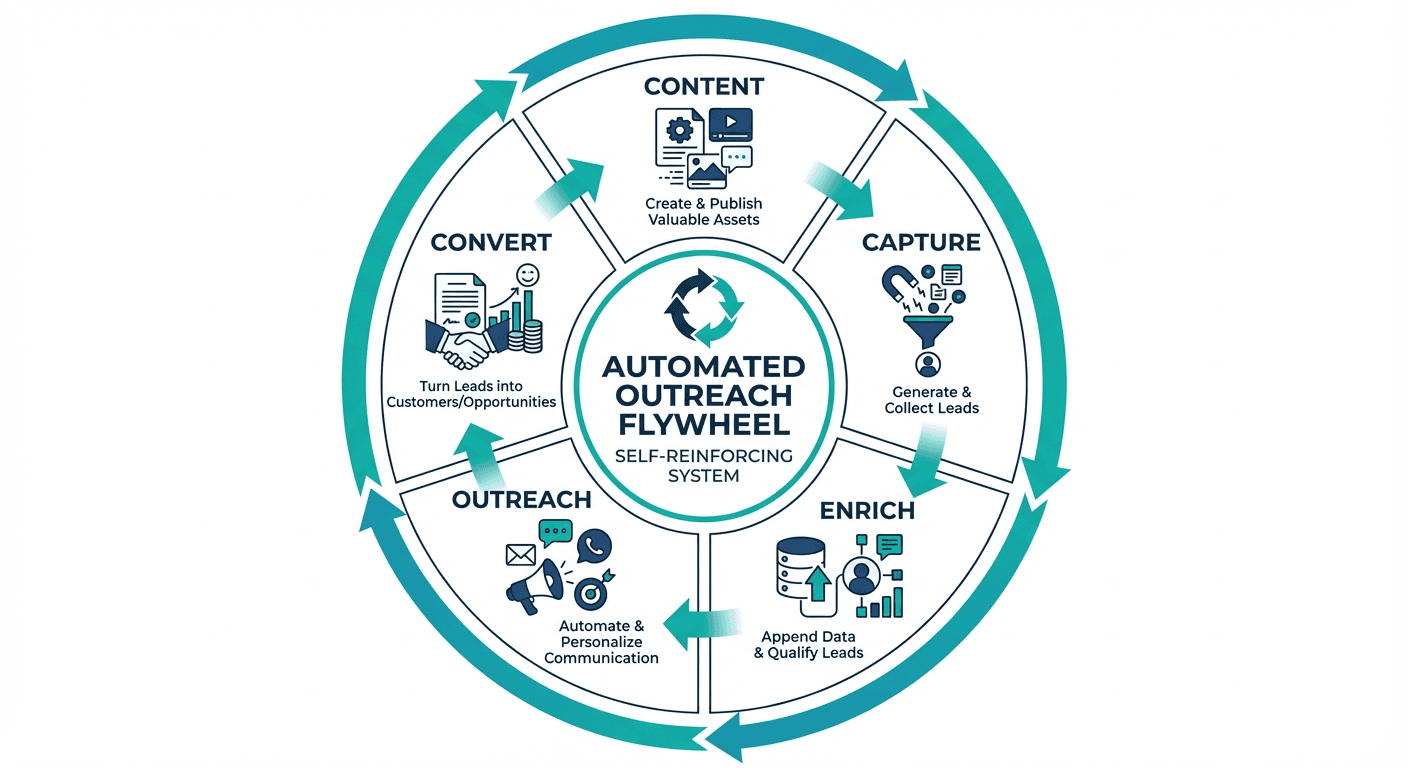
The system combines content marketing with automated lead capture to generate qualified prospects. It posts 100+ monthly content pieces to attract engagement, automatically captures signals through tools like Trigify and RB2B, enriches leads with company data in Clay, scores them against ICP criteria, then sends personalized outreach referencing their specific engagement. This inbound-led outbound approach achieves 32% positive reply rates compared to 2-5% for traditional cold outreach, filling calendars with pre-warmed prospects who already trust your expertise.
Key takeaways
- The company publishes over 100 pieces of content monthly generating approximately 1.5 million reach, optimizing for resonance rather than volume.
- The automated system achieves 32% positive reply rates compared to 2-5% for traditional cold outreach by reaching prospects who already engaged with content.
- The full implementation can be completed in eight weeks across four phases: content creation, capture setup, automation launch, and optimization.
- High-scoring leads receive immediate personalized outreach while lower scores enter nurture sequences, with all enrichment and scoring happening automatically.
- The tech stack includes Trigify for engagement capture, Clay for enrichment, HeyReach for LinkedIn sequences, and Instantly for email automation.
Reviewed and updated September 5, 2026
The Outreach System Behind Our $3M ARR
In 2025, there's one clear winner in B2B marketing.
It's not cold DMs. It's not spray-and-pray. It's not burning thousands on ads.
It's what we call inbound-led outbound, and it's the engine behind everything we do.
Why the Old Playbook Fails
The traditional approach looks like this: build a list of 10,000 contacts, blast them all with the same message, hope 2% reply, wonder why pipeline is empty.
Cognism vs Outreach: Cross-Category Comparison explains how sourcing tools and engagement platforms serve different stages of that same broken outbound workflow.
Here's the problem. Those prospects don't know you. They don't trust you. Your email is indistinguishable from the hundred other sales pitches they got this week.
The Hidden Cost of Investor Outreach explains why blasting a finite investor market erodes reputation faster than a value-first, warm approach ever would.
The smart founders have flipped the script. They post content. They capture who engages. Then they reach out to people who already showed interest.
Same effort. Completely different results.
- Step 1Content That Actually Works
Post different angles on topics your ICP cares about. Track what gets engagement from the right people.
- Step 2Harvesting Engagement Signals
We capture every signal automatically
- Step 3Enrichment and Scoring
Clay adds company data: size, funding, tech stack, growth signals.
- Step 4The Outreach Machine
we reference the specific engagement
- Step 5Converting to Calls
Inbound-led outbound fills your calendar with people who've seen your content
Step 1: Content That Actually Works
We publish over 100 pieces of content monthly for our clients. That generates around 1.5 million reach.
But here's what matters: we don't optimize for volume. We optimize for resonance.
The process is simple. Post different angles on topics your ICP cares about. Track what gets engagement from the right people. Do more of what works. Cut what doesn't.
Generic advice posts get likes from random people. Specific posts about real problems get engagement from decision-makers.
"5 tips for success" attracts browsers.
"How we cut CAC by 40% for B2B SaaS companies" attracts buyers.
One builds vanity metrics. The other builds pipeline.
Step 2: Harvesting Engagement Signals
This is where most founders drop the ball.
They post content. They see likes rolling in from VPs and founders. They feel good about themselves. Then they... do nothing.
Every engagement is someone raising their hand. A like on your post about reducing churn means they're thinking about churn. A comment asking a question means they want to learn more.
We capture every signal automatically:
Trigify grabs everyone who engages with posts: likes, comments, shares.
Apify scrapes followers from competitor accounts and relevant keywords.
RB2B identifies anonymous website visitors.
One viral post can generate hundreds of warm leads. But only if you have the infrastructure to capture them.
Step 3: Enrichment and Scoring
Not every engagement matters equally.
A student liking your post is different from a VP with budget.
So we run every captured lead through an enrichment process:
Clay adds company data: size, funding, tech stack, growth signals.
Then we score against our ICP criteria. Right industry? +10 points. Recently raised? +15 points. Decision-maker title? +20 points.
High-scoring leads get immediate, personalized outreach. Lower scores go into nurture sequences.
This happens automatically. Around the clock. While we focus on other things.
Step 4: The Outreach Machine
This is where most people mess up. They finally reach out to engaged prospects... and send a generic template.
"Hi [Name], I saw you liked my post. Want to chat?"
Delete.
Instead, we reference the specific engagement:
"Hey John, thanks for engaging with my AI post! Created a detailed guide for SaaS companies on implementing automation. Given your role at TechCo, thought it'd be interesting. Mind if I send it over?"
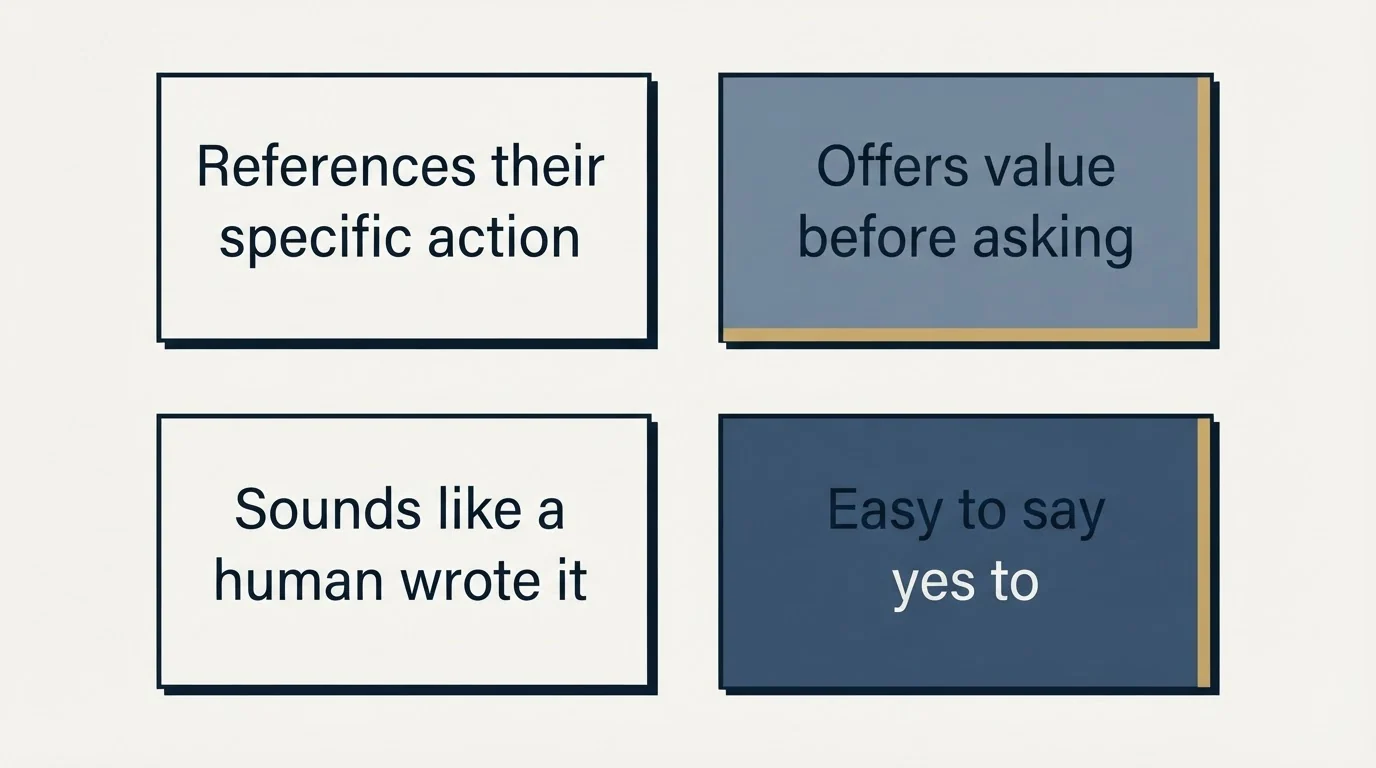
Notice what's different:
- References their specific action
- Offers value before asking for anything
- Sounds like a human wrote it
- Easy to say yes to
We average 32% positive reply rates with this approach. Compare that to 2-5% for cold outreach.
HeyReach handles LinkedIn sequences. Instantly manages email. Make routes hot replies to Slack instantly so we can respond within minutes.
Choosing multichannel sequencing tools raises the bigger question of platform fit, which this comparison of sales engagement and cold email tools breaks down clearly.
Step 5: Converting to Calls
Here's what a founder told me recently:
"Five qualified leads in my inbox this morning. All from people who already knew my work."
That's the difference.
Traditional outbound fills your calendar with cold prospects who don't show up or need everything explained from scratch.
Inbound-led outbound fills your calendar with people who've seen your content, trust your expertise, and show up ready to buy.
Turning engaged prospects into booked calls often means pairing a data enrichment tool with a sequencing platform, a distinction explored in data sourcing versus outreach execution.
This creates a flywheel. Better prospects lead to better conversations. Better conversations lead to more closed deals. More closed deals give you better case studies. Better case studies make your content more compelling.
Each cycle compounds on the last.
The Full Stack
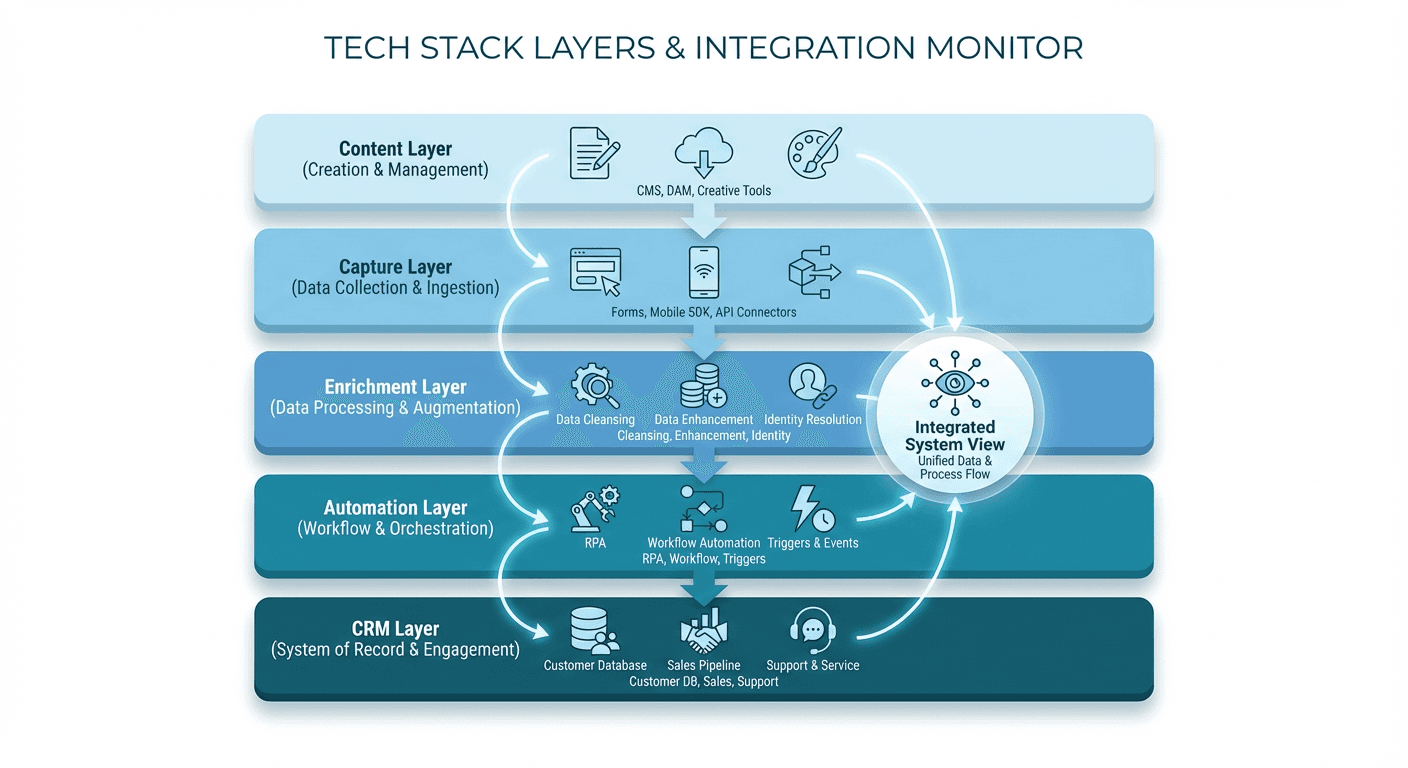
Here's everything connected:
Content: LinkedIn + X for publishing. Typefully for scheduling. Claude for ideation.
Capture: Trigify for post engagers. RB2B for website visitors. Apify for follower scraping.
Enrichment: Clay for data orchestration. FullEnrich for phone numbers. Apollo for company info.
Automation: HeyReach for LinkedIn. Instantly for email. Make for routing.
CRM: HubSpot. Everything flows here.
What This Produces
For us and our clients:
A content library that works while you sleep. Posts from six months ago still generate leads today.
Pre-warmed prospects. Everyone you talk to has already engaged with your expertise.
Automated grunt work. The system handles research, enrichment, and initial outreach.
Calendars full of buyers. Not tire-kickers. Decision-makers who've followed you for weeks or months.
Getting Started
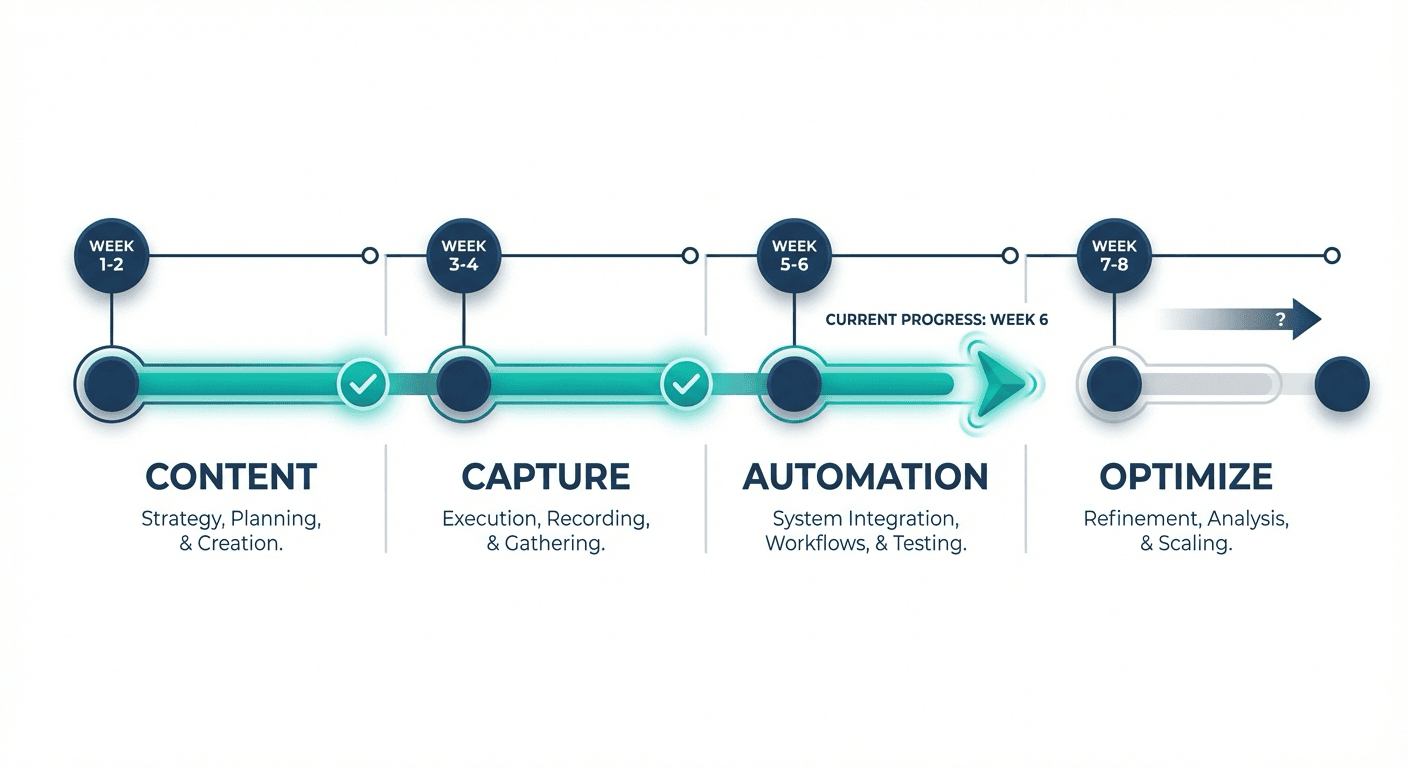
You can build this in about eight weeks:
Weeks 1-2: Focus on content. Post daily. Track what resonates.
Weeks 3-4: Set up capture. Implement Trigify. Connect to Clay.
Weeks 5-6: Launch automation. Configure HeyReach. Write the campaign copy.
Weeks 7-8: Optimize. Refine scoring. A/B test messages.
The Point
The difference between content creators and business owners?
Creators count views. Owners count revenue.
Great content without a capture system is wasted attention. You're throwing a party where nobody buys anything.
This system works because it's warm, not cold. It's fast. It's scalable. It's personalized. And it compounds over time.
So here's my question: what's stopping you from building it?
Related Reading
- Content-Led Outbound: Why Your Content Is Now the Most Powerful Thing in Sales
- 4 Frameworks That Actually Fix Broken Lead Generation
- How Much Do Lead Generation Companies Charge: The Payment Structure Behind the Quote
Want help? Book a call to see how we can implement this entire system for you.
Frequently asked questions.
Frequently asked questions- What is inbound-led outbound and how is it different from cold outreach?
- Inbound-led outbound reaches out to prospects who have already engaged with your content (liked posts, visited your website, or commented) rather than cold contacting strangers. This approach achieves 32% positive reply rates versus 2-5% for traditional cold outreach because prospects already know your work and trust your expertise before you message them.
- What tools do I need to build an automated outreach system?
- The core stack includes Trigify for capturing post engagers, RB2B for website visitors, Clay for data enrichment and orchestration, HeyReach for LinkedIn sequences, and Instantly for email automation. Additional tools include Apify for scraping competitor followers, FullEnrich for phone numbers, and Make for routing hot replies to Slack for immediate response.
- How long does it take to implement this system?
- The full system can be built in approximately eight weeks. In the case study, weeks 1-2 focus on content creation and tracking resonance, weeks 3-4 set up lead capture tools, weeks 5-6 launch automation with messaging sequences, and weeks 7-8 optimize scoring criteria and A/B test messages.
- How do you score and prioritize leads in this system?
- Leads are enriched with company data including size, funding, tech stack, and growth signals, then scored against ICP criteria. Points are assigned for factors like right industry (+10 points), recent funding (+15 points), and decision-maker title (+20 points). High-scoring leads receive immediate personalized outreach while lower scores enter nurture sequences, all happening automatically.
About the author.

Ben Carden is CRO at RevenueFlow, which builds and operates outbound revenue engines for B2B companies. Previously at Gartner Enterprise. Studied at London School of Economics.
Ben Carden · CRO
Connect on LinkedIn →Explore more.
Ready to scale your outreach?
We build GTM engines that book real meetings. See the receipts.
Related articles.
Foleon Pricing: No Published Price, a 24-Month Term
Foleon publishes no rate on its plans page and publishes the whole commitment behind it. The term, the notice window and what happens to the Docs after.
Warm Lead: What Made It Warm, and When It Expires
Warmth is a property of evidence rather than of a person. Store the action and its date, because a temperature column cannot be turned back into the event behind it.
Lead Verification: What Each Check Actually Proves
Lead verification covers two different jobs. One asks whether a mailbox will accept mail, the other asks whether the person behind the row is real and lawful to contact.
Typeform Alternatives: Read the Response Meter First
Typeform meters responses with a hard ceiling and counts seats inside the plan. What Tally, Fillout, Formbricks and Jotform count instead, from their own pricing pages.
B2B Database: What to Test Before You Pay
Total record count is the number every vendor leads with and the one that predicts least. The test that replaces it takes a day and settles the purchase.
Drift Competitors: What Replaced It and What Each Costs
Drift is retired and drift.com now serves a Salesloft page. What the successors publish about price, who owns them now, and which one fits which job.