Salesloft Review: What the Review Sites Measure
Salesloft reviews cluster into a narrow band and answer the wrong question. What each review surface measures, and the test that settles it.
Salesloft review sites measure three different things: verified product users on G2 and Gartner, open consumer complaints on Trustpilot, and employee sentiment on Glassdoor. The scores cluster too tightly to separate vendors. The written detail about which module a reviewer used is the part worth reading, and a two-week trial settles the rest.
Key takeaways
- Glassdoor ranks highly for Salesloft review searches and measures what working at the company is like, not what using the product is like.
- Salesloft's own product pages for Rhythm and Conversation Intelligence display a 4.5 G2 rating, which is the vendor quoting an aggregate rather than an independent measurement.
- The sales dashboard page states that reporting is customised via the Team Dashboard in Coaching, available on Cadence and Deals, which is a packaging boundary a quote either includes or does not.
- Salesloft publishes no price, so every review complaining about cost is describing a number you cannot look up and the reviewer cannot show you.
Reviewed and updated September 1, 2026
A team evaluating Salesloft usually starts the same way: open G2, sort by most recent, read forty reviews, and come away with an impression that is somehow both positive and useless. The star ratings cluster in a narrow band. The written reviews praise the interface and complain about the price. Nothing in the pile answers the question that actually decides the purchase, which is whether the platform will change what your team does on a Tuesday.
That gap exists because the review surfaces are each measuring something different, and only one of them is measuring the product.
The size of the training estate is itself a fact about the product: Salesloft University, since folded into what the vendor now calls the Champions hub, runs courses, certifications and a documentation library, and a platform that needs a university attached is telling you how much of the value depends on somebody in your team learning to administer it. The named-logo material sits in the same category and wants the same reading: the vendor publishes an IBM case study and announced an IBM partnership embedding watsonx in parts of the platform, and both are true and neither tells you what the product does for a team of your size, because a reference account chosen by a vendor is a description of the best case it can show rather than a distribution. A note on searching this, because the word collides: queries about Salesloft benefits return the company's employment perks about as often as the product's, and the product answer is the one below, which is less a list of features than a short account of which parts a revenue team actually touches every day.
The five surfaces, and what each one is actually about
Search the vendor's name with the word review and you get a mixed set. Sorting it is the first useful step.
- Verified users of the product
- Ratings compress into a narrow band
- Useful for the written detail, not the score
- Segment filters matter more than the average
- Open to anyone who writes
- Skews to billing and support disputes
- Rarely written by the daily user
- Read for failure modes, not for fit
- About working at the company
- Nothing about using the software
- Ranks highly on the same query
- Skip unless you are assessing vendor stability
Glassdoor ranking on the same search is the trap worth naming, because it is easy to read thirty minutes of employee sentiment and feel informed about a product you still know nothing about. The organic results also include the vendor's own company page, several competitor blogs publishing reviews of a rival, and a Reddit thread or two. The Reddit threads are frequently the most honest reading available, and they are also a sample of the people motivated enough to post.
The reason the buyer sites cluster is structural. A team that hated the platform enough to leave stops reviewing it, and the reviews that remain were written by people whose company already decided to buy. What survives is the detail inside the text: which module the reviewer actually uses, what they had before, and what broke.
What you are actually buying
Salesloft is sold as one platform with several named modules, and most disagreements about whether it is worth the money turn out to be disagreements about which modules a team was sold.
Teams weighing a lighter, multichannel alternative should see how sender caps quietly shape the real cost in the lemlist pricing breakdown.
The product surfaces published on the vendor's own site break down as follows. Cadence is the sequencing and sending layer. Rhythm is the prioritisation layer that decides what a seller does next. Conversation Intelligence records and analyses calls and meetings. Deals and Forecast manage opportunities and the number. Dialer and Messenger handles calling and one-to-one SMS. Analytics and the sales performance dashboard sit across the top.
Teams weighing that sequencing layer against a lighter, mailbox based tool might compare it with a volume metered sender running on existing mailboxes.
Salesloft Conversations and Conversation Intelligence are the same module under two names: the product page sits at the conversations path on the vendor's own site and is titled Conversation Intelligence, so a search for one lands on the other.
Teams unsure whether their real gap is pipeline tracking or outreach orchestration can weigh the two categories directly in this CRM versus engagement platform comparison.
That module is the one worth understanding before the demo, because it is the one most often bought by accident. The vendor's page for it states plainly that "you don't need a separate Conversation Intelligence solution", positioning it against standalone recorders. What the page describes is a set of AI agents that transcribe and summarise calls, pre-populate manager scorecards, surface what it calls Conversation Key Moments such as competitor mentions and objections, and roll repeated themes into tracker trends. Meeting prep from those transcripts is surfaced back into the seller's Rhythm workflow rather than living in a separate tab.
That bundling is the real evaluation question. A standalone conversation intelligence tool competes on transcription accuracy and coaching workflow. A bundled one competes on whether having it inside the same platform as the sequencing changes anybody's behaviour. The comparison worth running is Gong against Salesloft on that specific axis rather than on feature counts.
Using it day to day
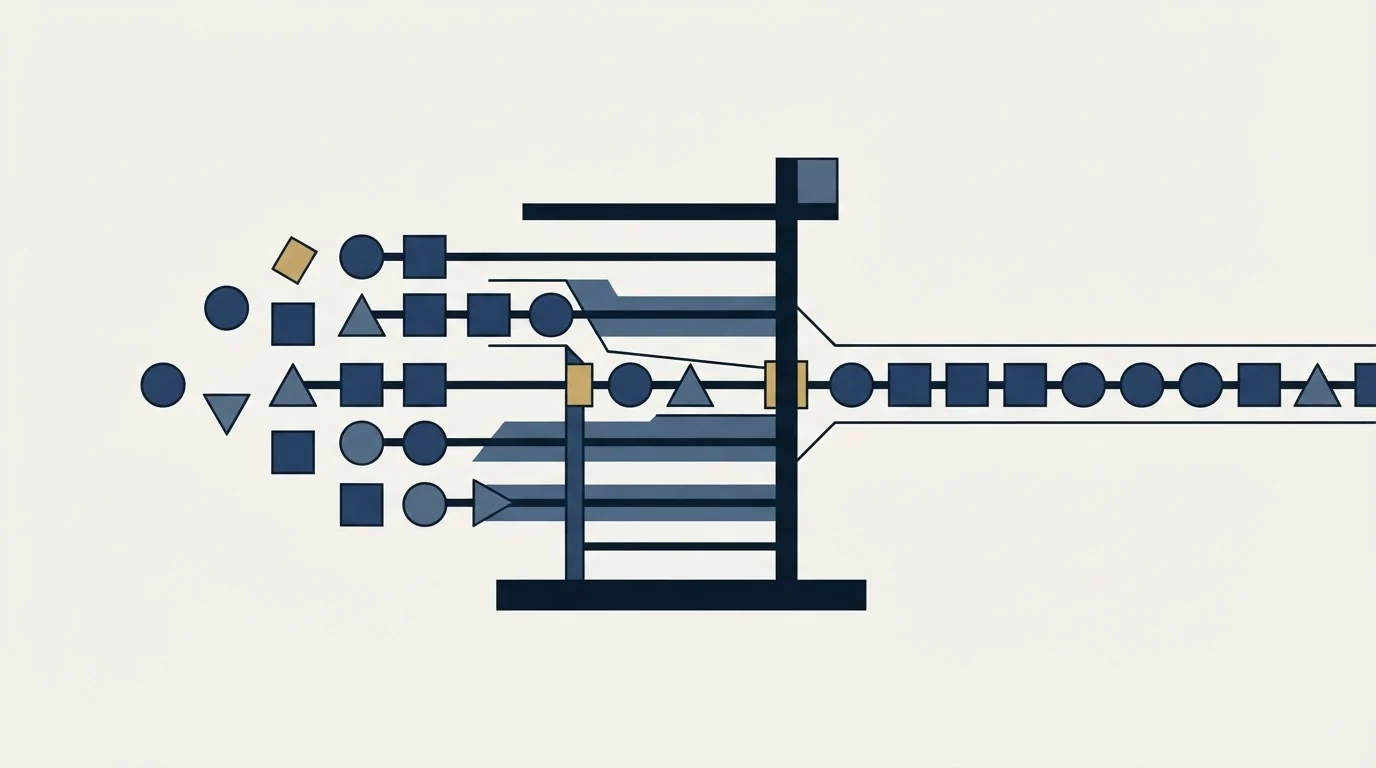
The day-to-day experience is the thing reviews describe worst and demos hide best. Salesloft's own framing is a prioritised action list: Focus Zones let a seller work through assigned actions by area, so cadence steps get run in one zone and late-stage deals in another. Signals from website activity, content views and integrated data sources feed the list. Plays are automations that prompt an action when a signal fires.
Read that as a description of the working day it produces. A seller opens one queue in the morning and works it. Whether that is an improvement depends entirely on what the queue was before. Teams moving off a CRM task list plus a spreadsheet usually report the change as large. Teams that already had a disciplined queue tend to report the change as cosmetic, and their reviews are the ones that read as lukewarm rather than negative.
The vendor's training estate is worth using during a trial. Salesloft runs a public Learn Center and a separate Academy that organises courses into role zones for administrators, sales development reps, account executives and managers, alongside Fundamentals courses and an administrator certification. Its site navigation also lists customer office hours as daily sessions. A platform carrying that much formal training is telling you something about its ramp time, and working through the role zone matching your team during a trial is a cheaper way to judge that ramp than any review.
The reporting layer, and the packaging detail inside it
Reporting is where a platform purchase either justifies itself to a VP or does not, and it carries a packaging detail that the review sites will not surface.
The sales dashboard page describes real-time dashboards, funnel and progress reports, at-risk deal identification, and AI forecasting through the Forecast module. Buried in the same page is the line that matters at contract time: dashboards and reports are customised "via the Team Dashboard in Coaching (available on Cadence and Deals)". Availability language on a marketing page is a packaging boundary, and packaging boundaries are exactly what a quote either includes or does not.
Ask which modules your quote covers before you ask what it costs. A dashboard that lives in a module you did not buy is the single most common source of the post-purchase disappointment that later shows up as a three-star review.
- Yes: Which named modules are in the quoted package
- Yes: Whether reporting and coaching dashboards are inside those modules
- Yes: What the seat count is and what happens when it changes mid-term
- Yes: Which CRM objects sync in both directions, and which do not
- Depends: Whether calling and SMS are included or metered separately
- Depends: What the review sites say about the module you will actually use
The vendor's own social proof, read carefully
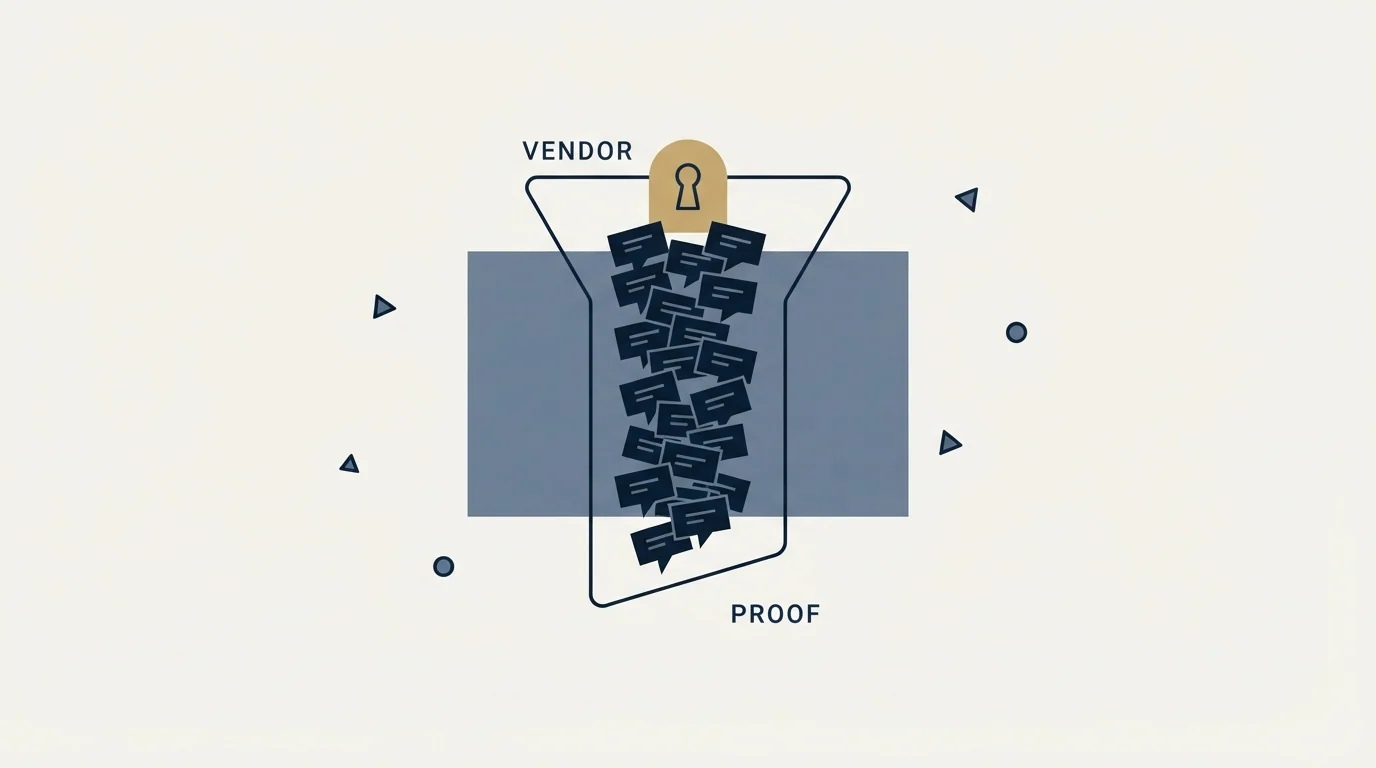
Salesloft publishes its own numbers, and they are worth reading with the same care as the review sites.
The product pages for Rhythm and Conversation Intelligence both display "4.5 on G2", which is the vendor quoting the aggregate rather than an independent measurement. The pricing page states that "4,000+ sales teams now have the competitive advantage" and carries three outcome figures: prospecting "322%* more pipeline", winning deals "75% faster", and "28% more deals". The asterisk resolves to a footnote reading "Real success metrics reported from Salesloft customers within the first year of implementation."
Customer-reported, self-selected, undated, and with no methodology attached. That is not a criticism of the vendor so much as a description of what a marketing figure is. Treat all three as claims about what the best outcome has looked like somewhere, and none of them as a forecast for your team.
The pricing page also declines to publish a price at all, directing buyers to "contact us" for pricing questions. Every review that complains about cost is therefore complaining about a number you cannot look up and they cannot show you, which is why cost complaints in reviews are close to unreadable without knowing the reviewer's seat count and package.
Where it fits against the way outbound actually runs
A sales engagement platform is built around the multi-step cadence: a sequence of touches per prospect, scheduled and tracked. Rhythm's prioritisation, the coaching scorecards and much of the reporting all assume that model is what you are running.
Our own documented practice is different, and it is worth stating because it changes what the tooling has to do. We send one message per campaign and do not bump or reply into our own threads; re-approaching a prospect means a new campaign built on a new angle rather than a follow-up step inside the old one. Under that model, most of the value in a sequencer's cadence engine goes unused, and the parts that still earn their place are the CRM sync, the reporting, and the call recording.
Neither model makes the other wrong. Sizing the purchase against the model you actually run is what stops a team from paying enterprise money for an engine it will switch off. If that description sounds like your situation, the lighter alternatives and the wider sales engagement platform comparison are the right next reading, and the mechanics of the calling layer are covered in dialer modes and what a seat costs.
The test that outranks all of the reading
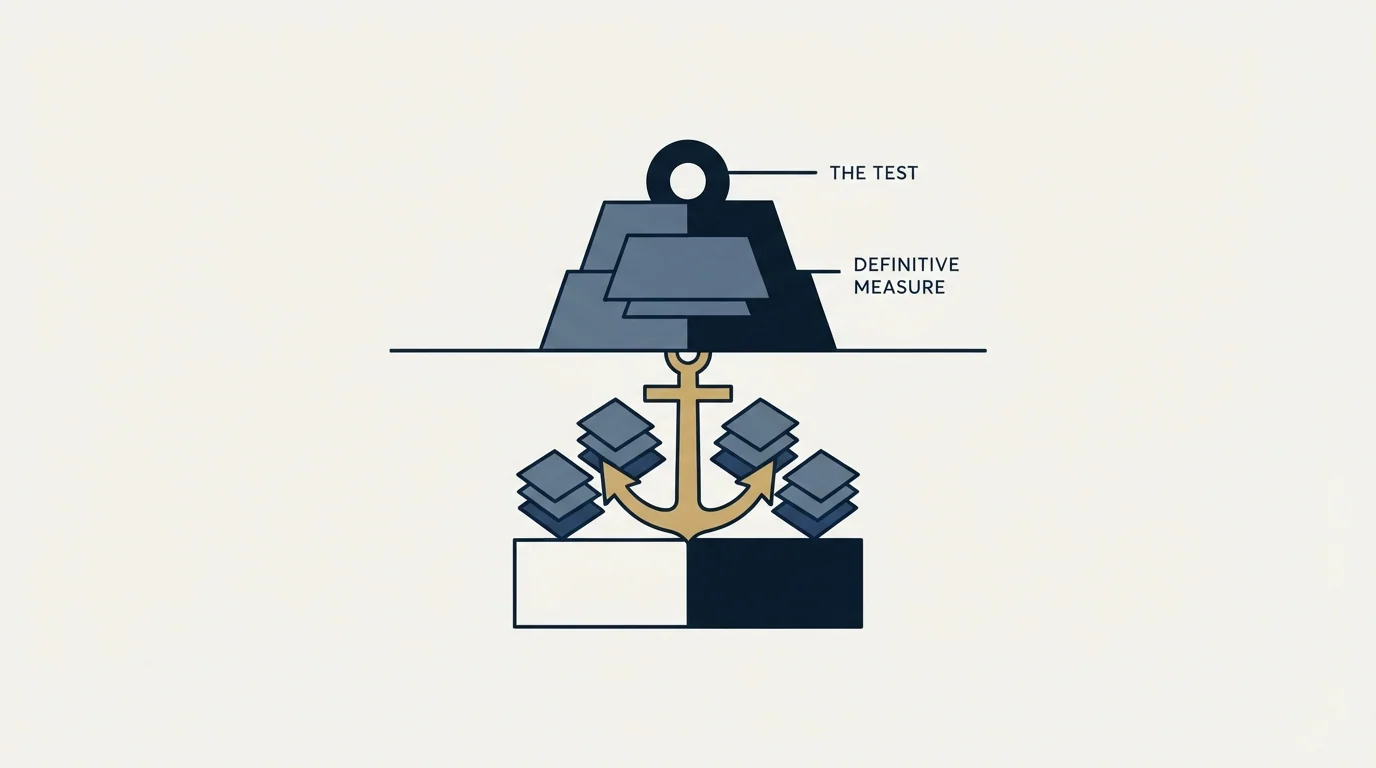
Reviews are a way of generating a shortlist. They are a poor way of choosing from one.
The test that settles it takes two weeks of a trial and no additional budget. Pick one real segment and one real motion. Have two sellers run it inside the platform while two run the current process unchanged. At the end, compare three things: how many meetings were booked, how much of the CRM was populated without anyone typing into it, and how long a seller spent inside the tool per booked meeting.
As an invented illustration, purely to show the shape of the comparison rather than any measured result: if the platform group books nine meetings against seven and spends forty minutes less per day in administrative work, the gap is the case for the purchase and the number to renegotiate against later. If both groups land in the same place, the reviews were never going to tell you that, because nobody writes a review about the change that did not happen.
If the real bottleneck is that not enough qualified conversations are reaching the calendar in the first place, the tooling decision is downstream of the pipeline decision. That is the problem we solve directly, and you can see what a built campaign looks like on a free campaign before deciding which platform should carry it.
Product features and published claims verified as of mid-2026. Verify current terms with the vendor before relying on them.
Frequently asked questions.
Frequently asked questions- Is Salesloft worth the money?
- That cannot be answered from reviews, because Salesloft publishes no pricing and every reviewer is describing a different package at a different seat count. The answerable version is whether the platform changes what your team does daily. Run two sellers inside it and two outside it for two weeks, then compare meetings booked and time spent per booked meeting.
- What do Salesloft reviews consistently complain about?
- Cost is the most common theme, followed by the gap between what was demonstrated and what the purchased package included. Both trace back to packaging rather than to software quality. Establishing which named modules your quote covers, and whether reporting and coaching dashboards sit inside them, removes most of that category of complaint before it happens.
- Does Salesloft include conversation intelligence?
- Yes. Salesloft's Conversation Intelligence page states that a separate solution is not needed, and describes AI agents that transcribe and summarise calls, pre-populate manager scorecards, surface competitor mentions and objections as key moments, and roll repeated themes into tracker trends. Whether it replaces a standalone recorder depends on the coaching workflow you already run.
- How reliable are the numbers on Salesloft's pricing page?
- They are vendor-reported customer results. The page carries figures for more pipeline, faster deal progression and more deals won, with an asterisk resolving to a footnote describing them as success metrics reported by customers within the first year of implementation. No methodology, sample size or date is published, so read them as best-case claims.
About the author.

B2B cold email experts helping companies generate qualified leads through done-for-you outreach campaigns.
RevenueFlow Team
Explore more.
Ready to scale your outreach?
We build GTM engines that book real meetings. See the receipts.
Related articles.
Gong Engage vs Salesloft Cadence: How They Differ
Gong Engage and Salesloft Cadence compared from each vendor's own pages: where each starts, six jobs side by side, and what the pricing pages disclose.
Twain Pricing: Credits per Lead, Three Research Modes
Twain sells credits, not seats, and a lead costs 1 to 14 of them depending on the research mode. The two ladders, the four expiry clocks and the cap.
Lavender Pricing: Two Products, No Pricing Page
Lavender has no pricing page. The Email Coach ladder per seat at both billing states, the free routes, and the separate per-agent price for Ora.
Which CRMs and Tools the Outbound Stack Connects To: Integration Data From 342 Sales Tools
HubSpot is named as an integration by 52.3% of 342 verified sales tools, Zapier by 50.3% and Salesforce by 43.3%. Here is the full map by category.
Sales Engagement Platform Pricing in 2026: What 61 Tools Charge and Which Hide It
Sales engagement platforms start at a median of $75 a month, 70.5% carry a quote-only tier, and AI SDR platforms start at $204.50. Data from 61 verified tools.
PersistIQ Pricing: A Demo Form Where the Ladder Was
PersistIQ's pricing address serves a demo form and no platform price. What the site does publish, the Luka add-on ladder at both billing states, and how to read a quote.