6sense Pricing: Three Packages, No Published Rate
6sense publishes no rate for sales intelligence. It publishes something more useful: three named combinations, and a credit meter that gates every contact export.

6sense pricing is not published: the sales intelligence pricing page lists three combinations, Sales Intelligence with data credits and predictive AI, with data credits only, or with predictive AI only, and every one ends at a demo request with no rate shown. The quote turns on which combination you buy and how many data credits you need for contact exports.
Key takeaways
- 6sense's sales intelligence pricing page carries no currency figure on any of its three combinations; every route out of it is Book Your Demo.
- The base product covers copilot, insights, technographics, intent, alerts and workflows; predictive scoring is a separate module rather than part of the base.
- Data credits are the meter: the page states they are used to unlock and export emails, phone numbers and enriched contact and company records.
- Every figure ranking for the query comes from a procurement marketplace or a competitor, none of it names the combination or credit count it belongs to.
Reviewed and updated September 18, 2026
6sense pricing is a page with no price on it. The vendor runs a page titled for its sales intelligence pricing, opening with the line "Sales Intelligence delivers the insights needed to create and convert high-quality pipeline to revenue", and the rendered page carries just under ten thousand characters of visible text and not one currency symbol. Every route out of it is a demo request. The page rendered in full, so the absence is a real one rather than a fetch problem, and treating it as the answer rather than as a gap is the only way to prepare for the conversation that follows.
What the page does publish is the shape of the deal: three named combinations, one base product, and a credit meter that gates the part most sales teams think they are buying. Read properly, that structure predicts a quote better than any of the ranges circulating for this query.
6sense pricing: how much does it cost?
6sense publishes no price for Sales Intelligence. Its pricing page lists three combinations, Sales Intelligence with data credits and predictive AI, with data credits only, and with predictive AI only, and each ends at "Book Your Demo" with no rate, currency or seat price shown. What decides the quote is the combination you pick and how many data credits you buy, because credits are what unlock and export contact records.
The three combinations, and what is common to all of them
The page sells one product in three configurations. Sales Intelligence with data credits and predictive AI. Sales Intelligence with data credits. Sales Intelligence with predictive AI.
Everything the base product carries appears in all three columns, which makes the differences readable. That base list is long: a sales copilot, a Chrome extension, an AI writer marked as beta, company and contact insights, a persona map, technographics, psychographics, web visitor identification, job postings, third party intent, alerts, intelligent workflows for sales, corporate hierarchy, integration with a customer relationship manager, sales engagement platform and web app, reporting, multi product support, and filters that carry marketing automation activity across.
Two things are conspicuously not in it, and they are the two the page sells separately.
Predictive AI adds the predictive model itself, its scores and dashboards, AI recommended actions and AI account summaries. So the account scoring that most people describe as the reason to buy this platform is a module rather than the product.
Data credits add company and contact data acquisition, buyer discovery and the list builder. The page states plainly what a credit is for: "Data credits within Sales Intelligence are used to unlock and export emails, phone numbers and enriched contact and company records". So the contact data is metered, and without credits the base product tells you which accounts matter without letting you export anyone at them.
Sales Intelligence, the base
Present in all three combinations
- Sales Copilot, Chrome extension and an AI writer in beta
- Company and contact insights, persona map, technographics and psychographics
- Web visitor identification, job postings and third party intent
- Alerts, intelligent workflows for sales and corporate hierarchy
- CRM, sales engagement and web app integration, reporting, multi product support
The two modules, bought on top
- Predictive AI the model, its scores and dashboards
- Predictive AI AI recommended actions and AI account summaries
- Data credits company and contact data acquisition
- Data credits buyer discovery and the list builder
- Data credits what unlocks and exports a contact record
Why the metered contact data is the line that decides the bill
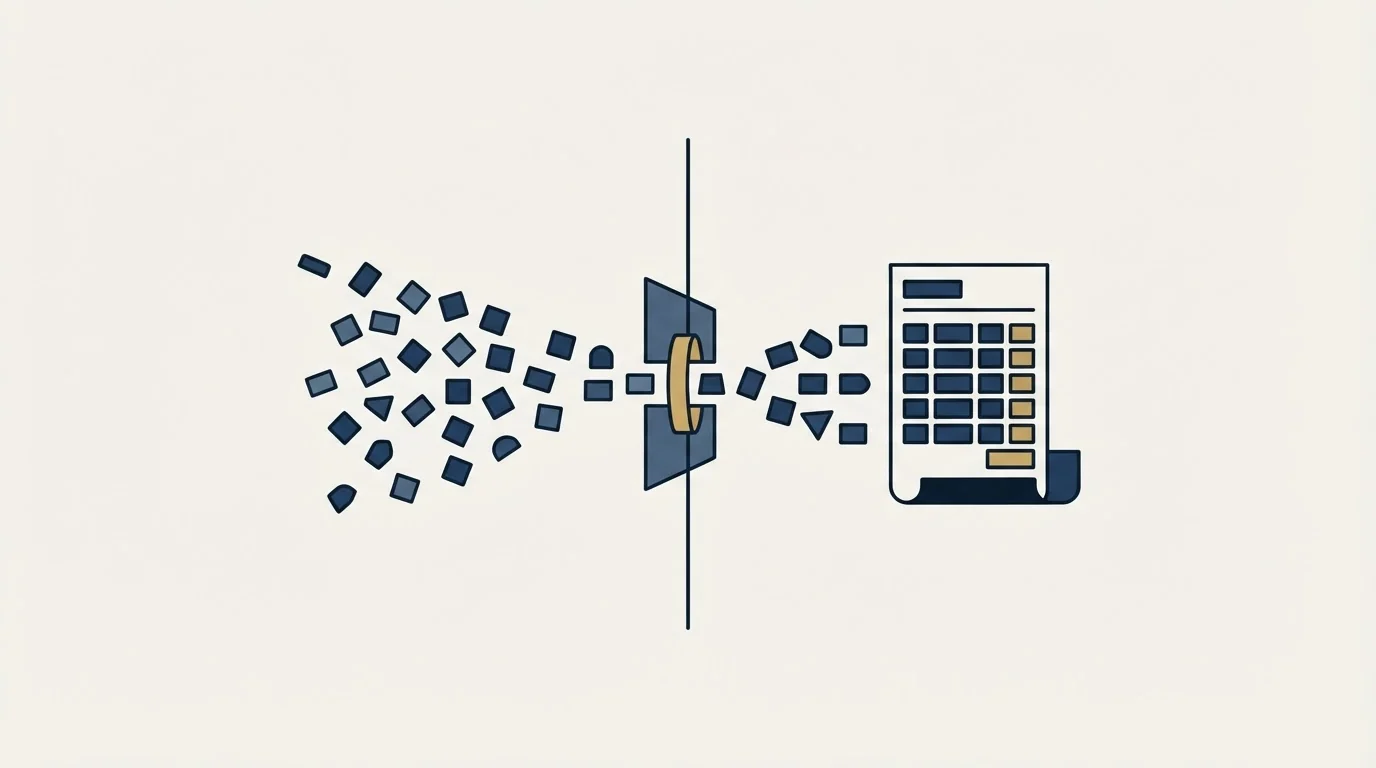
A platform fee is negotiable once. A meter is a bill that arrives every quarter, and it is the part of this structure that behaves least like a licence.
Partner tooling contains the opposite case, where Crossbeam publishes its platform fee and seat rate on the page rather than reserving both for the quote.
The published mechanism is specific. Credits are consumed to unlock and export emails, phone numbers and enriched records. A team using this as an account prioritisation layer, feeding a target list into a sending platform it already owns, spends credits on every contact it actually writes to. A team using it as a dashboard spends almost none. Those two teams can run the same seat count on the same tier and receive materially different invoices, and only one of them will describe the platform as expensive.
That makes credit consumption the first thing to model and the first thing to negotiate, and it is answerable before any demo. Count the contacts your outbound programme actually exports in a quarter, not the size of the addressable market. The difference between those two numbers is usually an order of magnitude, and quoting the larger one into a sales conversation prices the contract on data you will never pull.
Metered tools reward the same arithmetic elsewhere, and SerpApi's effective rate per thousand searches only appears once the monthly price is divided by the allowance beside it.
The corollary matters too. Because data credits are a separate purchase, a team that already runs a contact database is paying twice for the same records unless it deliberately buys the combination without credits. That configuration is one of the three on offer, which is more honest than most bundles in this category, and asking for it by name is the sort of thing a quote conversation rewards.
What ranks for this query, and why none of it is a price
Search this term and the results are procurement marketplaces and competitor blogs: a spend management platform, a software renewal marketplace, vendors that sell against 6sense, a review aggregator's pricing tab and a data enrichment company's breakdown. Several publish annual ranges running from tens of thousands into the low hundreds of thousands, along with implementation estimates.
Not one of those figures appears on a 6sense surface. They come from contract data, from customer surveys, and in some cases from a competitor's incentive to make the anchor look expensive. That does not make them worthless. A procurement marketplace quoting real contract values is genuinely useful for knowing whether a quote is in the normal range, and it is the right tool for that specific job. It is not a price, it cannot tell you which combination was bought, how many credits were on the contract or whether predictive AI was included, and those three variables are exactly what moves this number.
The practical rule is the same one that applies to every quote only platform. Use the ranges to know whether you are being quoted something unusual. Use the vendor's own published structure to know what you are being quoted for. Never carry a third party figure into a business case as though the vendor had published it.
Who the page says this is for
Audience is worth checking on any platform this broad, because the buyer named by the vendor decides whether a comparison is even relevant.
The same page names its industries as business services, financial services, manufacturing, software and technology, and transport and logistics, with asset management, banking, financial technology and insurance appearing alongside them. Its use cases are account based marketing, inbound marketing automation, outbound sales automation, deal acceleration and customer expansion. Its product navigation splits into a revenue marketing side and a sales intelligence side, and the pricing page in question belongs to the sales side.
That is a business to business go to market buyer throughout, which settles the audience question but raises a sharper one. Two different teams buy from this page. A demand generation team wants the predictive model and the advertising activation that sits on the marketing side. A sales development team wants the contact data, the alerts and the workflows. They need different combinations, and the one that includes everything is the most expensive way to discover which half you actually use. Deciding that in advance is the same discipline that governs replacing the platform one capability at a time.
Where this sits against the alternative purchase
A platform of this shape competes with two things at once, and comparing it against only one of them is how teams end up over buying.
Against another account based platform, the comparison is like for like and turns on intent data provenance and activation. Against a contact database, it is not a comparison at all, because the two answer different questions: one tells you which accounts are in market, the other tells you how to reach the people at them. Our account based platform against contact database breakdown runs that distinction feature by feature, and the wider category map covers who else occupies the same ground.
One neighbouring purchase is not a like-for-like platform at all: Metadata against 6sense reads a paid-media execution layer beside this intent platform.
The third option is not a platform. If the predictive layer would not change which accounts get worked, and the real gap is that nobody is contacting the accounts you already know about, then the purchase is execution rather than intelligence. Understanding what third party intent data can and cannot tell you usually settles which of those two problems you actually have.
RevenueFlow runs cold email and LinkedIn against a named account list and charges per attended qualified meeting, against criteria agreed in writing before launch, one message per campaign with no bumps and no thread replies. Where the shortage is conversations rather than signals, you can see what a campaign against your target accounts produces before committing to a platform year.
The short version

6sense publishes no price for sales intelligence, on any billing basis, and its pricing page is a demo request headed "Sales Intelligence delivers the insights needed to create and convert high-quality pipeline to revenue". That is the answer.
What it does publish is worth more than a range. Three combinations are named and their contents listed in full: sales intelligence alone, plus data credits, plus predictive AI, or all three. The predictive scoring model is a separate module rather than part of the base. Contact data is metered, and the page defines the meter in its own words: "Data credits within Sales Intelligence are used to unlock and export emails, phone numbers and enriched contact and company records".
So the two questions that decide the invoice are which combination you buy and how many contacts you actually export. Model those before the call. Every figure ranking for this query comes from a procurement marketplace or a competitor, none of it is on a 6sense page, and none of it names the combination it belongs to.
Package structures, module contents and the data credit definition above are taken from 6sense's sales intelligence pricing page, which carries no currency figure. Verify current terms with the vendor before relying on them.
Frequently asked questions.
Frequently asked questions- How much does 6sense cost?
- 6sense does not publish a price. Its sales intelligence pricing page lists three combinations, Sales Intelligence with data credits and predictive AI, with data credits, or with predictive AI, describes the contents of each in full, and routes every one to a demo request. No rate, currency, seat price or credit price appears anywhere on the page, so the number comes from the quote conversation.
- What are 6sense data credits used for?
- The pricing page defines them in one sentence: data credits within Sales Intelligence are used to unlock and export emails, phone numbers and enriched contact and company records. Viewing account insights, intent and alerts does not consume them. That makes the number of contacts your outbound programme actually exports in a quarter the figure to model before any call.
- Is 6sense pricing per seat?
- The page does not say. It names three combinations and the module each includes, but it does not state whether seats are priced separately from the platform, how many credits a contract starts with, what an overage costs, or what implementation adds in the first year. Those four lines are absent from the page and belong in writing on the first quote.
- Why do other sites publish 6sense prices?
- The pages ranking for the query are spend management platforms, software renewal marketplaces, competing vendors and review aggregators, and their annual ranges come from contract data, customer surveys or estimates. None of those figures appears on a 6sense surface, and none says which combination was bought or how many credits were on the contract, which are the variables that move the number.
About the author.

B2B cold email experts helping companies generate qualified leads through done-for-you outreach campaigns.
RevenueFlow Team
Explore more.
Ready to scale your outreach?
We build GTM engines that book real meetings. See the receipts.
Related articles.
Ontraport Pricing: Three Plans and Five Other Meters
Ontraport now publishes three plans, not the four most pricing pages still quote. The rates are its annual state at the smallest contact band.
Is Clay Free? The Free Plan, the Trial and Where Each Stops
Clay's free plan, its 14-day trial and the no-charge-on-a-miss rule are three different things. What each holds and where it stops, from clay.com on 19 September 2026.
Seamless.AI Email Finder: How It Works, What a Credit Buys
How Seamless.AI's email finder resolves a contact in real time, what one Universal Credit buys, the Total AI score on every address, and what the Chrome extension reads.
Video Prospecting Tools by Job: What Each One Is For
Ten video prospecting tools sorted by the job each vendor's own page describes: record and share, personalise at volume, avatars, hosting and interactive demos.
Social Selling Tools by Job, and the Account-Risk Line
Fourteen social selling tools sorted into six jobs, split by whether each acts through your LinkedIn account or beside it, from the vendors' own pages.
Gong Engage vs Salesloft Cadence: How They Differ
Gong Engage and Salesloft Cadence compared from each vendor's own pages: where each starts, six jobs side by side, and what the pricing pages disclose.