Sales Negotiation: The Seller's Side of the Conversation
A sales negotiation is a trade across several terms. Reduce it to price and both parties sit on one axis, where the only instrument left is a discount.
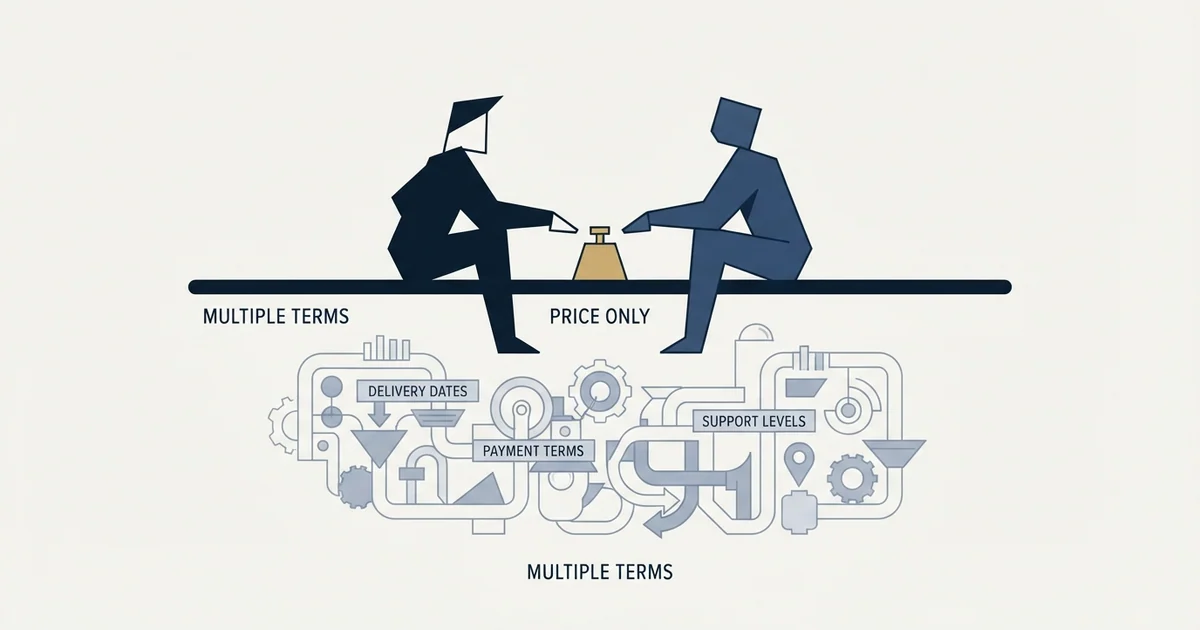
A sales negotiation is a trade across several commercial terms, not a contest over one price. The seller's position comes from those terms being worth different amounts to each side: contract length, payment timing, start date, scope, commitments and notice. Most of what is available at the end was decided at qualification, by whether the buyer's real alternative is known.
Key takeaways
- A concession given without a paired request is a price cut with extra steps, and it teaches the buyer that the number moves under pressure.
- A late price objection is one of four things: value never established, a test, a real constraint, or a proxy for an unstated doubt, and each has a different response.
- Settling terms one at a time as they arise removes every variable from the pool before price is discussed, leaving the one thing you least wanted to move.
- Restructuring a deal to fall below an approval threshold is frequently worth more to the buyer than a discount of the same size, because it removes a step rather than reducing a number.
Reviewed and updated October 1, 2026
A deal that has run cleanly for two months arrives at the last conversation and the buyer asks for a discount. The seller has one instrument in reach, which is the discount, and one instruction from their manager, which is to hold the price. Neither of those is a negotiation. They are two positions on a single axis, and by the time the conversation reduced to that axis the useful work had already been skipped.
Most published advice on this subject is written as a set of conversational techniques, which is why it reads the same whoever wrote it. The seller's version of the problem is narrower and more useful: what you are able to trade was decided weeks earlier, by the qualification and the proposal, and the conversation at the end mostly reveals it.
What is actually being negotiated
Price is the visible term and it is rarely the only one, which is the whole basis of any position a seller has.
A commercial agreement carries a set of variables, and each one is worth something different to each side. Contract length. Payment terms. Start date. Scope, and specifically what is in the first phase. Volume commitments and minimums. Notice period. Success criteria and what happens if they are not met. Reference rights and case-study permission. Support level and response times. Renewal terms.
The seller's position comes from the fact that those things are not equally valuable to both parties. A buyer under pressure to reduce this year's spend may be indifferent to a longer term. A buyer whose problem is urgency may pay for a faster start. A buyer whose finance team is the obstacle may care about payment timing far more than about the headline number.
That is what makes a trade possible at all. A concession given without asking for anything is a price cut with extra steps, and it teaches the buyer that the number moves under pressure, which changes what they do for the rest of the relationship.
- One variable, and both sides are on it
- Every move is a loss for somebody
- The seller's only tool is authority to discount
- Speed of concession sets the buyer's expectations
- Ends with a number and no new information
- Term, start date, scope, payment timing, commitment
- A move can be worth more to them than it costs you
- The seller's tool is knowing what they actually need
- Every concession carries a request
- Ends with an agreement both sides can defend internally
The negotiation starts at qualification
The single most consequential thing about a late-stage negotiation is decided long before it: whether the buyer has an alternative, and whether you know what it is.
A buyer with a genuine alternative, including the alternative of doing nothing, negotiates from a real position. A buyer with no alternative negotiates from a claimed one, and the difference is visible in whether they can describe it. The competitive set is decided by the buyer rather than by you, and their shortlist usually contains something that is not a company at all: carrying on as they are, an internal person who absorbed the job, or a general-purpose tool that works well enough. That argument, and what each entry needs said to it, is in competitive positioning.
Two other things get set at the same early stage and both bind later.
The cost of doing nothing. A buyer who can state what the problem costs them has a number to weigh your price against. A buyer who cannot has only your price, so every conversation about value collapses into a conversation about cost. Establishing that is discovery work rather than negotiation work, and where it did not happen the late-stage price objection is the bill arriving. The discovery call is where it gets done.
Who is actually deciding. A negotiation with somebody who has to sell the outcome internally is a different exercise from a negotiation with somebody who signs. In the first case, half of what you are doing is equipping them for a conversation you will not attend, and the terms that matter are the ones that make their internal case easier rather than the ones that feel like wins in the room.
Price objections are usually not about price
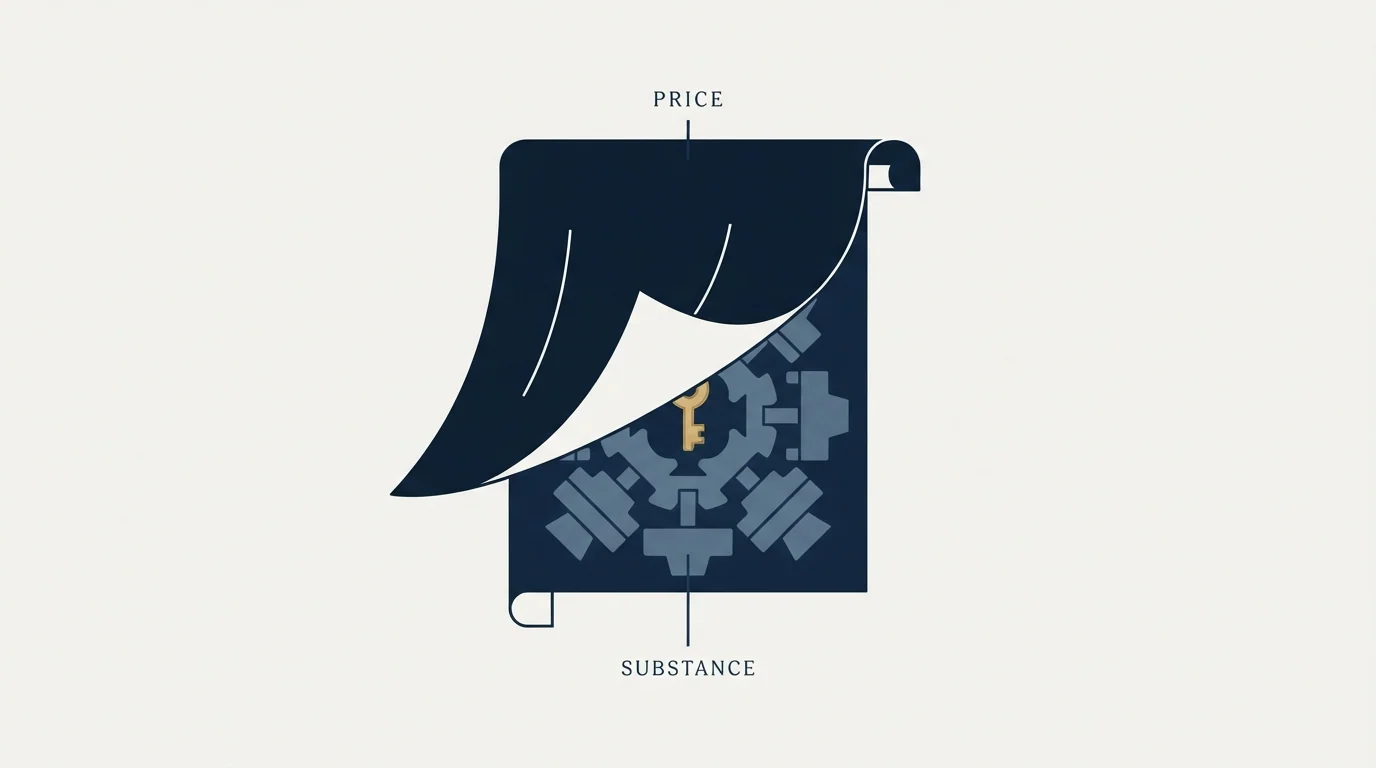
Late resistance to a number is one of four things, and the response differs completely.
The value was never established. The buyer cannot weigh the price because nothing has been quantified for them to weigh it against. This presents as price and it is a discovery failure, and no negotiating technique repairs it at signature.
They are testing. Asking is free and many buyers ask as a matter of course. A seller who concedes immediately has taught them that the number was soft, and everything afterwards is negotiated from the new one.
A real constraint exists. The budget genuinely is a fixed figure, or the approval threshold sits below your price, or this year's spend is capped. This is the case where a trade is available and worth finding, because the constraint is usually about a number in a particular period rather than about total value.
It is a proxy for an unstated concern. Doubt about whether this will work, about internal capacity to adopt it, or about you specifically. Discounting into that concern buys nothing, because the buyer's actual question has not been answered.
Sorting these takes one question rather than a script: ask what would have to be true for the current number to be approvable. A testing buyer usually moves on. A constrained buyer names the constraint. A doubtful buyer names the doubt, which is far more useful than the discount they asked for. The general form of that sort, between something carrying information and something carrying none, is in objection handlers.
Preparing the trade before the conversation
The preparation that changes outcomes is unglamorous and takes an hour.
- Step 1Price the variables to you
For each term, what it costs your business to move it. A longer payment window and a shorter term are not the same cost and are frequently treated as though they were.
- Step 2Price them to the buyer
What you learned in discovery about their year, their approval thresholds and their internal pressure. This is the half nobody prepares.
- Step 3Write the trades in pairs
Each concession you would make, and the specific thing you would ask for alongside it. A concession with no paired request is a discount.
- Step 4Set the walk-away, and who owns it
The terms below which the deal is not worth doing, agreed with whoever carries the number, before anybody is in the room.
The fourth step is the one that gets skipped, and its absence is visible in the conversation. A seller who does not know where the floor is negotiates toward wherever the buyer stops pushing, and a seller who does can hold a position calmly because the position is not theirs to defend personally.
The term for that floor and the alternative it is derived from, on both sides of the table, is set out on BATNA in sales negotiation.
Two further habits do more than any phrasing.
Concede in decreasing increments. The size of successive moves is itself a signal. A second concession the same size as the first tells the buyer there is a third, and a smaller one says the floor is close, without anybody having to claim it.
Keep the whole package on the table until the end. Settling terms individually removes them from the pool one at a time, so by the time price is discussed there is nothing left to trade with. The seller who has agreed the start date, the term and the payment schedule before pricing comes up has negotiated away every variable except the one they least wanted to move.
What the discount actually costs
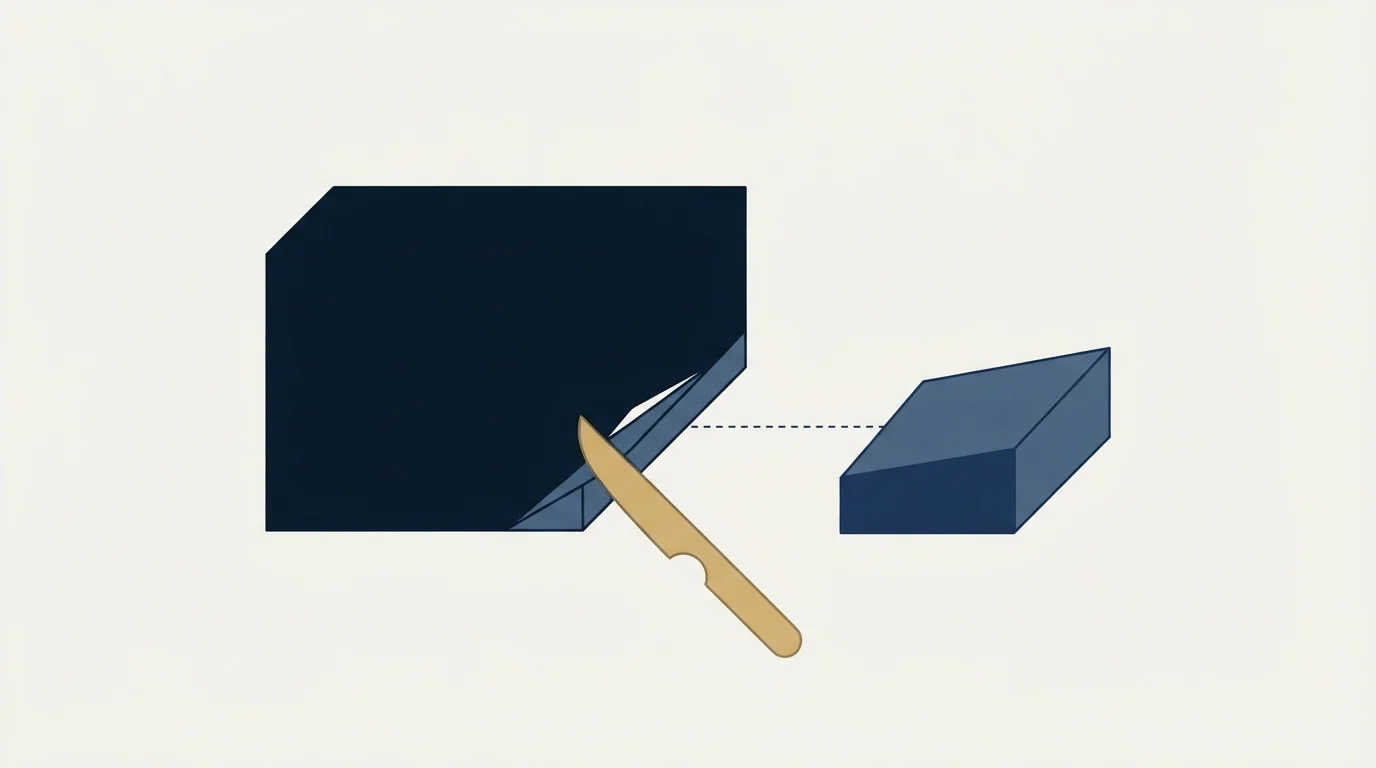
The number people quote is the revenue given up. Two other costs are larger and neither appears in the deal record.
The first is the precedent inside your own commercial structure. A discount granted to close a quarter becomes the reference point at renewal, and it becomes the number the buyer's peers hear about. Where the plan pays on revenue, it also quietly moves the seller's own incentive, which is one of several reasons a commission plan and a discounting policy have to be designed against each other rather than separately. That interaction is worked through in building a commission plan that survives a bad quarter.
Whoever inherits that renewal conversation is a coverage decision, and which number each seat owns matters more than any read on temperament.
The second is what it says about everything you said earlier. A price that moves substantially in one conversation was a number rather than a valuation, and a buyer who noticed that will reasonably wonder what else was presented as fixed. This is the strongest practical argument for trading rather than conceding: a term traded for a term is a commercial exchange, while a number that simply drops is evidence about the original number.
- Yes: The cost of doing nothing is written in the buyer's own words
- Yes: Their real alternative is named, including the option of nothing
- Yes: Every term you could move is priced to you and to them
- Yes: Each possible concession is written with the request it is paired with
- Yes: The walk-away is agreed with whoever carries the number
- No: Terms have been settled one at a time as they came up
- No: The first response to a price challenge is a number
The negotiation you are not in
A large share of a B2B negotiation happens in rooms you are not in, between people you may never meet, and the seller's real job at that point is equipping somebody else.
That reframes what a good outcome looks like at the end of a call. The buyer leaves with an internal argument they can make: the problem stated in terms their finance function recognises, the alternative named, the cost of delay quantified, and the terms structured so the approval sits below whatever threshold governs them. A deal restructured to fall under an approval limit is frequently worth more than a discount of the same size, because it removes a step rather than reducing a number.
It also means the document does part of the negotiating. A proposal written for the person who was on the call, and not for the person who was not, will be read by the second one and fail. The structure that survives that reader is in the sample sales proposal.
What a negotiation cannot fix

Three things arrive at this stage and none of them is negotiable, however the conversation is run.
A buyer who does not have the problem. A buyer who has it and cannot get authority to solve it. And a competitive position where the alternative is genuinely better for them. In each case the honest move is a clean ending, and the information is worth more than the deal was: a pattern of any one of the three, read across a quarter rather than deal by deal, is a targeting or a positioning finding. The instrument for reading it is a win/loss analysis, which asks the buyer rather than the seller.
There is also a boundary worth naming from our own side, because it is a policy rather than a preference. We do not run pressure sequences into a silent deal. One message per campaign, sent once, with no bumps and no thread replies. Applied to a stalled negotiation the same logic holds: a new person joining the buying group is a reason to make contact, and the absence of a reply is not.
The short version
A sales negotiation is a trade across several terms, and the seller's position comes from those terms being worth different amounts to each side. Reduce it to price alone and both parties are on one axis, where every move is a loss and the only instrument is a discount.
The outcome is largely set before the conversation. Whether the cost of doing nothing was established, whether the buyer's real alternative is known, and whether you are talking to somebody who signs or somebody who has to persuade a signer, all decide what is available at the end.
Prepare by pricing every movable term to yourself and to them, writing each concession with the request it is paired with, and agreeing the walk-away with whoever carries the number. Concede in decreasing increments, keep the package whole until the end, and treat a price objection as four possible things rather than one.
If the deeper problem is that too few of these conversations exist to be careful with, that is a supply question. We are paid on attended meetings against criteria agreed in writing before launch: see what a first campaign produces.
Frequently asked questions.
Frequently asked questions- What is actually being negotiated in a B2B sales deal?
- Price is the visible term and rarely the only one. Contract length, payment terms, start date, first-phase scope, volume minimums, notice period, success criteria, reference rights, support levels and renewal terms are all movable. The seller's position exists because those are worth different amounts to each side, which is what makes a trade possible rather than a concession.
- How should a seller respond to a request for a discount?
- With a question rather than a number. Ask what would have to be true for the current price to be approvable. A buyer who was testing usually moves on, a constrained buyer names the constraint, and a doubtful buyer names the doubt, which is more useful than the discount they asked for. Then trade: every concession carries a specific request alongside it.
- When does a sales negotiation actually begin?
- At qualification, well before anybody discusses price. Whether the cost of doing nothing was established, whether the buyer's real alternative is known including the option of doing nothing, and whether you are speaking to somebody who signs or somebody who has to persuade a signer all decide what is available in the final conversation.
- What does a discount cost beyond the revenue given up?
- Two things that never appear in the deal record. It sets the reference point for renewal and for whatever the buyer's peers hear about. And it says something about everything stated earlier: a price that moves substantially in one conversation was a number rather than a valuation, and a buyer who noticed will reasonably wonder what else was presented as fixed.
About the author.

B2B cold email experts helping companies generate qualified leads through done-for-you outreach campaigns.
RevenueFlow Team
Explore more.
Ready to scale your outreach?
We build GTM engines that book real meetings. See the receipts.
Related articles.
SDR Outsourcing for Business Brokers: The Fee Timing
Whether a success-fee brokerage should rent sales development at all: the fee timing, the texts that limit what an outside person may say about value, and who signs.
SDR Outsourcing for Logistics Companies: The Brokerage Line
What an outside sales development team may do in a freight company's name, the calling and email rules it inherits, and which arrangement survives a bid-shaped market.
Appointment Setting for Business Brokers: The Seller Meeting
What a bought meeting with a business owner has to be for a brokerage: the three-part qualification, the confidentiality rules, the licence line and the owner's reasons.
SDR Outsourcing for Financial Services: The Third Party
What a bank, broker-dealer, adviser or agency's regulators say about an outside team that speaks for it, the licensed line, and which arrangement survives due diligence.
Win Rate Benchmarks: Which Figures State a Population
A catalogue of the published average sales win rates, sorted by whether the page names the population behind its own number. Most do not.
Sales Prospecting for Health Systems: The Public Record
Where health systems are written down in public: the Medicare cost report, the facility list a non-profit system files, and the two gates that follow qualification.