Chorus by ZoomInfo: What Conversation Intelligence Changes
Chorus.ai was independent and is now a ZoomInfo product. Three things change when the company recording your sales calls is primarily a B2B data business.
Chorus is ZoomInfo's conversation intelligence product, acquired from Chorus.ai and announced on the company's own blog. It records, transcribes and analyses calls, meetings and emails. Ownership changes three things a feature comparison will not surface: where your recordings live, which direction the roadmap moves, and what leaving costs.
Key takeaways
- ZoomInfo's own announcement, bylined by its CEO, states that it acquired Chorus.ai as a provider of conversation intelligence solutions.
- The vendor's Chorus pricing page served normally on the date checked and publishes a Get Pricing form rather than any rate card, so the buying motion is a sales conversation.
- Call recordings are the most sensitive material a revenue team produces, which makes retention, derived-data use and export rights contract questions rather than feature questions.
- Recording consent obligations stay with you in every territory your reps dial, whatever notification mechanism the platform provides.
Reviewed and updated September 10, 2026
Chorus.ai was an independent conversation intelligence company. It is now a ZoomInfo product, and ZoomInfo's own announcement of the deal is still on its blog under the byline of Henry Schuck, its CEO and founder, stating that ZoomInfo has acquired Chorus.ai as a leading provider of conversation intelligence solutions.
Another ZoomInfo-owned product raises a similar ownership question, and how Datanyze's legitimacy holds up is worth checking when its own site refuses every fetch.
That sentence is the whole reason this page exists. Anyone searching the product name today is looking at a tool whose ownership changed, and the practical question is not what conversation intelligence does. It is what changes when the company recording your sales calls is primarily in the business of compiling and selling B2B contact data.
We should be clear about our own position first. RevenueFlow runs outbound over email and LinkedIn, not phones, so this is not a guide to coaching call technique and we are not the right people to tell you whose transcription is most accurate. What we can offer is the evaluation frame, because the same acquisition pattern shows up repeatedly in this category and the questions it raises are consistent.
Searchers write the name three ways, Chorus.ai, Chorus AI and Chorus by ZoomInfo, and all three are this one product.
What the product is
ZoomInfo's product page describes Chorus as capturing and analysing customer calls, meetings and emails, with the stated goals of discovering why deals are won or lost, forecasting, and coaching. The same page carries the vendor's claim that Chorus is the fastest growing conversation intelligence product in existence. Treat that as marketing rather than as a measurement, since no methodology accompanies it.
Beyond conversation intelligence, the same platform's core prospecting product raises its own reconciliation problem, and what ZoomInfo Sales actually includes explains why headline database totals differ across the vendor's own pages.
The company's own acquisition announcement describes Chorus as capturing and analysing phone calls, video meetings and emails to produce insights for coaching and revenue teams. The consistent core across both pages is recording, transcription, and analysis layered on top.
The category itself is well understood and genuinely useful. Recording every customer conversation and making it searchable changes what a sales manager can know, and it changes new-hire ramp time in a way that few other tools do. None of what follows is an argument against conversation intelligence.
The pricing page publishes a form, not a price
ZoomInfo maintains a page at the Chorus pricing URL. It was fetched directly on 13 August 2026 and again on 10 September 2026, and it returned normally both times, so what follows is a positive observation rather than a failed request.
On 13 August 2026 that page served a Get Pricing form, with a note that submitting it agreed to the privacy policy and terms of use, alongside feature detail that listed unlimited call recordings and transcription among what was included. By 10 September 2026 the form was gone: the same URL serves a page headed "NEW – Chorus" with ZoomInfo's site navigation, no form, no currency figure and no plan names. On neither read was there a rate card, tiers or a per-seat figure.
No price appears in this article, and that is deliberate. Third-party pages reconstruct Chorus pricing in some detail, and several of the ones ranking for it sell competing products or sell procurement advice. A number on a page belonging to someone with a commercial interest in that number is not a source. The honest statement is narrow: the vendor's own pricing page did not publish a figure on the date checked, and the buying motion it points to is a conversation with a salesperson.
Plan for that. It means a quote shaped by your seat count and by whatever else you buy at the same time, which is the next thing worth understanding.
- Contact data, intent and call intelligence resolve to one contract and one renewal
- Discounting is negotiated across the bundle rather than per product
- Recordings and contact data sit with the same processor
- Leaving one product usually means renegotiating all of them
- Judged and replaced on its own performance
- Its data-processing terms cover only your conversations
- Usually a higher headline price for the single product
- Integration with your data source is your problem to solve
The three things ownership actually changes
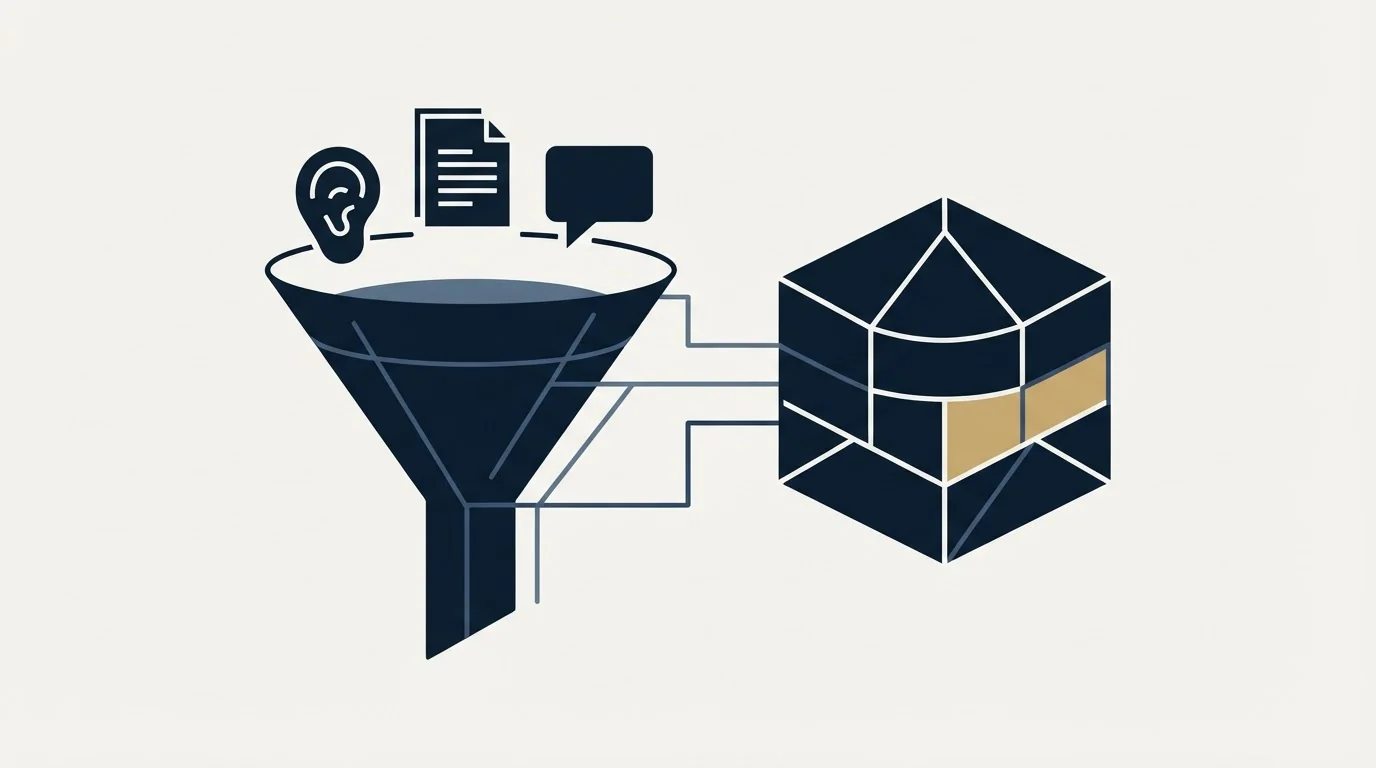
A feature comparison will not surface any of these, and they outlast whichever feature set is current.
Your recordings become a file at a data company. Conversation intelligence requires you to hand over the most sensitive material your revenue team produces: customers naming their budgets, their internal politics, their dissatisfaction with incumbents, and your own reps saying things they would not put in writing. When that sits with a standalone vendor, it is a processing relationship and the contract usually says so plainly. When it sits with a company whose core business is compiling and selling B2B data, the same upload deserves a closer read. What is retained, for how long, whether anything derived from your conversations informs any shared dataset, and what happens to the archive at termination are all questions with contractual answers. This is not an accusation about any specific vendor. It is a set of answers you should be able to point to in writing.
The roadmap follows the parent's strengths. An acquired product gets built out where the platform is strong. For a data company that means connecting conversations to contact and account records, which the vendor's own materials describe as bringing contact and company intelligence to the same surface. If what you want is deeper coaching workflow, that direction is pulling away from you. If what you want is conversations joined to account data, it is pulling toward you. Both are legitimate; the point is to know which one you are.
Contact and account intelligence sits at the center of ZoomInfo's broader platform, and how ZoomInfo compares to a dedicated CRM clarifies where that data tool ends and pipeline management begins.
The exit gets more expensive. A standalone tool is one you drop when it disappoints. A bundled one arrives inside an agreement with a renewal cycle and an account manager, and the switching cost has nothing to do with the transcription quality. Ask at purchase time what leaving looks like, specifically whether you can export historical recordings and transcripts in a usable format and whether that right survives the end of the contract. An archive you cannot take with you is a lock-in mechanism regardless of anyone's intent.
- Yes: What is retained from recordings and transcripts, and for how long.
- Yes: Whether anything derived from your conversations feeds any dataset beyond your own account.
- Yes: Whether you can export recordings and transcripts in a usable format, during and after the contract.
- Yes: Which consent regime applies in every jurisdiction your reps call into, and who is responsible for the notification.
- Yes: Whether the renewal is separable from the rest of the platform agreement.
- Depends: Whether the coaching workflow you actually want is on the roadmap or merely adjacent to it.
The consent question is yours, not the vendor's
Recording a conversation is regulated, and the rules differ by jurisdiction in ways that matter to anyone whose reps dial across state or national borders. Some places require every party to consent; others require only one. ZoomInfo's own materials for its dialer product reference two-party consent notifications, which tells you the platform provides a mechanism, and a mechanism is not the same thing as compliance.
The obligation stays with you. A tool that can play a notification does not decide whether you configured it for the right territories, whether your reps understand when it applies, or what happens on a call that crosses a border mid-conversation. Treat consent configuration as a launch task with an owner and a written answer, in the same way qualification criteria get agreed in writing before an outbound campaign starts.
The thing that decides whether any of it pays off

One factor outweighs the vendor choice, and it is worth naming because it is the usual reason these purchases disappoint.
Conversation intelligence produces value when somebody reviews the conversations. A tool that records everything and is opened by nobody has converted a budget line into an archive. The teams that get a return from this category tend to have a specific habit attached to it: a manager reviewing a set number of calls a week, a named moment in the deal cycle where a recording gets watched, a ramp plan for new hires built on real calls rather than on training decks.
That habit is not something a vendor can sell you, and it is the difference between the two outcomes. Before comparing products, decide who will do the reviewing and when it lands in their week. If there is no honest answer, the smaller purchase is the better one, whatever the demo showed.
How to evaluate it against the obvious alternative
The comparison most buyers actually want is against the category's best-known standalone product, and the honest framing is that the choice usually turns on something other than the recording itself.
If your team already runs on the parent platform's data and you want conversations attached to account records, buying inside the suite is coherent, and the negotiation leverage of a larger bundle is real. If conversation intelligence is the only job you are hiring for, and you want the freedom to replace it in a quarter if it underperforms, a standalone purchase keeps that option and you should expect to pay for the privilege. Our Gong and ZoomInfo comparison sets out the category boundary, and the wider set of conversation intelligence options is worth reading before you accept a bundle price as the default.
The head to head version of that judgement, with what each vendor publishes about itself on a dated read, is in our Gong and Chorus comparison.
The pattern generalises beyond this product. ZoomInfo owns several tools that arrived by acquisition and still carry their original names, and the same three questions apply to each. What changes when your email verifier belongs to a data platform is the same analysis run on a different product, and it reaches the same place: read the contract rather than the brand. If you are weighing the platform as a whole rather than one module, the alternatives comparison is the better starting point.
What to take away
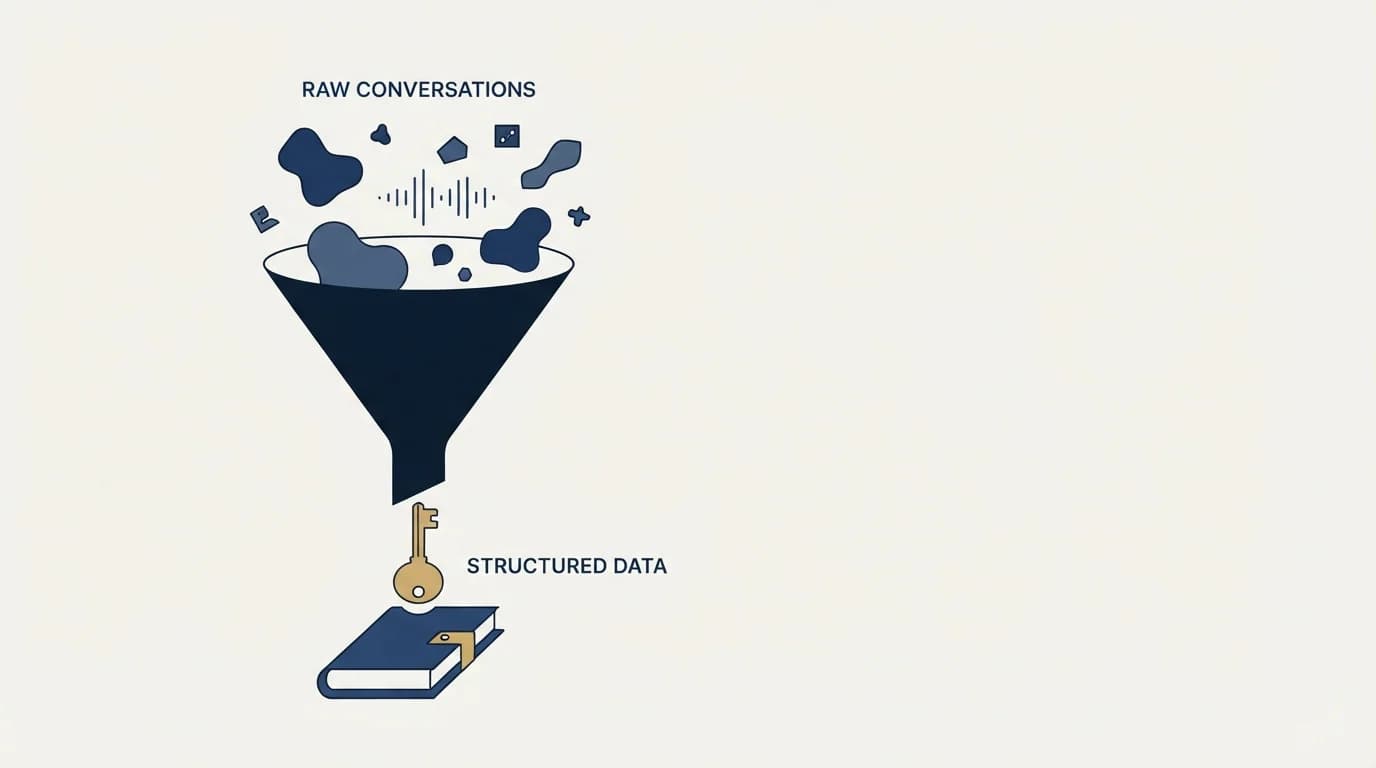
Chorus is a real conversation intelligence product inside a data platform, bought through a sales conversation rather than a published rate card.
Judge it on whether you want your conversations joined to contact data, on what the contract says about retention and export, and on whether the renewal can be separated from everything else you buy from the same vendor. Those three answers will outlast any feature comparison you make today, and none of them appear on a pricing page.
If the constraint you are actually solving is that there are not enough conversations to analyse, RevenueFlow books qualified meetings on a pay-per-meeting basis, with qualification agreed in writing before launch.
Vendor pages verified as of mid-2026. Verify current terms with the vendor before relying on them.
Frequently asked questions.
Frequently asked questions- Is Chorus the same as Chorus.ai?
- It is the same product under new ownership. ZoomInfo announced the acquisition on its own blog under the byline of its CEO and founder, describing Chorus.ai as a leading provider of conversation intelligence solutions. The product continues to trade under the Chorus name, which is why searches for it return a mix of acquisition coverage and current vendor pages.
- How much does Chorus by ZoomInfo cost?
- The vendor's own pricing page publishes a form rather than a price, so no figure appears here. Third-party pages reconstruct numbers in detail, and several of them sell competing products or procurement services, which makes them interested parties rather than sources. Expect a quote shaped by seat count and by whatever else you buy alongside it.
- What should I ask before buying conversation intelligence from a data platform?
- Four things with contractual answers. What is retained from recordings and transcripts and for how long, whether anything derived from your conversations informs any dataset beyond your account, whether you can export recordings and transcripts in a usable format after the contract ends, and whether this renewal is separable from the rest of the agreement.
- Does the platform handle call recording consent for me?
- It provides a mechanism, and a mechanism is not compliance. ZoomInfo's dialer materials reference two-party consent notifications, but nothing in the tool decides whether you configured it for the right territories or what happens on a call that crosses a border. Treat consent configuration as a launch task with a named owner and a written answer.
About the author.

B2B cold email experts helping companies generate qualified leads through done-for-you outreach campaigns.
RevenueFlow Team
Explore more.
Ready to scale your outreach?
We build GTM engines that book real meetings. See the receipts.
Related articles.
Firmographic Data Providers: What Six of Them Publish
Six firmographic data providers read from their own pages: the fields each sells, the coverage each states, how the data is delivered, and who prints a price.
Zeliq Pricing: One Seat Rate and a Credit Meter
Zeliq prices one self-serve seat in dollars with a credit meter that never expires. Both billing states, the three credit rates, the top-up ladder and the Custom floor.
Salesgear Pricing: Two Ladders Under One Plan Title
Salesgear's page is titled as one plan and carries a Data ladder and an Outreach ladder. Both at both billing states, what each meters, and the two vendor-side conflicts.
Bookyourdata Pricing: 25 Packs, Priced Per Contact
Bookyourdata sells credits in twenty-five packs with no subscription. The dated ladder, the per-contact rates rendered in the browser, the guarantee rule and BeSpoke.
Seamless.AI Email Finder: How It Works, What a Credit Buys
How Seamless.AI's email finder resolves a contact in real time, what one Universal Credit buys, the Total AI score on every address, and what the Chrome extension reads.
Social Selling Tools by Job, and the Account-Risk Line
Fourteen social selling tools sorted into six jobs, split by whether each acts through your LinkedIn account or beside it, from the vendors' own pages.