The NEPQ Sales Process: Seven Phases
Connection through presentation, in the order 7th Level publishes them, plus where a sequence built for one decision maker starts to strain in a committee purchase.
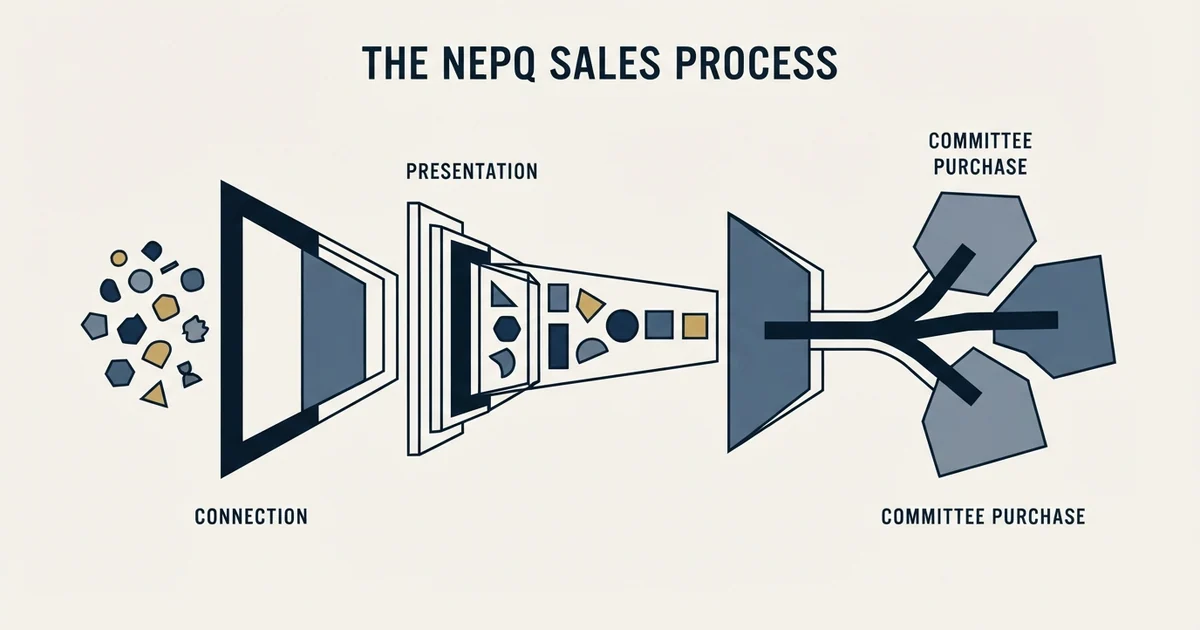
NEPQ, or Neuro Emotional Persuasion Questioning, is a seven-phase questioning sequence attributed to Jeremy Miner and sold as training by 7th Level. The phases run connection, situation, problem awareness, solution awareness, consequence, commitment and presentation, on the premise that seller pressure is what produces buyer resistance.
Key takeaways
- The presentation sits last and the commitment question sits before it, so the buyer states an intention before being shown anything designed to impress them.
- Three of the seven phases map almost directly onto SPIN question classes; the distinctive additions are the explicit opening work and the delivery coaching.
- The sequence assumes one person can answer the questions and approve the spend, which is why the commitment phase weakens in a committee purchase.
- The test that separates diagnosis from pressure is whether the seller would accept a truthful answer that ends the conversation.
Reviewed and updated September 1, 2026
A seller asks what made the prospect take the call, then stops talking. Four seconds pass. The prospect fills the silence with something they had not planned to say, and the rest of the conversation is built on that sentence rather than on the deck. That deliberate pause is the smallest visible piece of NEPQ, and it is the piece most people copy without the seven phases behind it.
NEPQ stands for Neuro Emotional Persuasion Questioning. 7th Level's own methodology page attributes it to Jeremy Miner, the company's founder, and describes the aim as meeting buyers where they are and assisting the buyer in persuading themselves of the sale. It is sold as a training programme rather than published as a book, which shapes how it circulates: most of what a seller encounters is a clip, a script fragment or a tonality drill, detached from the phase order those pieces belong to.
The seven phases, as the method's own materials describe them
7th Level's breakdown of the process names seven phases in order. Taken together they describe one conversation rather than a campaign, and each phase is defined by what the buyer has said rather than by what the seller has covered.
- 1Connection
Lower the guard the buyer arrived with, usually by making the call about them rather than about the seller's company
- 2Situation
Establish the factual shape of how things work today, kept brief
- 3Problem awareness
Move the buyer from a described situation to a named difficulty they own
- 4Solution awareness
Have the buyer describe what a fix would have to do, before anything is proposed
- 5Consequence
Follow the cost of doing nothing, in the buyer's own words
- 6Commitment
Ask what they want to do about it, and let them say it first
- 7Presentation
Show only the part of the offer that answers what they described
Two things are worth noticing about that order. The presentation is last, which is unusual only in that most sales conversations put it third. And the commitment phase precedes it, meaning the buyer is asked to state an intention before the seller has shown them anything to be impressed by. Both choices follow from the same premise: a decision the buyer articulated is more durable than one they were argued into.
The argument underneath the acronym
The claim NEPQ rests on is that resistance in a sales conversation is generated by the seller. A buyer who is being persuaded pushes back because being persuaded is uncomfortable, and the standard defences against that pushback, more enthusiasm, more proof, more urgency, produce more of it. The method's proposed alternative is to spend the conversation asking questions whose answers do the persuading, so there is nothing to push against.
That is a real observation and it is not original to NEPQ. It is the same premise Neil Rackham's work rests on, and the SPIN question order arranges four question classes around it in a very similar order: facts, then difficulties, then consequences, then the buyer articulating value. Set the two side by side and NEPQ's situation, problem awareness and consequence phases map almost exactly onto Situation, Problem and Implication questions.
Where NEPQ adds something is at the two ends. It puts explicit work into the opening, on the grounds that a buyer's guard is highest in the first thirty seconds and every later question is answered through it. And it puts explicit work into delivery: pace, downward inflection, the pause after a question. Those are performance instructions, and no questioning framework built from a book carries them.
Where it adds risk is the same place. Tonality coaching is the part that transfers worst through a clip, and a seller who has learned the vocal pattern without the phases behind it produces a conversation that sounds studied. Buyers who have heard the pattern before recognise it, and a recognised technique is a worse position than no technique at all.
The selling context it was built for
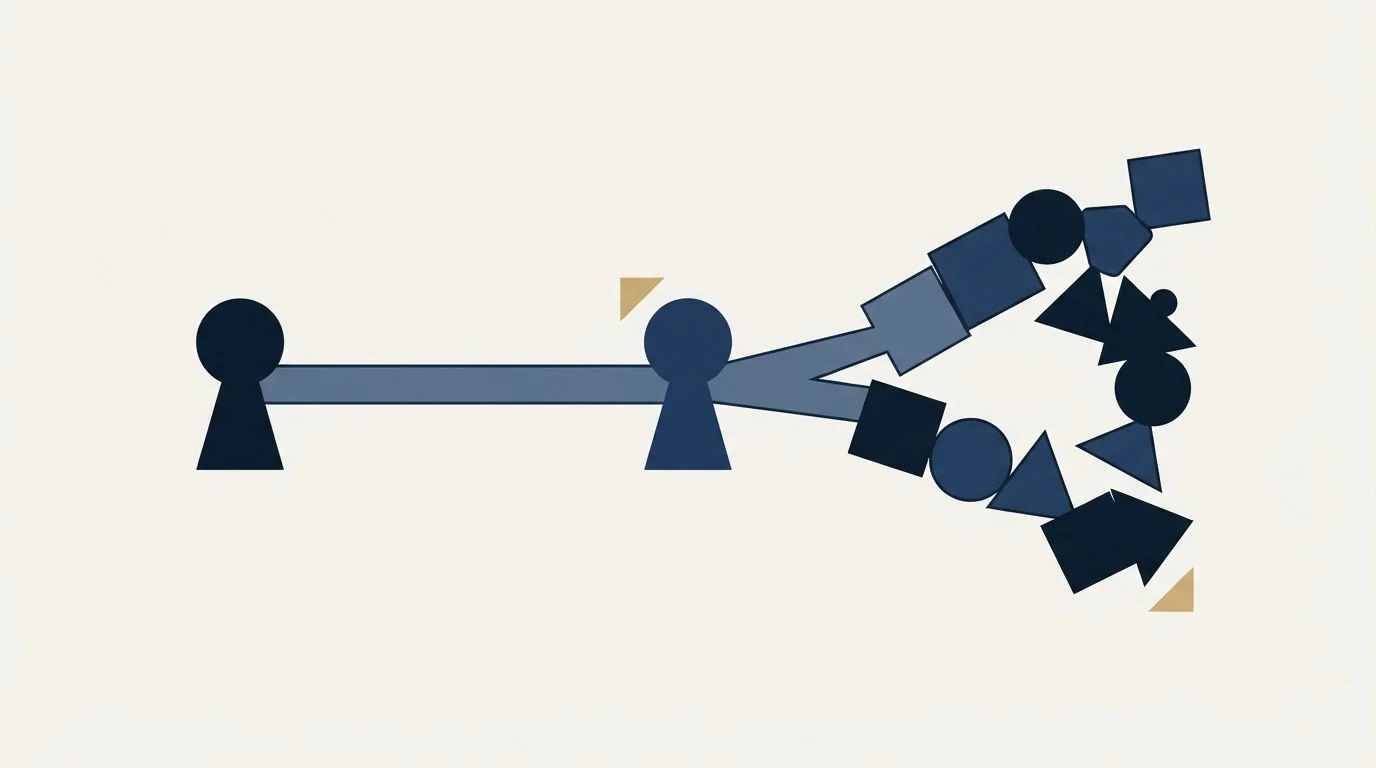
The method's centre of gravity is high-ticket, one-call or two-call selling, frequently to an owner or an individual buying for themselves. Its public proof and much of its audience sit in that world: home services, coaching, insurance, agency retainers, door-to-door. In that context the seven phases describe a complete sale, because the person answering the questions is also the person who signs.
Move the same seven phases into a committee purchase and the phases stop describing the deal.
- The person answering the questions can also approve the spend
- Consequence is felt personally, so the buyer supplies the cost themselves
- Commitment in the call is commitment in fact
- The conversation can close, so a presentation at the end is the right place for it
- The person answering may be neither the budget holder nor the eventual signer
- Consequence has to be re-established with people who were not in the room
- Commitment means agreeing a next step, which several people can quietly veto
- The presentation is often given by your champion when you are not there
None of that makes the questioning worse. It makes the last two phases weaker than they look, because commitment obtained from one participant in a buying committee is a starting position rather than a decision. The practical repair is to treat the commitment phase as the moment to map the rest of the decision rather than the moment to close, which is exactly the check MEDDIC adds and NEPQ does not.
Unlike a single buyer's stated intention, Miller Heiman's Blue Sheet forces sellers to map every stakeholder's gain and unresolved risk before calling an opportunity won.
The other honest caveat concerns pressure. A method whose stated aim is to have the buyer persuade themselves is one step away from a method that manufactures a consequence the buyer never felt. The difference between diagnosis and manipulation is whether the seller would accept a truthful answer that ends the conversation. A consequence question asked by someone willing to hear that nothing much happens if the buyer does nothing is diagnostic. The same question asked by someone who has decided in advance what the answer must be is a script, and experienced buyers read it in one exchange. Structuring a discovery call so that disqualifying is a real outcome is the discipline that keeps the distinction honest.
What it says about objections, and what that is worth
NEPQ's treatment of objections is the part that transfers most cleanly. The position is that most objections are produced earlier in the conversation than the point where they surface, so the productive response is to find which phase did not complete rather than to answer the words.
A price objection after a presentation usually means the consequence phase produced nothing the price could be measured against. A think-about-it usually means the commitment phase was skipped or was answered by the seller. A request to send some materials over usually means the connection phase never happened and the buyer has been polite for twenty minutes.
That diagnosis is more useful than any rebuttal library, and it survives translation into B2B without modification. Which objection responses are worth keeping on the phone works through the same taxonomy in the place objections are most concentrated.
It also changes what a sales manager does in a review. The standard version of that conversation examines the words used at the moment the deal stalled and proposes better ones. The version this method implies goes backwards through the phases until it finds the one with no buyer evidence behind it, and treats everything after that point as a symptom. Managers who make that switch tend to stop asking why a rep lost the argument and start asking what the buyer said the problem cost them, which is a question with an auditable answer or a conspicuous silence.
The limit is that the diagnosis is only as good as the record. Phases three and five leave no trace unless somebody wrote down what the buyer actually said, and a CRM full of seller summaries cannot support this kind of review at all. That is the same constraint every framework on this list runs into, and it is a note-taking problem rather than a technique problem.
Using the phases without the theatre
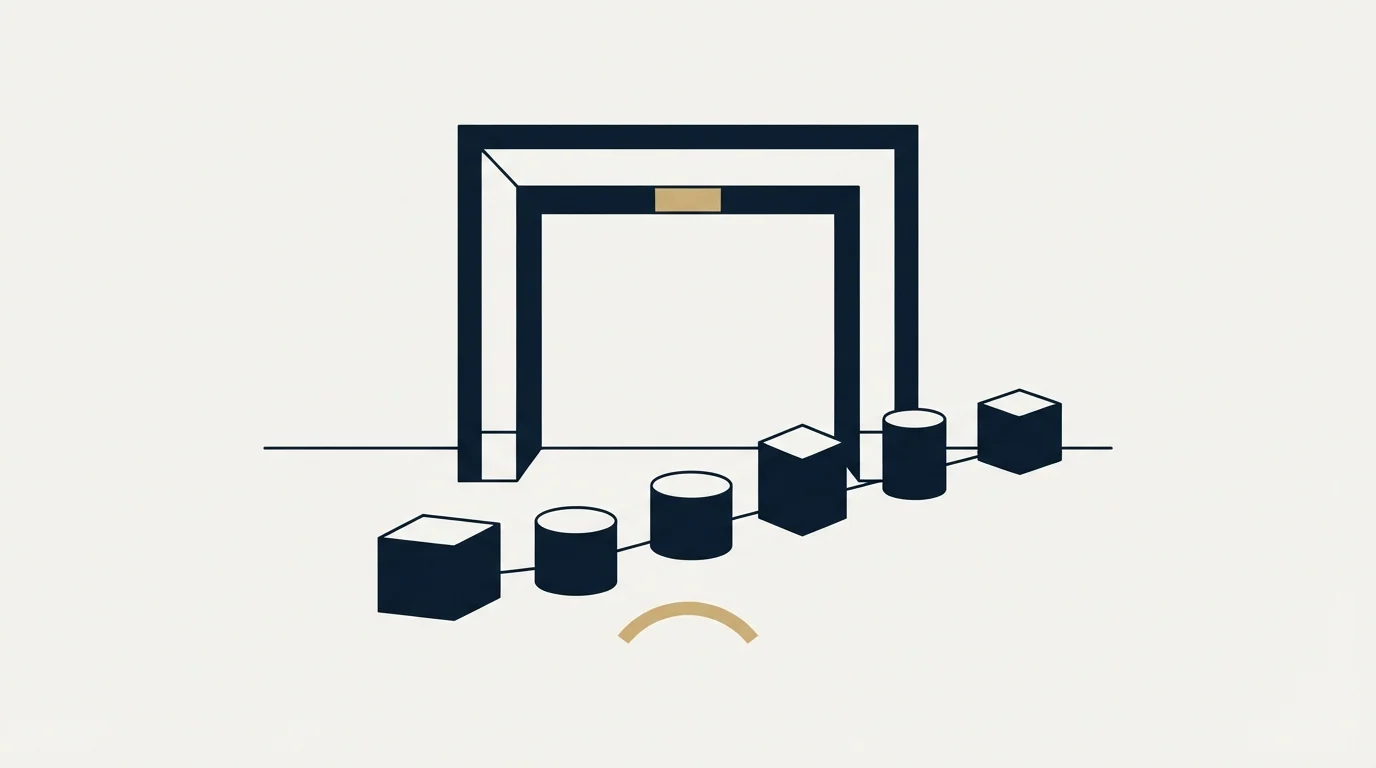
- Yes: Every situation question has an answer that cannot be looked up in advance
- Yes: At least one consequence question is specific to this company rather than generic
- Yes: There is an answer the buyer could give that would end the conversation honestly
- Yes: The commitment question asks what they want to do, rather than proposing what they should
- Yes: The plan survives the buyer answering the phases out of order
- Depends: The pauses are there because the buyer is thinking, rather than because the drill says so
- No: The phases are read as a script, walked in tidy blocks
The last item is the failure mode common to every named questioning method. The phases describe dependencies rather than a running order. A buyer who opens by naming their problem has completed phase three in the first sentence, and returning to situation questions to keep the order intact spends their patience on nothing.
The most valuable single habit, and this is true across all of these frameworks, is recording the buyer's own words rather than a summary of them. A quote can be re-read later by someone who was not on the call. A paraphrase cannot be checked at all, which is how a seller's optimism ends up stored as qualification data.
What the method does not cover
The seven phases begin with two people already talking. Nothing in the seven phases addresses how that conversation came to exist, which is easy to overlook precisely because the framework is thorough about everything after the opening.
That gap matters more than it sounds, because the quality of a questioning method is wasted on a meeting with the wrong person. What a booked meeting actually costs is the arithmetic that decides how much a well-run conversation is worth in the first place.
Read alongside its neighbours rather than as a replacement for them. Winning by Design's SPICED framing covers the same conversation with a different emphasis, and the Challenger argument claims the insight a seller brings matters more than the questions they ask. Each describes one part of a conversation none of them creates.
Where we differ from standard practice
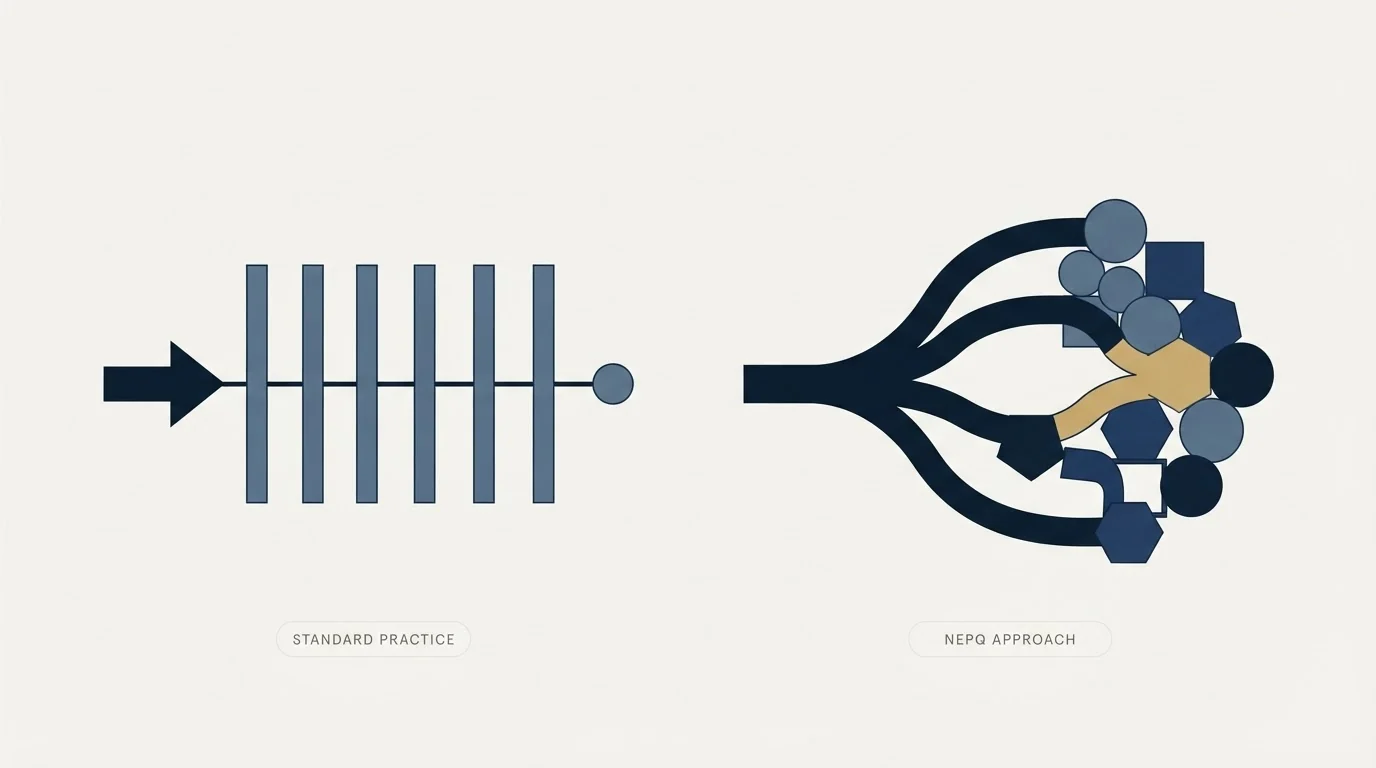
Since this page sits on our site, the divergence upstream of the call is worth stating. Standard practice attaches a contact cadence to the prospecting step: a sequence of messages to each prospect over several weeks, with later ones landing in the same thread. We run one message per campaign, with no bumps and no thread replies, and where an audience does not respond we build a new campaign with a genuinely different premise rather than a reminder of the one they already declined. The reasoning is mechanical: a follow-up reaches the population that already saw the message and chose not to answer, which is the population most likely to complain, and the reputation cost lands on the sending domain across everything else it sends. Meetings we are paid for are qualified against criteria agreed in writing before launch rather than against how a call felt, which is the same instrument this page recommends inside the conversation. The cost we accept is reaching each contact less often, and the full trade is in why we stopped using follow-ups.
The short version
NEPQ is a seven-phase questioning method, developed by Jeremy Miner and sold by 7th Level as training, whose phases run connection, situation, problem awareness, solution awareness, consequence, commitment and presentation. Its core premise, that seller pressure produces buyer resistance, is sound and shared with SPIN, and its distinctive contributions are the explicit opening work and the delivery coaching.
Use the phases as a set of dependencies rather than a script, treat the commitment phase as the moment to map the rest of the decision rather than to close, and check that a truthful answer could still end the call. Where the constraint is the supply of conversations rather than the conduct inside them, that is the half we run: see what a first campaign produces.
Frequently asked questions.
Frequently asked questions- What does NEPQ stand for?
- Neuro Emotional Persuasion Questioning. 7th Level's own methodology page attributes the method to Jeremy Miner, the company founder, and describes the goal as meeting buyers where they are so that the buyer persuades themselves. It is distributed as training rather than as a book, which is why most sellers meet it as clips and script fragments.
- What are the phases of the NEPQ sales process?
- Seven, in the order 7th Level publishes on its own step-by-step breakdown: connection, situation, problem awareness, solution awareness, consequence, commitment and presentation. Each is defined by what the buyer has said rather than by what the seller has covered, and they describe dependencies inside one conversation rather than a running order to walk through.
- How is NEPQ different from SPIN selling?
- The middle overlaps almost exactly: situation, problem awareness and consequence do the same work as Situation, Problem and Implication questions. NEPQ adds explicit attention to the opening seconds and to delivery, meaning pace, inflection and the pause after a question, which no framework taken from a book carries.
- Does NEPQ work for B2B deals with several stakeholders?
- The questioning does. The last two phases weaken, because commitment obtained from one participant in a buying committee is a starting position rather than a decision, and the eventual presentation is often delivered by your champion when you are not in the room. Treat commitment as the moment to map the rest of the decision.
About the author.

Ben Carden is CRO at RevenueFlow, which builds and operates outbound revenue engines for B2B companies. Previously at Gartner Enterprise. Studied at London School of Economics.
Ben Carden · CRO
Connect on LinkedIn →Explore more.
Ready to scale your outreach?
We build GTM engines that book real meetings. See the receipts.
Related articles.
Solution Selling: The Generic Term and the Licensed Method
One name covers a generic problem-led posture and a specific licensed methodology. The lineage, the three moves that matter, and the assumption that aged badly.
Sales Call Planning: The Plan a Booked Call Needs
A call cannot produce a commitment nobody named in advance. The four fields a call plan carries, and why the ask has to be decided before the meeting opens.
The Sandler Selling System: Seven Steps, One Worth Stealing
Sandler puts the presentation sixth of seven, after budget and the decision process. The seven published steps, and the up-front contract worth taking on its own.
CHAMP: Qualification That Starts With the Problem
CHAMP is BANT with the letters moved, and the order is the argument. What each of the four checks should produce, and which one predicts a deal ending in nothing.
The Customer-Centric Sales Process: The Edit That Matters
Renaming the pitch achieves nothing. Writing every step as buyer evidence changes the forecast within a quarter, and three other things nobody warns you about.
The Consultative Sales Process: What Diagnosis Costs
Diagnosis before prescription is easy to say and expensive to run. What the approach actually requires, and why proposal volume falls before close rate rises.