Sales Closing Techniques: What Each One Assumes
Eight named closes, and the condition each needs to work. Every technique in the canon assumes a buyer who can say yes alone, which in B2B is the assumption that fails.
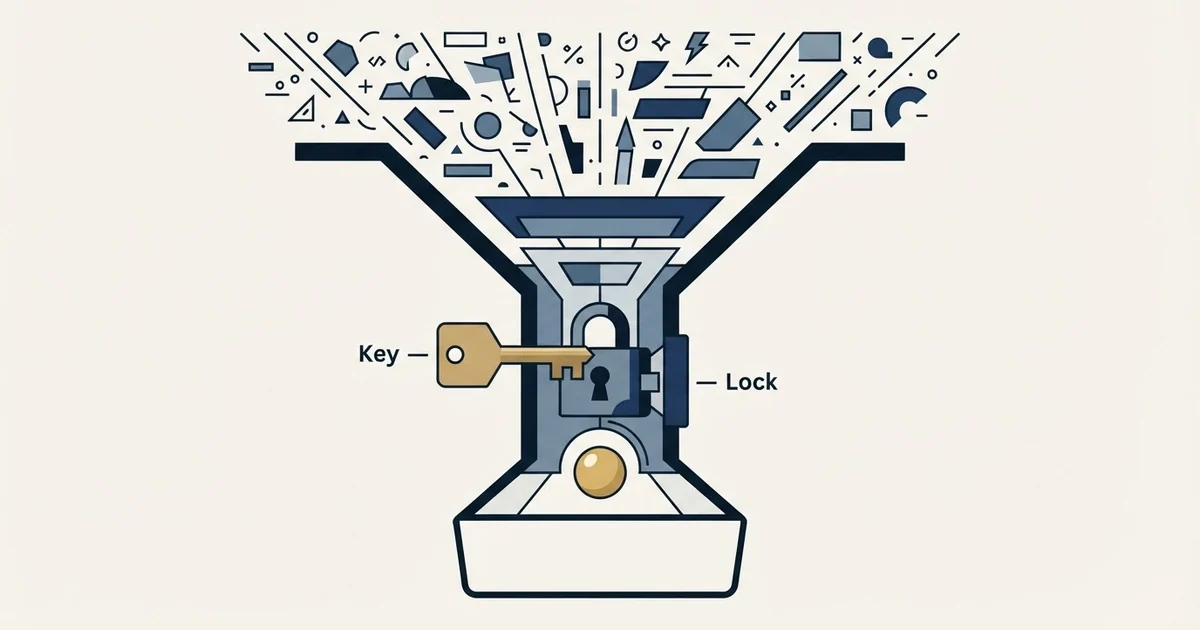
Sales closing techniques are ways to make a decision easier to say out loud. The summary close and the trial close are the two worth using constantly, because both are forms of accuracy. Every named close assumes a buyer who can act alone, so in B2B the close is usually decided upstream of the closing conversation.
Key takeaways
- Name the friction rather than the close. Assumptive and alternative-choice closes remove awkwardness, summary and trial closes remove ambiguity, and urgency and takeaway closes remove inertia. Each needs a different condition to be true.
- The trial close is the one worth running habitually, because its whole purpose is to surface disagreement early enough to act on, which means the answer at the end surprises nobody.
- Every technique in the canon assumes one person can say yes. In most B2B purchases the buyer you are closing is the person who then has to sell it internally, so a good close hands them an argument they can reproduce without you.
- Always be closing is a line written for the 1992 Glengarry Glen Ross film rather than for the stage play, and the speech exists in the story to explain why decent salespeople start stealing.
Reviewed and updated September 2, 2026
A rep runs a clean assumptive close at the end of a good second call. "I'll get the paperwork over this afternoon and we can have you live by the first." The buyer says she will need to run it past her operations lead and probably legal. That is not an objection, and no closing technique in the canon has anything to say about it, because every technique in the canon was designed for a person who could say yes in the room.
Closing techniques are worth knowing. They are a compact library of ways to make a decision easier to say out loud, and several of them are genuinely useful. What they are not is the thing that decides a B2B close, and the reason is visible in what each one quietly assumes.
The techniques, and what each one assumes
Every named close in the standard lists is a small piece of social engineering aimed at a specific friction. Naming the friction is more useful than naming the close.
Judging whether any of them work runs into a counting problem, because the closing ratio denominator often starts at a quote or a conversation rather than at an opportunity.
The assumptive close. You describe the next steps as agreed rather than asking whether they are. "I'll send the order form over and we'll start onboarding Tuesday." It removes the awkwardness of a yes having to be said explicitly, and it works when the decision is genuinely made and nobody wants a ceremony. It assumes one person can act.
The summary close. You restate what the buyer said they needed, then what was agreed the product does about each of those things, then ask. It is the least manipulative of the set and the one most likely to survive scrutiny afterwards, because it is really just accurate note-taking read back. It assumes the needs were captured correctly in the first place, which is a discovery problem rather than a closing one.
The trial close, or test close. A question asked mid-conversation to find out where you actually are, before you get to the end. "If we could get the migration done inside the quarter, is there anything else that would stop this going ahead?" Its whole value is that it surfaces disagreement early enough to do something about it, and it is the technique most worth using habitually.
The alternative choice close. Two options, neither of them no. "Would you rather start with the two-team pilot or the whole department?" It works on scheduling and on genuinely comparable configurations. It reads as a trick on the decision itself, because it is one, and buyers who have been sold to before recognise it.
The urgency close. A reason to decide now: a price change, an implementation slot, a quarter boundary. Honest urgency is real and worth stating plainly. Manufactured urgency is the fastest way to lose a deal you were going to win, and the tell is that the deadline moves when the buyer does not.
The takeaway close. You remove something, usually by suggesting the buyer might be better served by the smaller package or by nothing at all. It works because it breaks the pattern where the seller wants the deal more than the buyer does. Used cynically it is a bluff, and it is called more often than sellers expect.
The test-drive close. Let them use it. A trial, a pilot, a sandbox. This is the only close on the list that substitutes evidence for persuasion, and in software it has quietly eaten most of the others. The design question underneath it, which is what you give away and how the giveaway creates an obligation rather than a habit, is worked through in try before you buy.
The balance-sheet close. Write the reasons for and against in two columns and work through them together. It is slow, it suits analytical buyers, and it has the unusual property of sometimes correctly telling both parties that the answer is no. Most lists give it a famous name, and the name is decoration; the mechanic is the part that does the work.
- The buyer has decided and does not want a ceremony
- Needs one person who can act alone
- Reads as a trick when the decision is not really made
- Restates or tests what was actually agreed
- Needs discovery to have captured the right things
- Safe to use habitually, and cheap when it fails
- Gives the decision a reason to happen now
- Needs the reason to be true
- A deadline that moves teaches the buyer to wait
The assumption they share
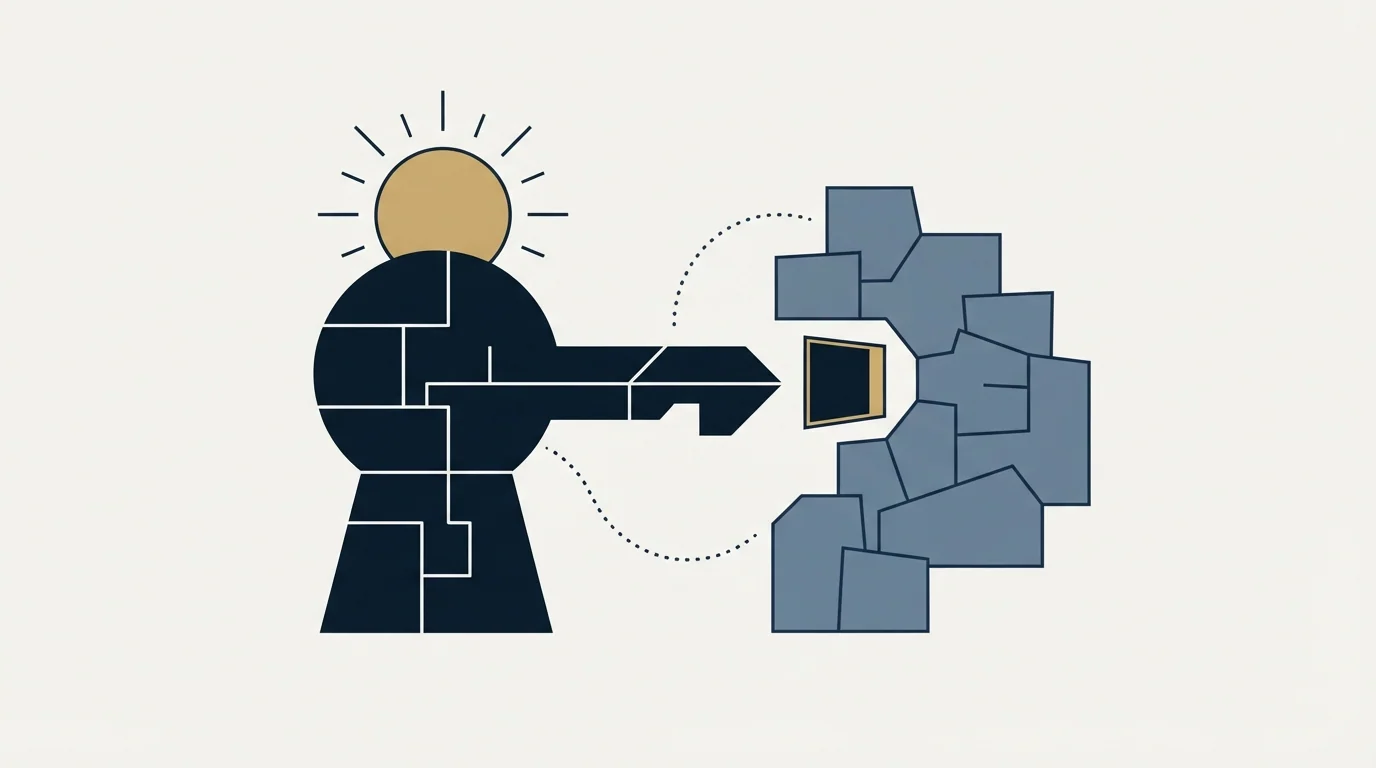
Read the list again and one condition appears under all of it: someone in the conversation can say yes.
In a small purchase that is usually true. In most B2B software and services purchases above a few thousand a year it is not, and the number of people who have to agree grows with the price, the length of the commitment and the amount of other people's work the change creates. The person you are closing is frequently the person who will have to go and sell it internally, which is a different job requiring different material.
That reframes what a good close is for. It is not extracting a yes from the buyer. It is making sure the buyer leaves the call able to reproduce your argument to somebody who was not on it. A summary close does that well because it hands them the argument in their own words. An alternative-choice close does not, because it produces a decision without a reason attached.
The frameworks that exist to track this are qualification frameworks rather than closing ones. MEDDIC and MEDDPICC are largely a list of the things that decide a close and are established long before the closing conversation: who the economic buyer is, what the paper process looks like, whether there is an internal champion who can carry it. A deal that fails on those does not fail at the close, it fails at the close visibly.
Where deals are actually decided
Three things predict a B2B close better than closing skill, and all three sit upstream.
Whether the meeting should have happened. A meeting booked with somebody who does not own the problem cannot be closed by any technique, and the effort spent trying is the most expensive thing a sales team does with its week. The test is applied at booking rather than at closing, and the practice of running the first call so that it disqualifies well is set out in the discovery call.
Deciding whether a booked meeting was worth having often comes down to spotting the prospect who passes every filter yet never buys, which the tire kicker problem explains in full.
Whether the objections were surfaced or deferred. Objections that arrive at the close were usually available much earlier and were not asked for. A rep who runs trial closes throughout a cycle rarely meets a surprise at the end. The library of standard answers, and the harder question of which ones earn their place, is in objection handlers.
Whether anything is actually moving. Most deals that do not close were never moving, and the stage they are parked in flatters them because stage boundaries are rarely enforced. That diagnosis, and what to do about a pipeline full of them, is in pipeline acceleration.
- Yes: The person on the call owns the problem the product solves
- Yes: You can name everyone else who has to agree
- Yes: The buyer can restate your argument without you in the room
- Yes: Every objection you know about has been said out loud
- Depends: The purchase has a real internal process and you know its shape
- Depends: Any urgency in play is true and survives being questioned
- Depends: Nothing has changed in the account since the first conversation
The origin of the phrase everyone quotes
The canon's most famous instruction is "always be closing", and it is worth knowing where it came from.
It is not from a sales textbook. It is a speech written for the 1992 film of Glengarry Glen Ross, delivered by Alec Baldwin's character Blake, and it does not appear in the David Mamet stage play that won the Pulitzer Prize. Mamet wrote the scene for the screen. Collider's account of Baldwin's recollection, published in Vanity Fair, has Mamet explaining that he needed something to ratchet up the pressure on the salesmen, because they were not people otherwise inclined to commit a crime.
The speech exists to explain why decent men start stealing. Taking it as a maxim is reading the villain's lines as the moral.
The practical version of the same instinct, stripped of the cruelty, is the trial close: keep asking where you are, so that the answer at the end is not a surprise to either party.
What closing looks like where we sit
RevenueFlow does not close deals for clients. We run cold email and LinkedIn outbound and book meetings, and the client's own people take the conversation from there, so what follows is our documented policy about the boundary rather than a claim about anyone's close rate.
The boundary matters for a specific reason. Meetings are the billable unit, and what counts as qualified is agreed in writing before anything sends: the company fits the profile, the person has real responsibility for the area, they agreed to a relevant conversation, and they turned up. Budget, timing and decision authority are never billing conditions, because all three are unknowable from outside and unstable from inside, and a standard that requires them rejects the accounts most worth talking to. That reasoning is set out at length in qualified lead marketing.
The consequence for closing is that the first meeting is designed to be a real conversation with a relevant person, and no more than that. What a technique cannot do is convert a conversation with the wrong person into a deal, so the honest place to spend effort is on who is in the room.
The short version

Closing techniques are a library of ways to make a decision easier to say. The summary close and the trial close are the two worth using constantly, because both are really forms of accuracy. The urgency close works exactly as long as the urgency is true. Every technique in the canon assumes a buyer who can act alone, which in B2B is usually the assumption that fails.
The deal is decided by whether the right person was in the first meeting, whether the objections came out early, and whether the buyer can carry your argument into a room you are not in. If the first of those three is the constraint, we will build one campaign against your list and you can judge the meetings.
The Glengarry Glen Ross attribution above is per Collider's report of Alec Baldwin's account in Vanity Fair, read 22 August 2026.
Frequently asked questions.
Frequently asked questions- Which closing technique works best in B2B?
- The summary close, because it is really accurate note-taking read back. You restate what the buyer said they needed, what was agreed the product does about each item, and then ask. It survives scrutiny after the call and it hands the buyer the argument in their own words, which matters when they have to repeat it to people who were not there.
- What is a trial close?
- A question asked in the middle of a conversation to find out where you actually stand, rather than waiting until the end. Something like asking whether anything else would stop this going ahead if the timeline worked. Its value is that it surfaces objections while there is still time to do something about them, which is why it is the one technique worth using habitually.
- Why do closing techniques fail on larger deals?
- Because they all assume someone in the conversation can say yes alone. The number of people who have to agree grows with price, contract length and how much other people's work the change creates. The person being closed is often the one who then has to sell it internally, and a technique that produces a decision without a reason attached gives them nothing to carry.
- Does a deal fail at the close or before it?
- Almost always before. Three things predict the outcome better than closing skill: whether the first meeting was with someone who owns the problem, whether objections were surfaced early rather than deferred, and whether the deal was ever genuinely moving. A deal that fails on any of those does not fail at the close, it fails at the close visibly.
About the author.

B2B cold email experts helping companies generate qualified leads through done-for-you outreach campaigns.
RevenueFlow Team
Explore more.
Ready to scale your outreach?
We build GTM engines that book real meetings. See the receipts.
Related articles.
Win Rate Benchmarks: Which Figures State a Population
A catalogue of the published average sales win rates, sorted by whether the page names the population behind its own number. Most do not.
Sales Enablement Charters: What the Published Ones Ask For
Six publishers set out what a sales enablement charter should contain. Five describe a document nobody can check, and one writes a definition with inspection in it.
Sales Kickoff Agendas: Five Published, Session by Session
Five publishers print a sales kickoff agenda. They agree on four blocks and disagree on session length, rehearsal and where the agenda comes from.
Sales Cycle Length Benchmarks: What Each Figure Counts
The published B2B sales cycle benchmarks, sorted by what each page says it counted. The same number means two different things in two of them.
Sales Comp Plan Design: What the Publishers Prescribe
Four publishers set out how to design a sales compensation plan. Here are their procedures, their components, and which of their ratios carry a population.
LinkedIn Outreach for Banks: A Regulated Message
How a bank's relationship managers use LinkedIn to reach business owners: what the FFIEC guidance, FINRA's notices and LinkedIn's own rules require, and where to stop.