Cold Calling Business Owners: One Person, All Three Roles
An owner can say yes on a first call in a way no corporate buyer can, and end it in eight seconds for the same reason. Both follow from one structure.
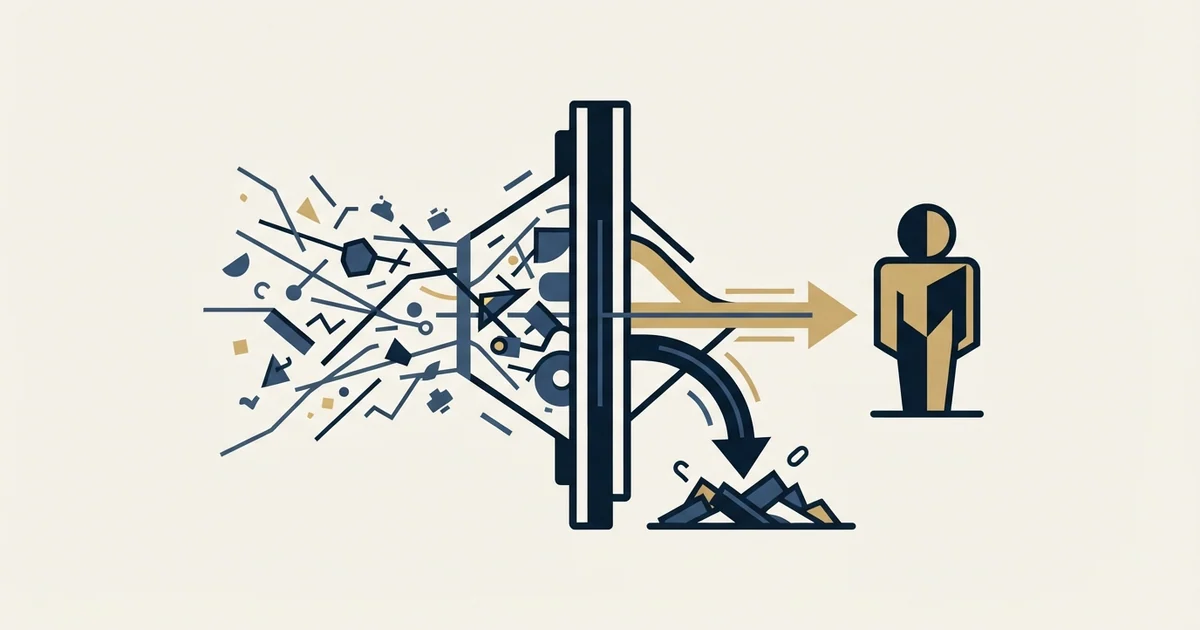
In an owner-led business, budget, need and authority sit with one person, so decisions and rejections both arrive on the first call. Drop approval-process questions, size the ask against operating time rather than calendar time, and expect the published number to be a shorter path than any corporate contact route.
Key takeaways
- Standard first-call qualification about approval processes and stakeholder maps is wasted on an owner, and it signals you have not worked out what kind of company you called.
- A meeting costs an owner an hour of operations rather than an hour of calendar, so the ask has to be sized and framed against that and stated plainly.
- The person who answers at a small business is rarely a trained screener, so gatekeeper technique reads as evasive; being legible in the first sentence works better.
- This audience is numerous and individually small, the least favourable shape for a channel costing a person's attention per attempt, so calling it requires deliberate selection rather than coverage.
Reviewed and updated September 2, 2026
An owner can say yes on a first phone call. Not "send me something" or "let me loop in procurement", but an actual decision, made by the person who will pay for it, in the four minutes you have their attention. Nobody in a corporate buying committee can do that.
The same person can also end the call in eight seconds with no cost to themselves, no internal process obliging them to be polite, and no interest in a follow-up they did not ask for. Owner-led businesses are the fastest audience to sell to and the least forgiving to interrupt, and both facts have the same cause.
A related limitation worth flagging: before comparing that eight-second rejection to any benchmark, see why reported cold calling success rates disagree so sharply depending on what each one divides by.
One person holds all three things
In a company of any size, the budget, the need and the authority to act are distributed across different people, which is why enterprise selling is largely the work of assembling them. In an owner-led business they are one person, and almost everything else about calling that audience follows from the collapse.
Owner-led buying removes those handoffs entirely, which is why the delay between marketing, sales and success is the part that cross-functional framing genuinely names.
- Budget, need and authority sit with different people
- Qualification is largely about mapping the group
- A polite non-answer costs the buyer nothing
- Process gives you time and gives them cover
- A meeting is a low-commitment next step
- One person holds all three
- Qualification is about the problem, not the org chart
- Rejection arrives immediately and plainly
- Nothing obliges them to continue the call
- A meeting costs them operating time they do not have
The practical consequence for qualification is that most of the standard first-call questions become pointless. Asking who else is involved in a decision, or what the approval process looks like, is asking someone about a process they do not have. It signals that you have not worked out what kind of company you called, which is the fastest way to lose an owner's attention.
What replaces it is a smaller set of questions about the problem itself: whether it is happening, roughly what it costs them, and whether it is currently anybody's job to fix. The third one is the useful one, because in a small company the answer is usually the owner's own time, and that is a cost they feel directly.
Their time is the scarce thing, and a meeting spends it
A director at a large company attends meetings for a living. An hour of their calendar is a normal unit of currency, and agreeing to one costs them very little.
An owner-operator is running the business during the hours you want. Every meeting is an hour taken from something that will not happen otherwise. This changes what you should be asking for and how you should frame it. A thirty-minute call has to be worth thirty minutes of their operations, and saying so directly works better than the softening language that works on a corporate calendar.
Since the right pitch depends on what the person on the other end is actually being asked for, the same logic shapes the two different calls recruiters make.
It also changes when to call. The office-hours convention is built around people whose job is to be at a desk. Owner-led businesses have operating rhythms instead: quiet hours before opening, after closing, mid-afternoon, or the specific day of the week their trade is slow. That rhythm is a property of their industry and it is learnable, usually in one conversation with anyone who has worked in it.
Restaurants are the clearest case, with two short windows between services, and cold calling scripts for restaurants are built around them.
Reaching them is a different problem than reaching a corporate buyer
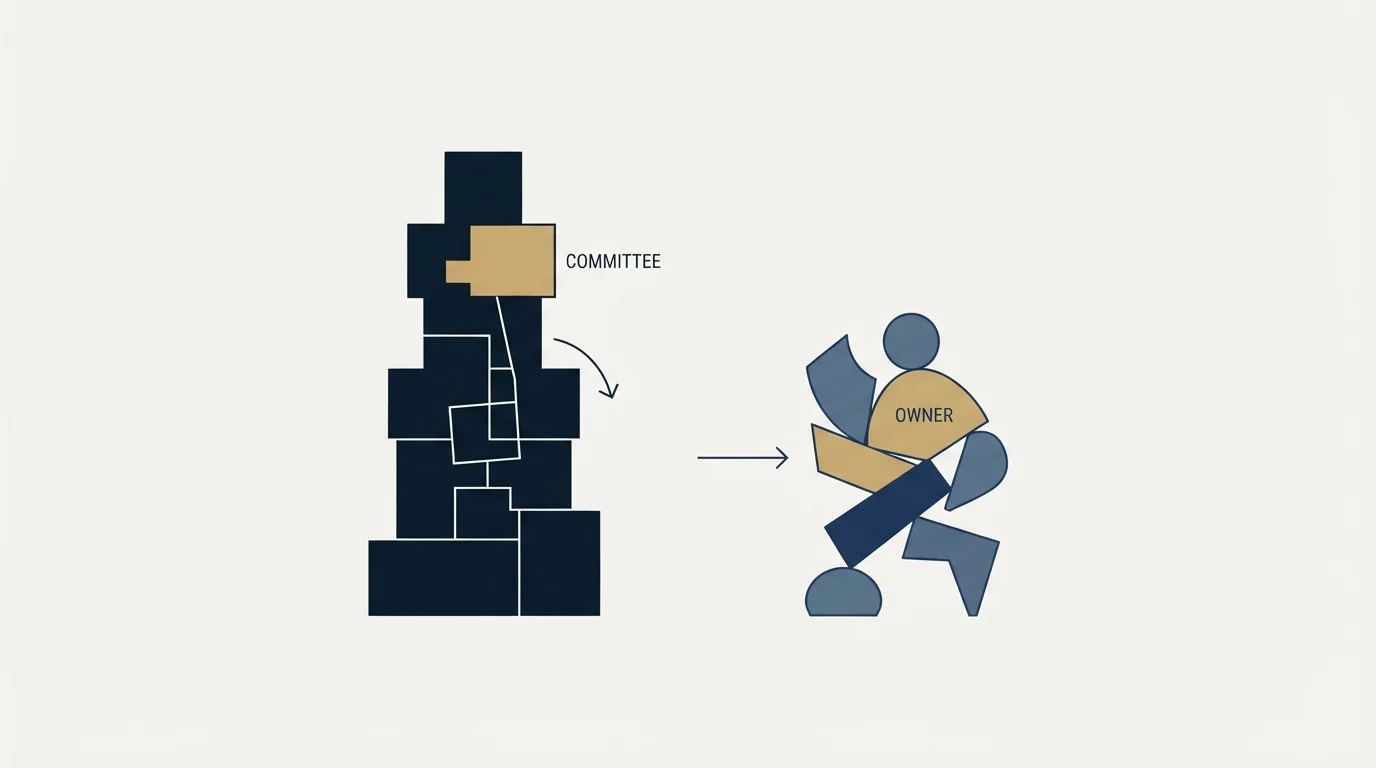
Corporate contact data is a solved commercial problem with an industry behind it. Owner-led businesses are a much harder target for the same tooling, and they are easier to reach in a way the tooling does not model.
The published number on the website is frequently the number that reaches the decision-maker, either directly or through one other person. There is no switchboard tree, no executive assistant screening, and no directory of direct dials to buy. What stands between you and the owner is usually whoever happens to answer, and that person's instructions are rarely "screen out sellers", because at that size nobody has thought to give them any.
The same structure holds on the written side and it is worth understanding if you are running email into this audience. A generic address on a small company's site is frequently read by the owner, their partner, or the one person who does the admin and walks things over. At corporate scale that address is a triaged black hole. At owner-operator scale it is often the shortest path in the building. That difference is a property of company size rather than of the address format, and treating the two cases the same way is a common and expensive mistake in both directions.
- Yes: You know the operating rhythm of the trade, not just office hours
- Yes: Your first-call questions are about the problem, not the approval process
- Yes: The ask is sized against their operating time, and says so
- Depends: You have priced whether this deal size justifies a person's hour
- No: Discovery choreography designed for enterprise has been removed
The gatekeeper who is not a gatekeeper
Selling literature has a whole genre about getting past gatekeepers, and almost all of it is written about executive assistants: people whose job description includes protecting a calendar, who have been given criteria, and who are professionally skilled at ending calls.
For the professional screener that genre describes, how to get past the gatekeeper sorts who is answering by company size and sets out the routes and scripts for each.
The person answering the phone at an owner-led business is usually not that. They are an office manager, a receptionist with three other jobs, a family member, or whoever was nearest. They have no brief about sellers, no criteria to apply, and often no clear sense of whether the owner would want this call or not. That makes the standard gatekeeper tactics both unnecessary and counterproductive: technique aimed at a professional screener reads as evasive to someone who was simply answering a phone.
What works instead is being straightforwardly legible. Say who you are, say plainly why you are calling, and ask whether the owner is the right person and whether now is a reasonable time. The failure mode here is not being screened out. It is being taken as one more anonymous sales call in a week of them, which is a judgement made on tone in the first sentence and is very hard to recover from.
One profession adds rules of its own to that first sentence, and cold calling for accounting firms sets out what a practice may say, who answers, and the weeks in which an owner will talk.
There is a related asymmetry worth planning for. In a business this size, the person who answers frequently knows the answer to your qualifying question. Whether the problem you named is actually happening, whether anyone has looked at it, whether they use the thing you replace. A short polite exchange with whoever picked up is often better research than anything you could have bought, and it costs nothing beyond the call you were already making.
The arithmetic problem this audience creates
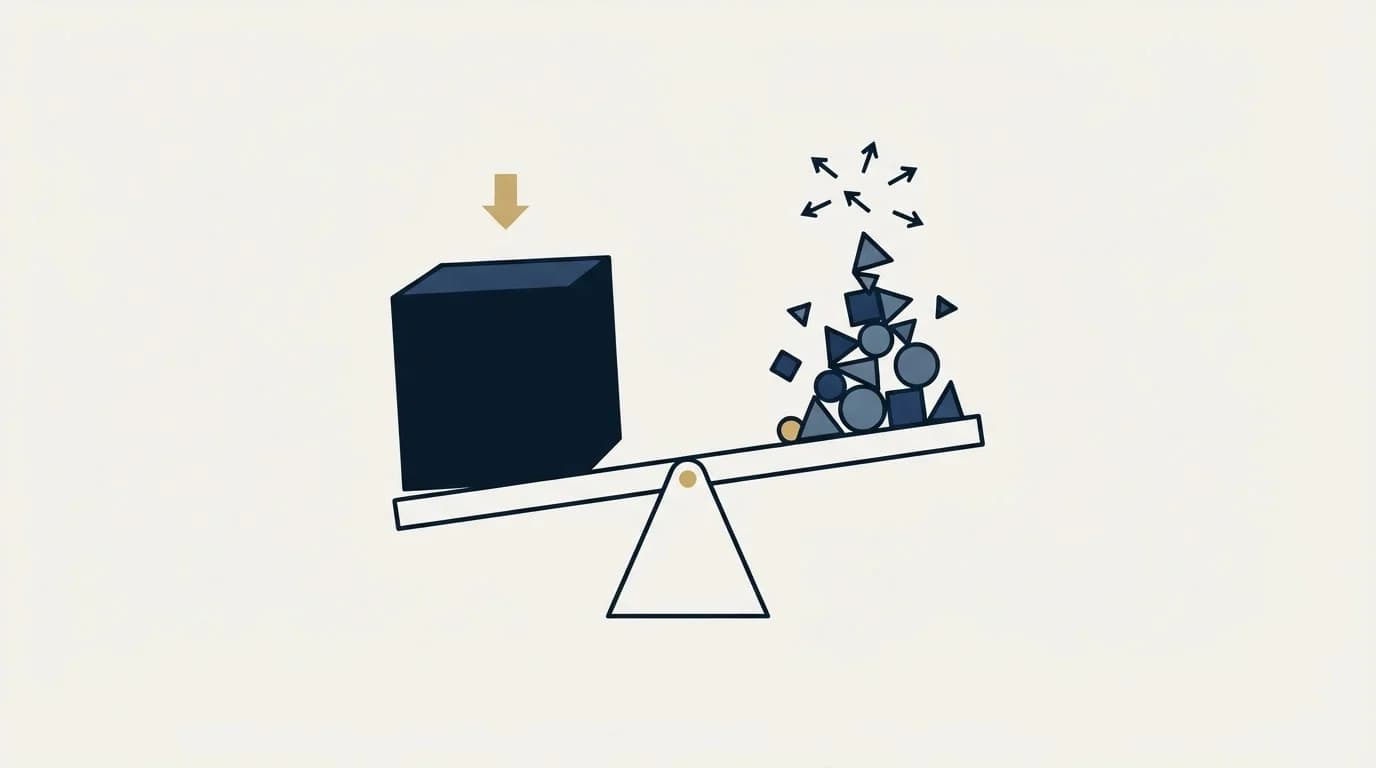
Owner-led businesses are numerous and individually small, which is the least favourable shape for a channel that costs a person's attention per attempt.
There are a great many of them, so the addressable set is large. Each one is worth relatively little, so the hour a call costs is harder to justify. A calling motion into this audience therefore runs into the coverage ceiling immediately: you can reach a few hundred a week, there are tens of thousands, and the value of any single one does not absorb the cost of the attempt very comfortably.
That does not make calling wrong here. It makes it a deliberate choice for a selected subset, for the same reasons set out in our piece on cold calling as a prospecting motion, and it makes the selection criteria matter more than usual. The subset worth the phone is the larger end of the owner-led range, or the accounts where a specific and checkable event has just happened.
For the rest of the set, the economics point at channels that cover volume without spending a person per attempt. Our comparison of email and calling works through that trade-off, and lead generation for small business covers the wider question of what actually reaches this market.
What owners respond to, which is not what corporate buyers respond to
Three differences show up consistently in how the conversation goes.
Specificity about their business, not their category. An owner knows their own operation in detail and can tell within a sentence whether you have looked at it. Category-level language reads as a mail-merge to someone who has never once thought of themselves as a segment.
The credentials that resonate with a corporate buyer are frequently the ones that do least with an owner, because deal counts and firm size answer a question about your safety as a supplier rather than a question about their business.
Plain numbers over frameworks. What it costs, what it saves, how long it takes. The vocabulary of transformation and partnership belongs to people who have to justify a purchase upward, and an owner does not.
An honest account of what they have to do. An owner is buying with their own money and will be the one implementing whatever this is, so the work involved is not a detail to be handled later. Saying it plainly builds more credibility than minimising it, because they will find out in week one either way.
The opening is still the whole game, and the reason for calling still has to be specific and checkable. Our cold call appointment setting page makes the case that this is a property of the list rather than the script, and it applies here with more force: the reason you called this particular owner had better be true about their particular business.
The short version
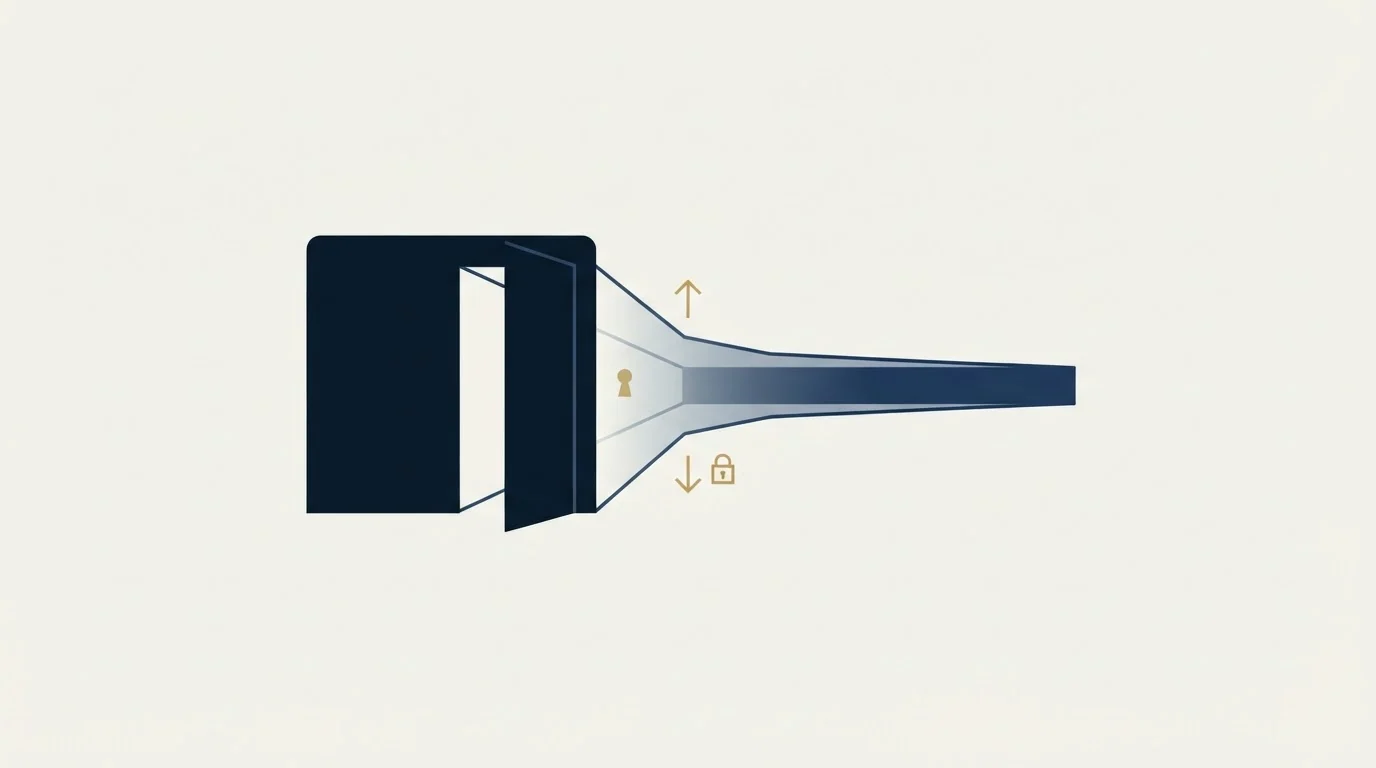
Calling owner-led businesses collapses budget, need and authority into one person, which makes decisions fast and rejections faster. Drop the approval-process questions, size the ask against operating time rather than calendar time, learn the trade's rhythm instead of assuming office hours, and expect the published number to be a shorter path than any corporate contact route. Then check the arithmetic, because this audience is numerous and individually small, which is the hardest shape for a channel that spends a person per attempt.
If the answer is that you need to reach thousands of them rather than hundreds, that is the problem we solve, on email and LinkedIn.
Frequently asked questions.
Frequently asked questions- What questions should I ask an owner on a cold call?
- Ask about the problem rather than the process: whether it is happening, roughly what it costs them, and whose job it currently is to fix. The third question is the useful one, because in a small company the honest answer is usually the owner's own time, which is a cost they feel directly and can act on without consulting anyone.
- When is the best time to cold call a business owner?
- It depends on the trade's operating rhythm rather than on office hours. Owners are running the business during the hours a corporate buyer spends in meetings, so the reachable windows are usually before opening, after closing, or whichever day their trade is quiet. One conversation with anyone experienced in that industry will tell you which.
- How do I get past the gatekeeper at a small business?
- Usually there is no gatekeeper in the trained sense. Whoever answers has other jobs and no brief about sellers, so tactics designed for an executive assistant read as evasive. Say who you are, say why you are calling in one plain sentence, and ask whether the owner is the right person. Legibility beats technique here.
- Is cold calling or cold email better for reaching small business owners?
- It depends on how many you need to reach. Calling suits a selected subset, typically the larger end of the range or accounts where something specific has just happened, because a person's hour per attempt is hard to justify against a small deal. Reaching thousands of owner-led businesses is an email and coverage problem rather than a calling one.
About the author.

B2B cold email experts helping companies generate qualified leads through done-for-you outreach campaigns.
RevenueFlow Team
Explore more.
Ready to scale your outreach?
We build GTM engines that book real meetings. See the receipts.
Related articles.
Cold Calling for Food and Beverage Companies: Three Doors
Cold calling for a food or beverage company: who picks up at a chain, a distributor and an independent grocer, where each publishes its door, and when the phone is wrong.
Win Rate Benchmarks: Which Figures State a Population
A catalogue of the published average sales win rates, sorted by whether the page names the population behind its own number. Most do not.
LinkedIn Outreach for Banks: A Regulated Message
How a bank's relationship managers use LinkedIn to reach business owners: what the FFIEC guidance, FINRA's notices and LinkedIn's own rules require, and where to stop.
Cold Calling for PPC Agencies: What You Can See First
A paid media prospect is partly readable before the call and has already been told by the platform what to do when a stranger rings about its ads.
Cold Calling for Consulting Firms: The Partner's Hour
Cold calling for a consulting firm: who it dials and who picks up, why partner-led economics argue against the phone, the client's fiscal year, and when to skip it.
Sales Kickoff Agendas: Five Published, Session by Session
Five publishers print a sales kickoff agenda. They agree on four blocks and disagree on session length, rehearsal and where the agenda comes from.